Price
135000
Body Type
Body Builder
VIN
Make
Ferrari
Model
250 GTE 2+2
Year
1963
Mileage
Serial Number
4925
Engine
Engine Type
Chassis Type
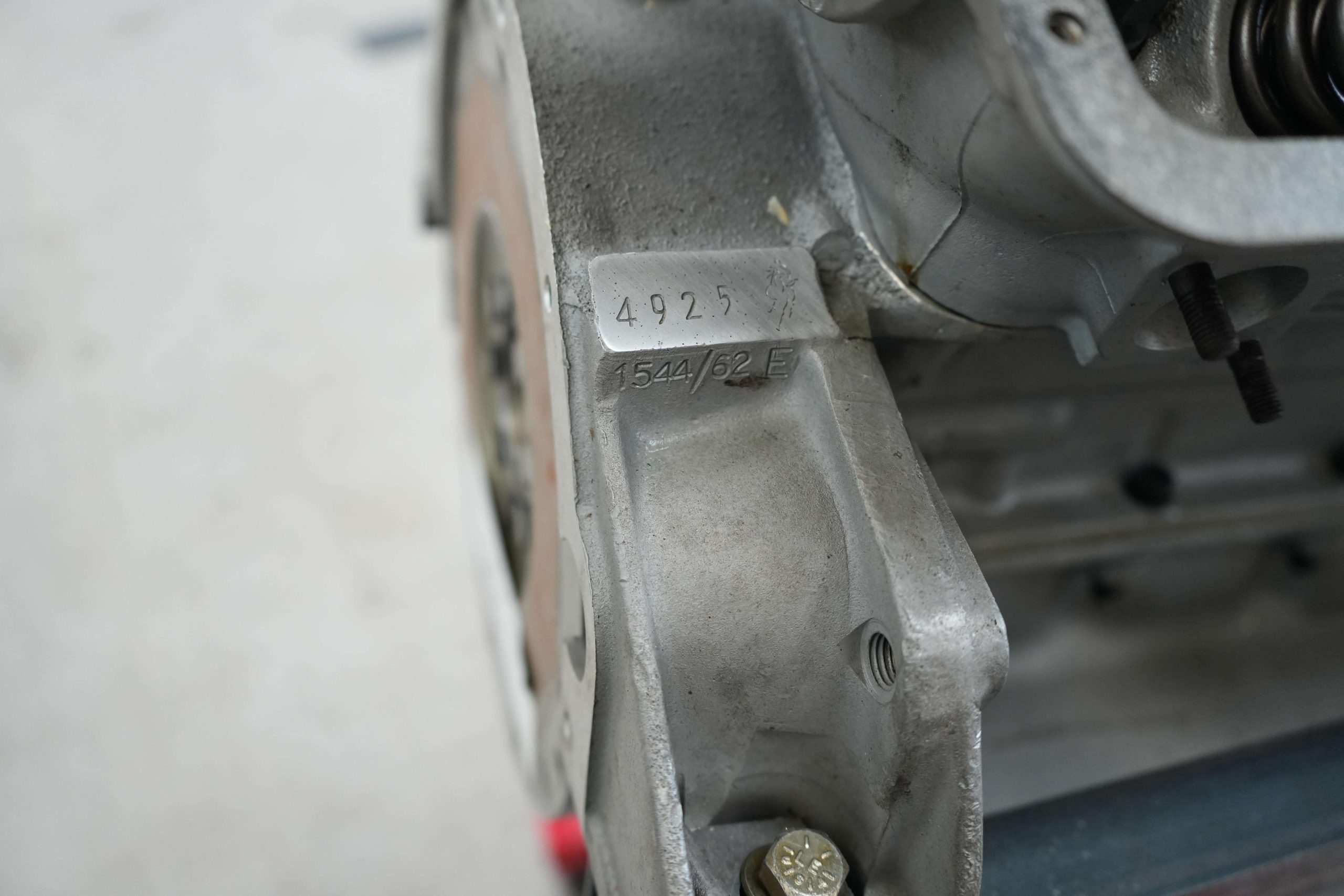
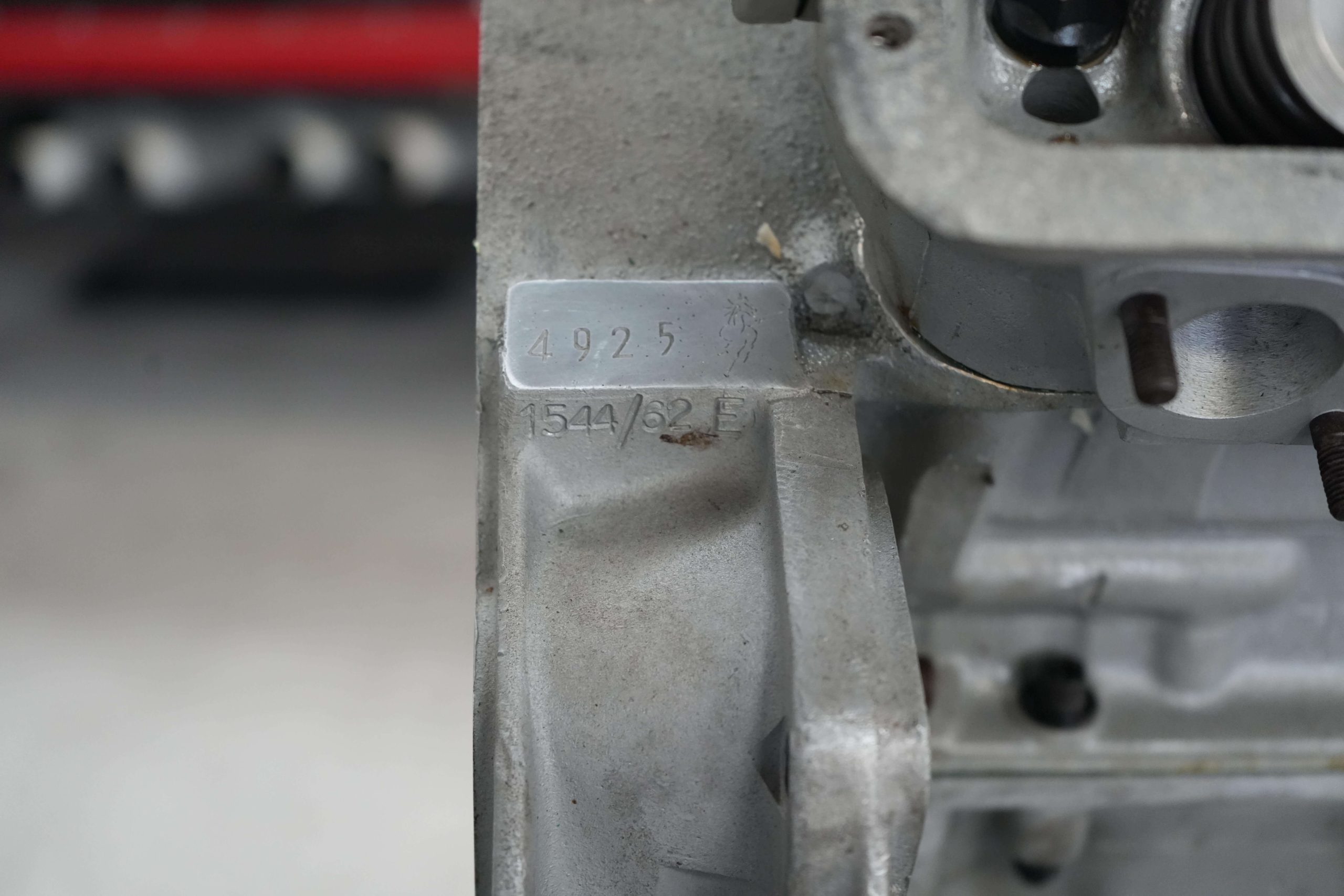
Engine Number
numero Interno #1544/62E
First Owner
Current Location
newport beach
Build Sequence
Number Built
Owners
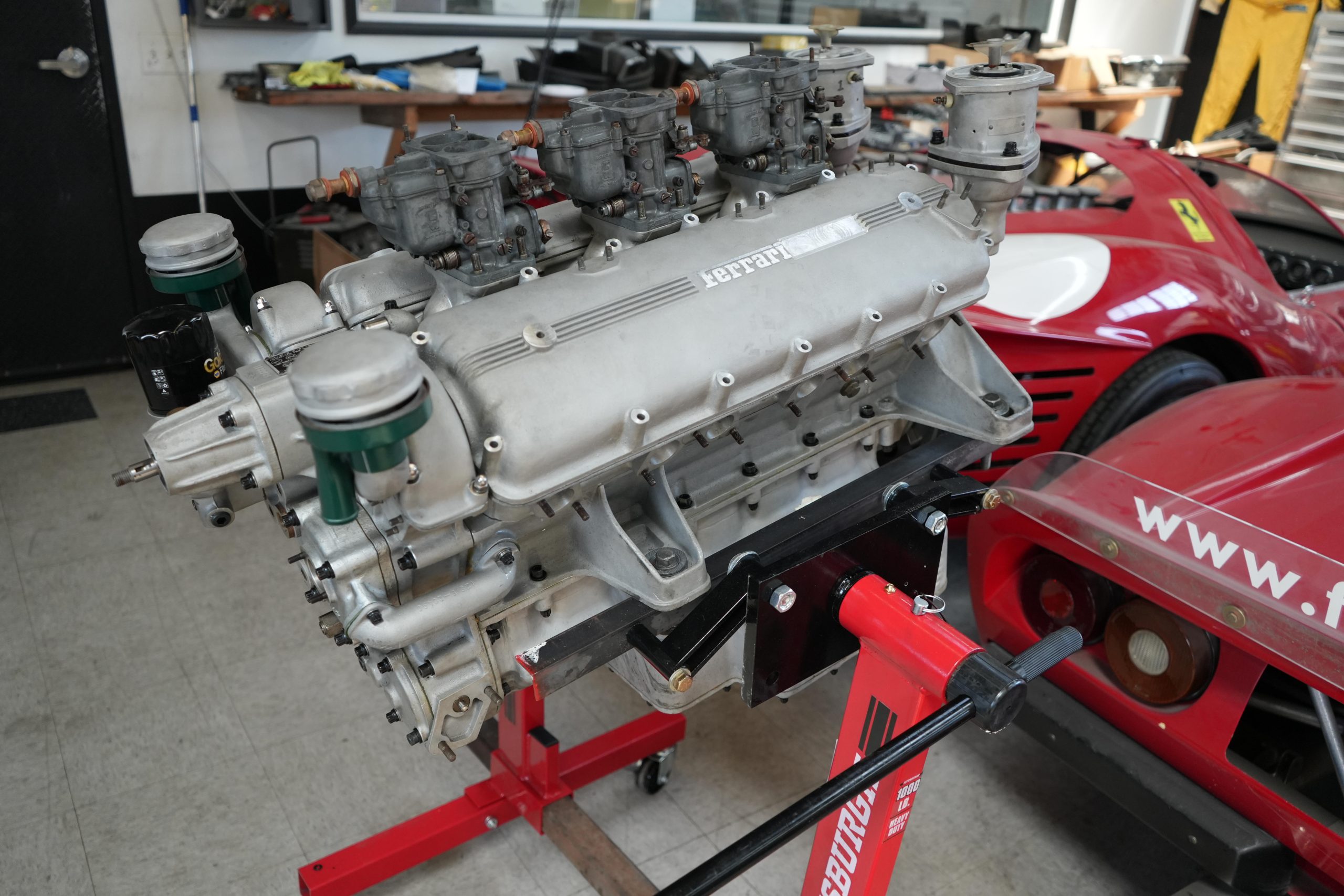
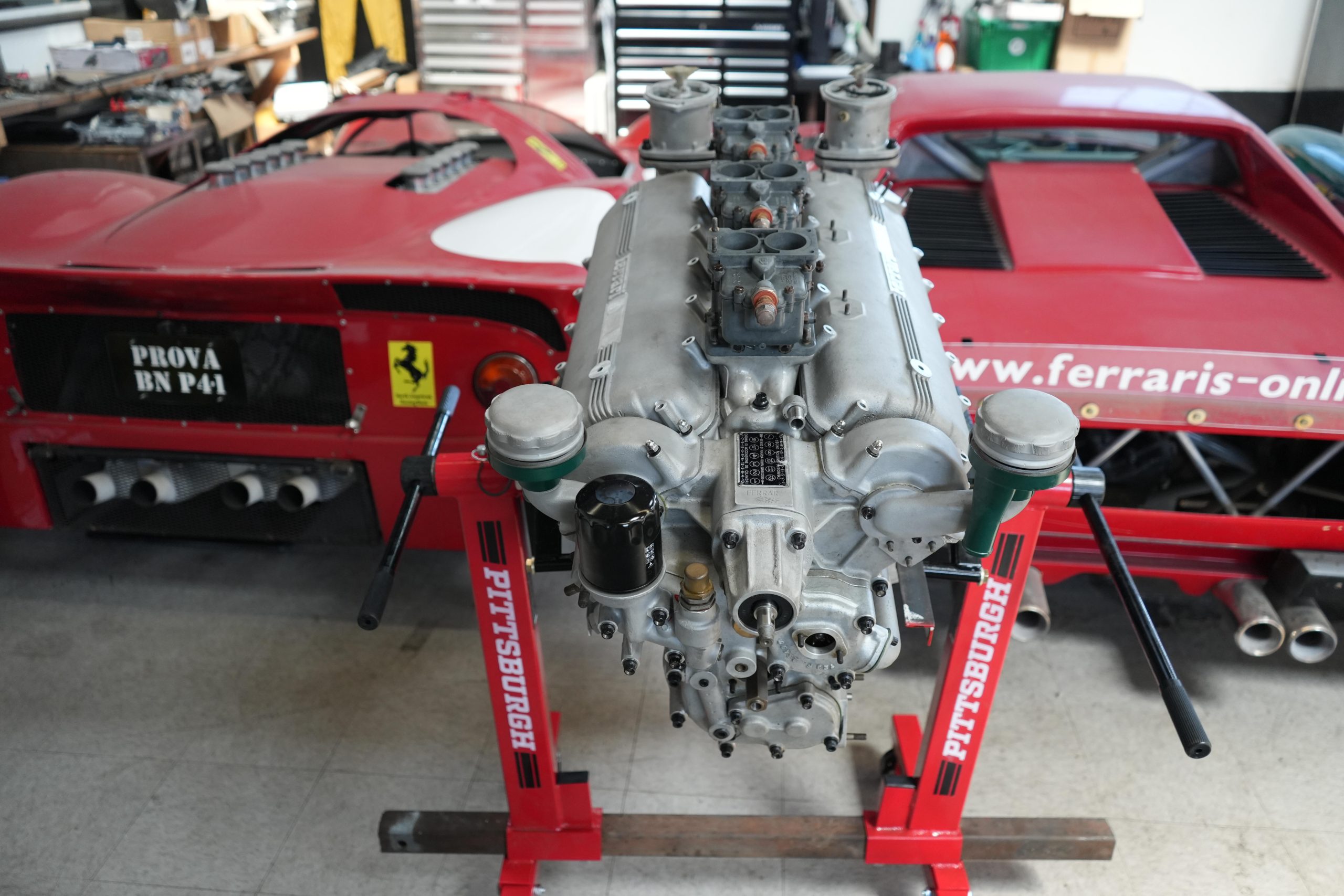
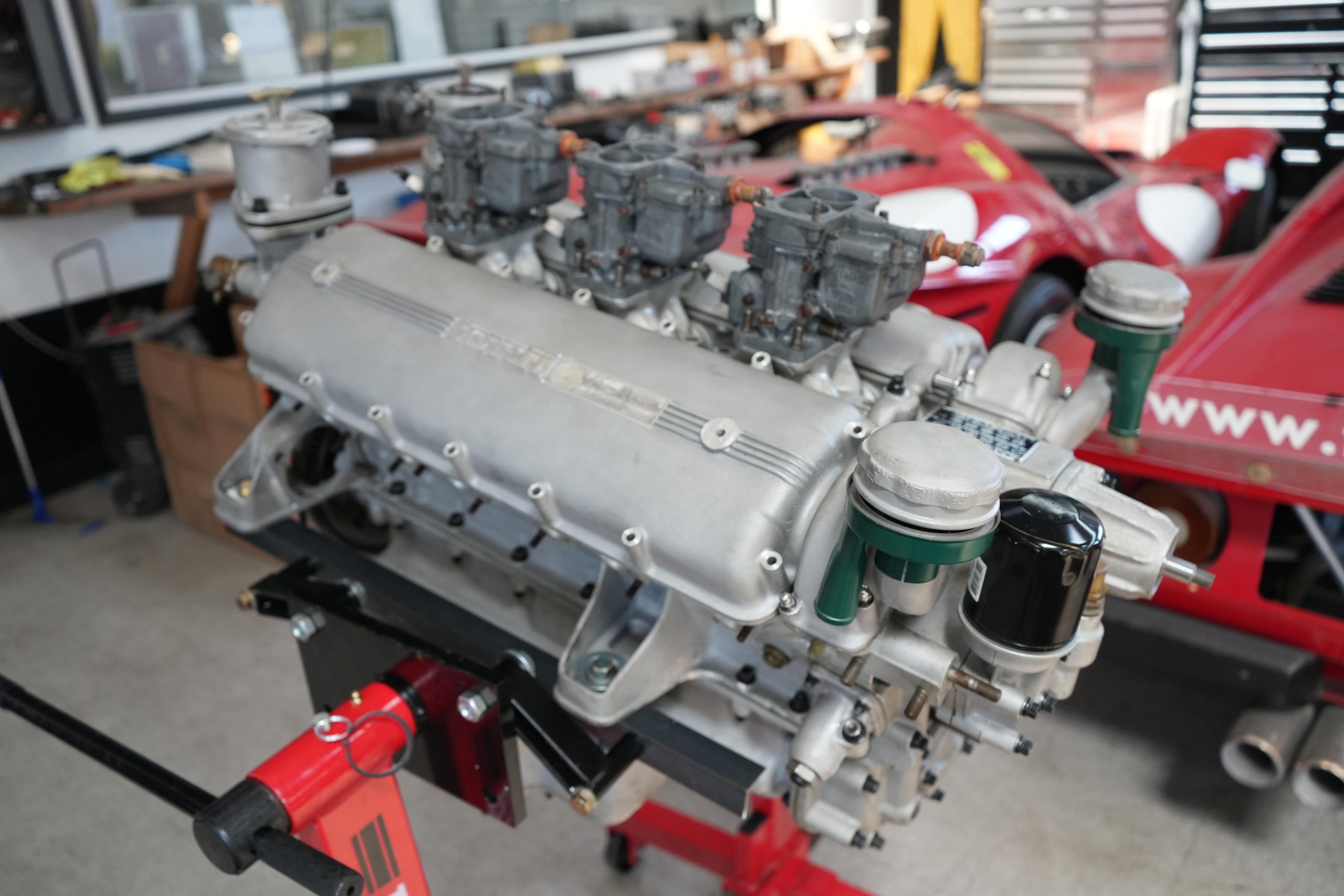
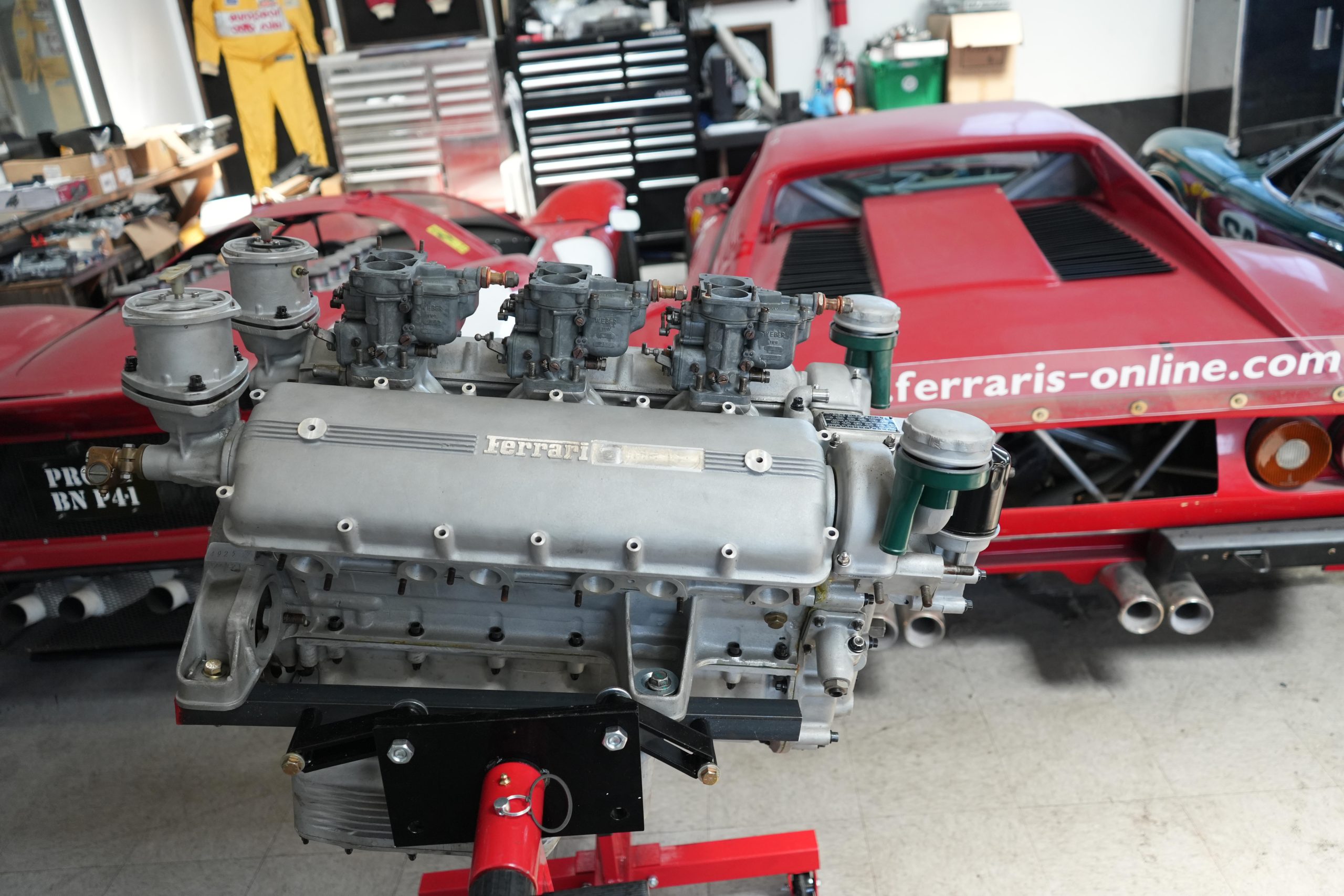
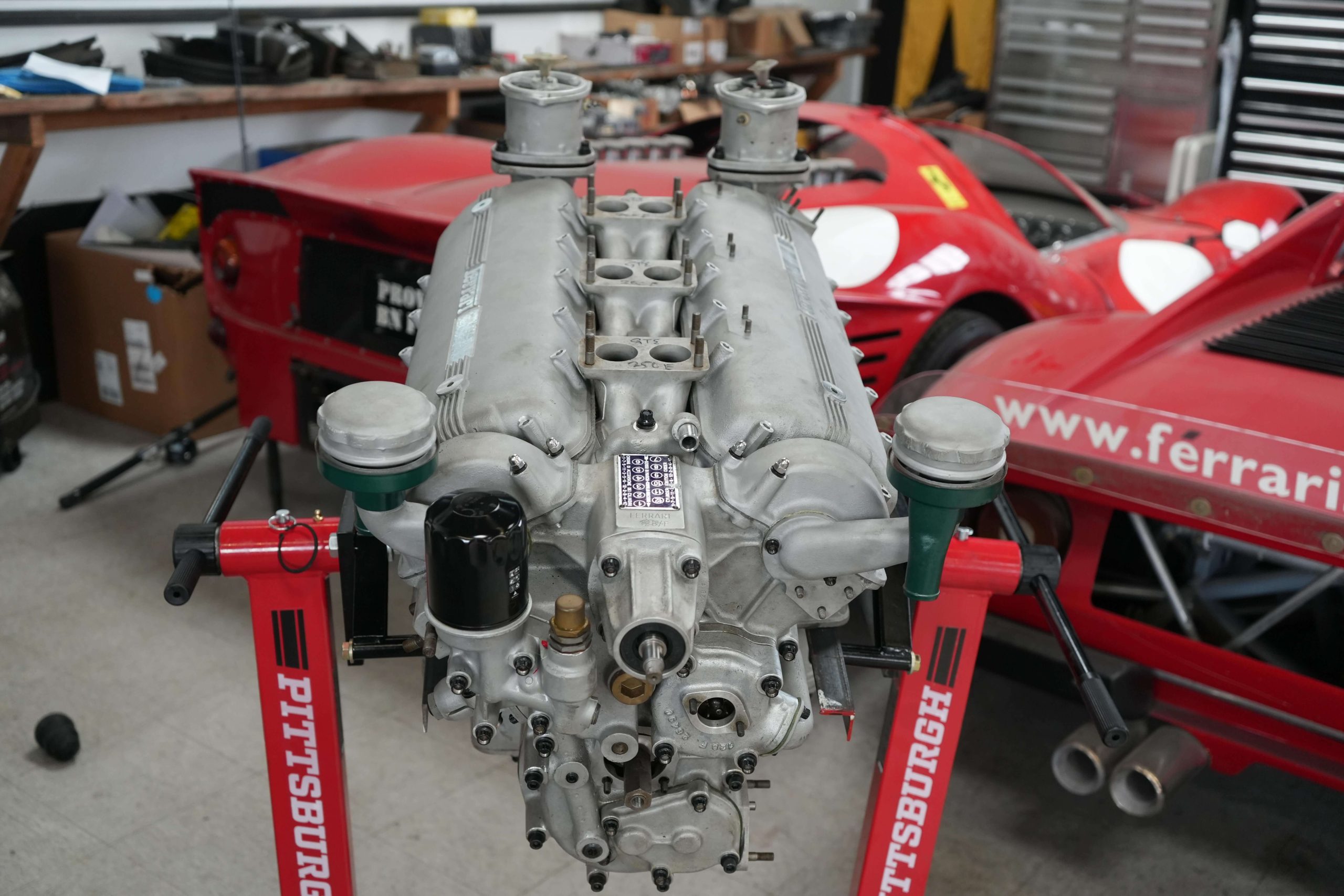
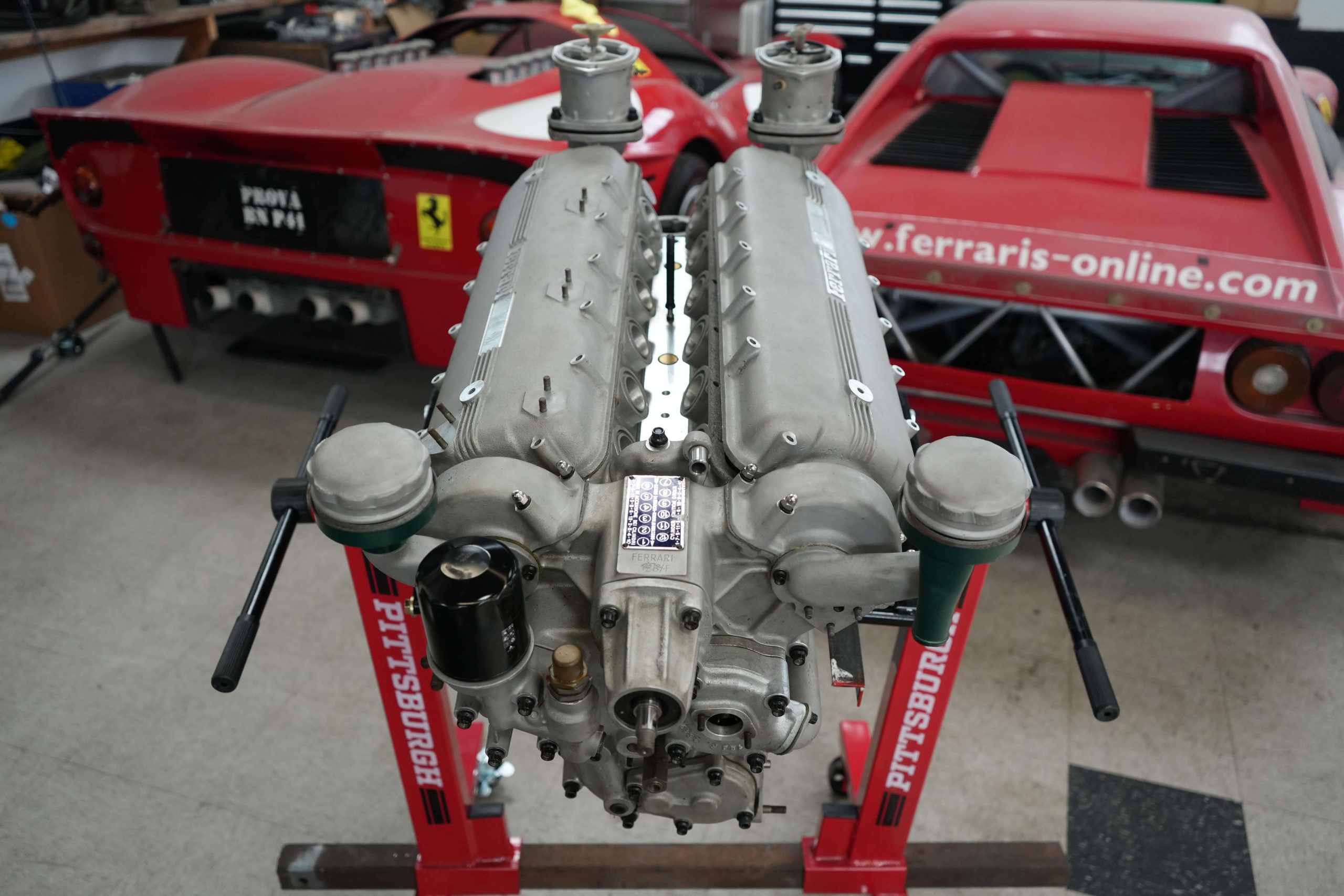
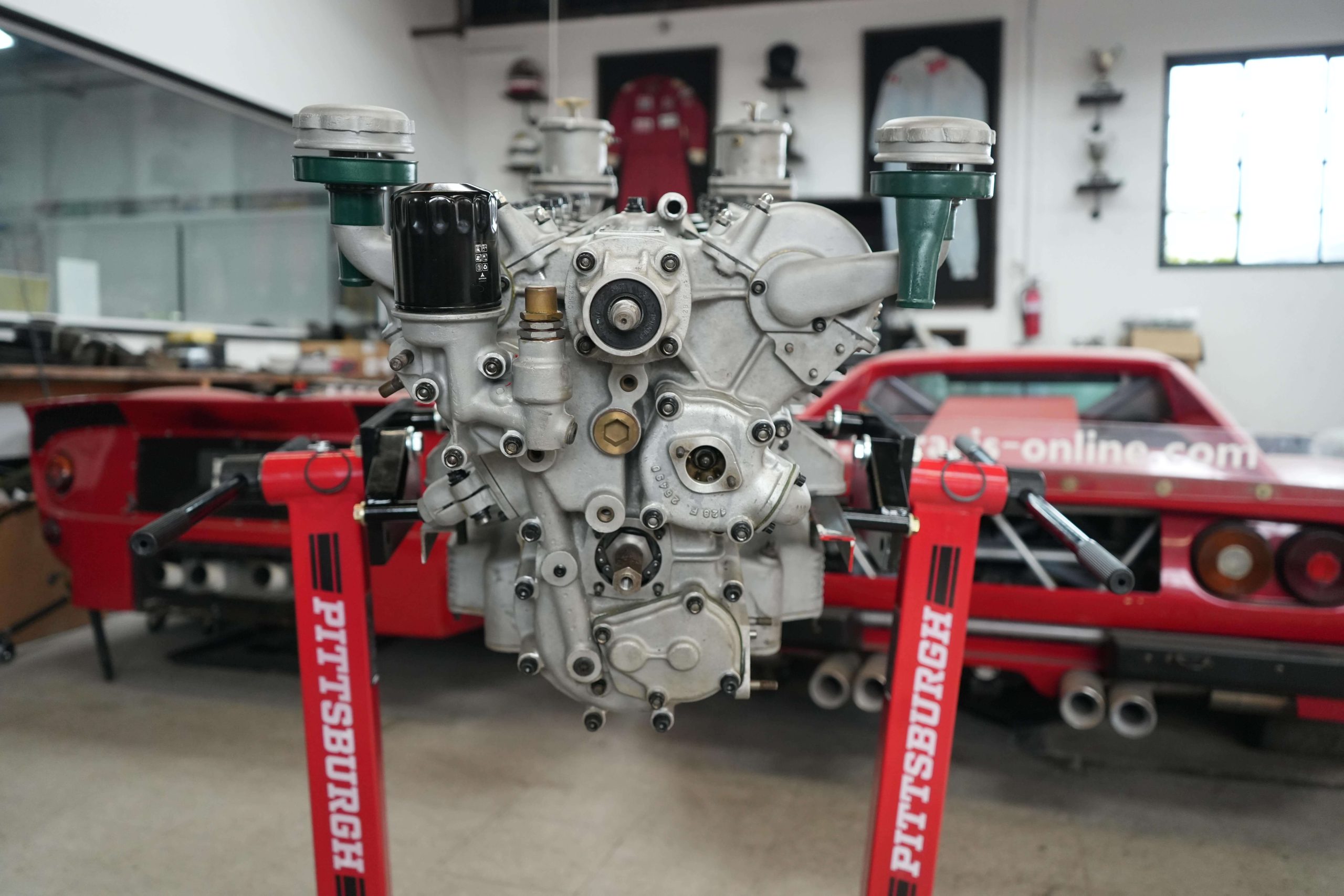
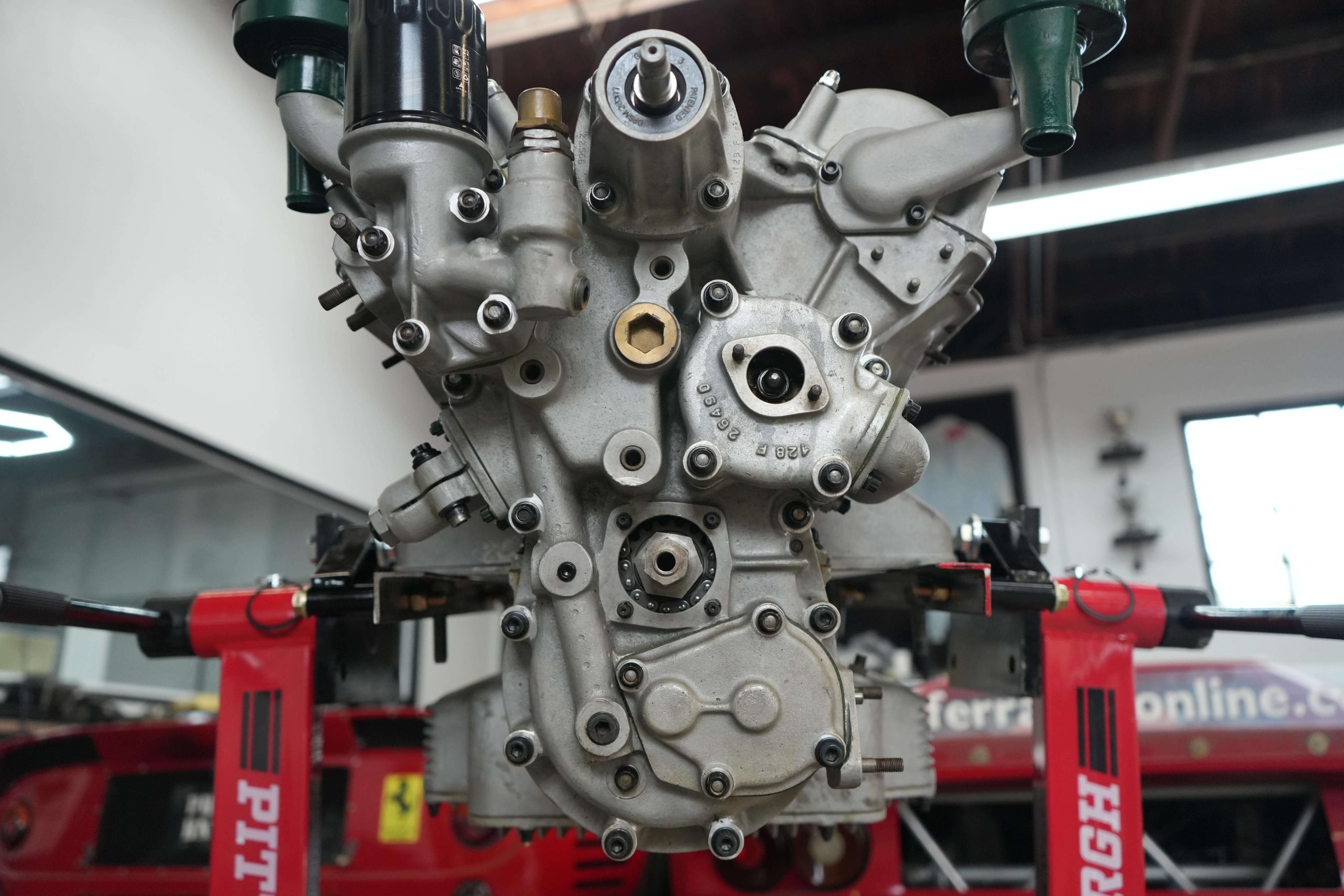
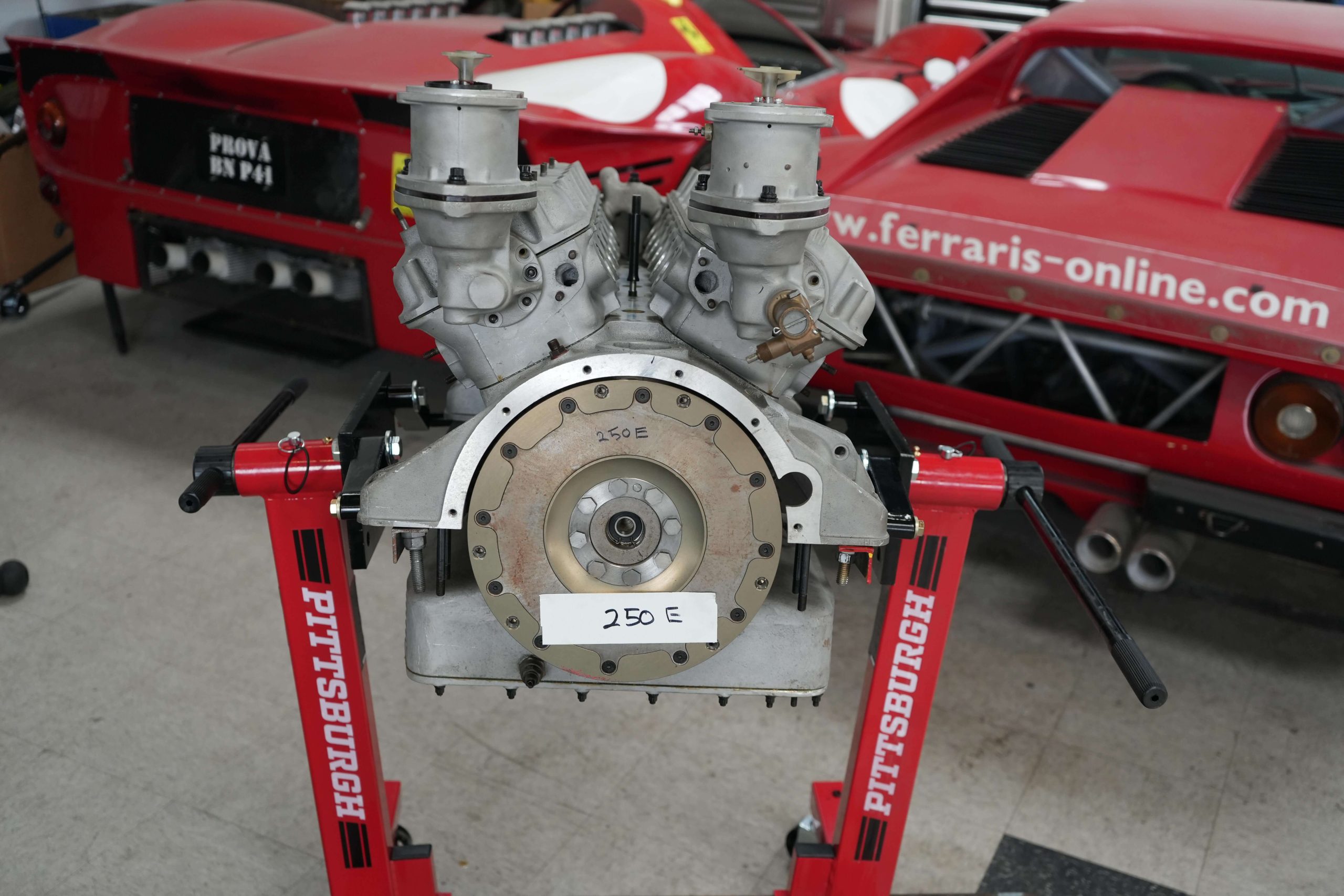
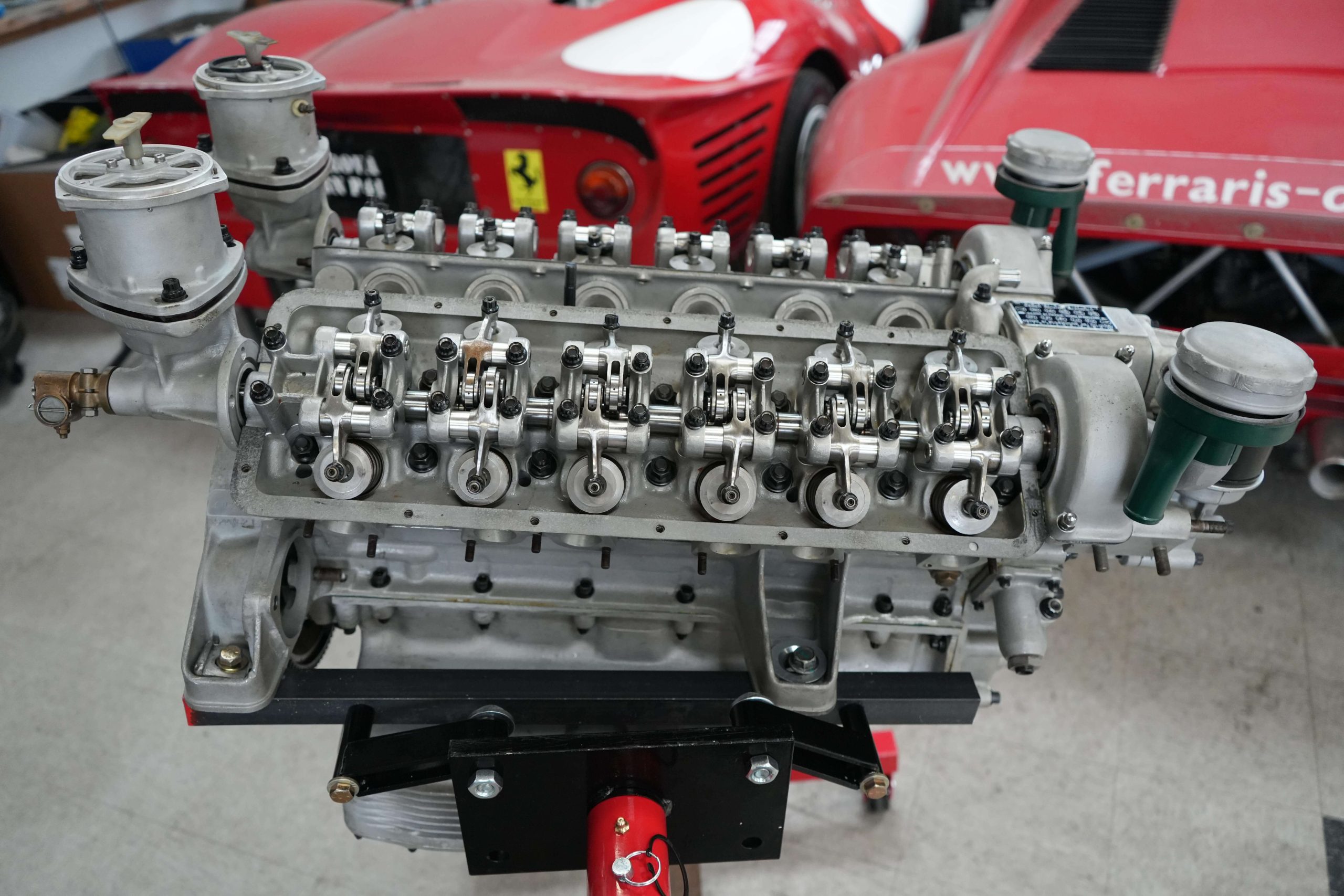
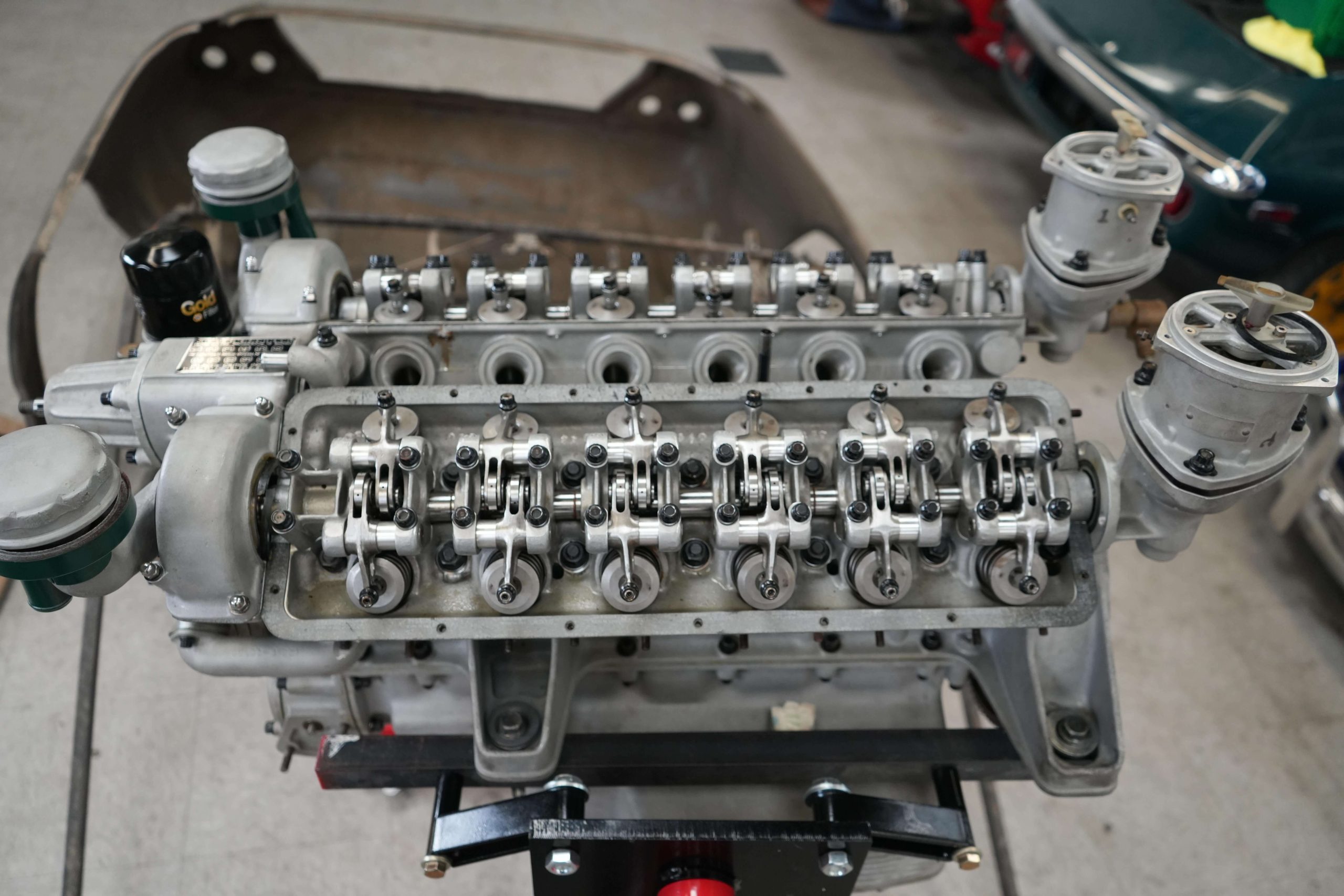
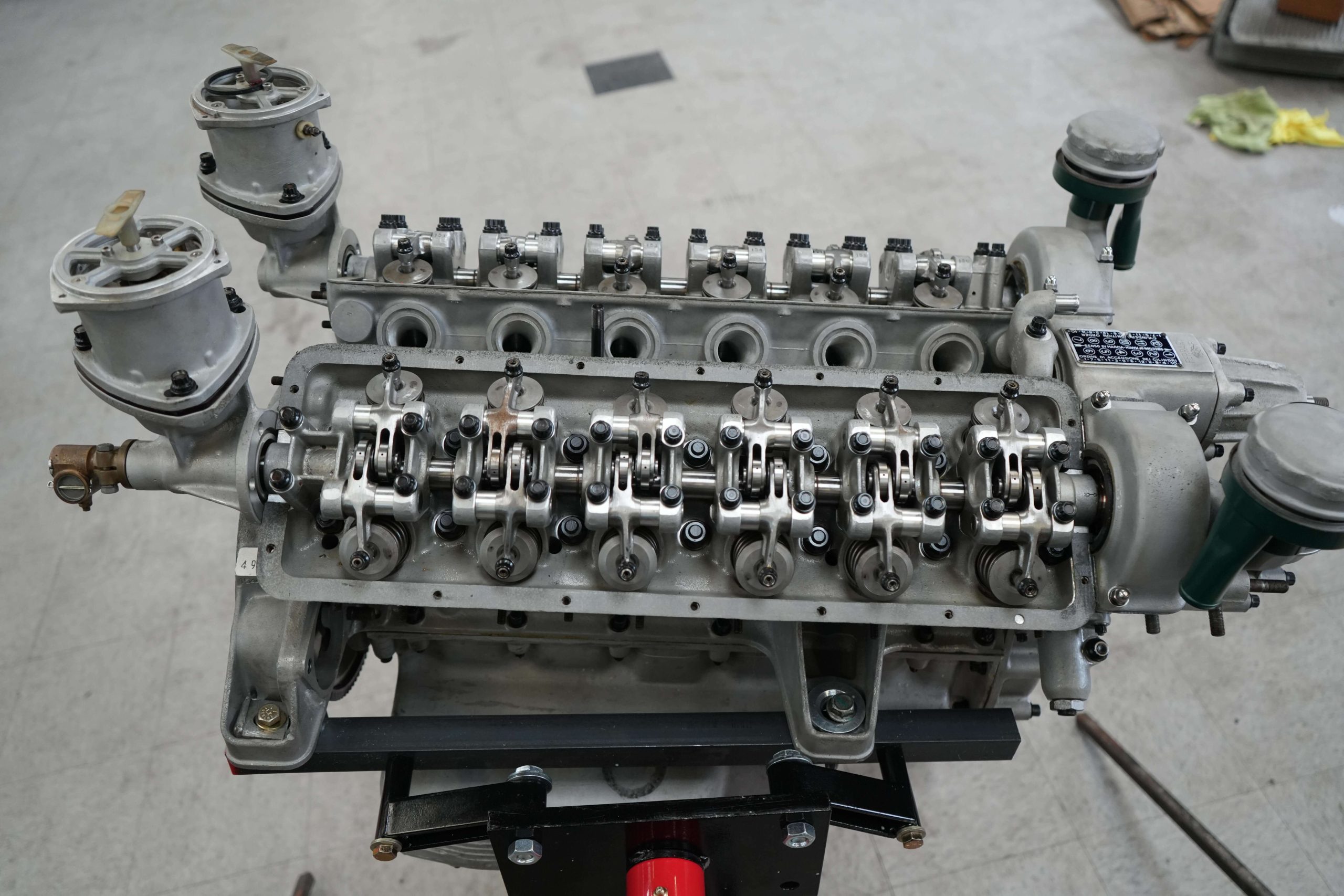
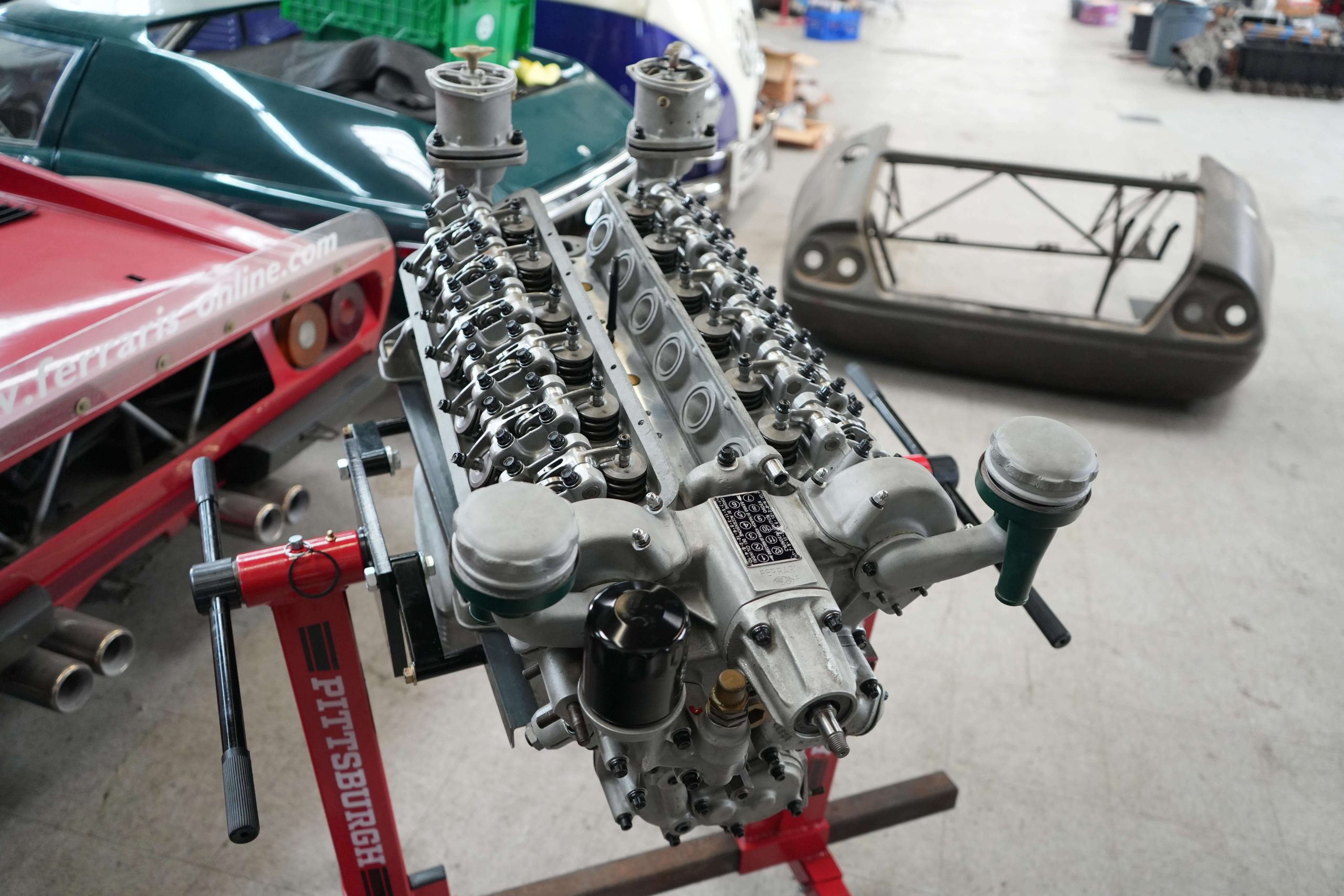
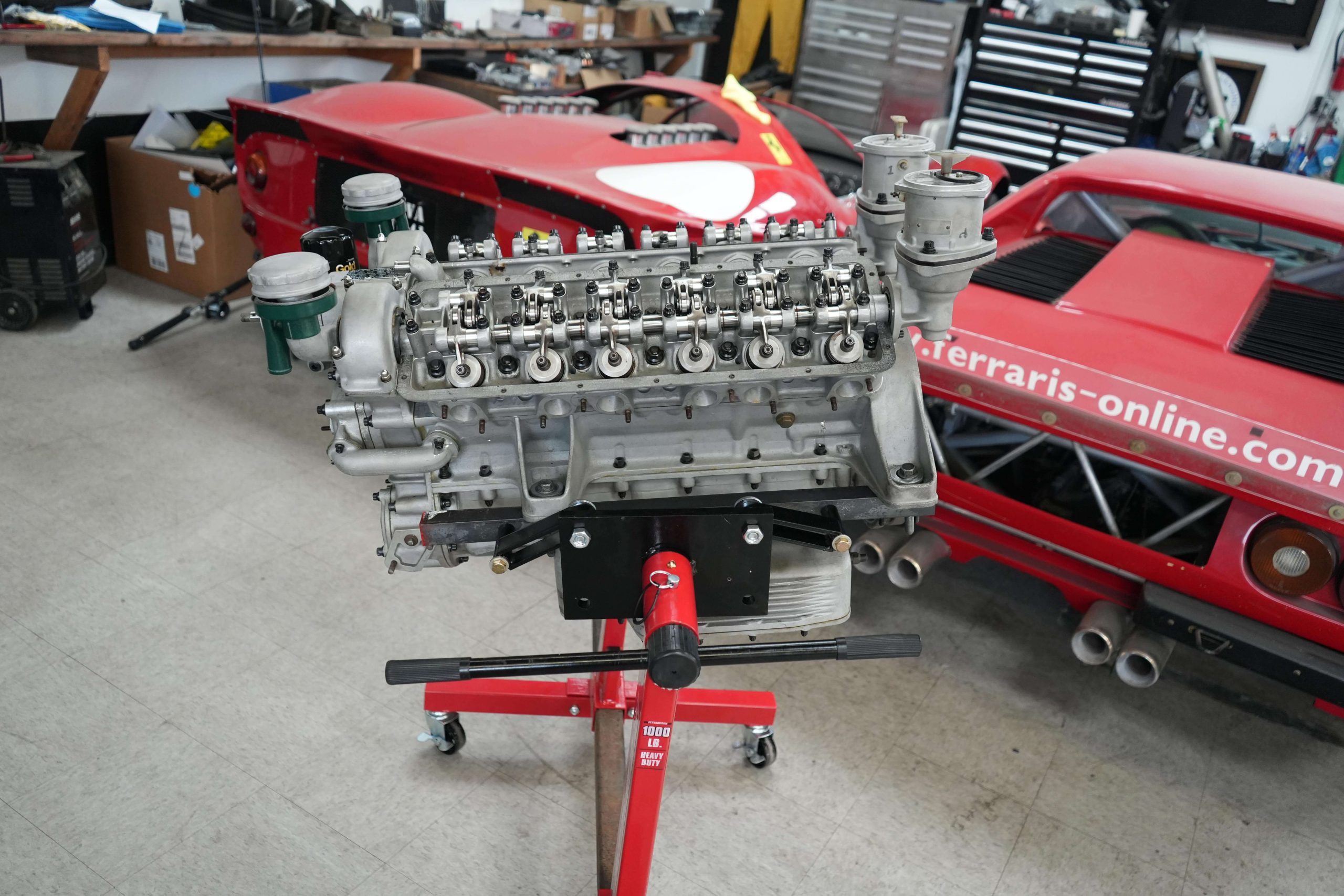
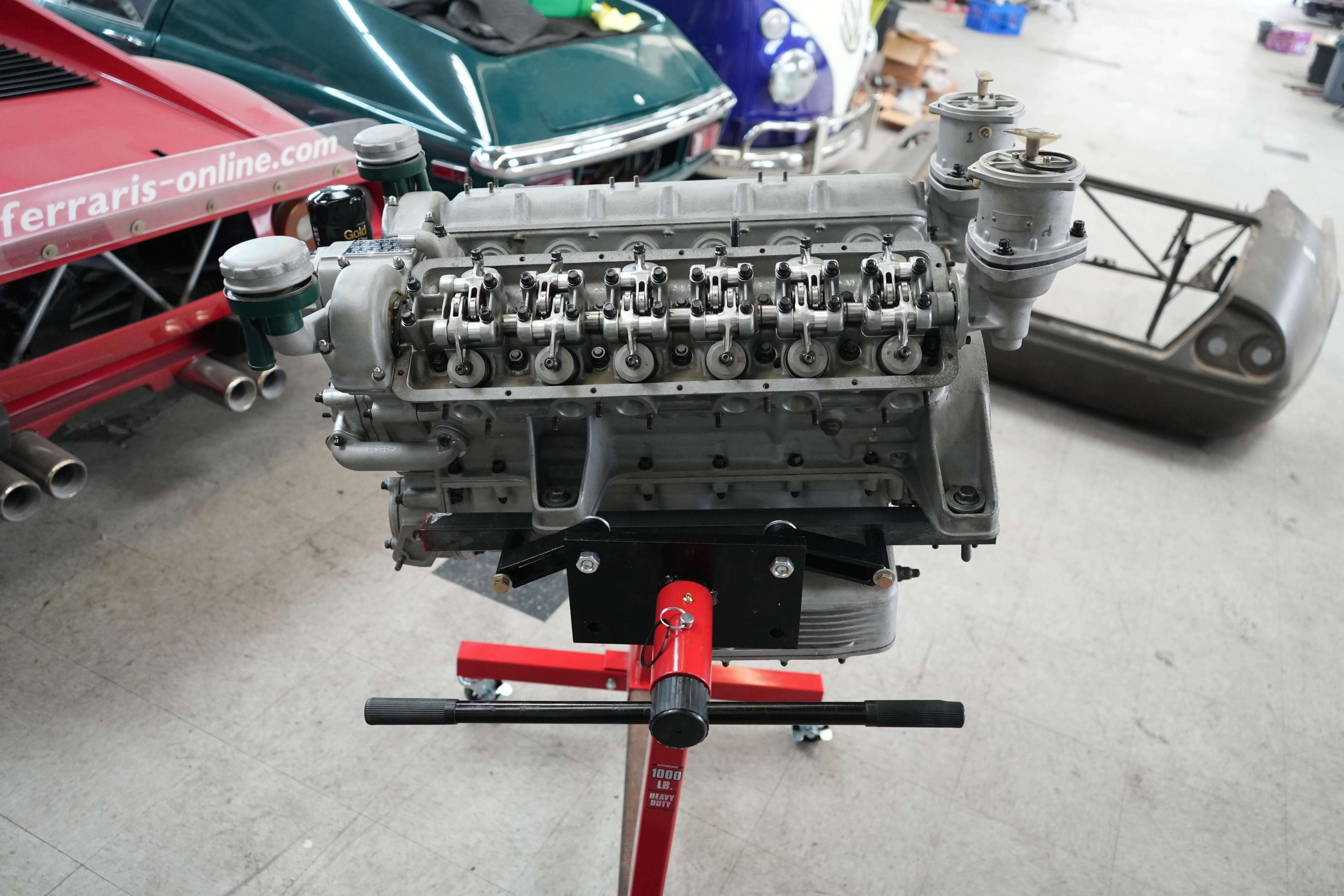
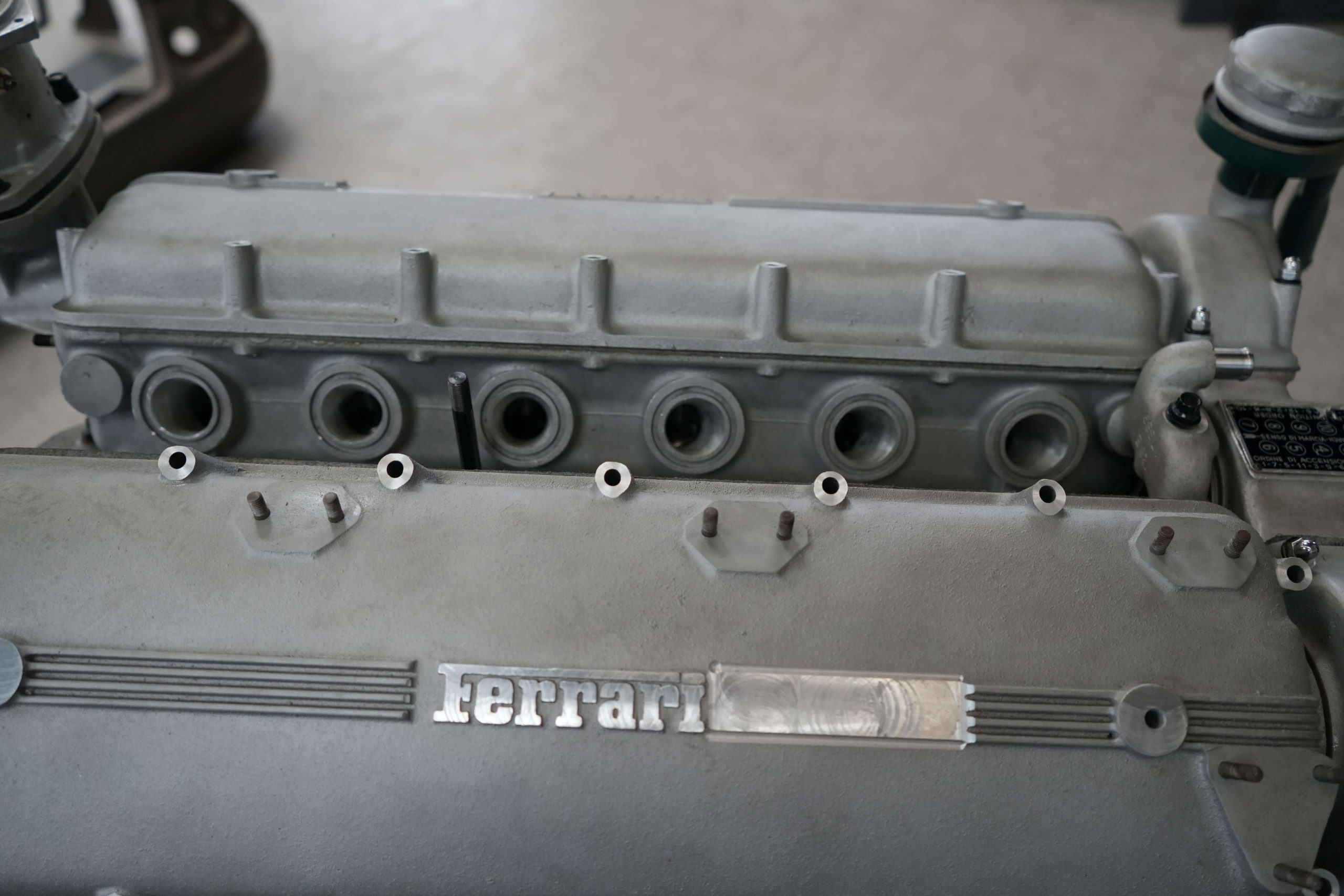
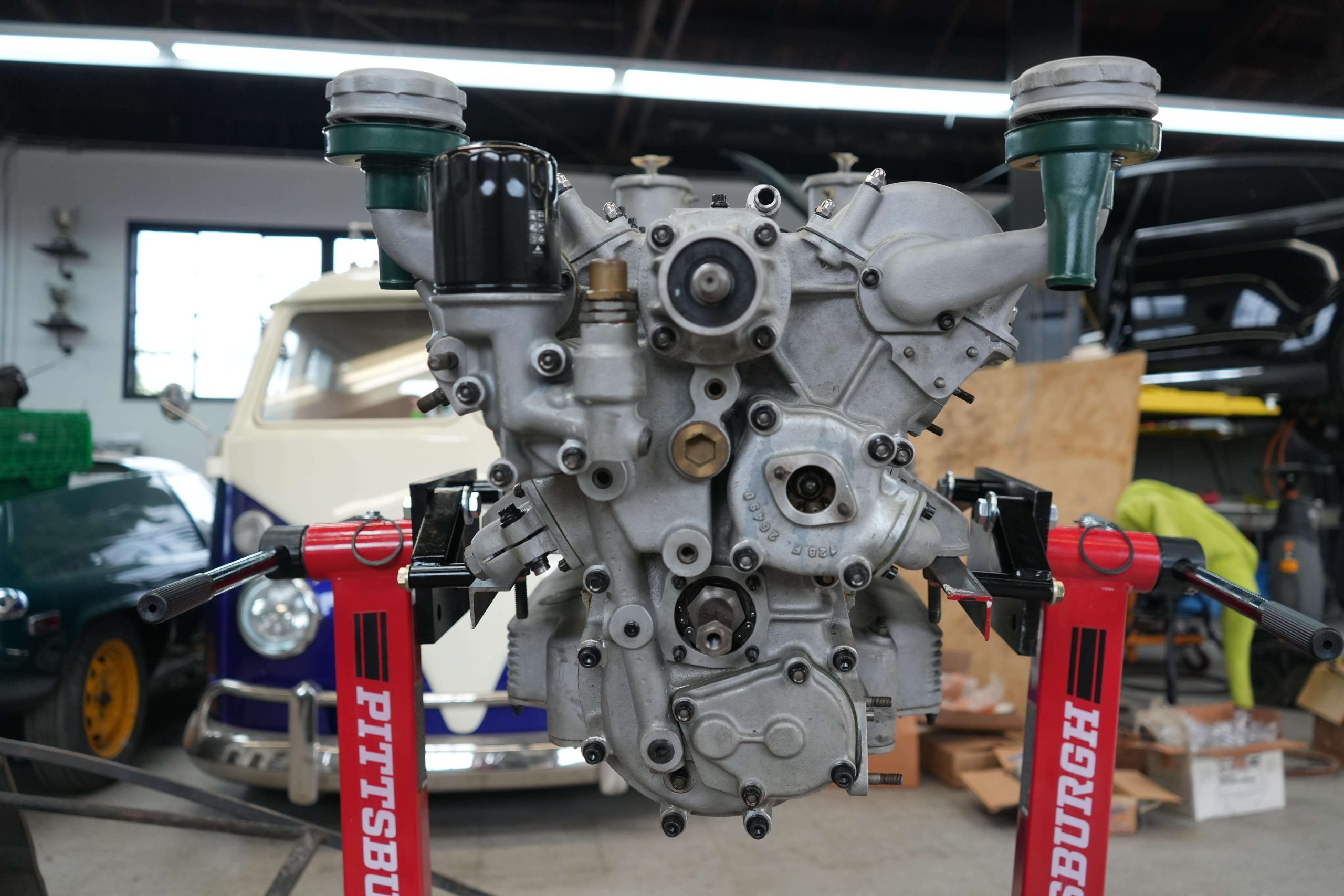
We are pleased to offer a zero-time, fully rebuilt “Hot-Rod” 1963 Ferrari 3.0 liter Series III 250 GTE
tipo 128E engine s/n 4925 with numero Interno # 1544/62E. While the engines of the Series I; the
Series II and Series III 250 GTEs were all rated by the factory at the same 240 hp at 7,000 rpm,
there were very serious internal performance updates throughout each of the three series.
All 250 GTEs had a 73mm bore with a 58.8mm stroke, giving a 1.24 to 1 bore to stroke ratio, the
classic over-square engine built for performance. Thanks to lessons learned racing the 250 SWBs,
the 250 GTEs were continually updated. Internally the intake valves were substantially updated
and enlarged, going from 31mm in the early cars up to 34mm in the mid-series to 36mm in the
later cars; the exhaust valves were also enlarged from 29mm to 31mm to 34mm, all of which
was a huge improvement in volumetric efficiency and power.
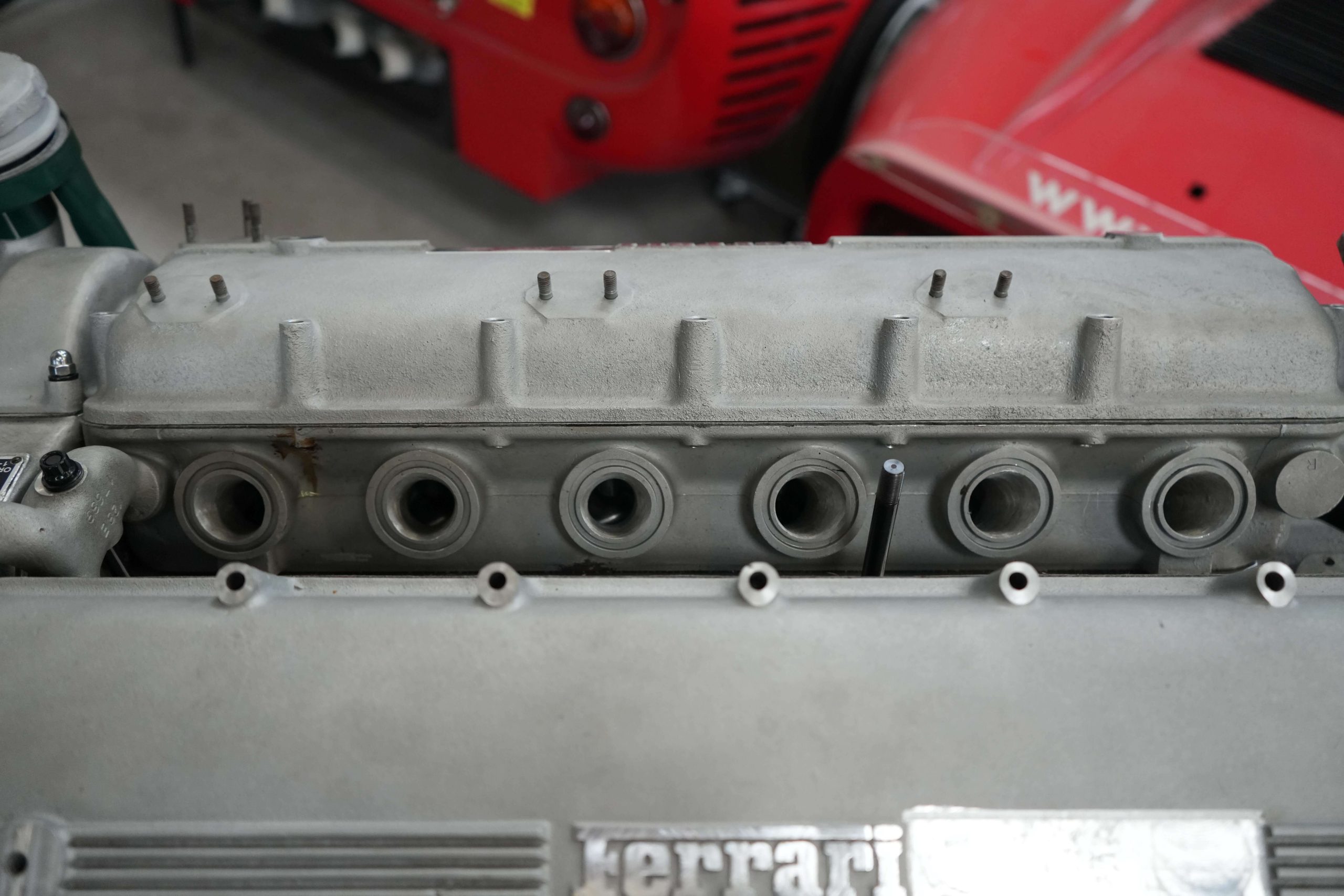
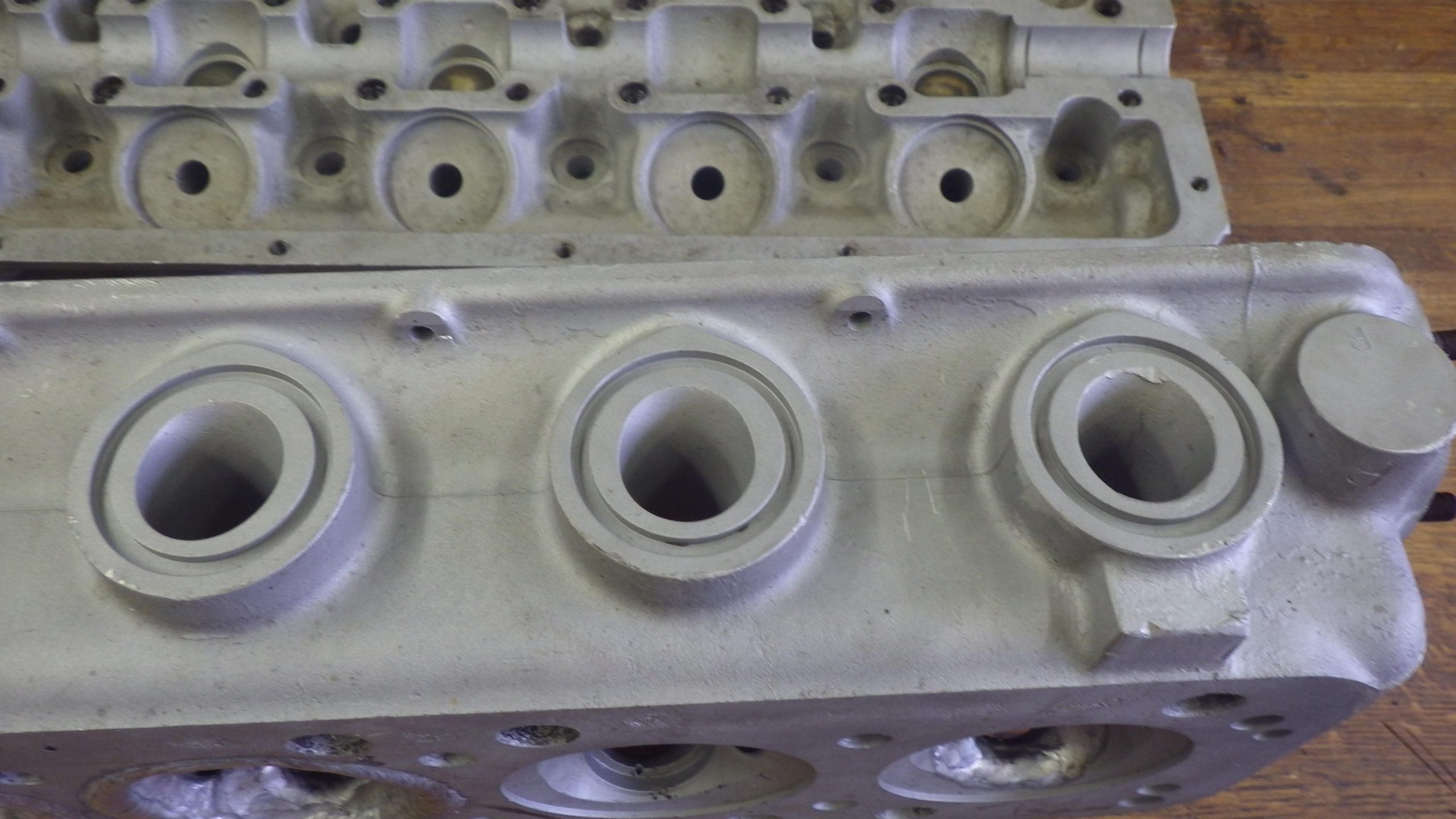
The early GTE’s had sand-cast cylinder heads, resulting in a rough surface finish, the later cylinder
heads were pressure cast giving a more dense and hence rigid casting with larger and smoother
intake and exhaust ports to go with the larger valves, another huge improvement in volumetric
efficiency and power. Additionally the short run from the carburetors to the inlet valves had led
to incomplete vaporization of the fuel, resulting in accelerated wear. The larger valves helped to
dissipate the fuel, for more power.
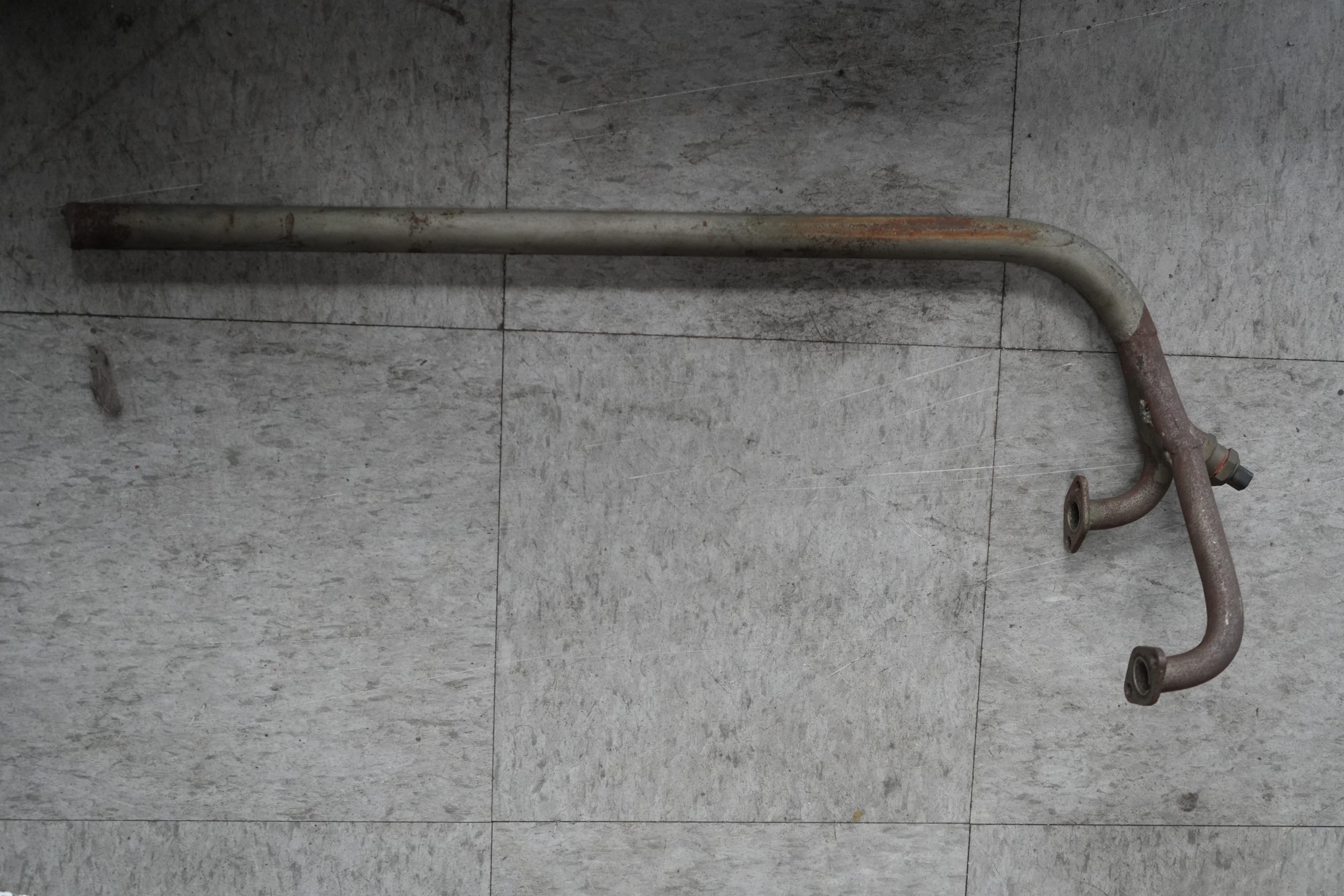
The early engines used the six-into-one exhaust ports and headers but when the cylinder head
casting were updated to pressure cast the exhaust ports and exhaust headers were changed to
three-into-two-into-one exhaust ports and headers which resulted in a better flowing exhaust
with both higher rpm power and more torque across the rpm range.
All 250 engines had compression rations of 8.8 to 9.2:1 and “hemi” combustion chambers which
were designed to cope with the low-quality fuel on sale in the 1950s and ’60s. Thanks to the many
evolutionary improvements in period, today these engines can be update to a higher compression
ratio, as high as 11.5:1 while still being very user-friendly and drive-able
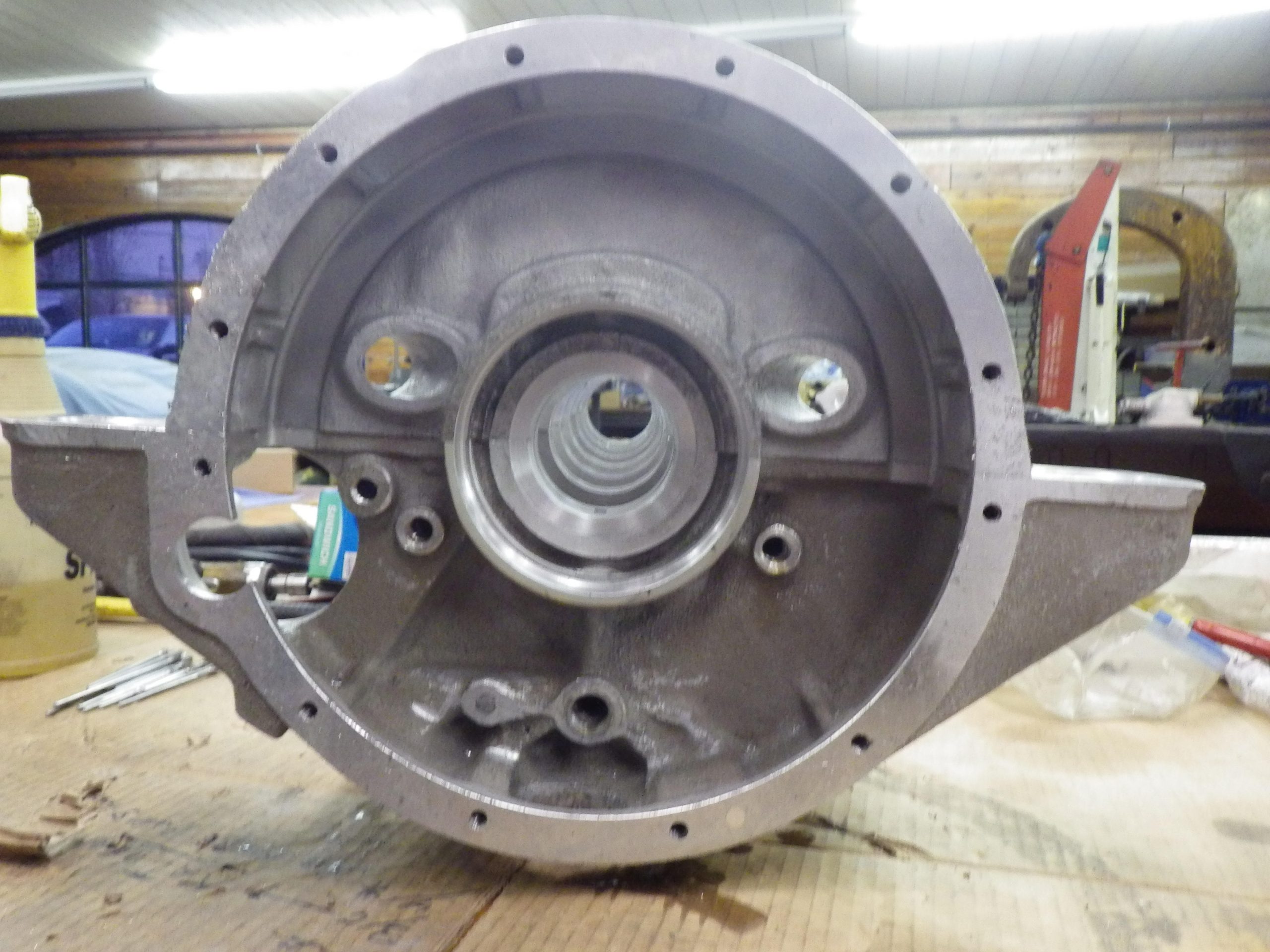
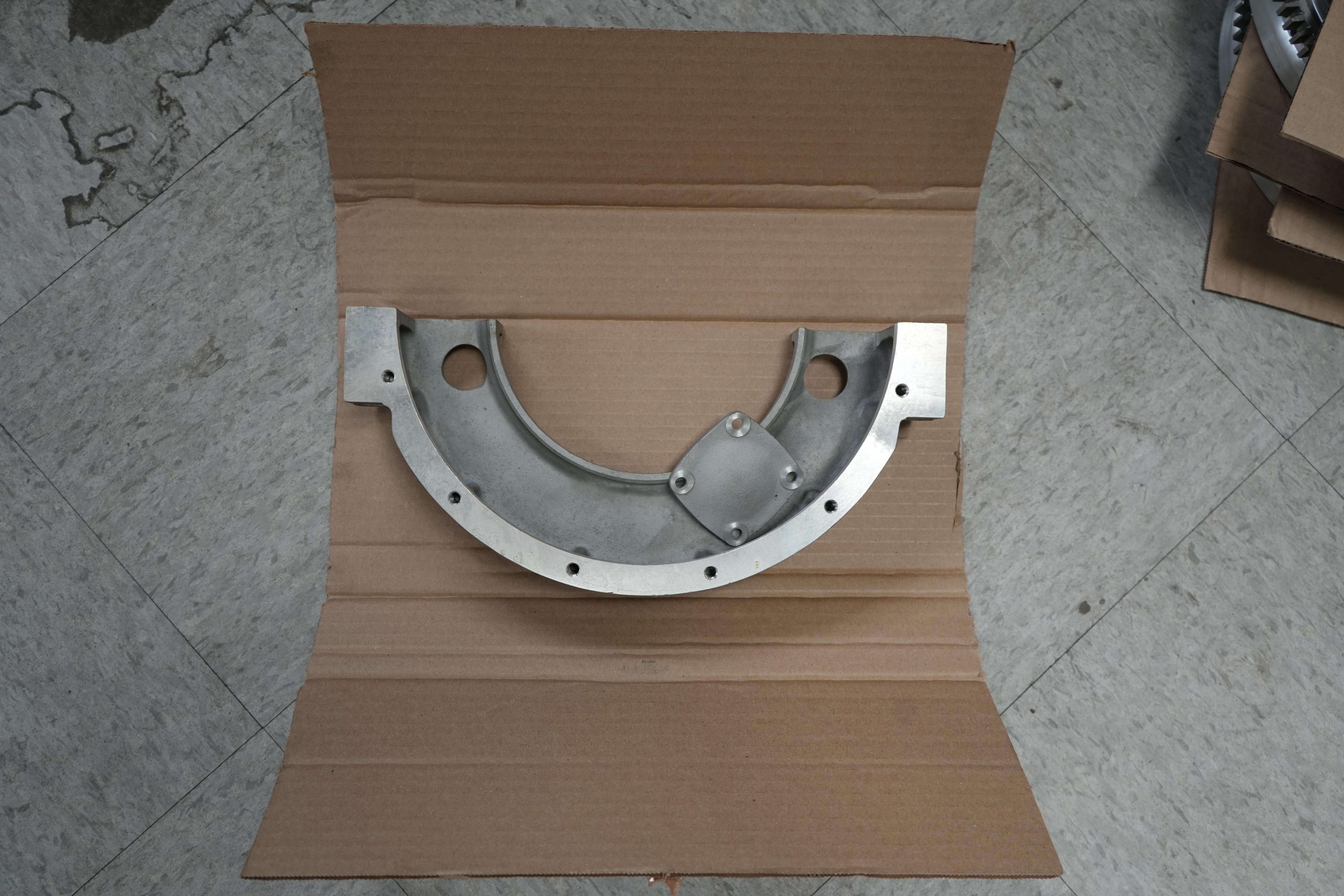
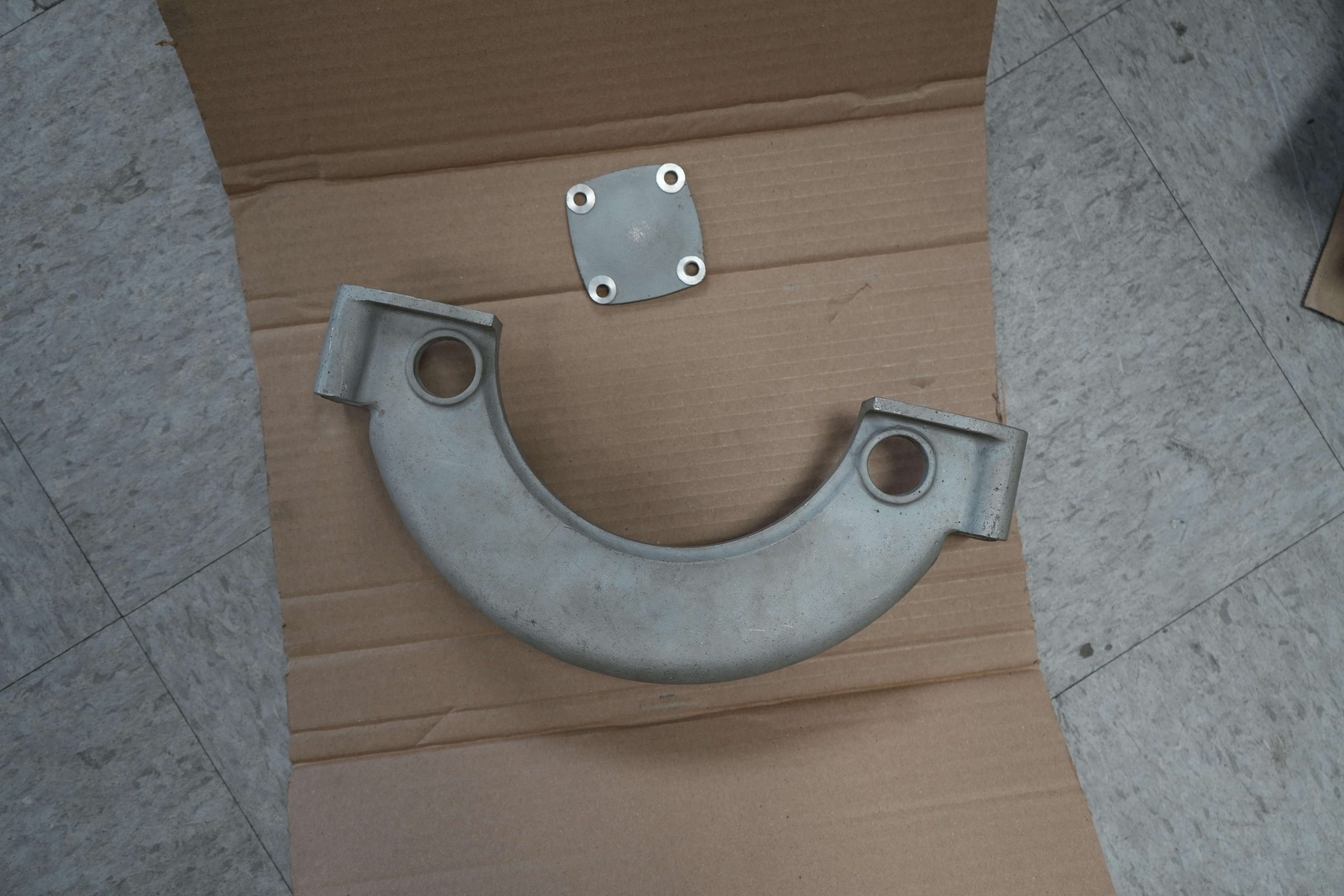
In the bottom end the early cars had a one-piece rear main bearing that also supported the trans
which sometimes led to cracked bell housings. The Type 128E/62 engine, (introduced at about
s/n 3003) had a two-piece main-bearing bell housing support arrangement which separated the
engine from the transmission. Another problems was getting oil to drain out of the heads back
into the sump. The early cars had two oil drains which allowed oil to flow back into the sump,
the later pressure cast heads added a third internal drain, ending oil starvation when driven hard,
under braking or in fast corners.
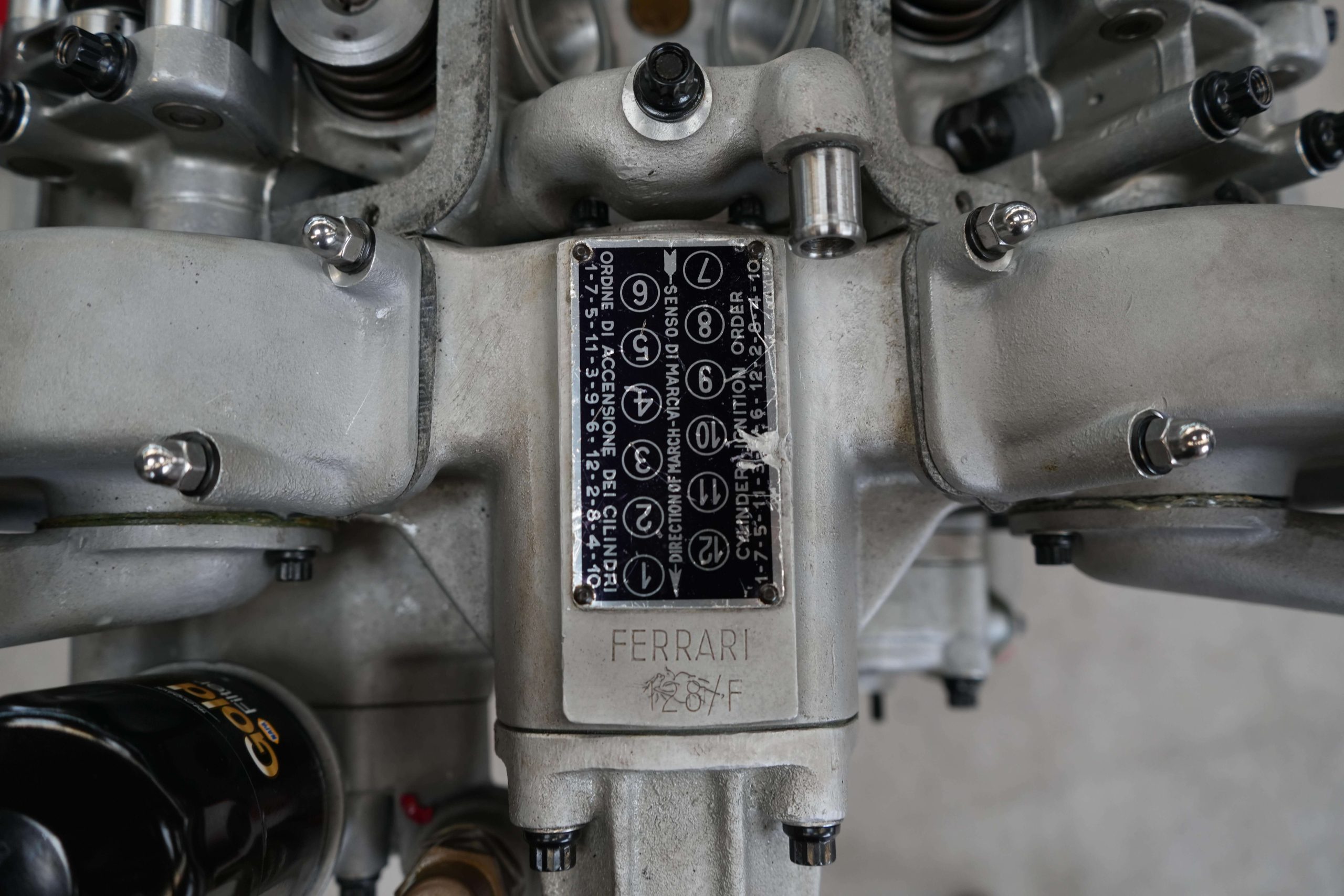
Going even further down the rabbit-hole of 250 engine updates, a few early GTEs were fitted with
the Tipo F engine, which confusingly came before the Tipo E. While the Build Sheets refer to the
engines as Tipo E and the factory internal numbers are all stamped with an E, after about s/n 2401
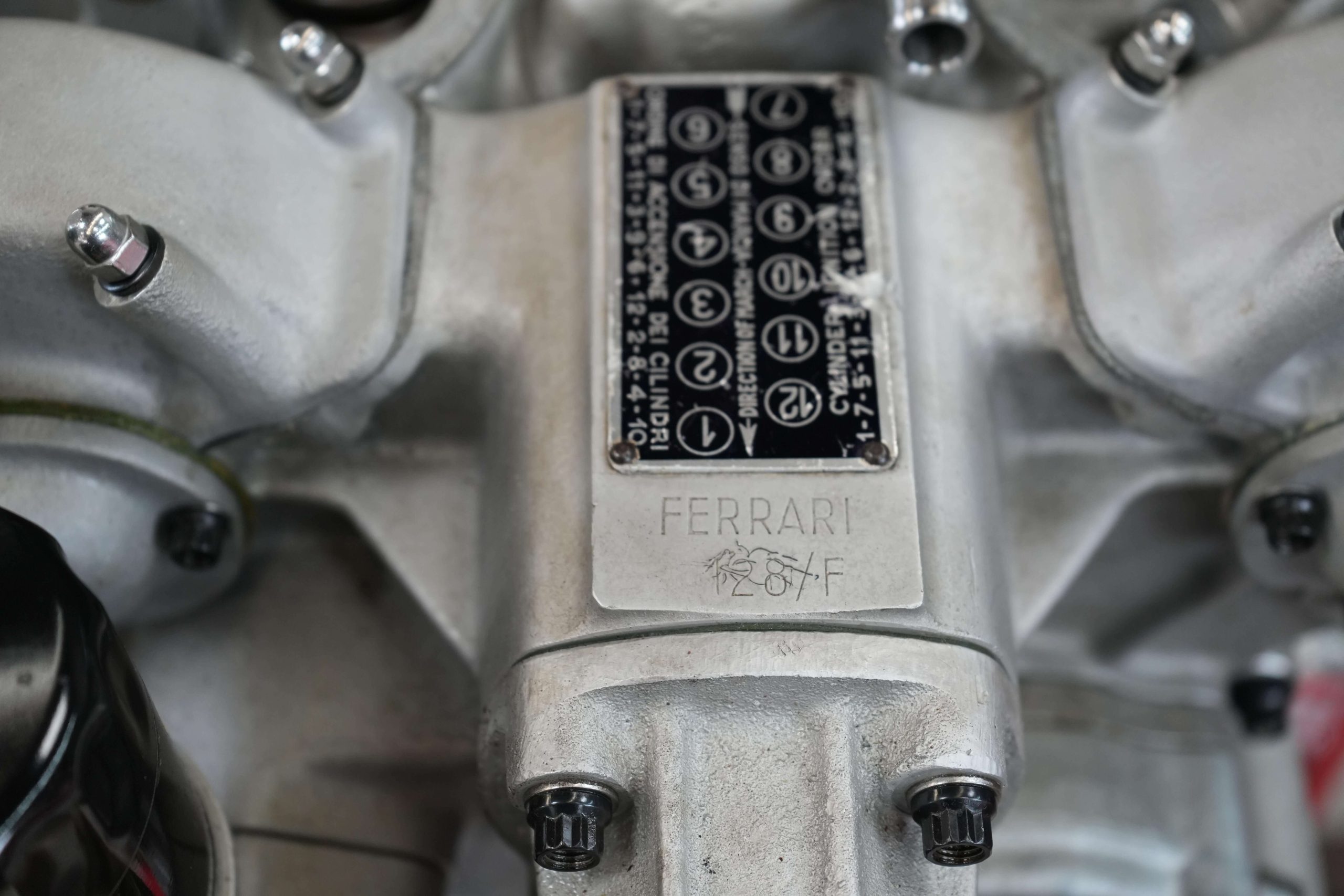
all the 250 GTE engine front timing chain casing were stamped ‘Ferrari 128F’. The reality is that the
tipo 128E was the definitive 250 outside-plug engine and was fitted to almost all of the GTE cars
built.
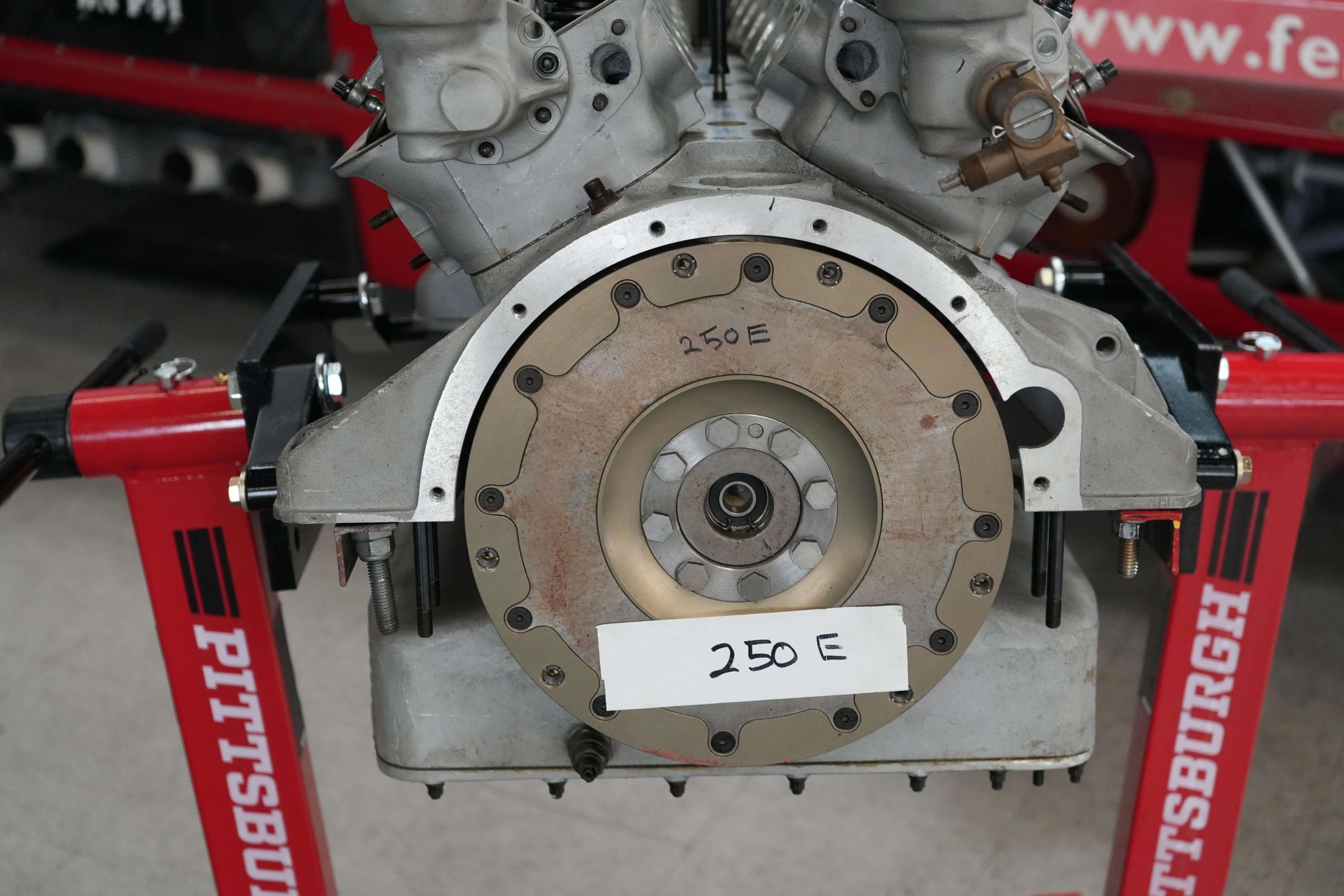
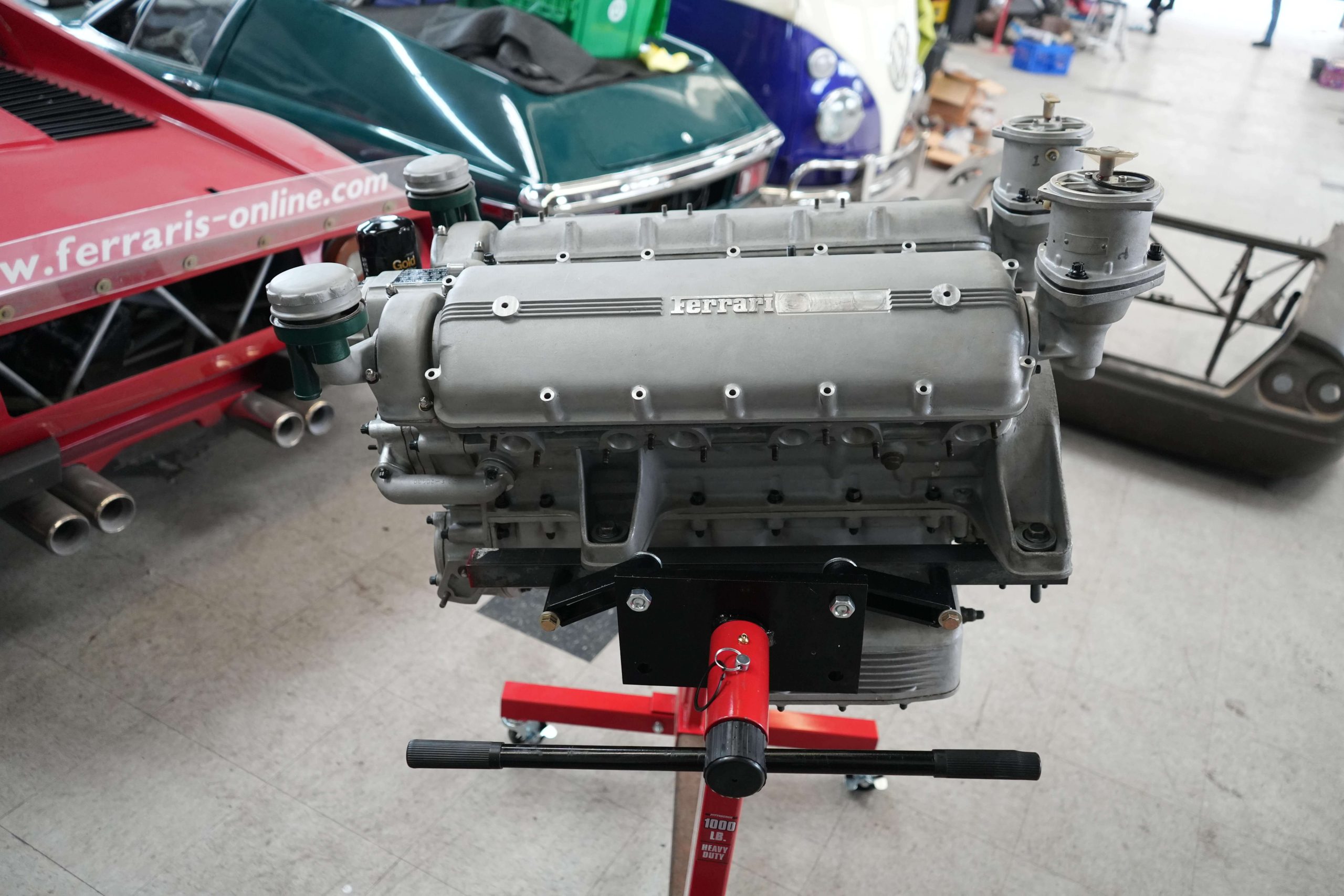
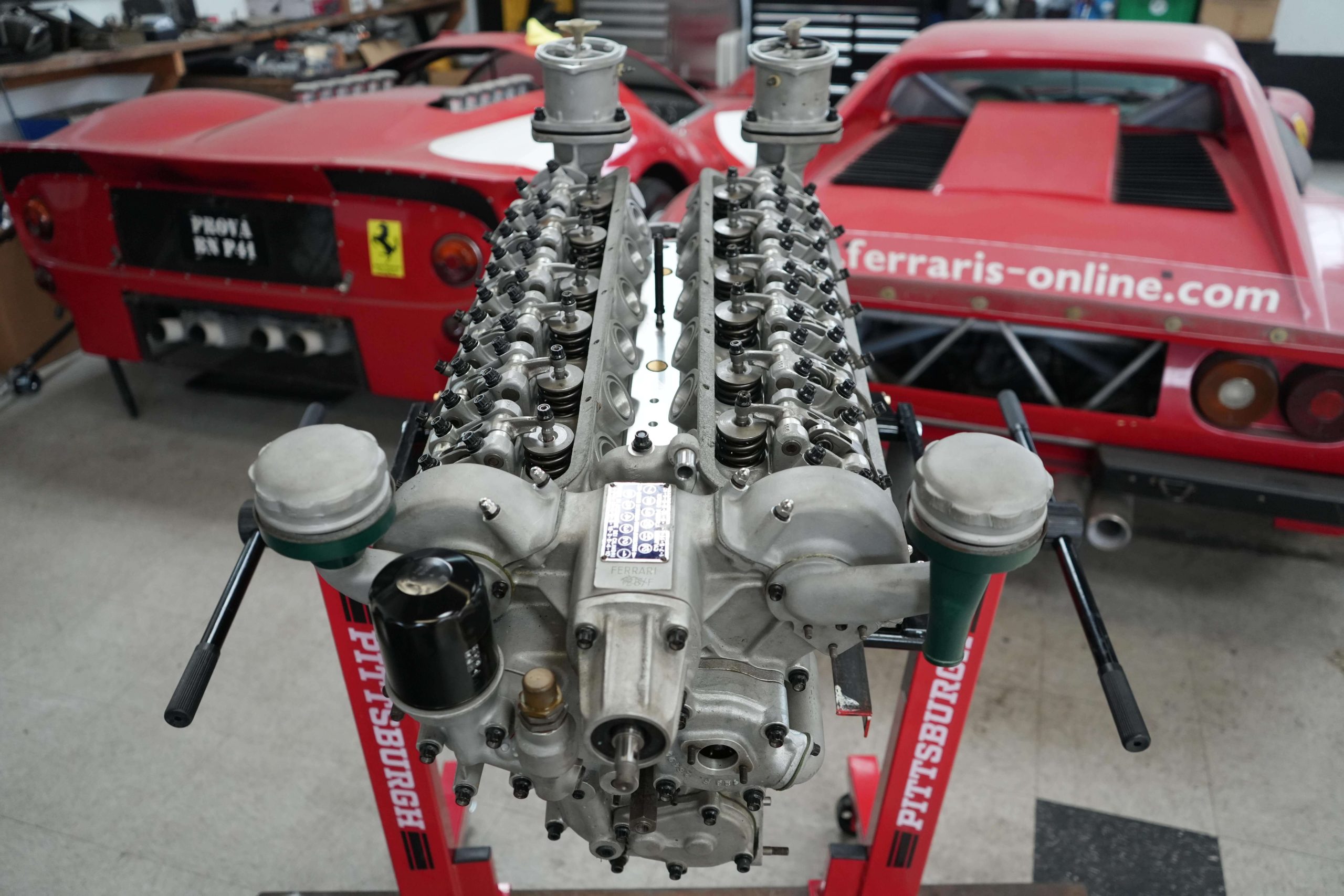
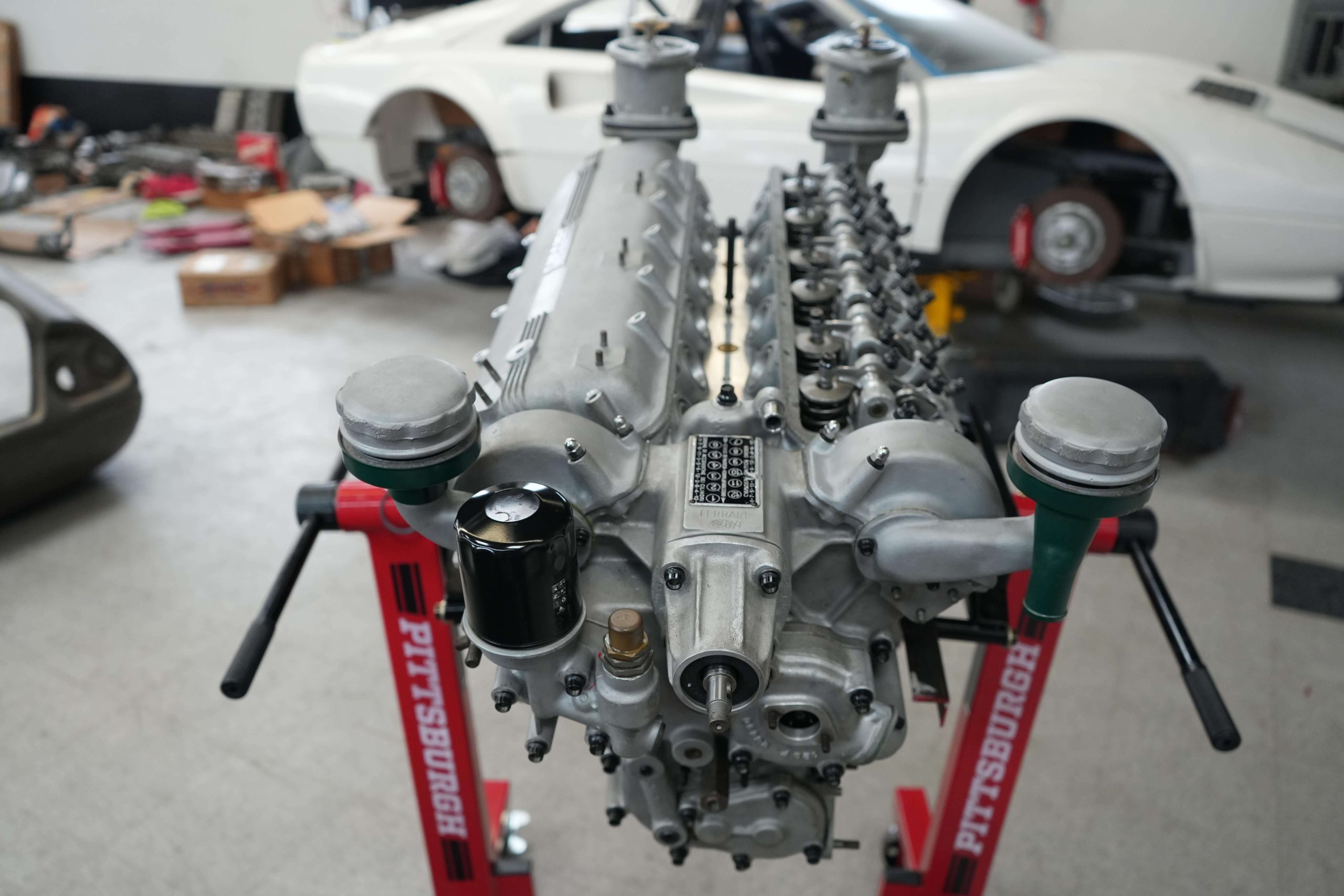
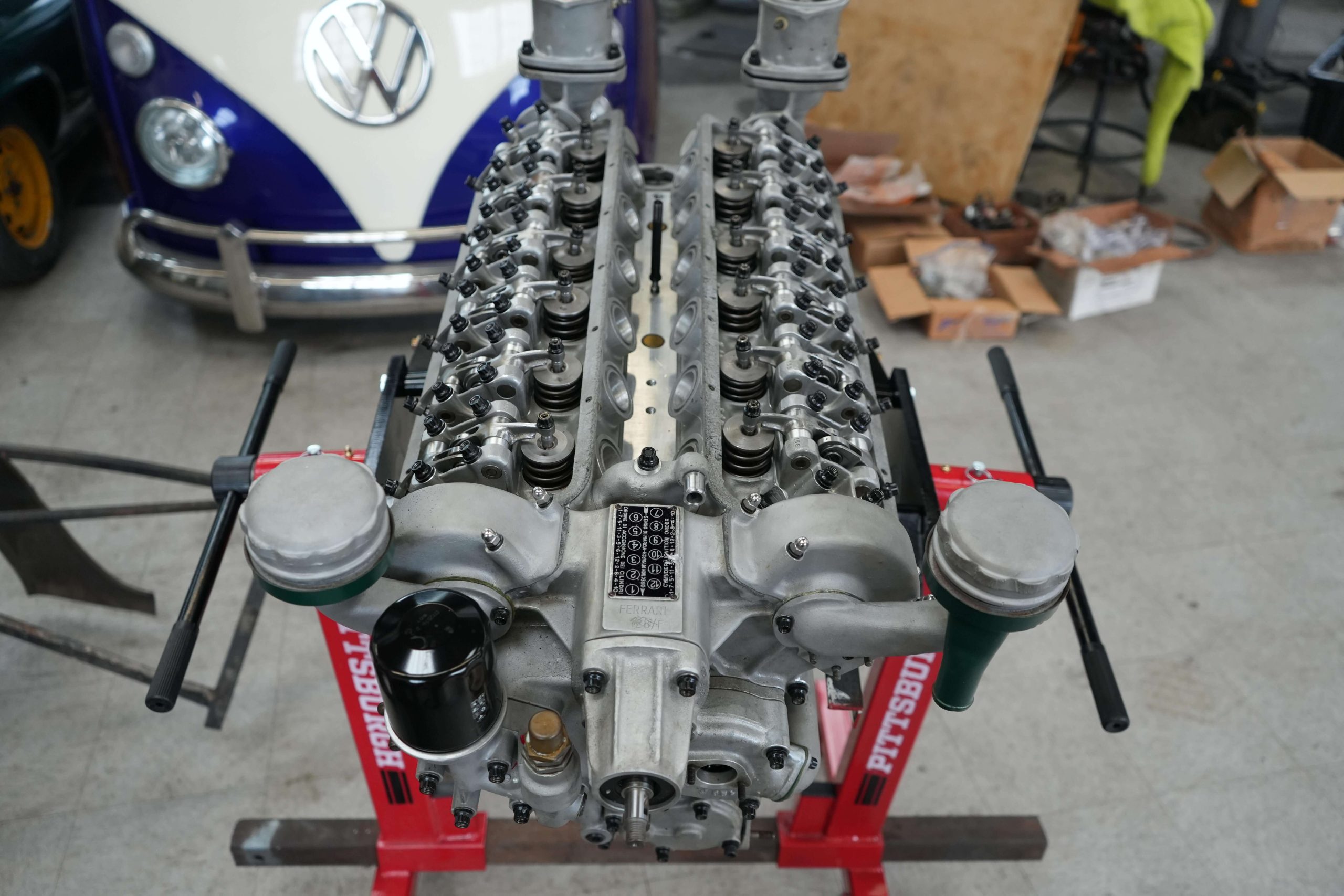
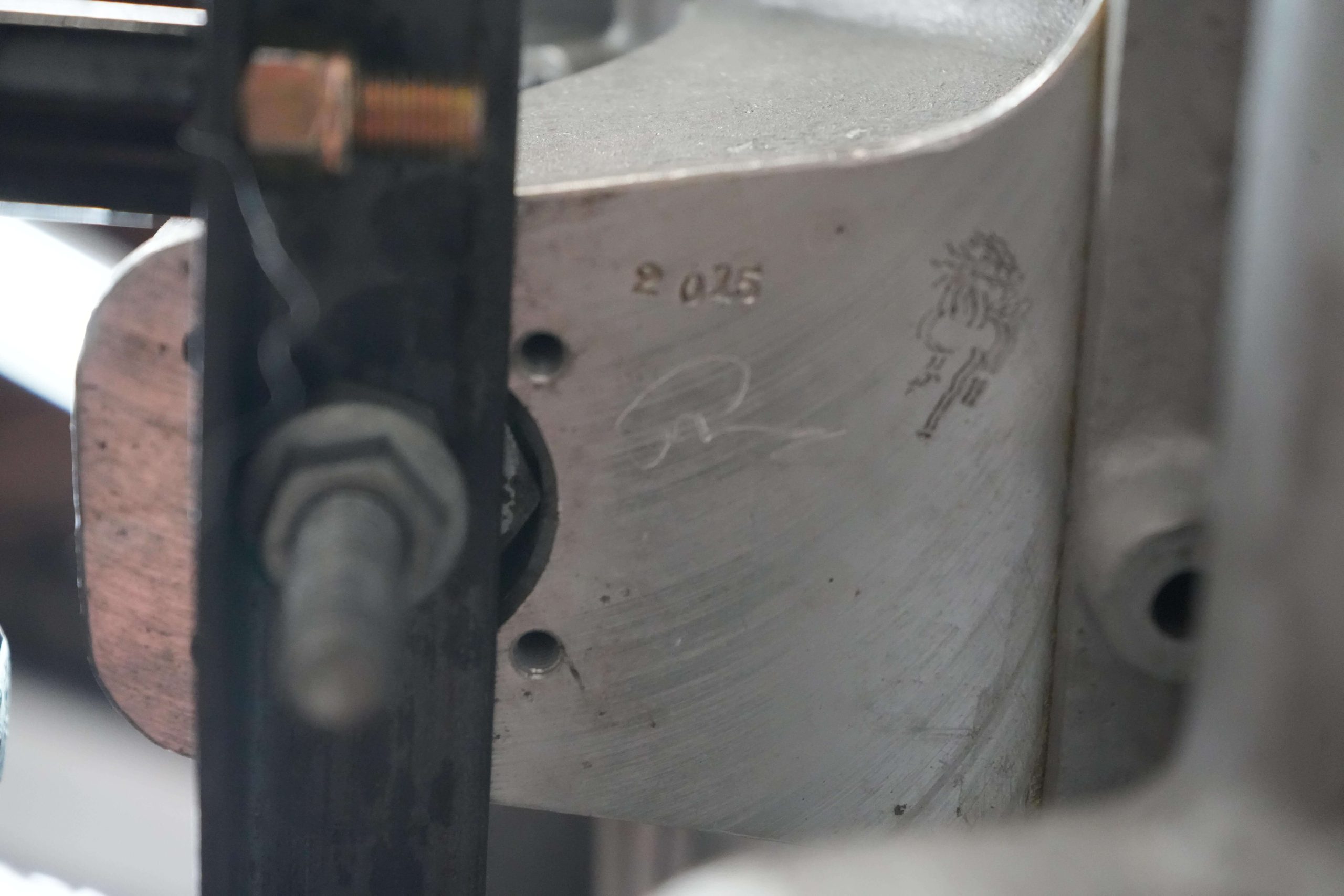
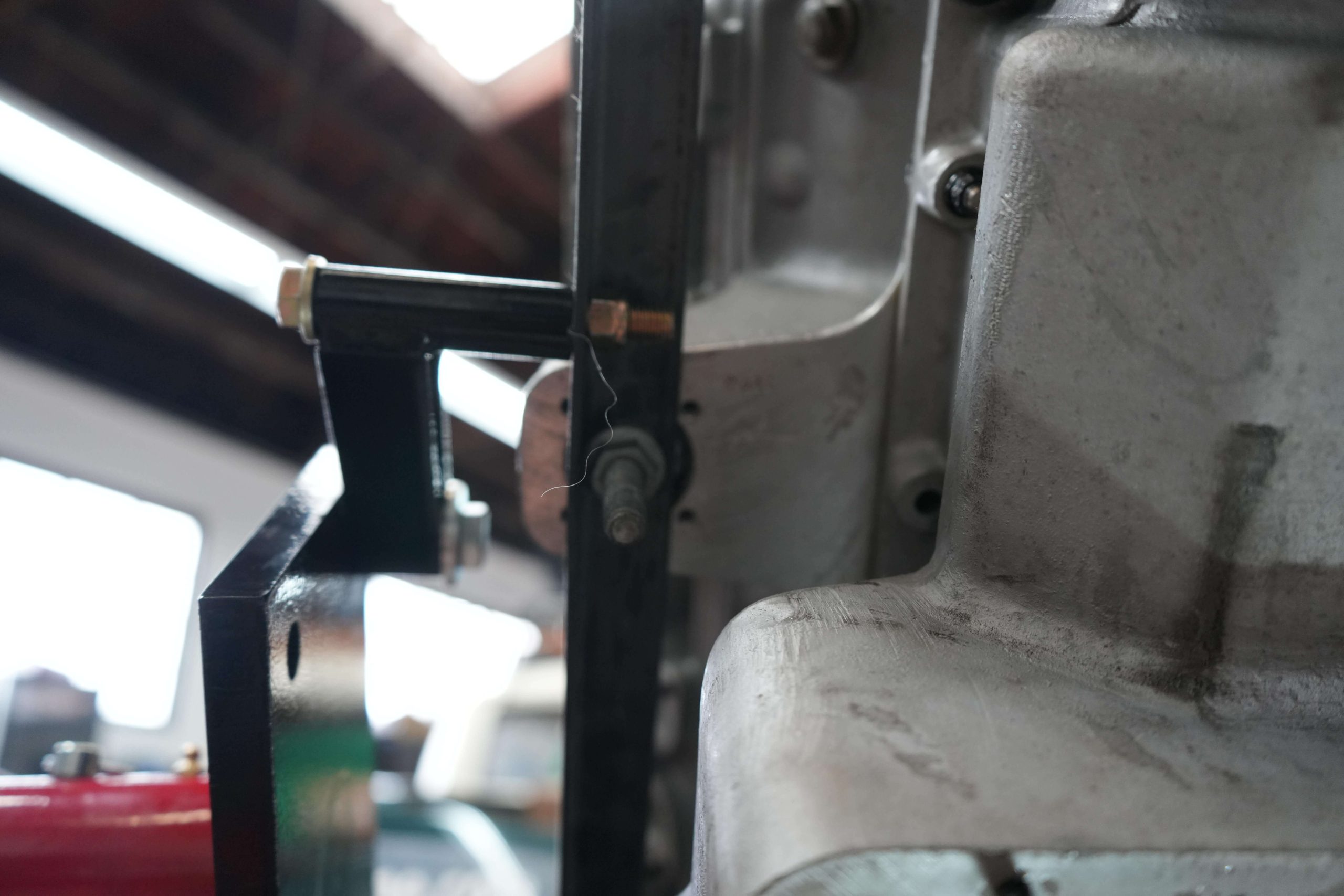
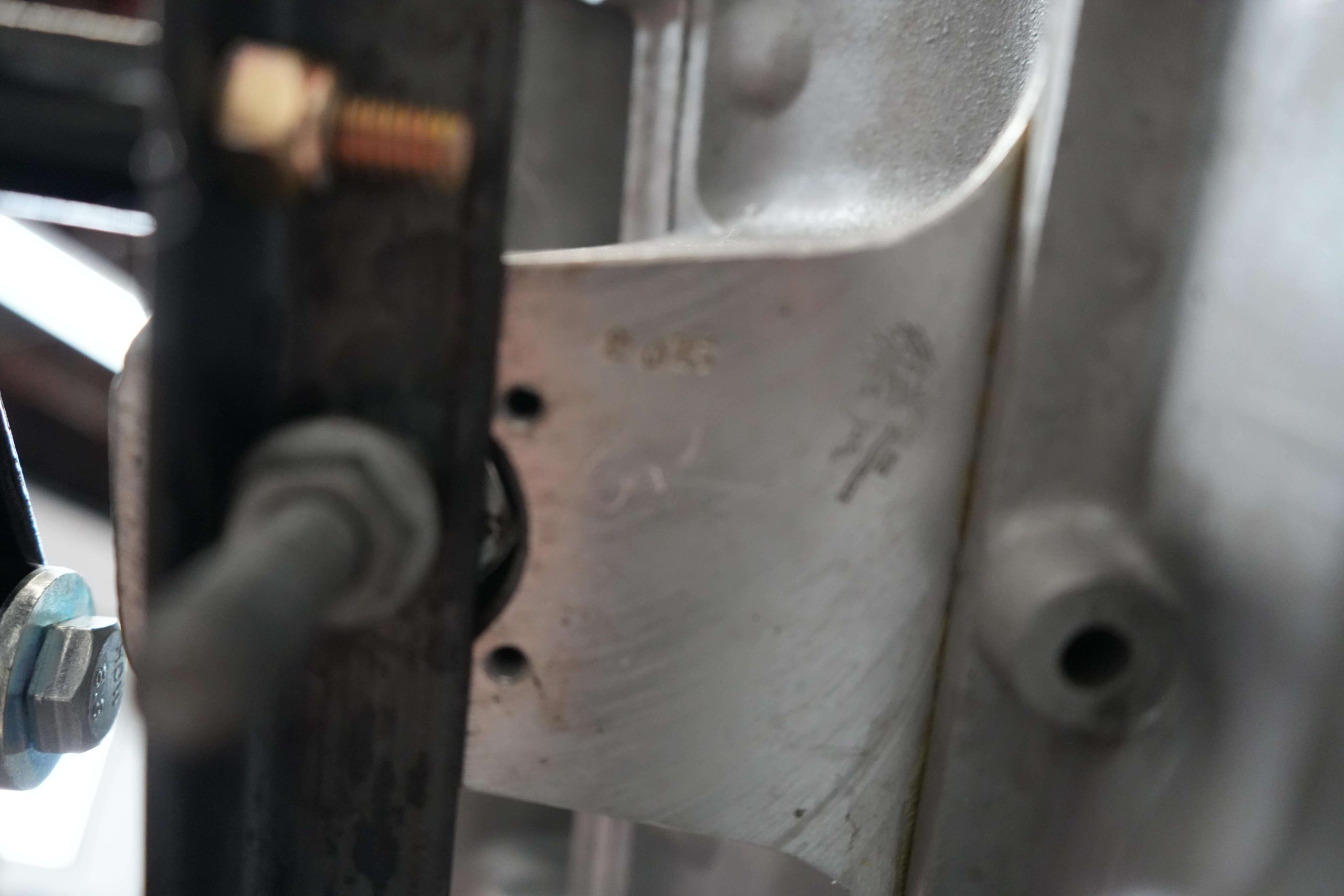
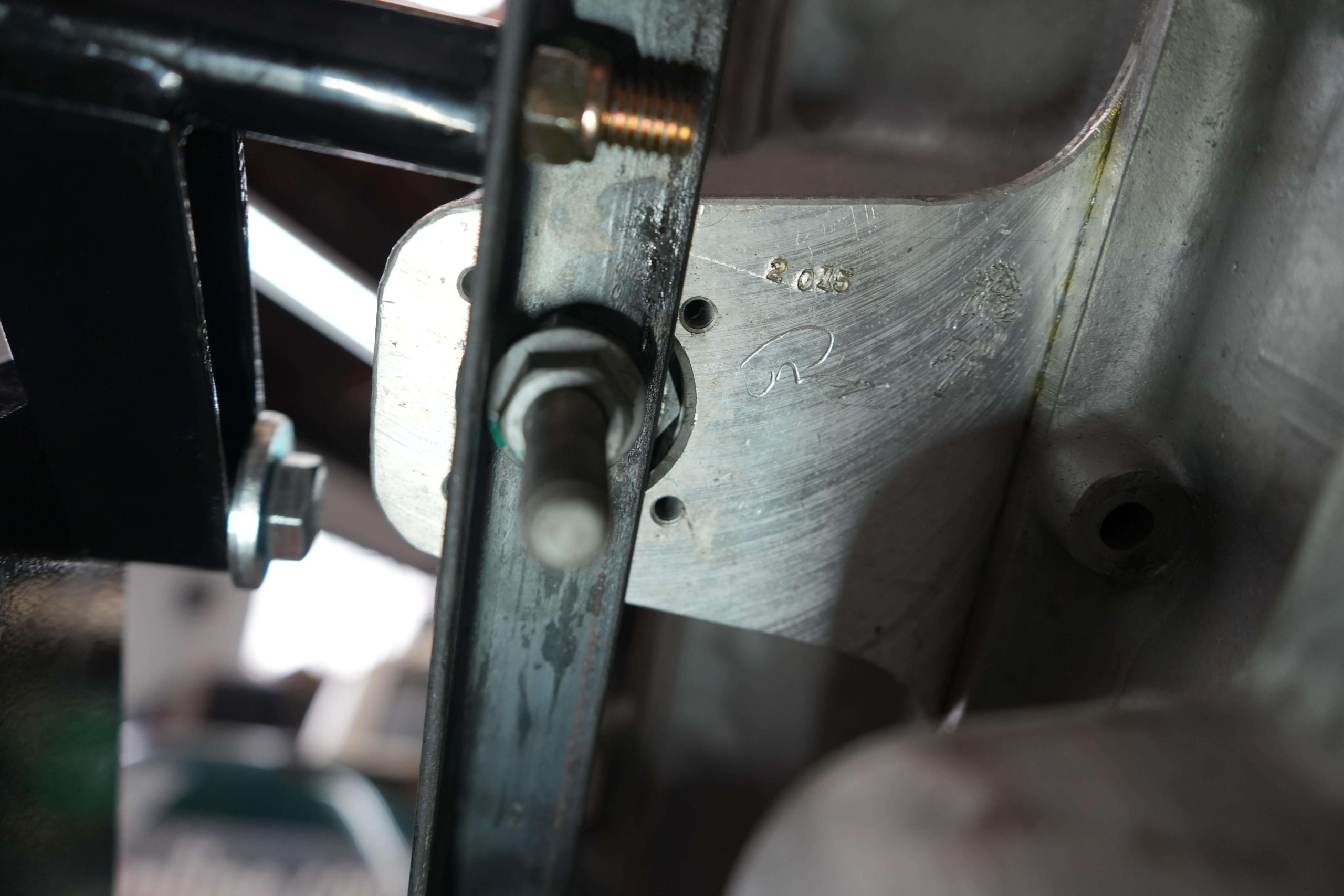
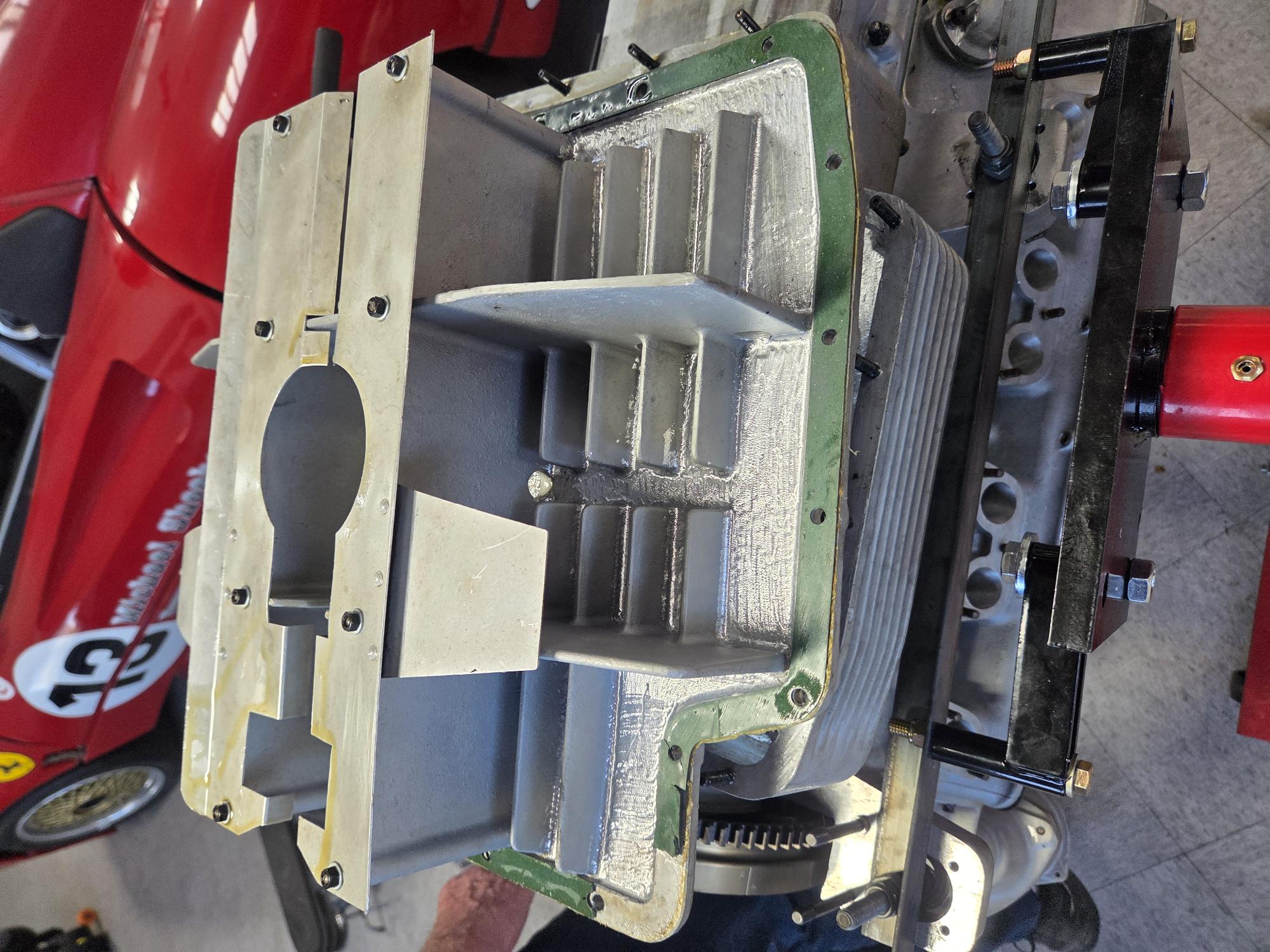
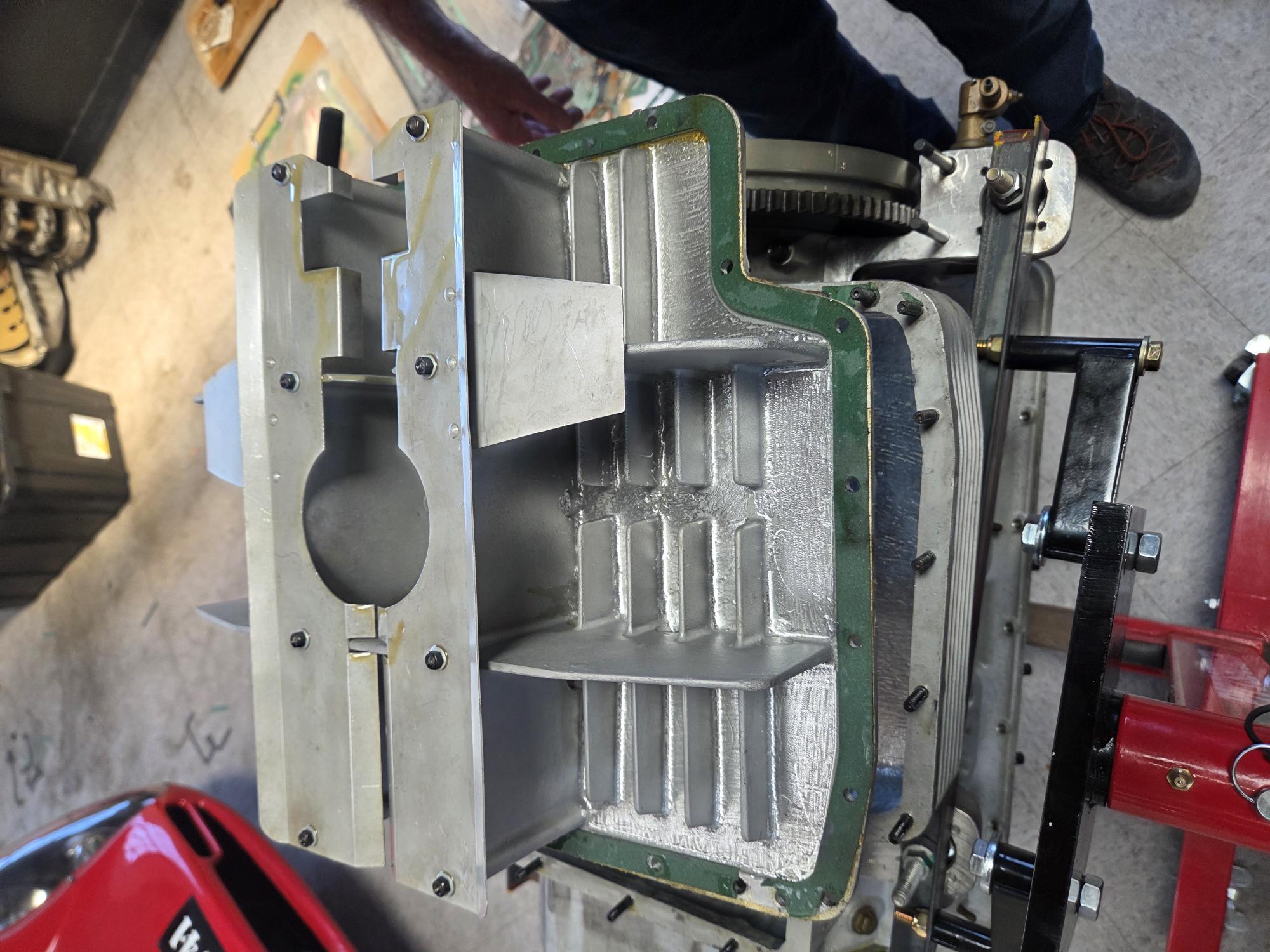
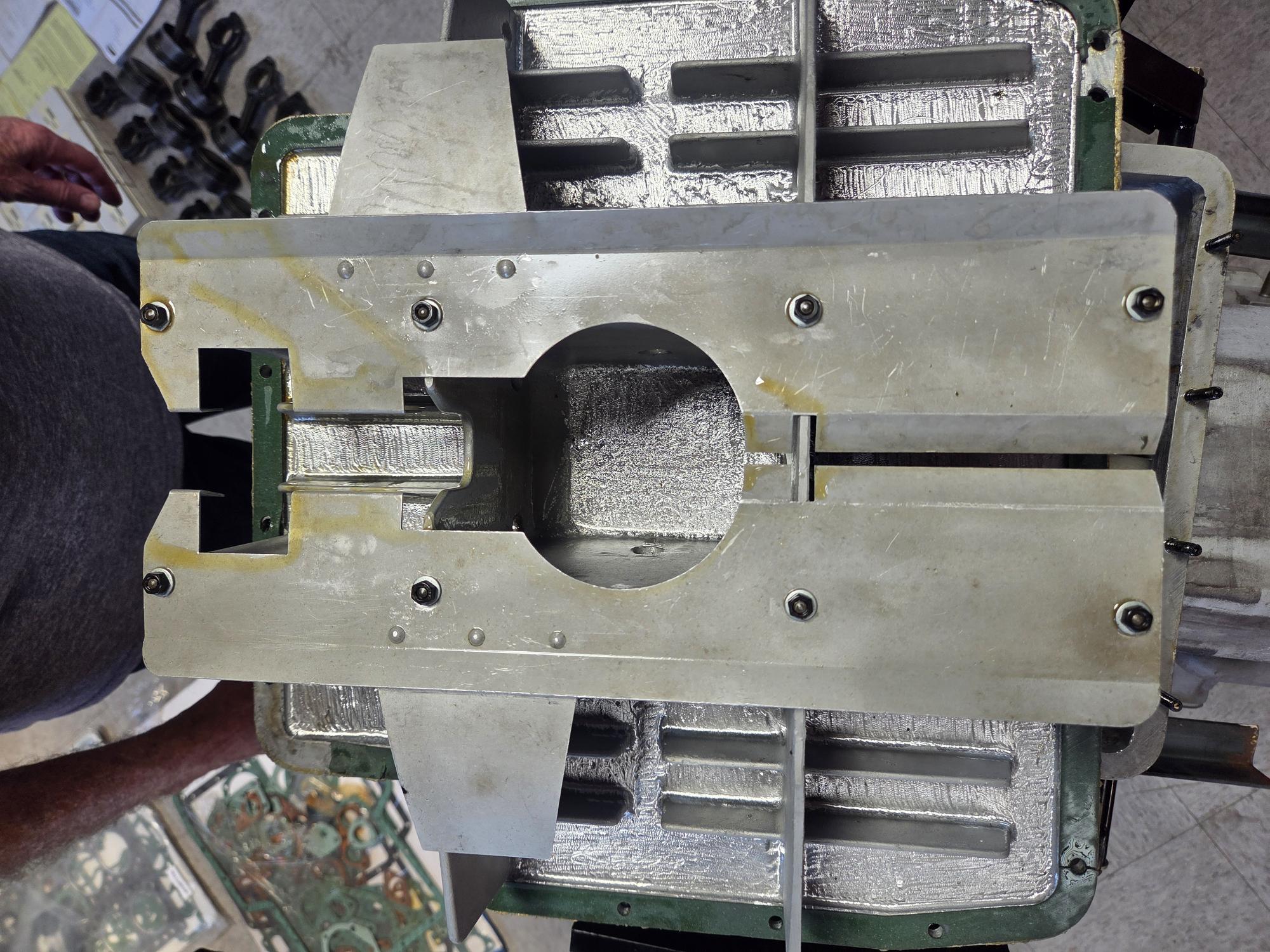
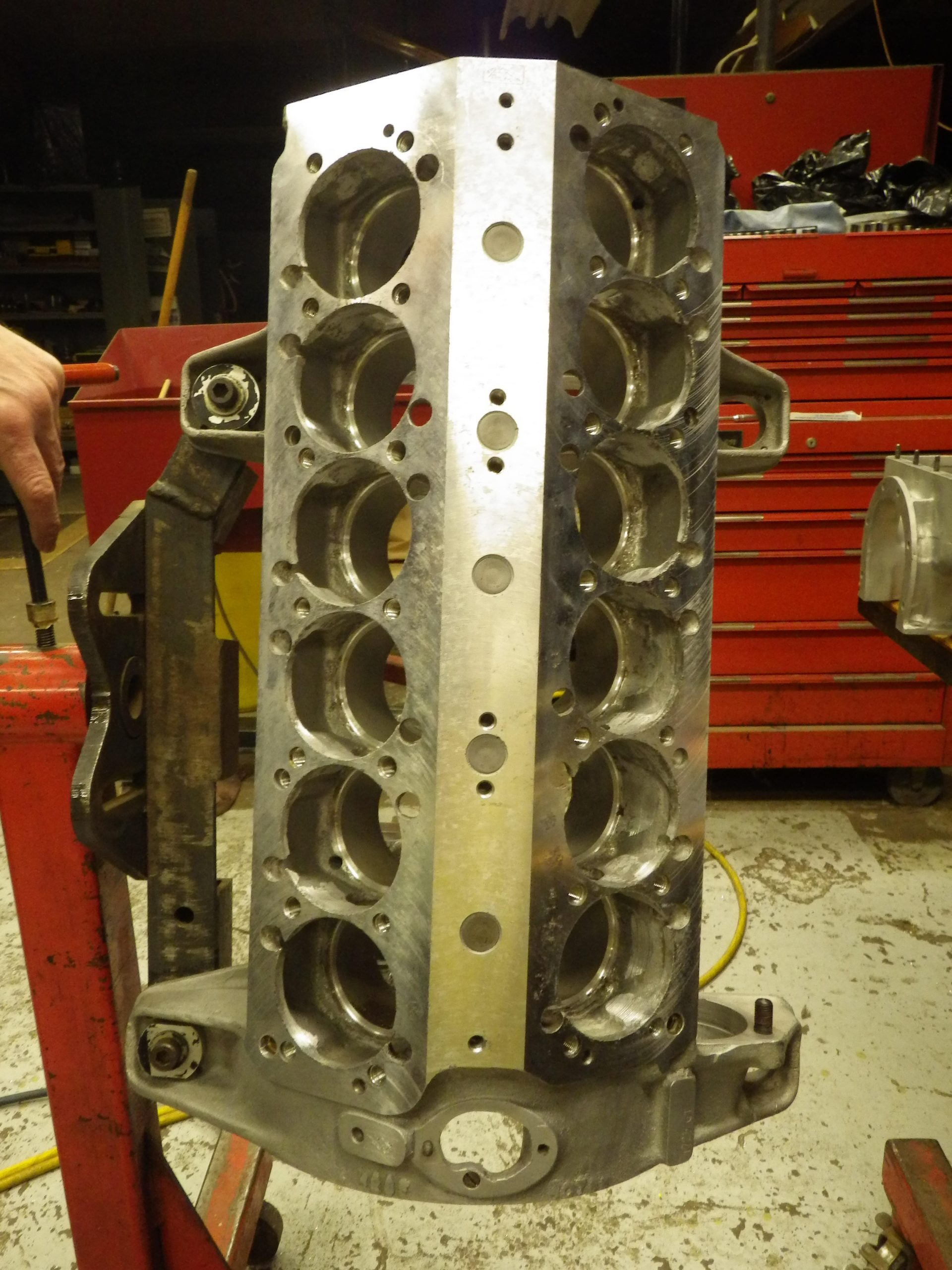
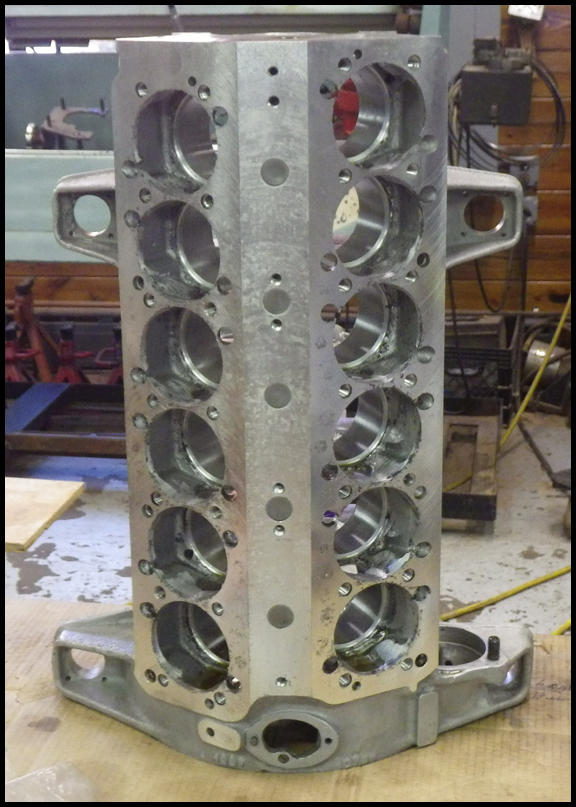
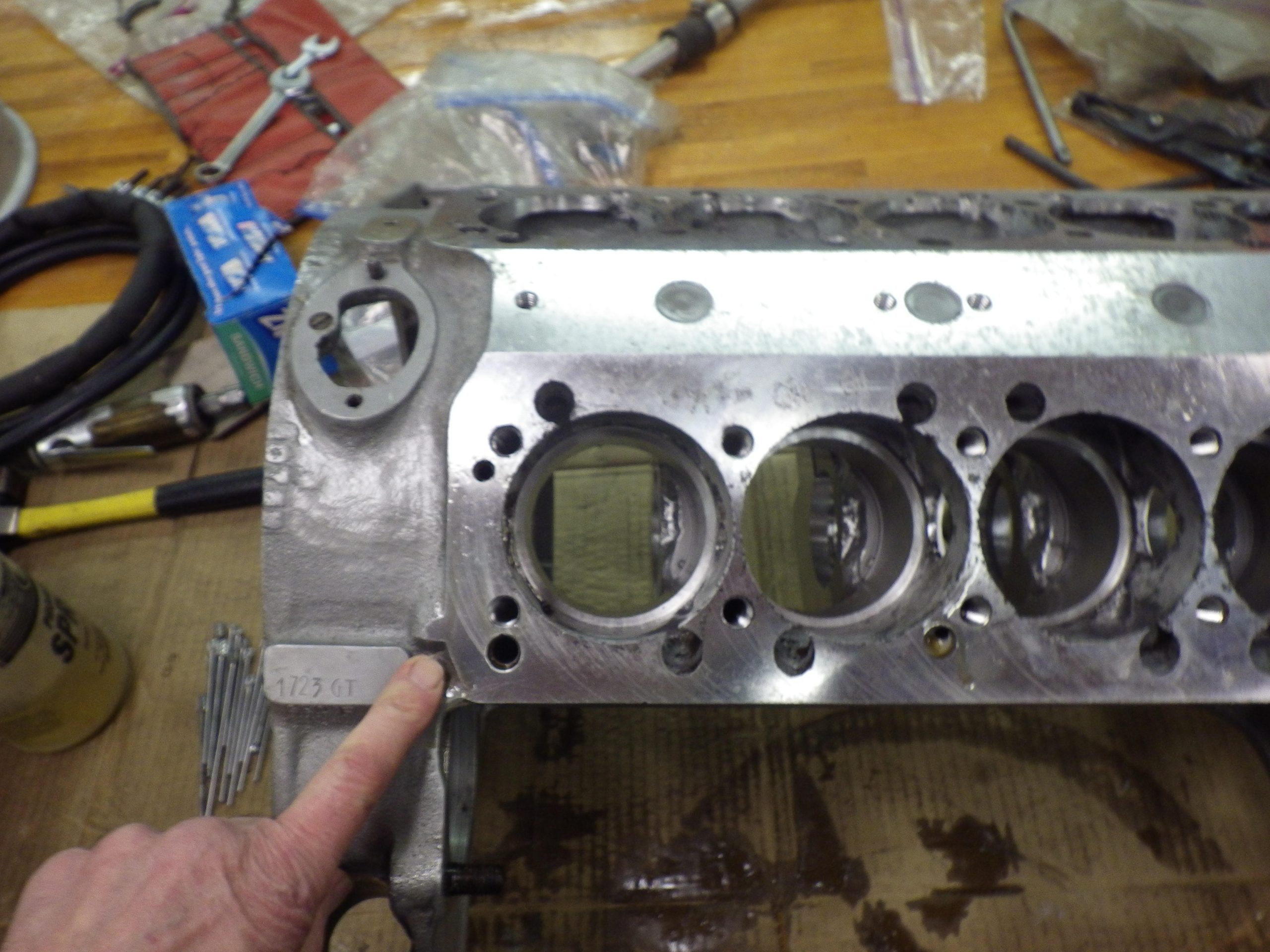
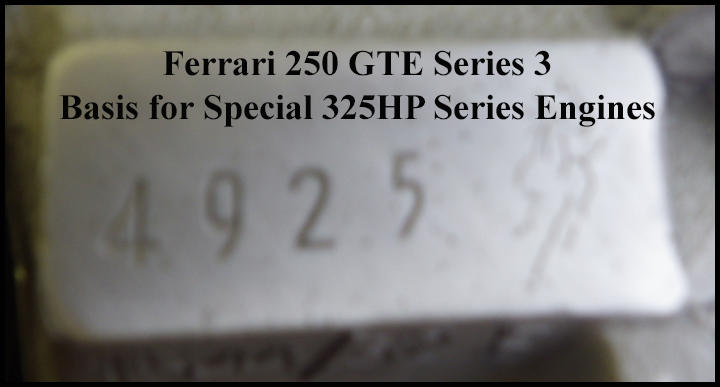
The engine on offer, s/n 4925, is a very late Series III engine, the 13th from the last car-engine built
and we were told is the last of five 250 GTE “Hot Rod” engines built by Dick DeBiasse. It has “0”
hours and has never been fired since being assembled. Engine # 4925 is complete from the top
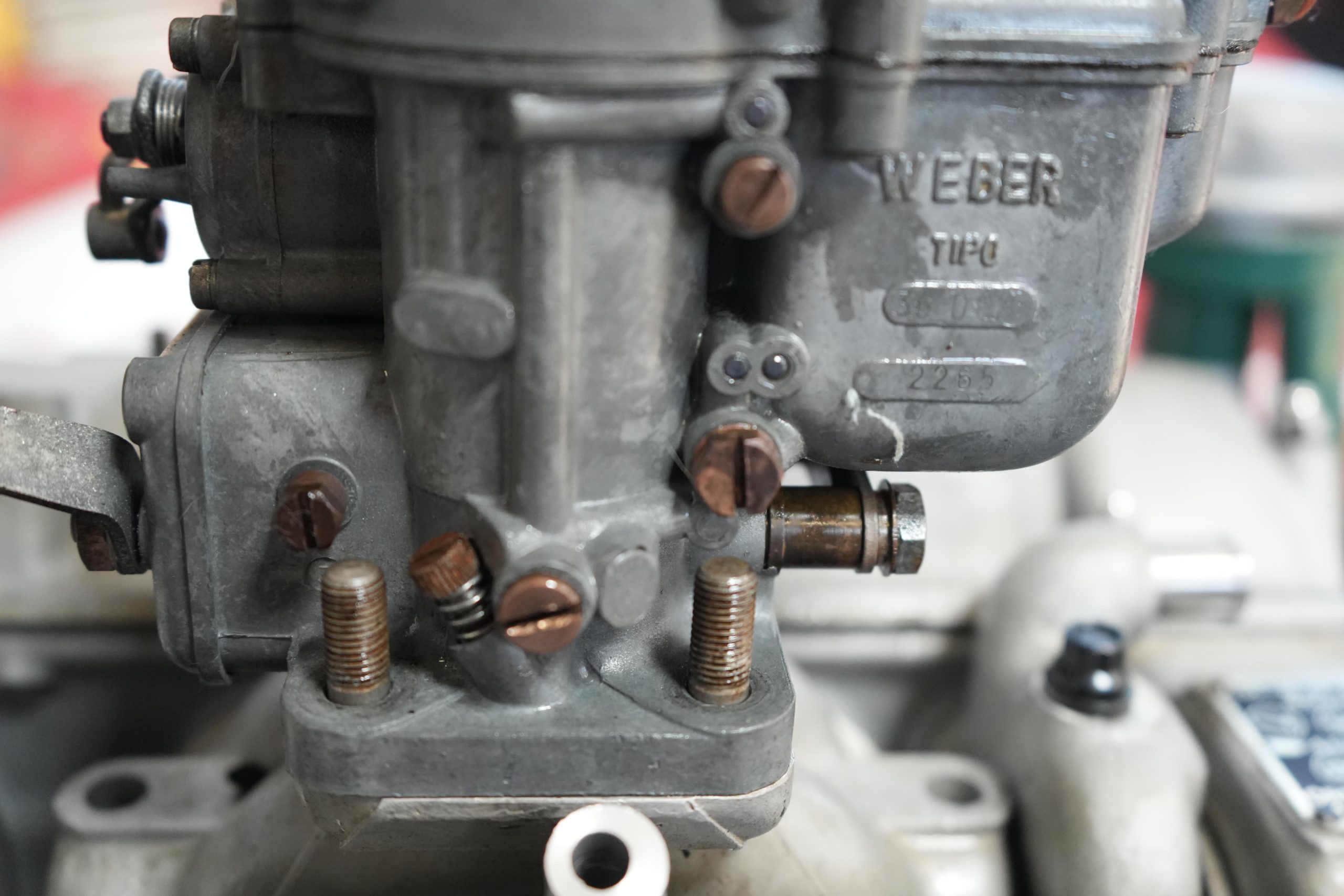
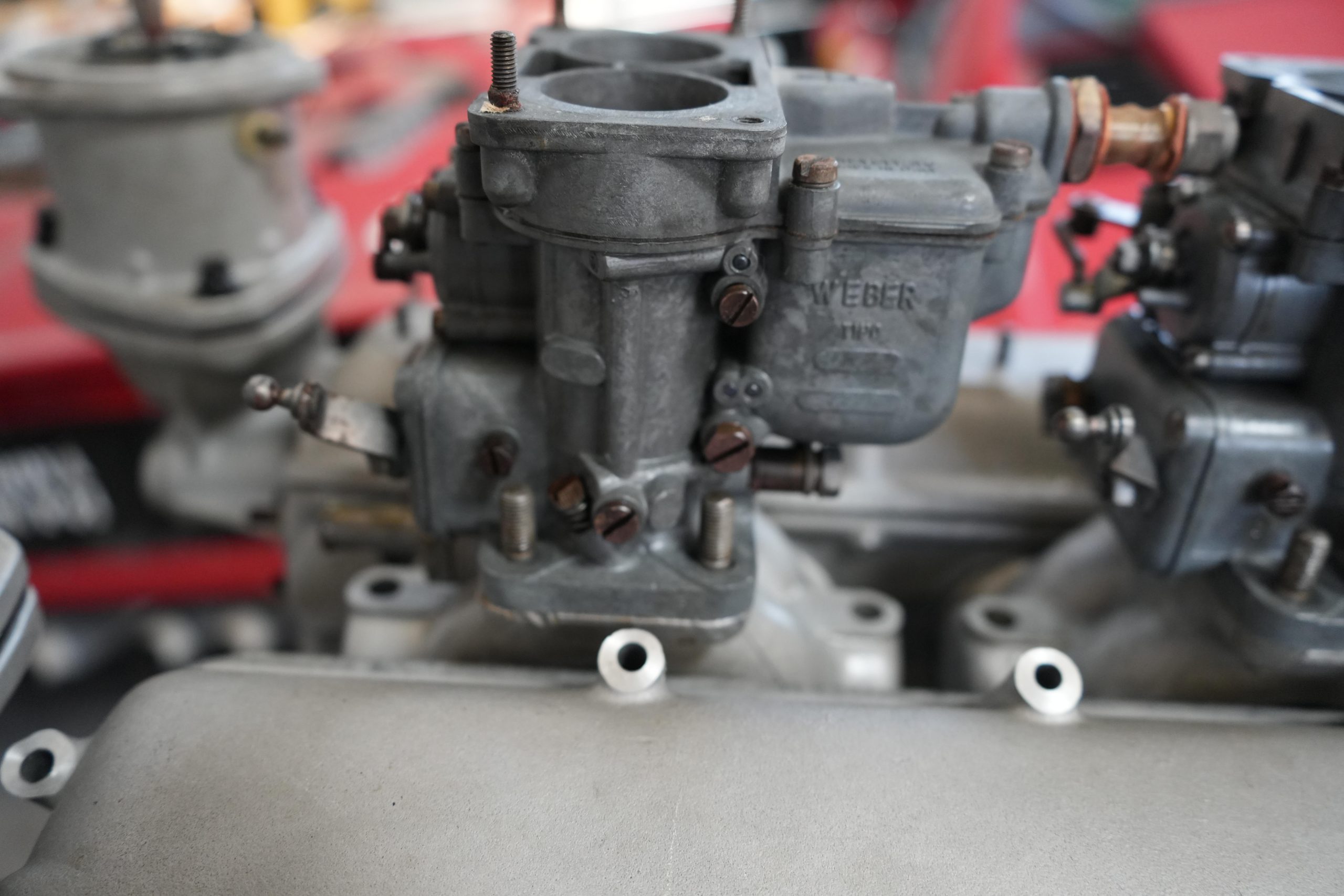
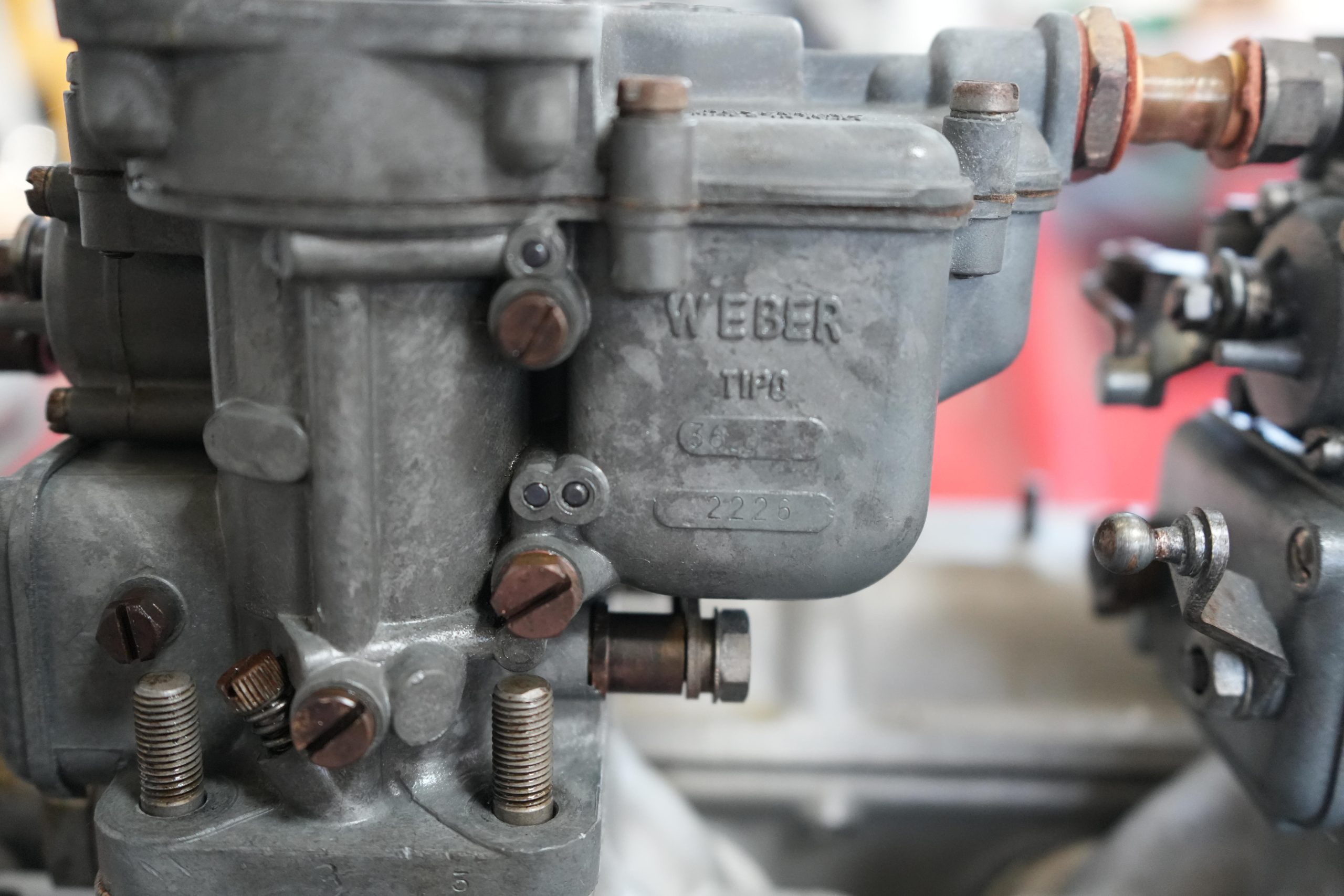
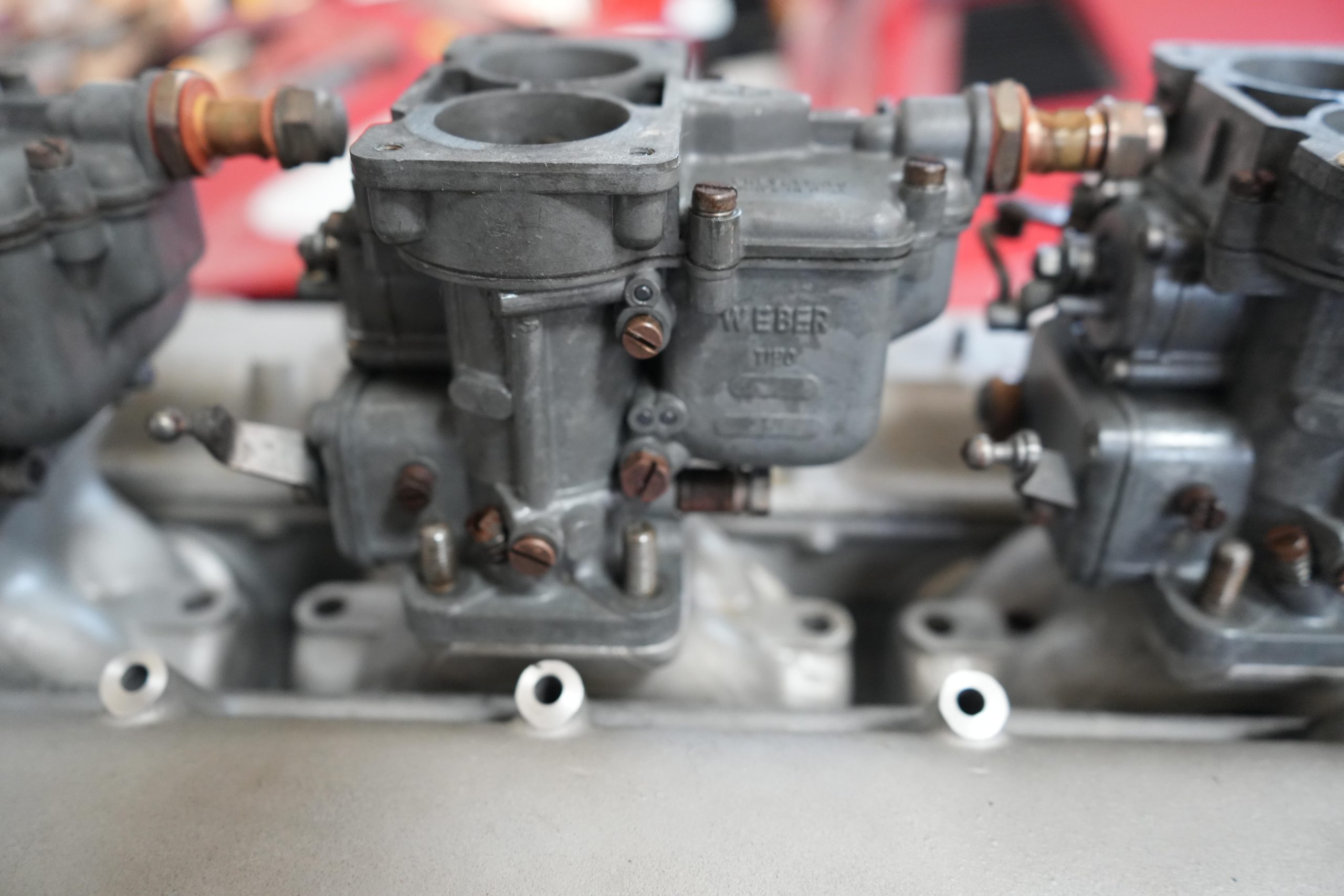
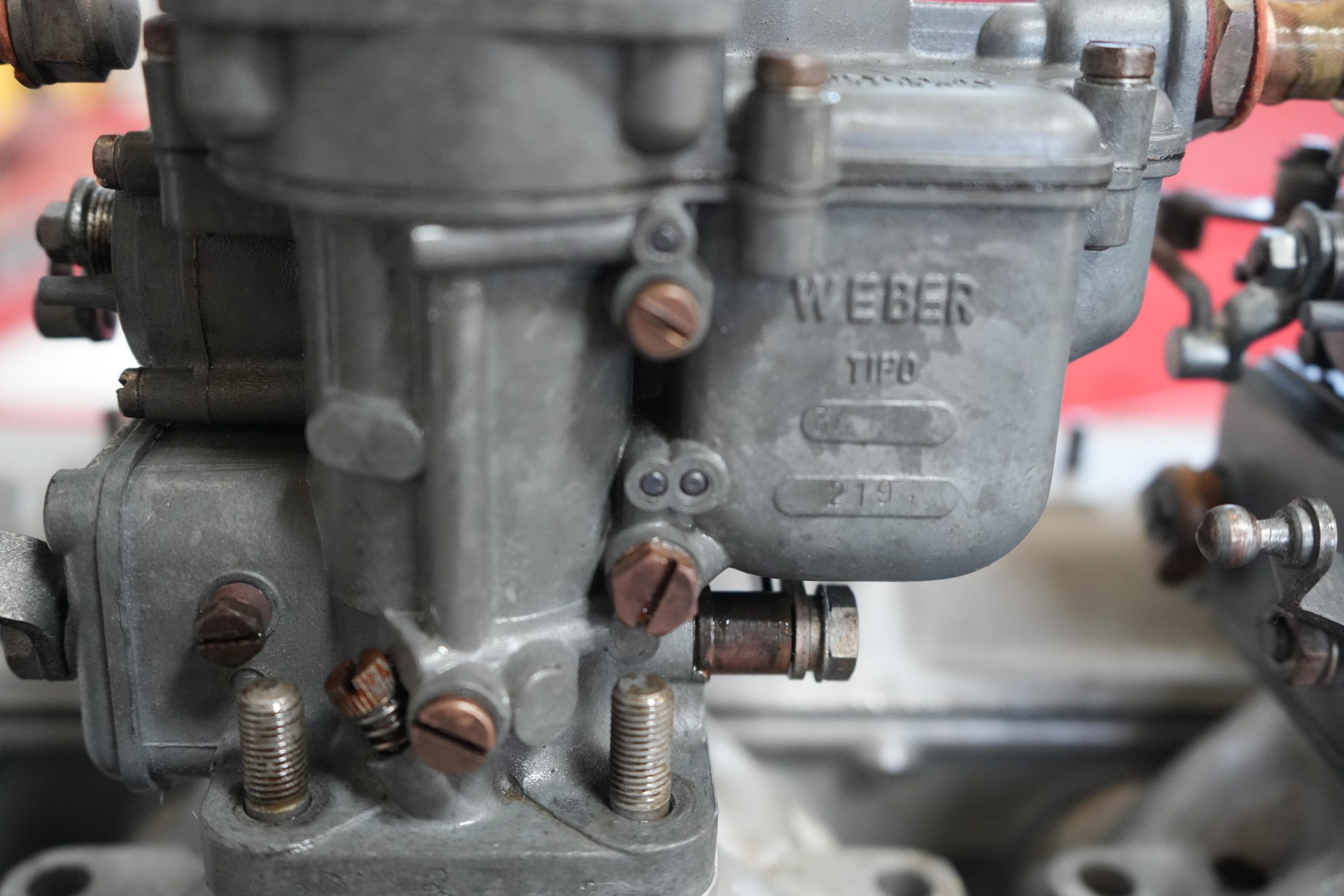
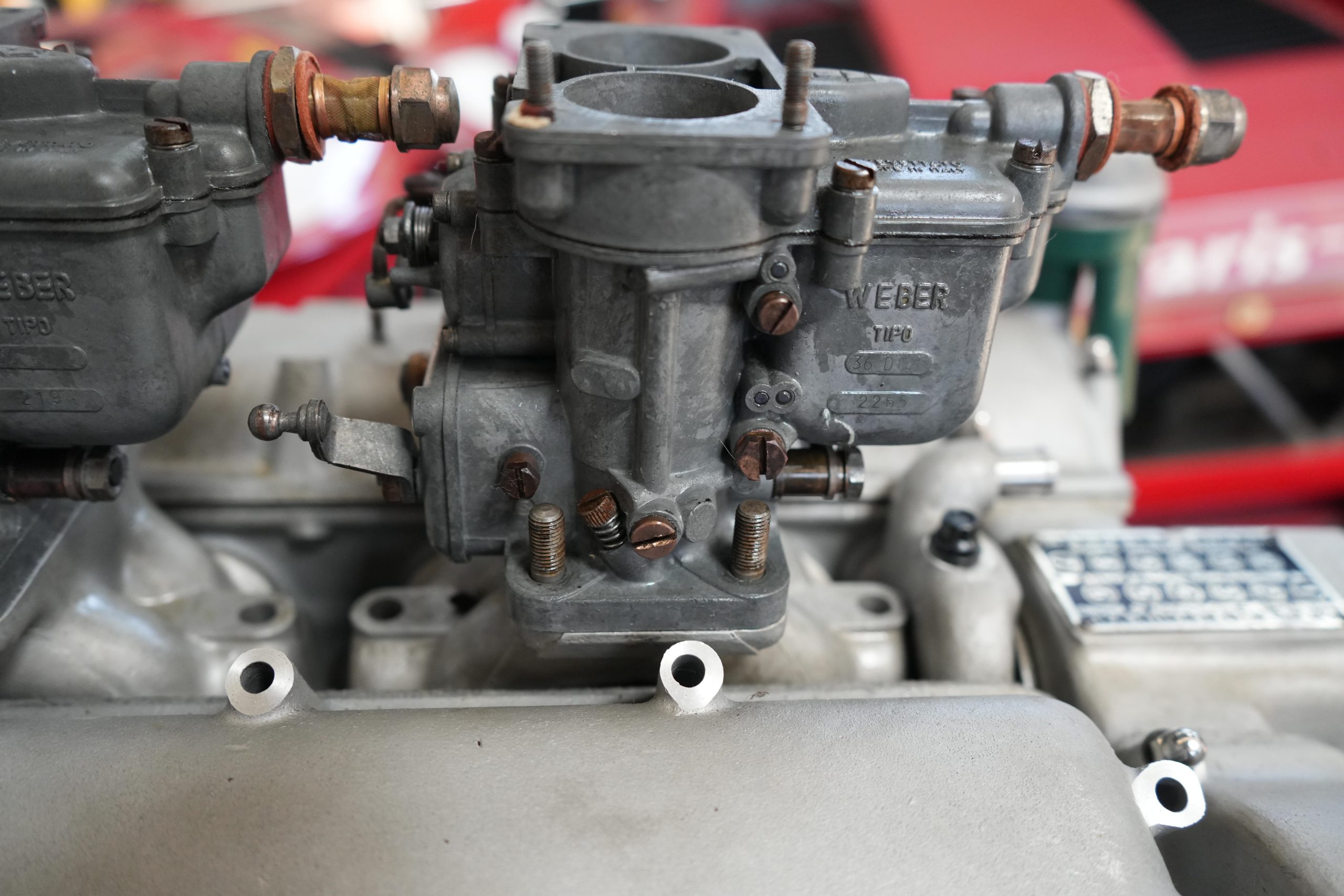
down and comes with the original air cleaner, three rebuilt Weber 36 DCS carbs, intake manifolds,
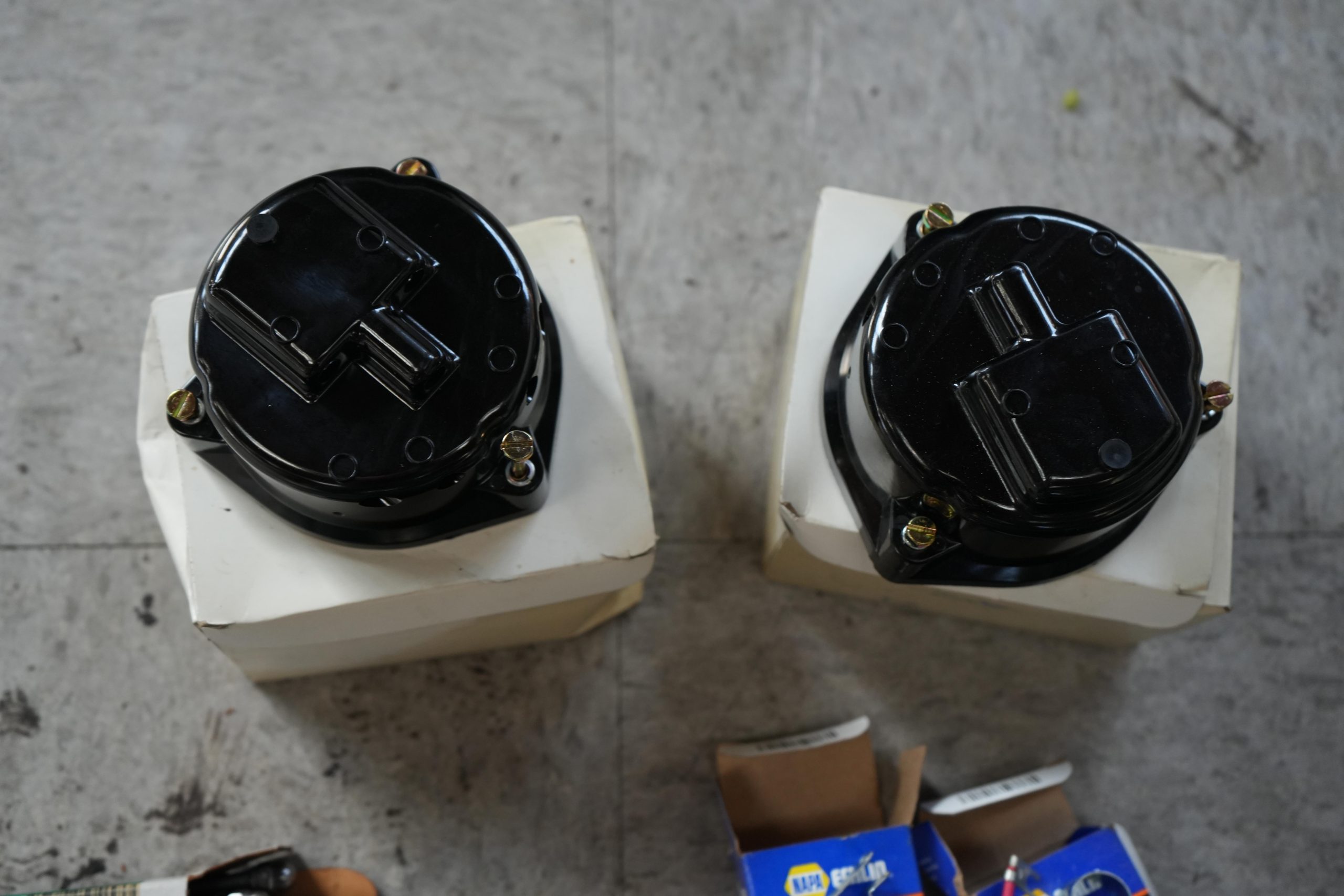
carb linkage, a chromed fuel rail and both rebuilt distributors with new Magnetti Marelli distributor
caps.
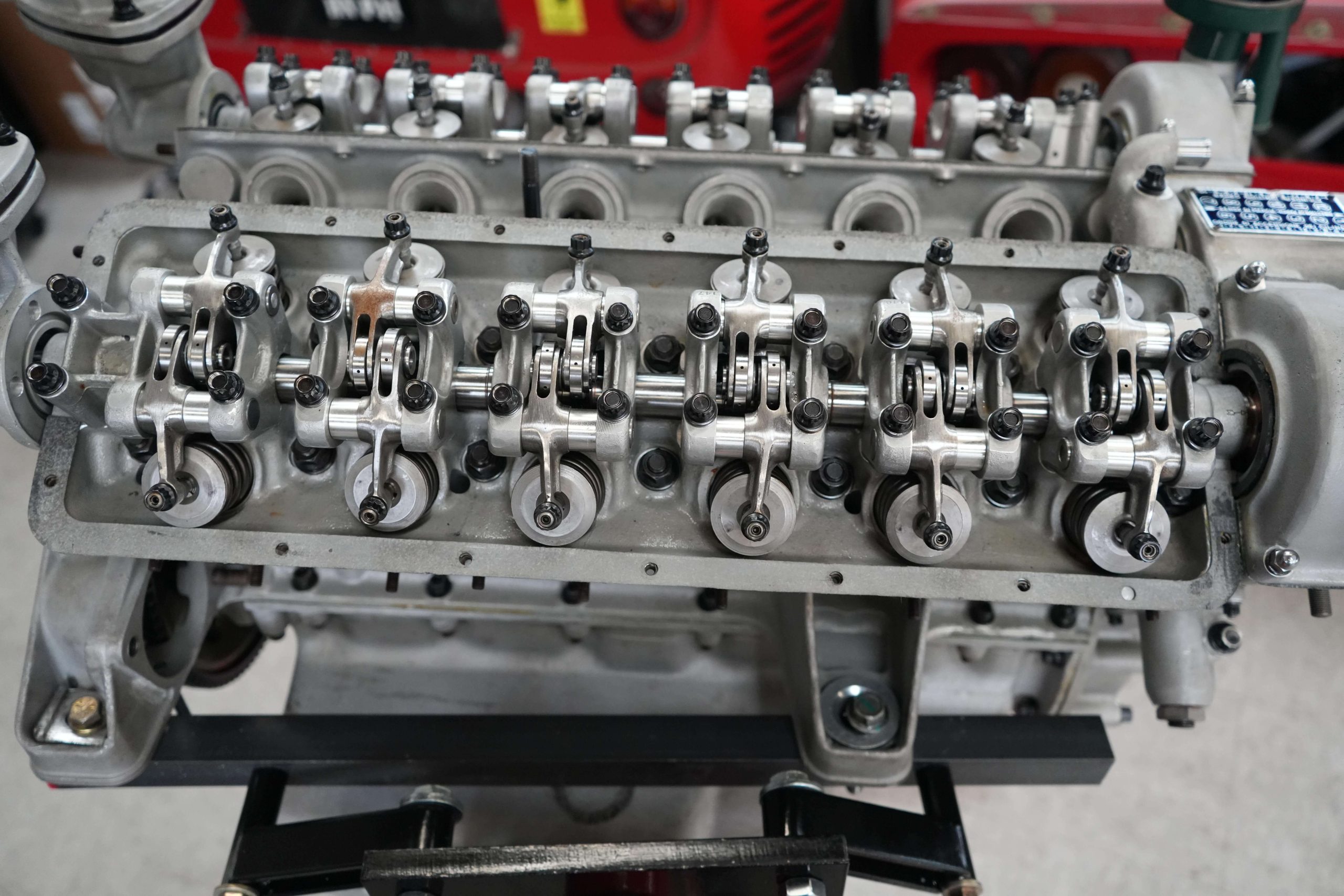
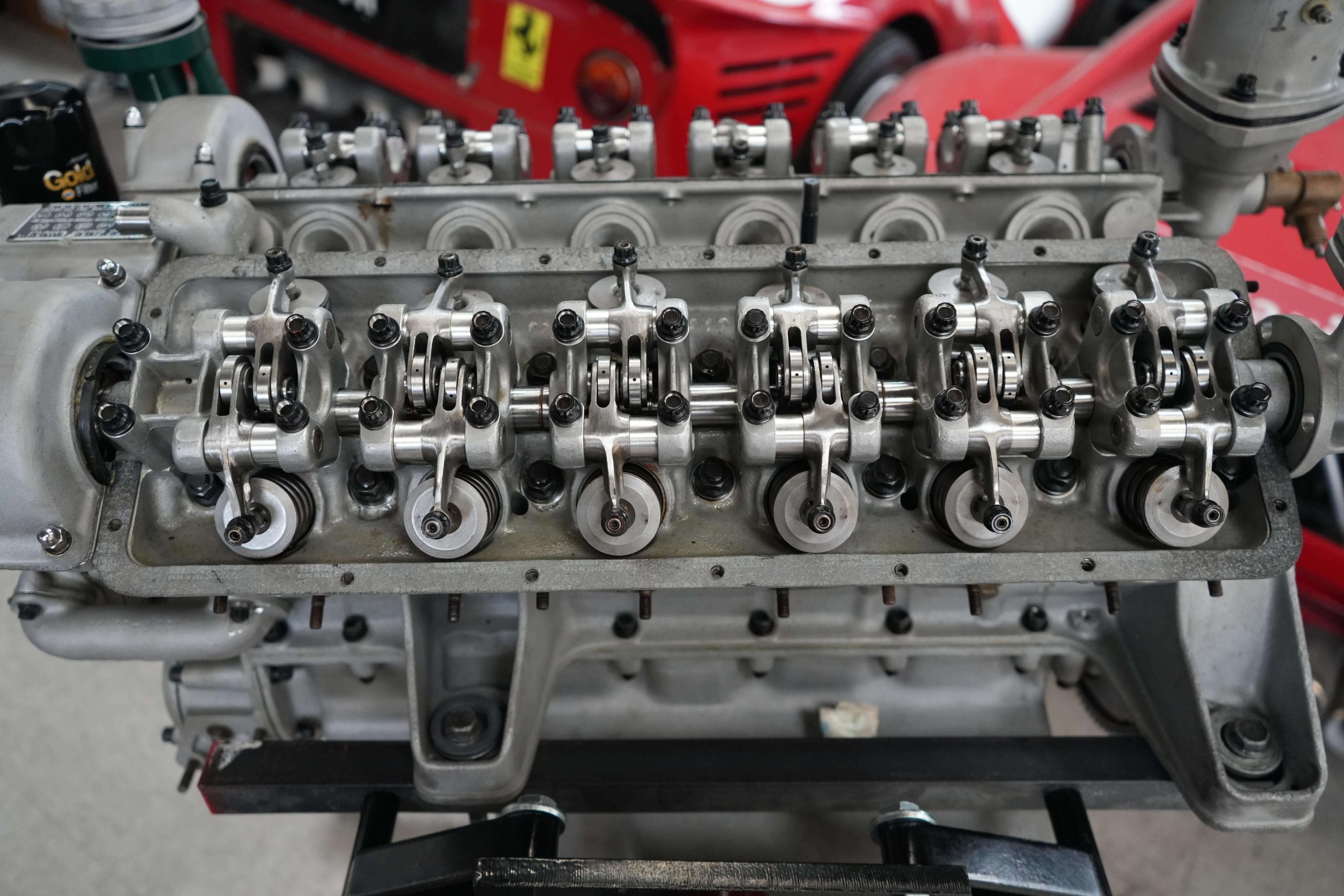
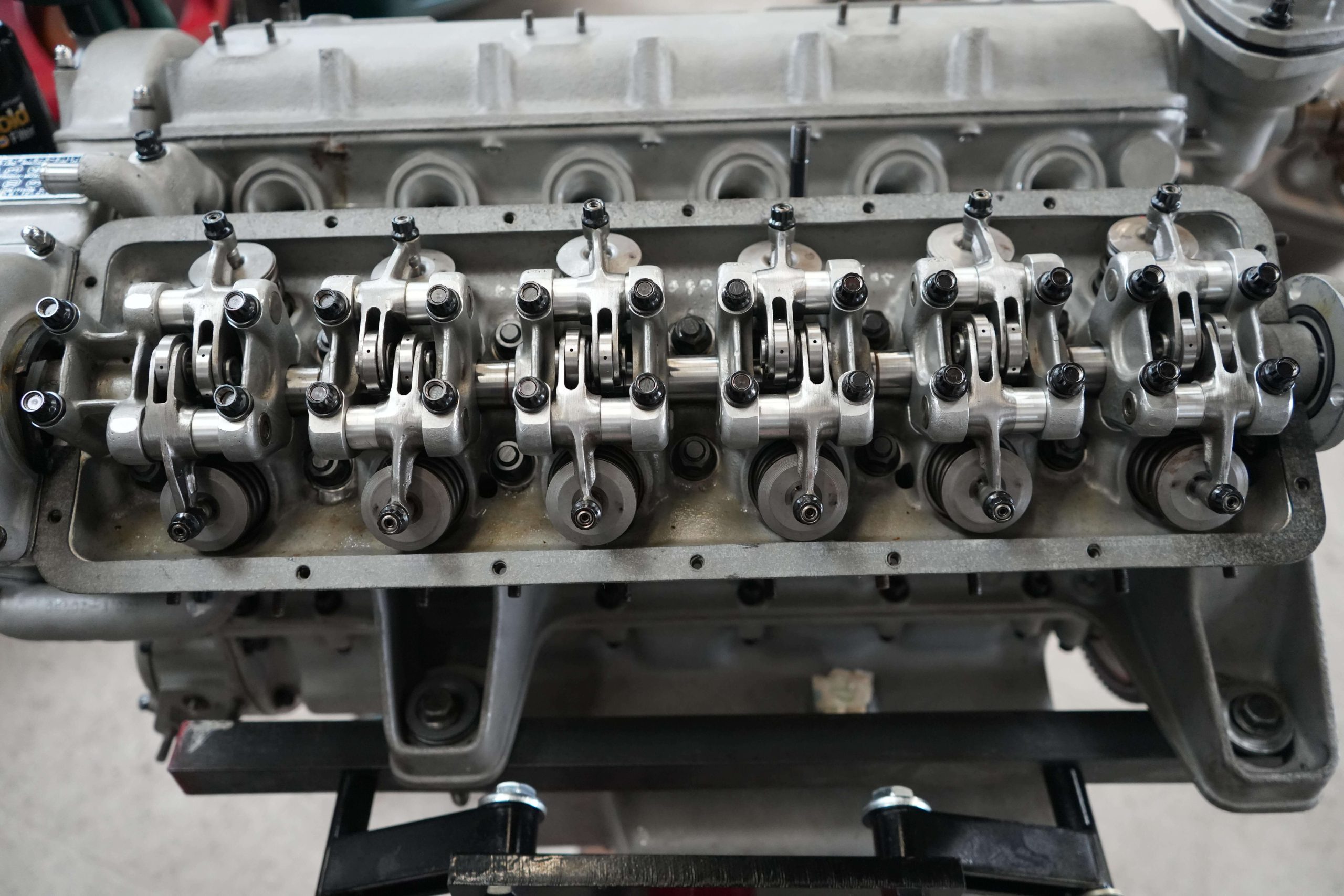
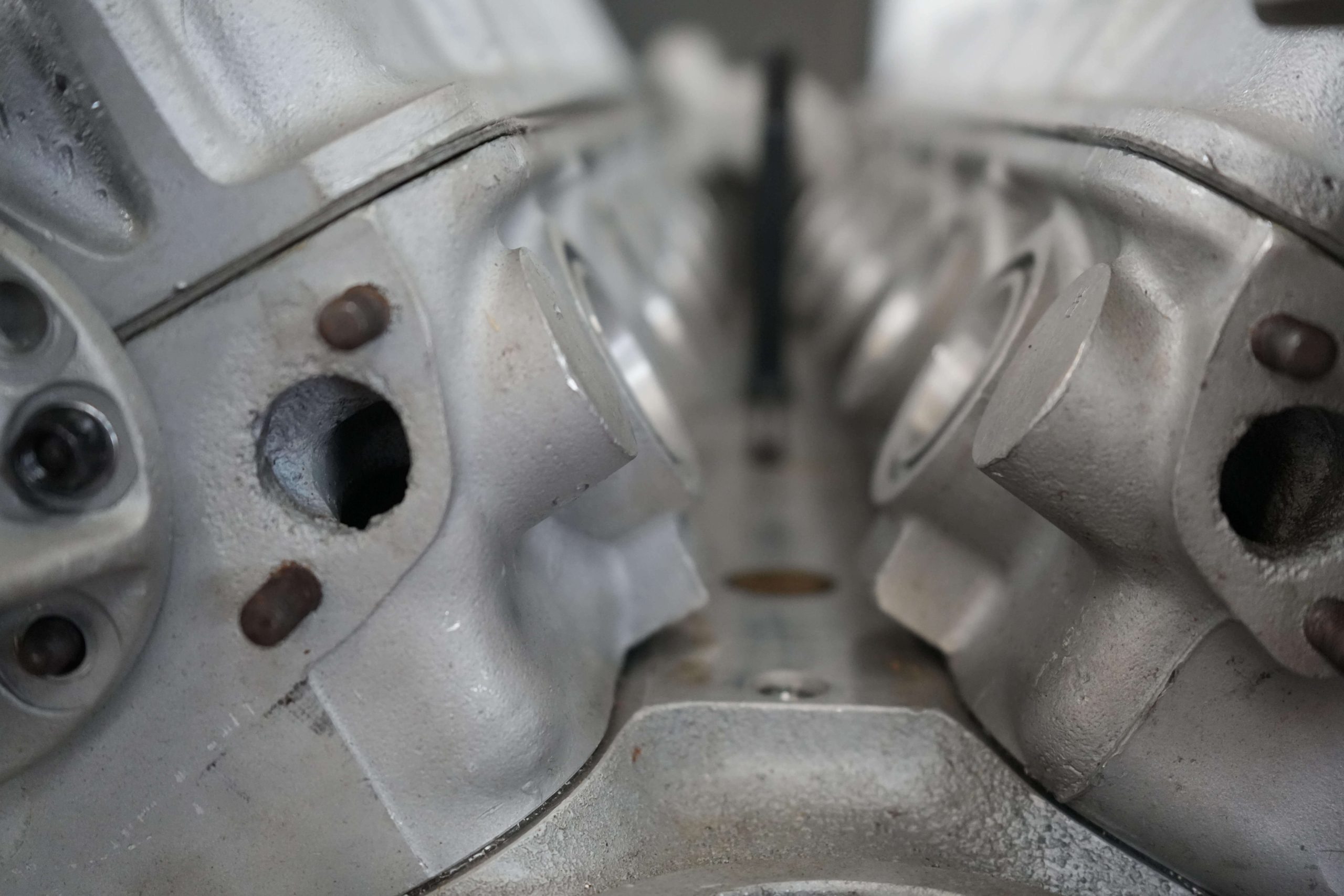
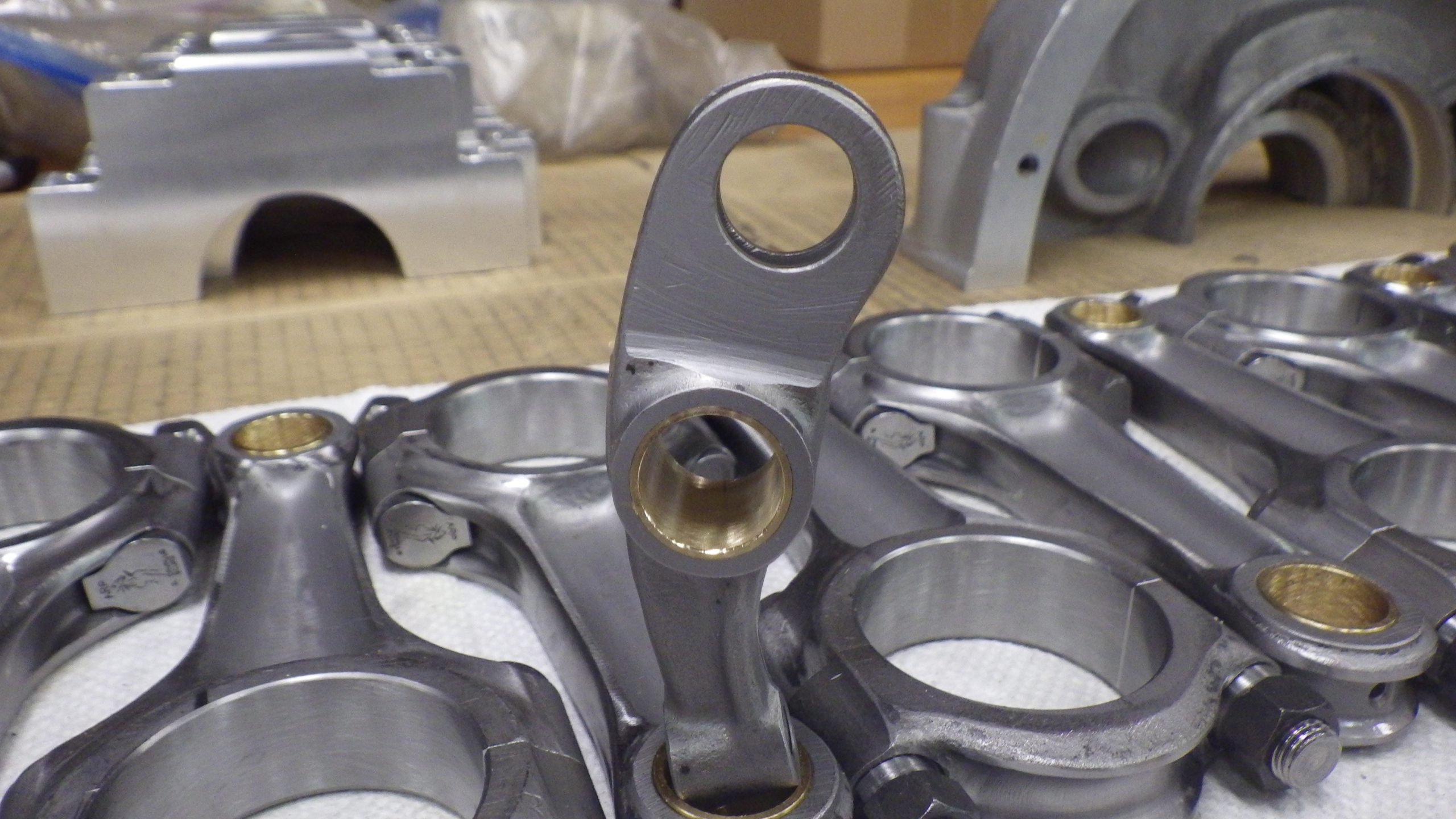
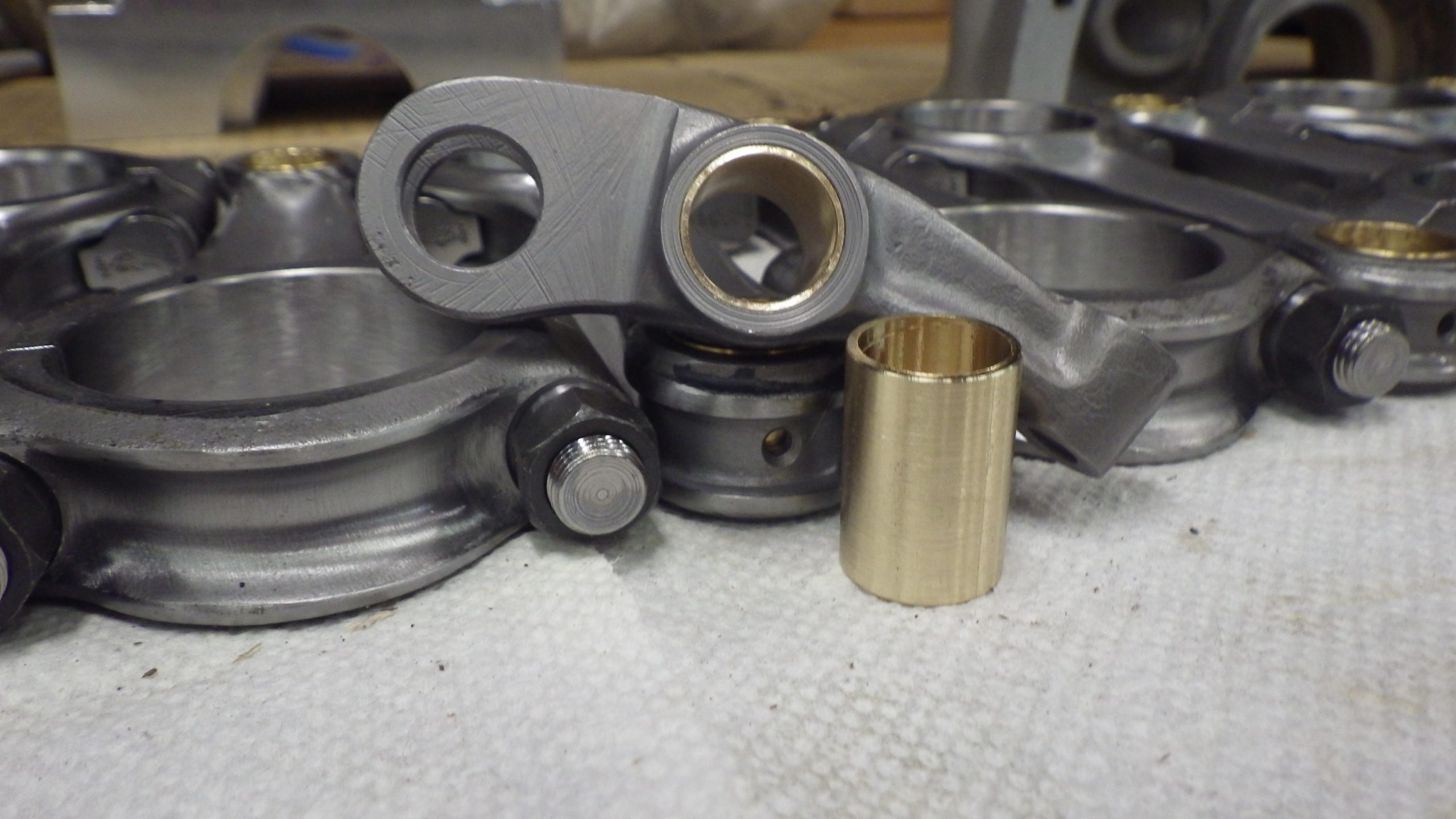
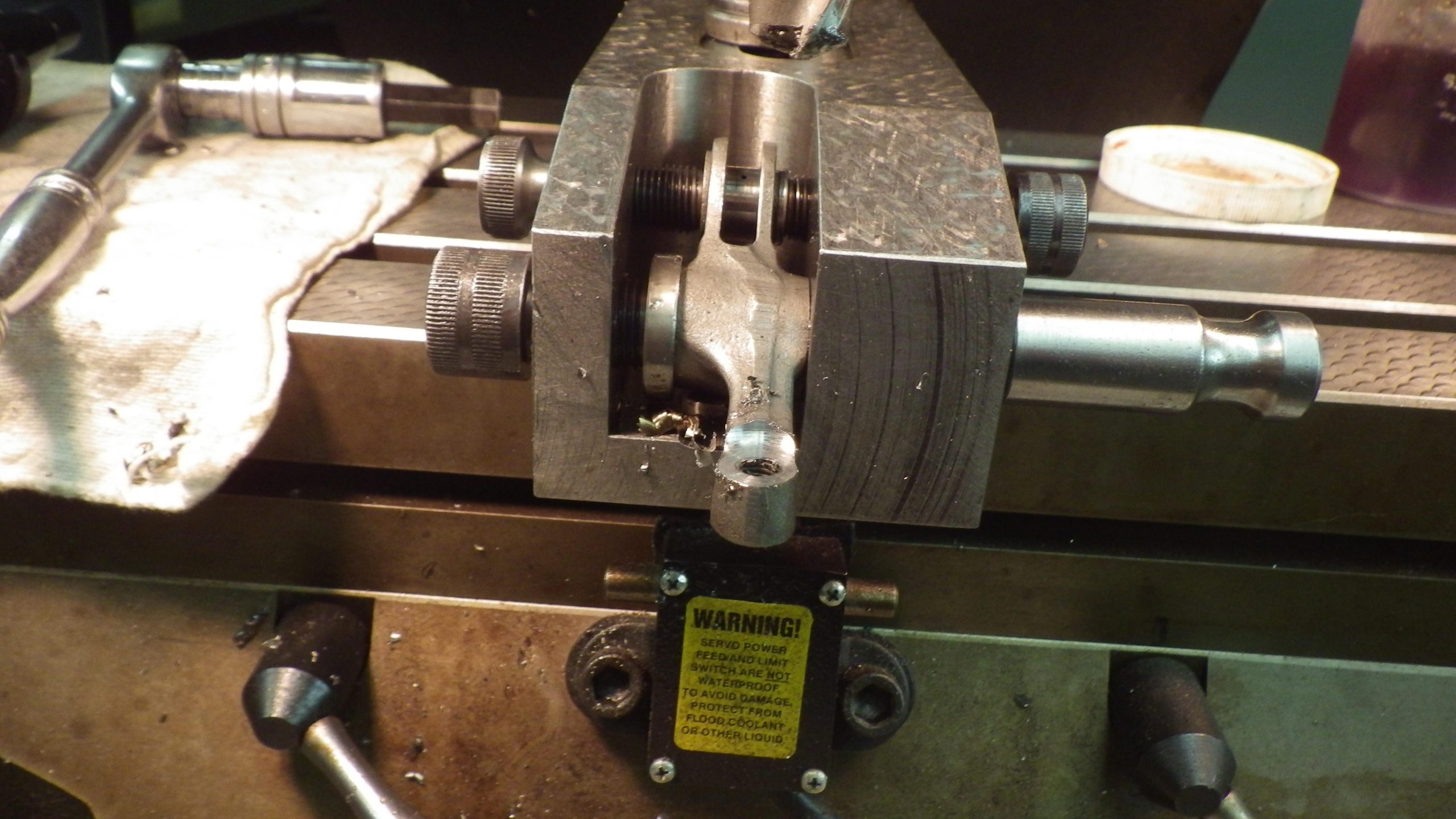
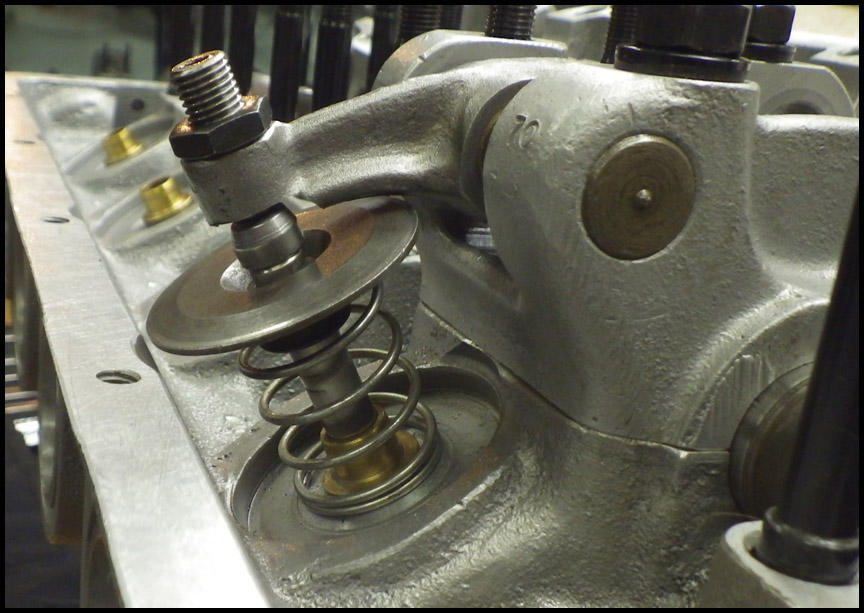
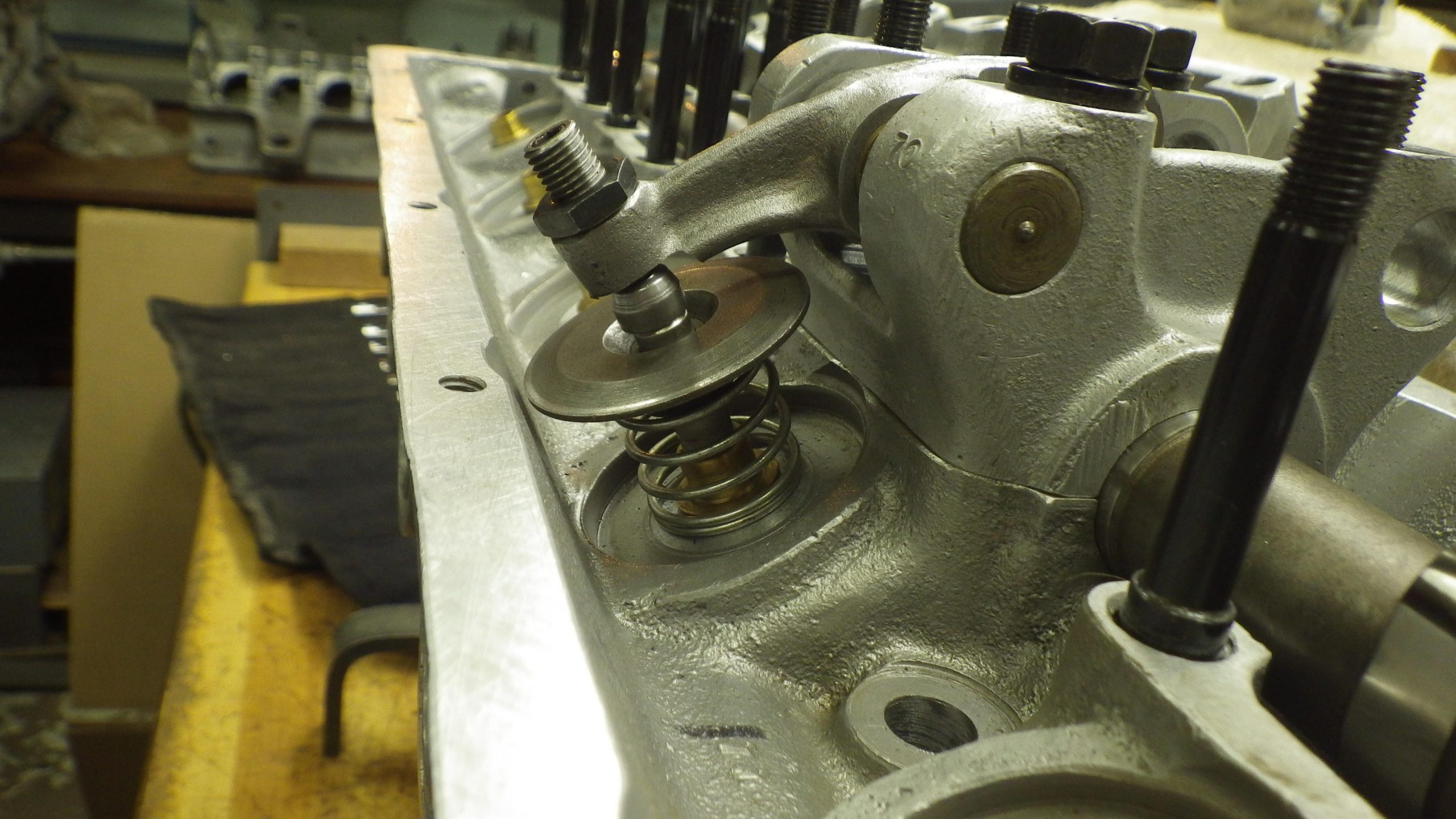
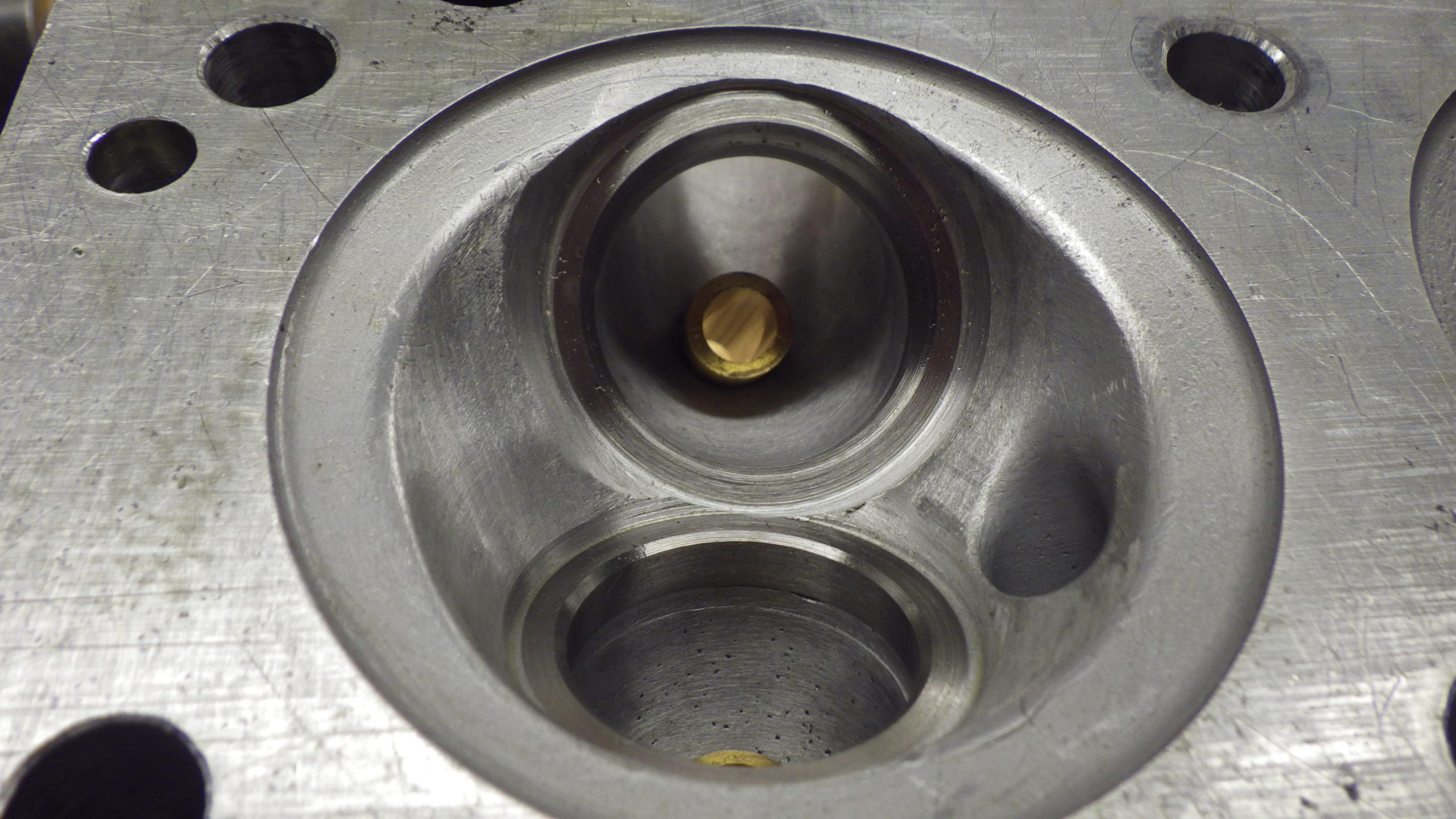
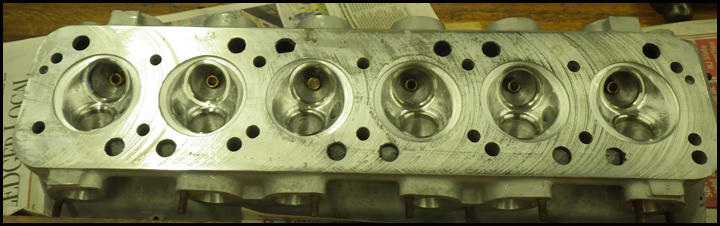
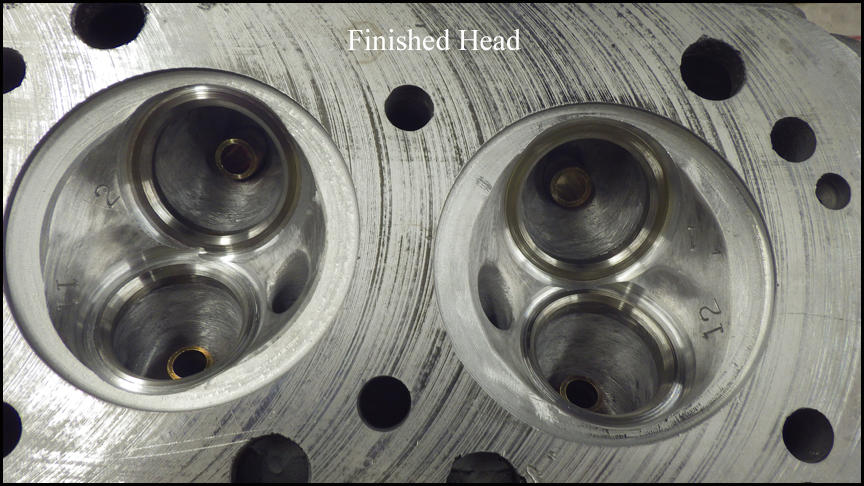
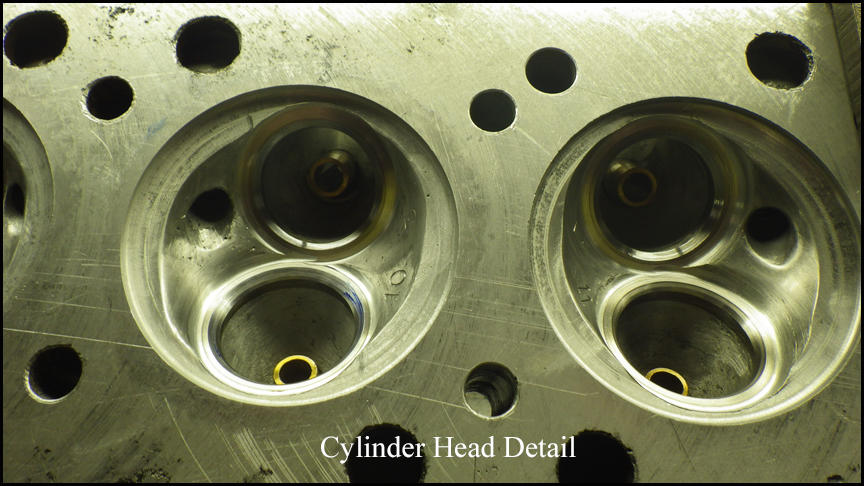
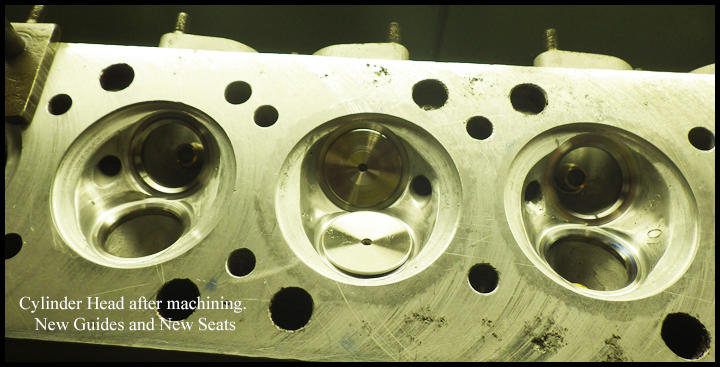
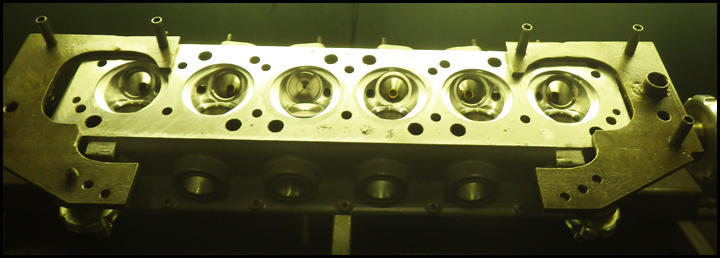
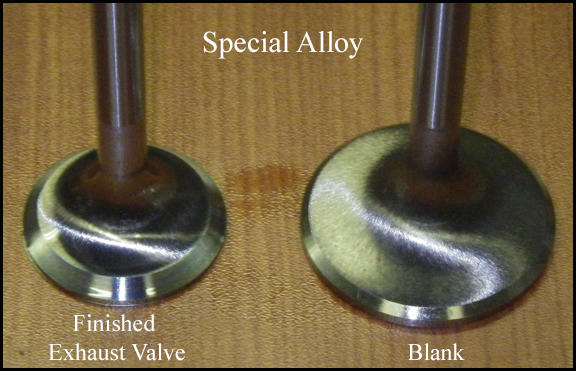
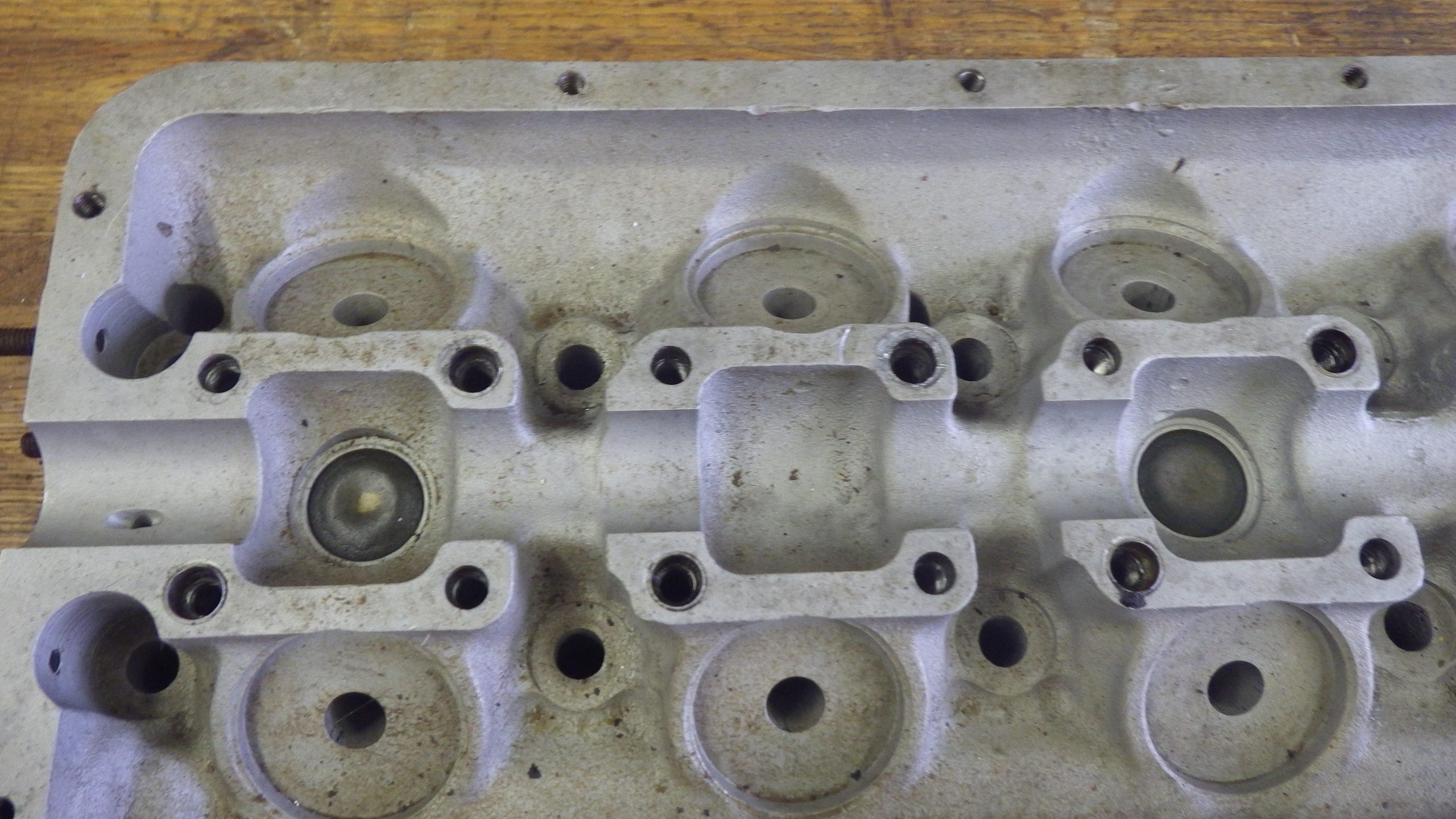
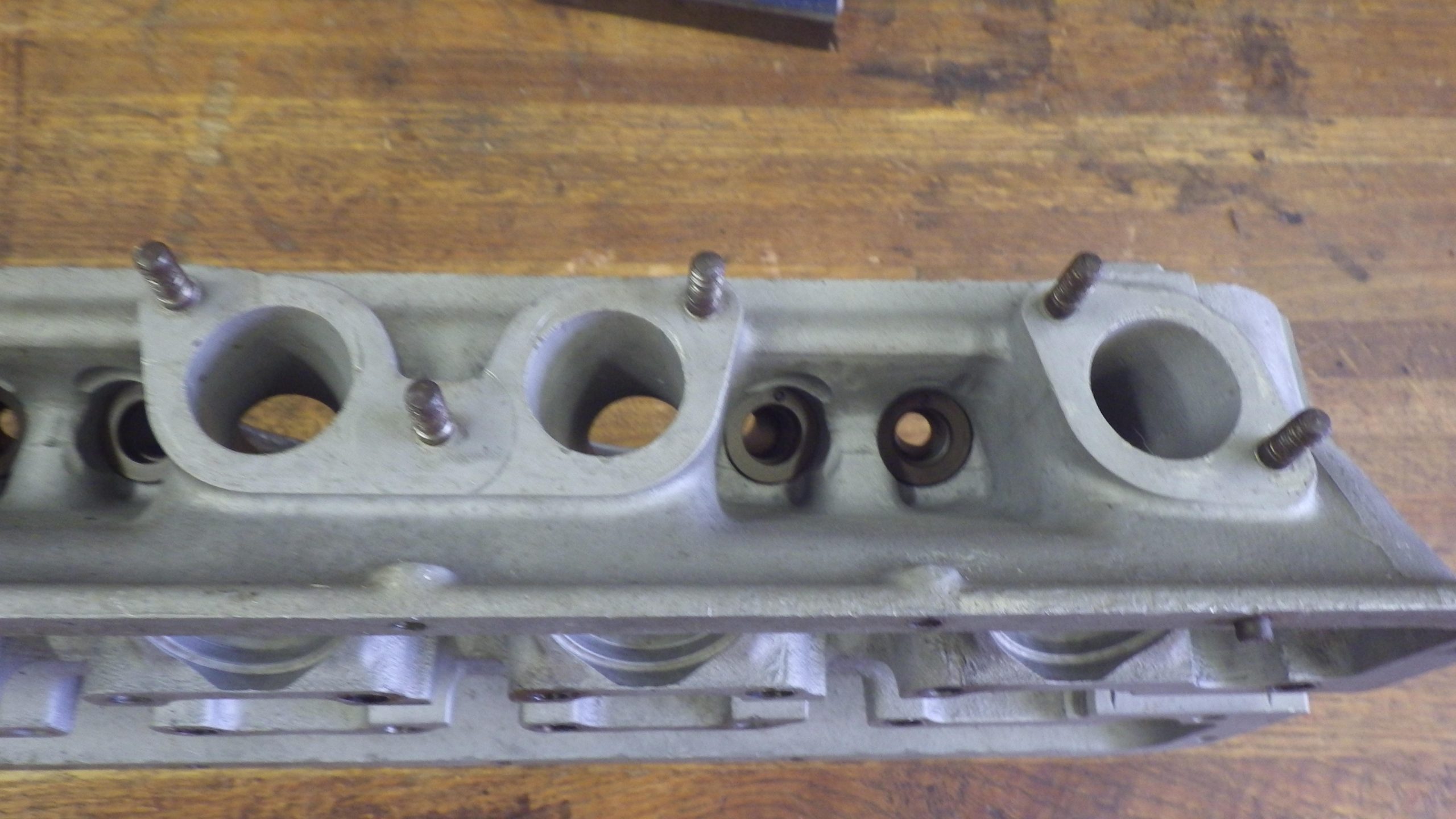
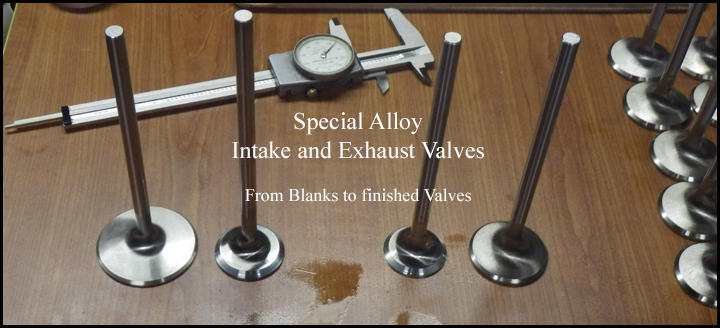
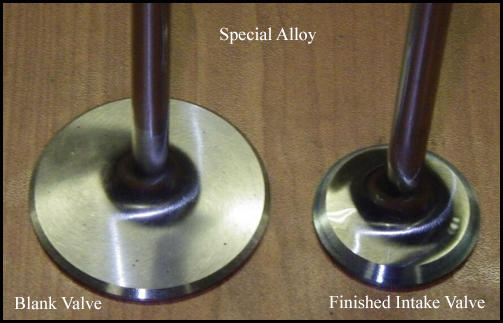
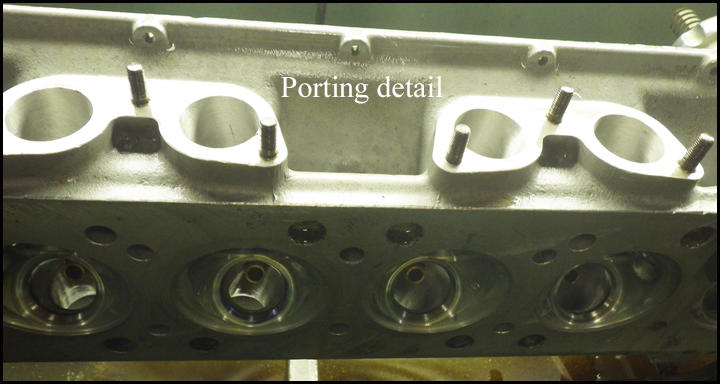
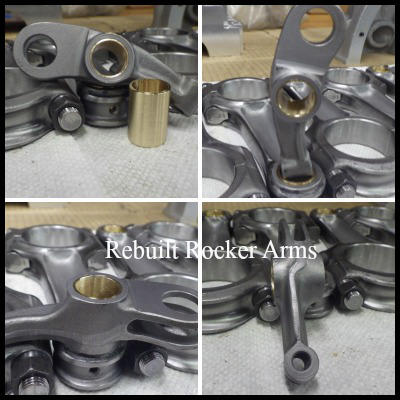
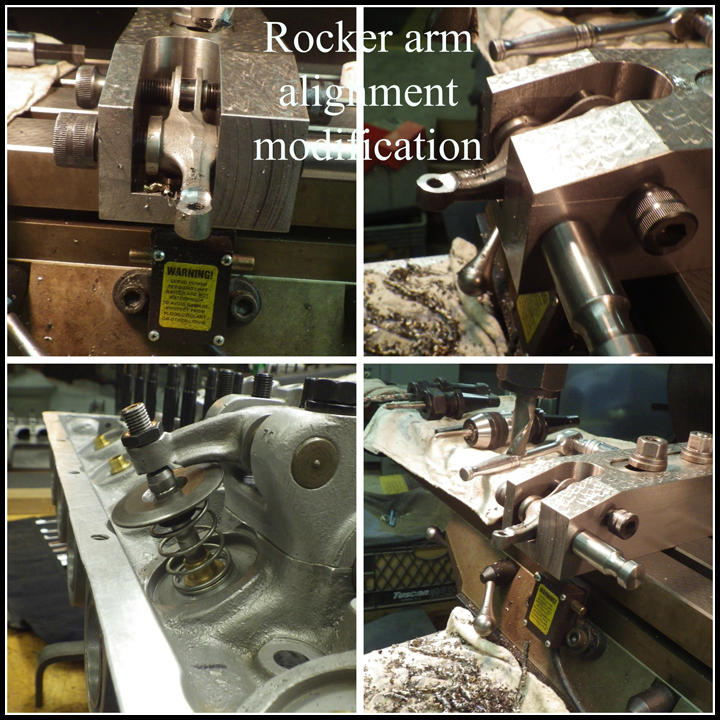
The late model heads have been lightly ported and polished and the valve train has been rebuilt
with all-new lightweight and oversize intake and exhaust valves, all new exhaust guides, all new
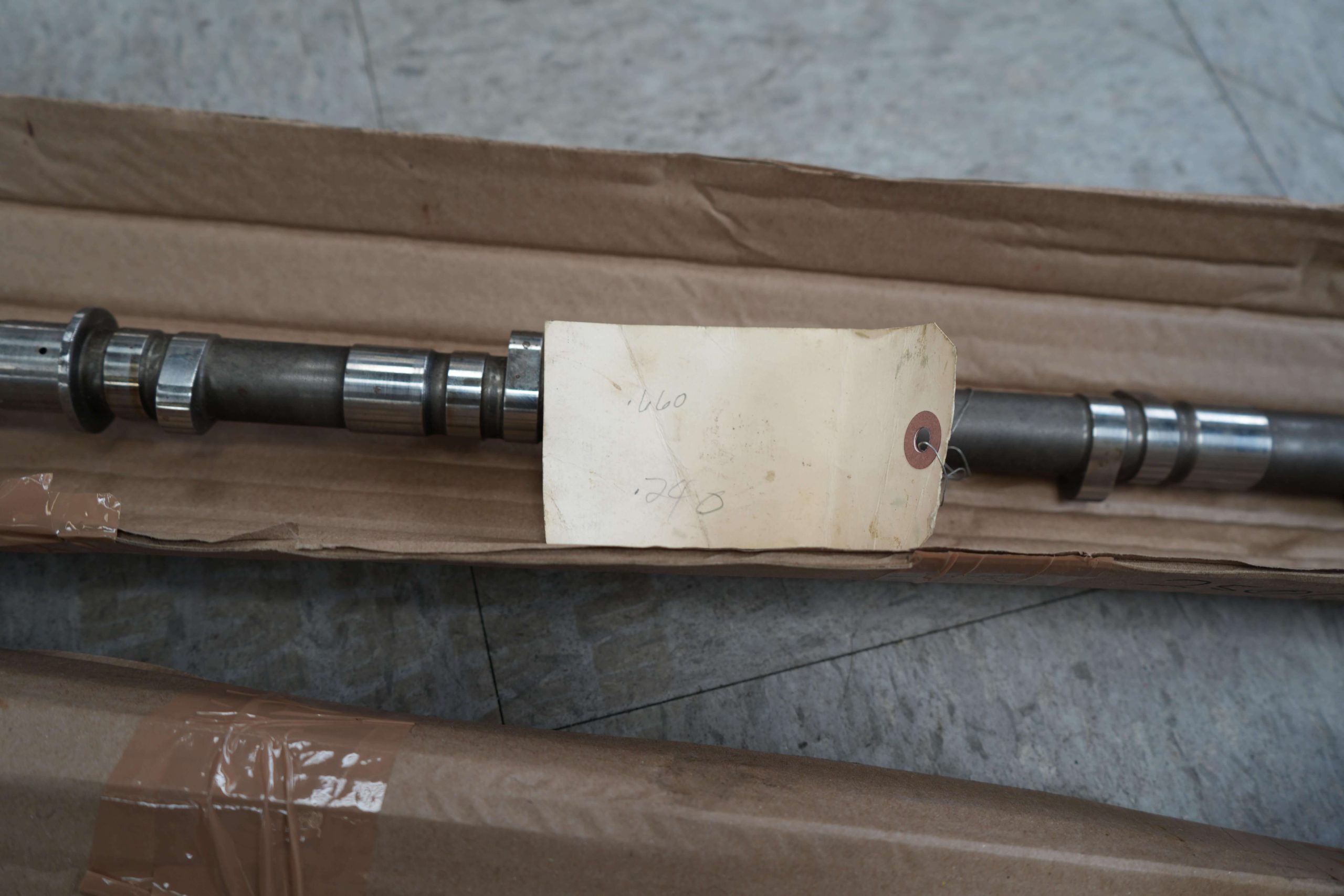
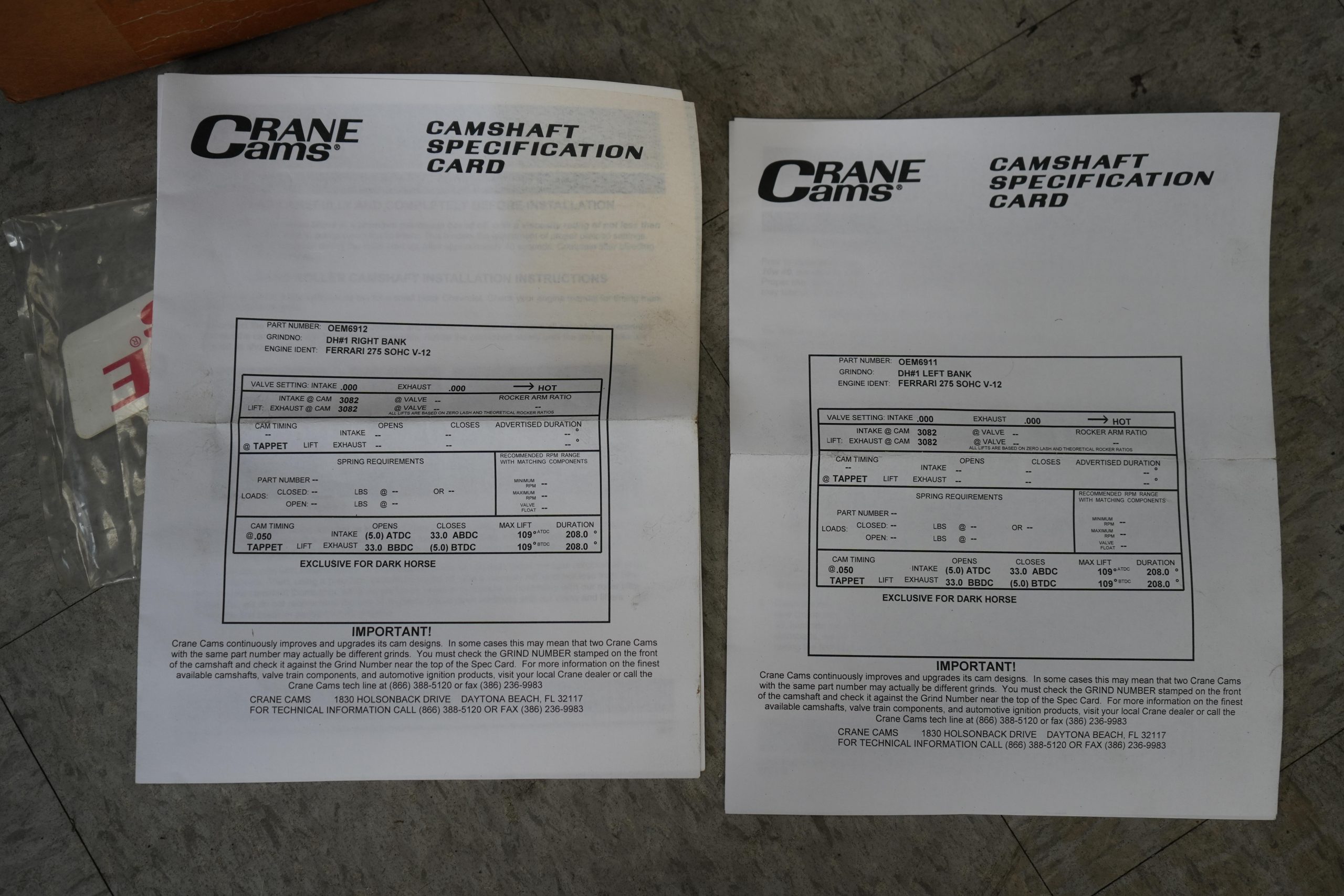
exhaust seats, all new rocker arm bushings, all new adjuster screws and new Crane cams. The
Crane cams come with their setup sheet with a 208 degrees of duration, a max lift of 109 degrees
ATDC and the open-and-close specs, making fine tuning easier.
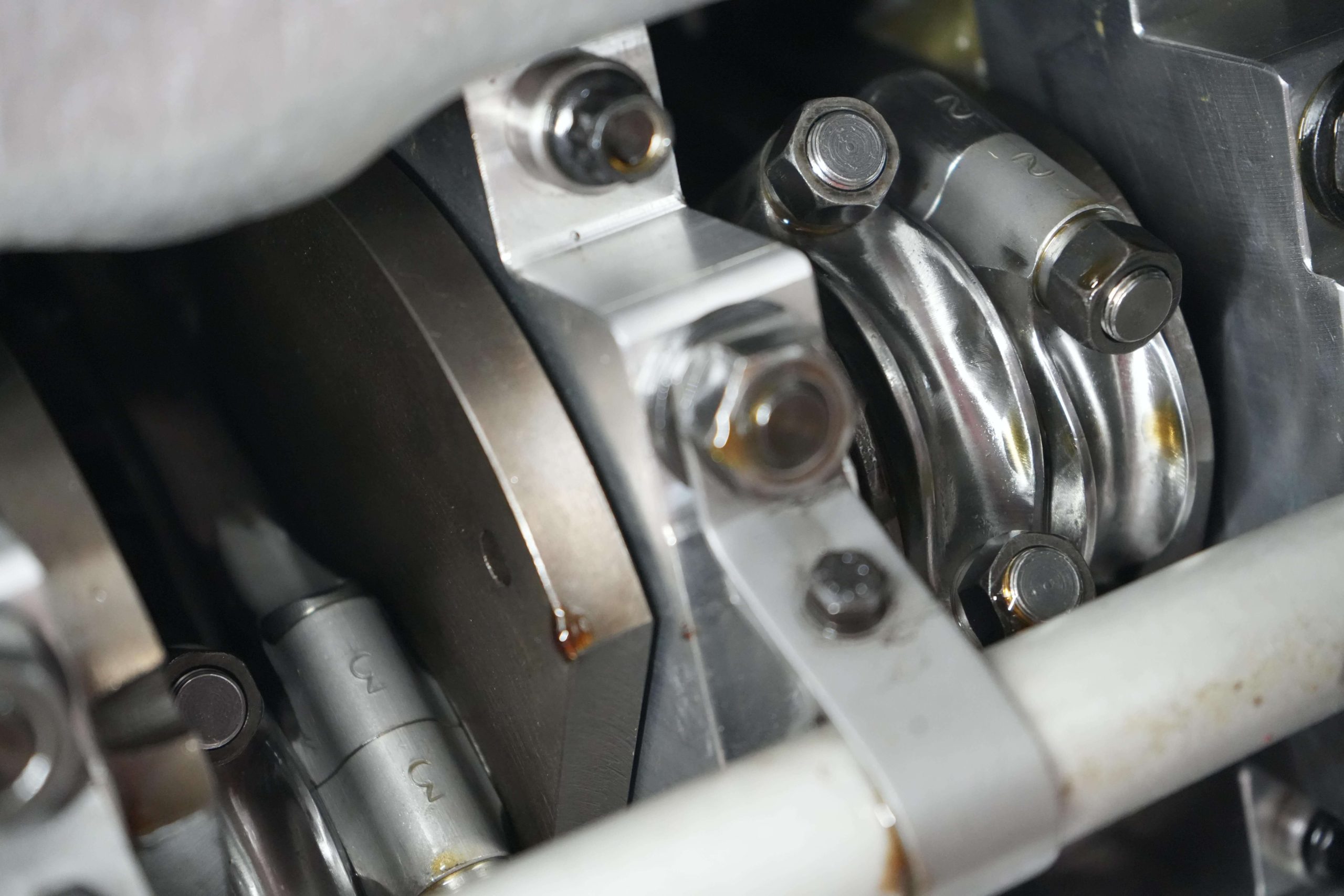
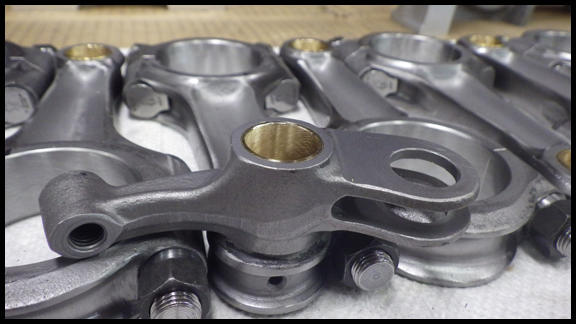
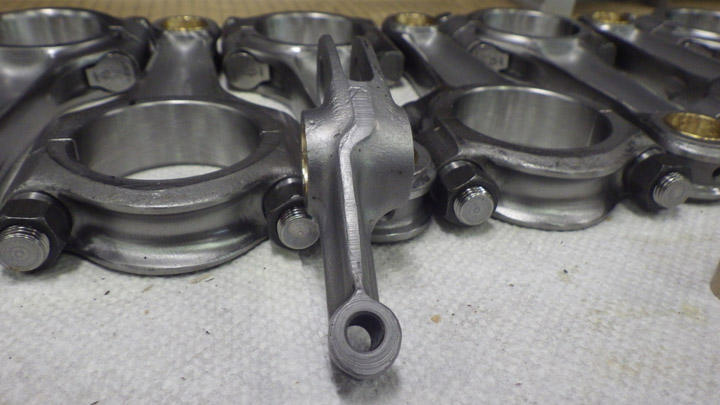
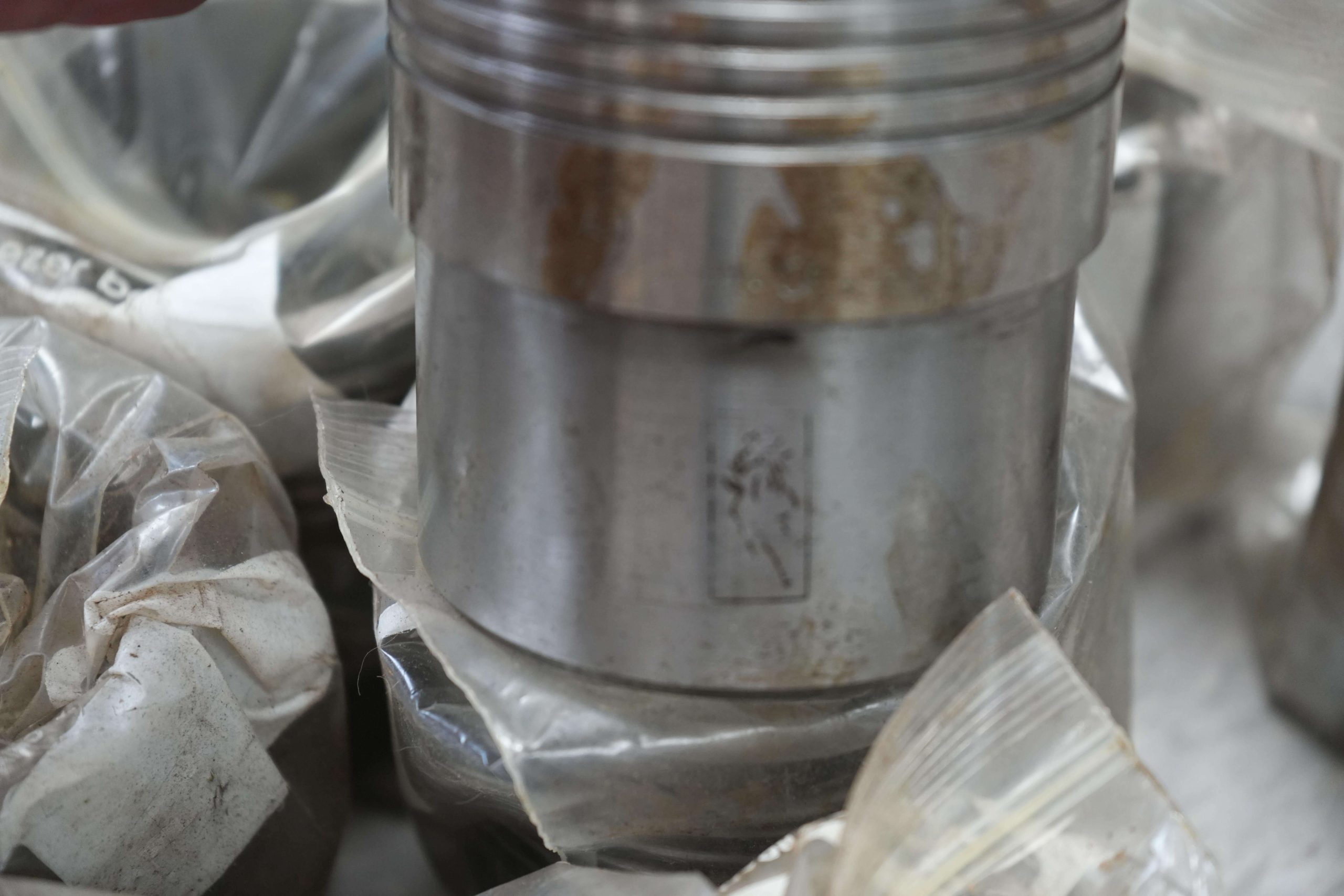
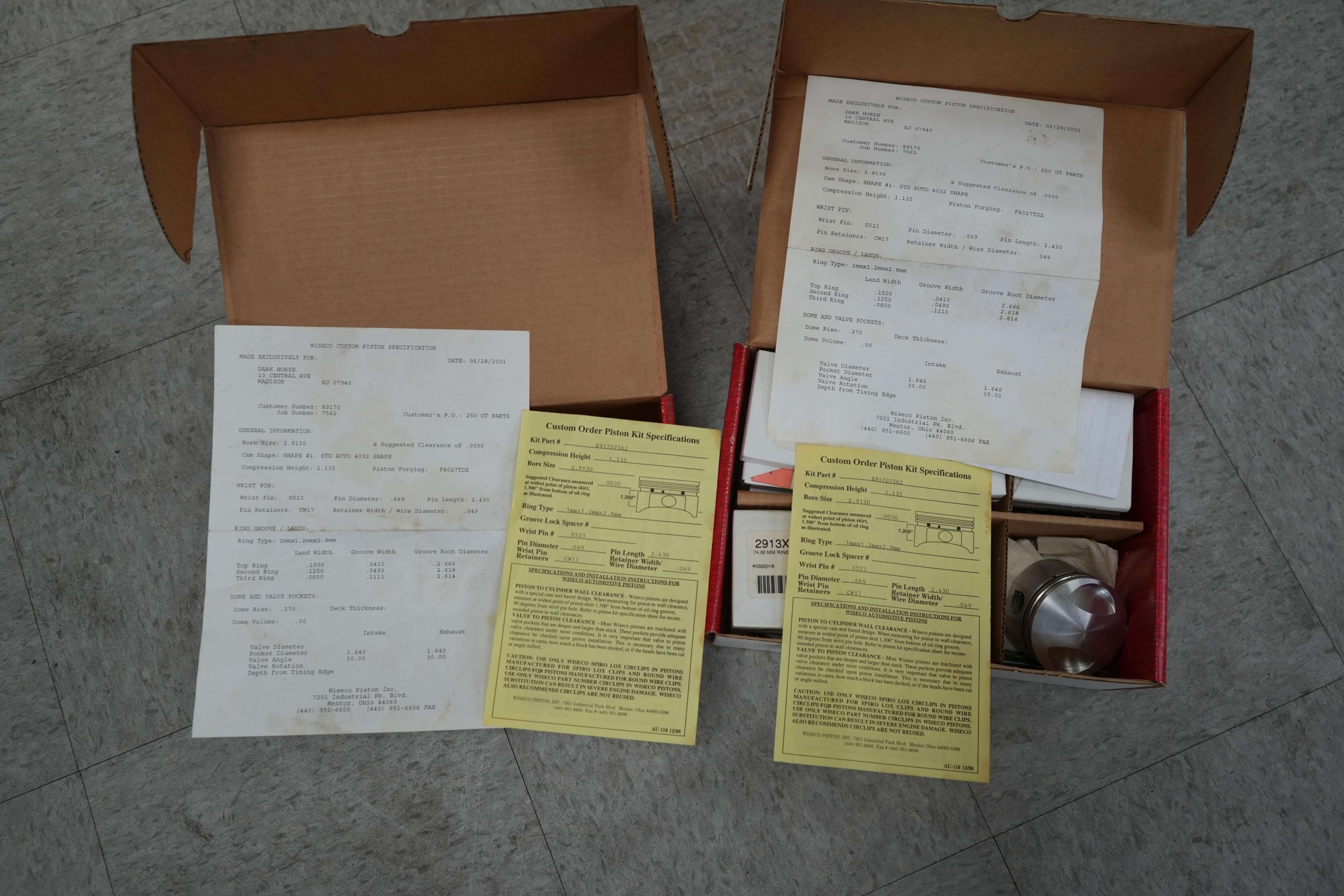
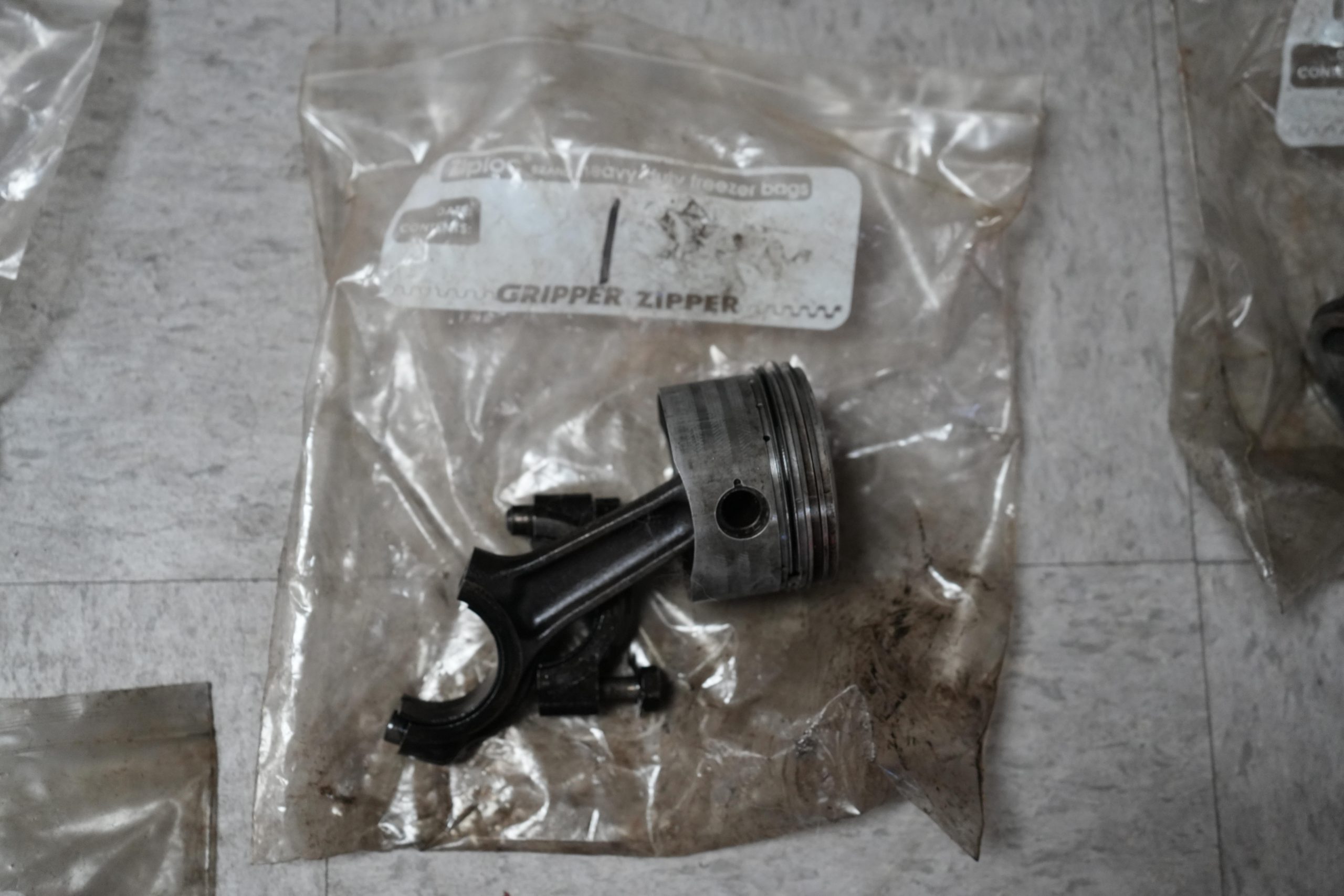
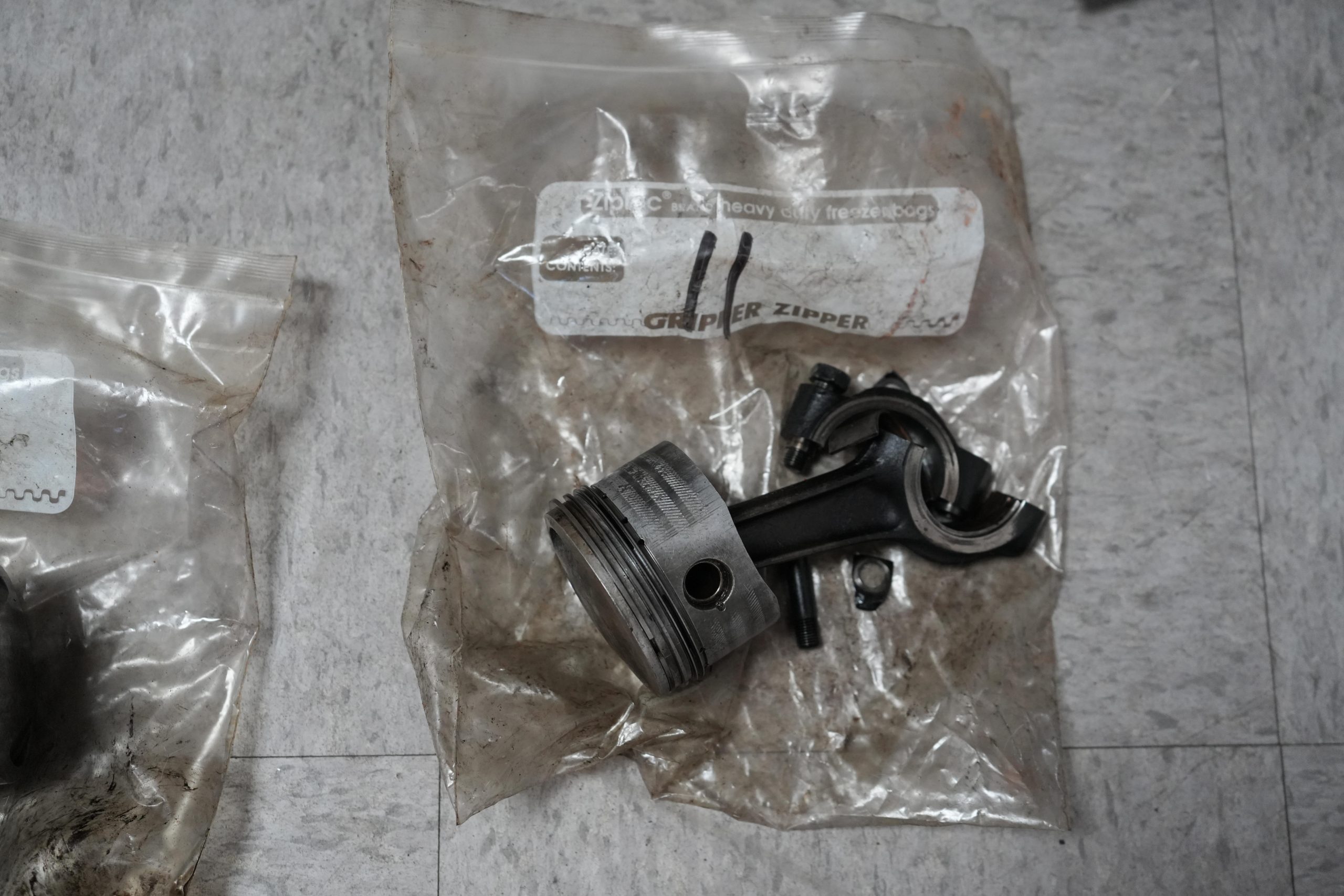
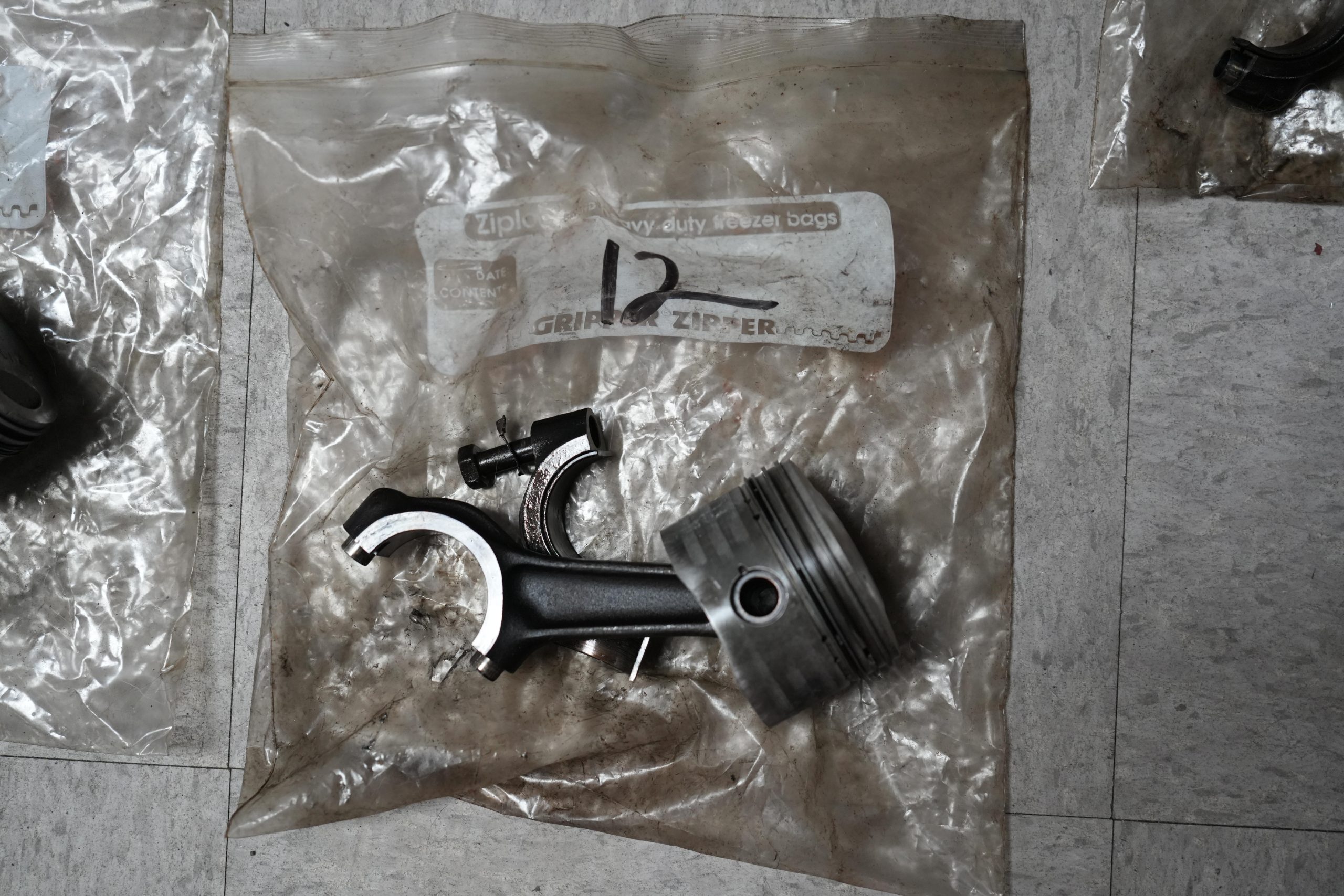
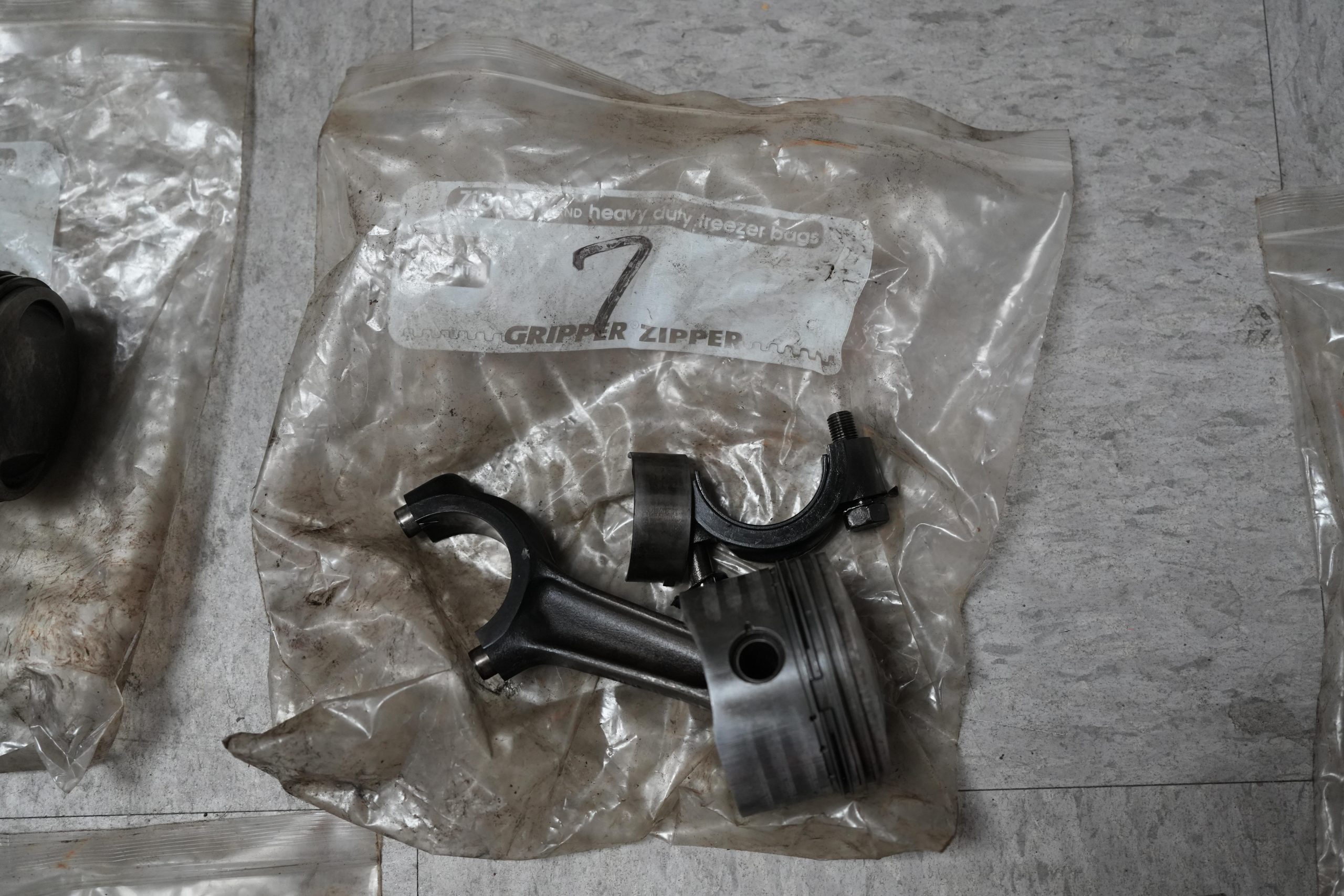
The block was bored from 2.87″ to 2.930″ = 74.4mm, the connecting were rods re-machined and
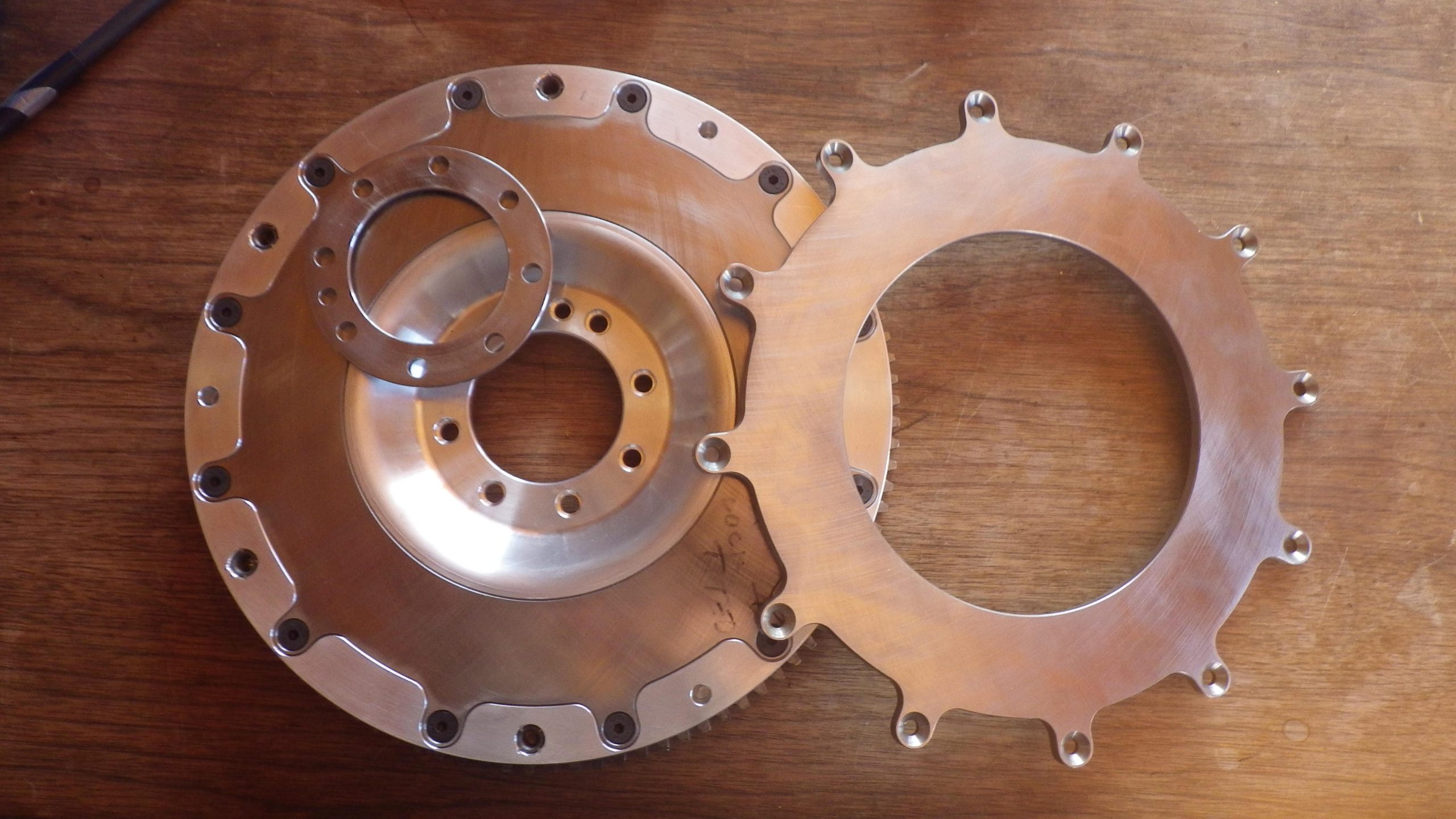
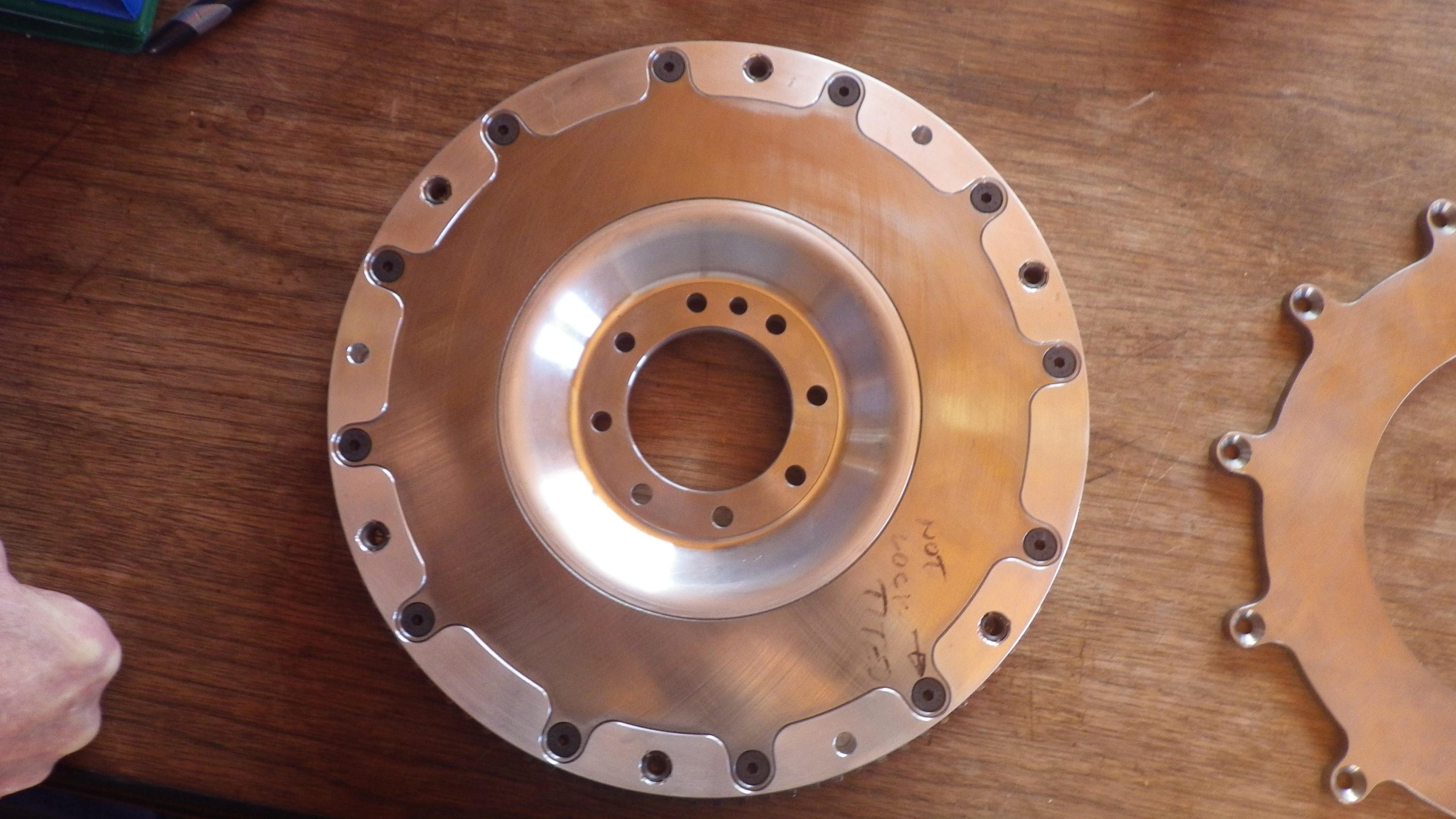
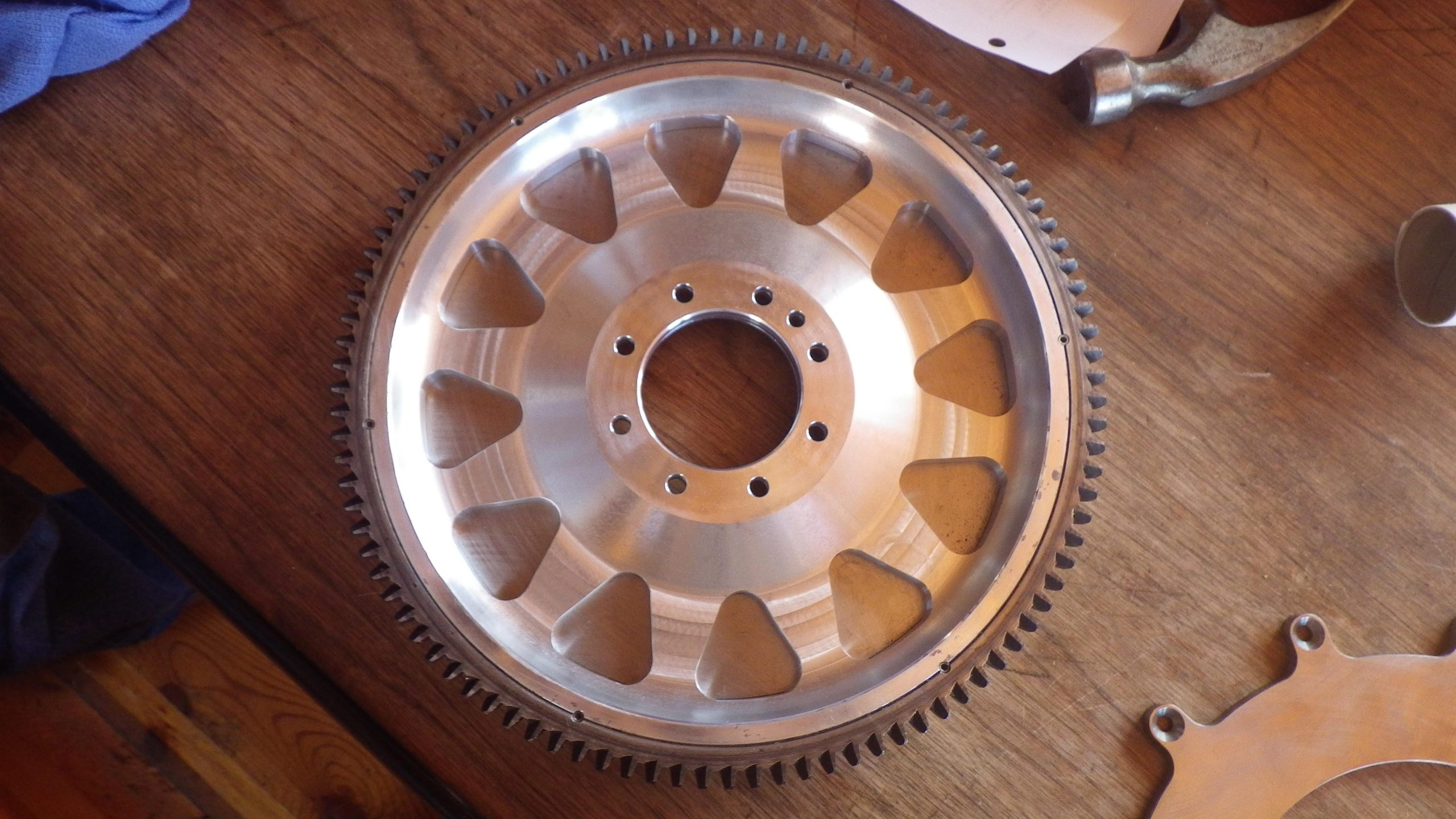
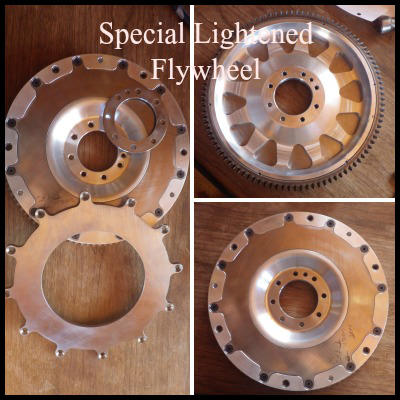
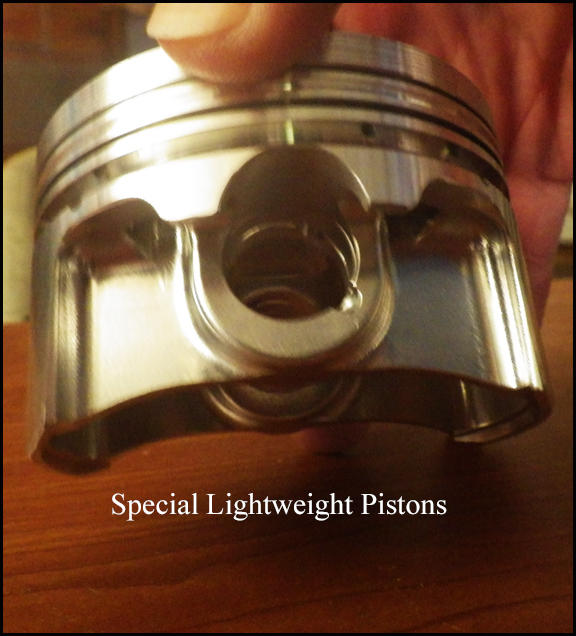
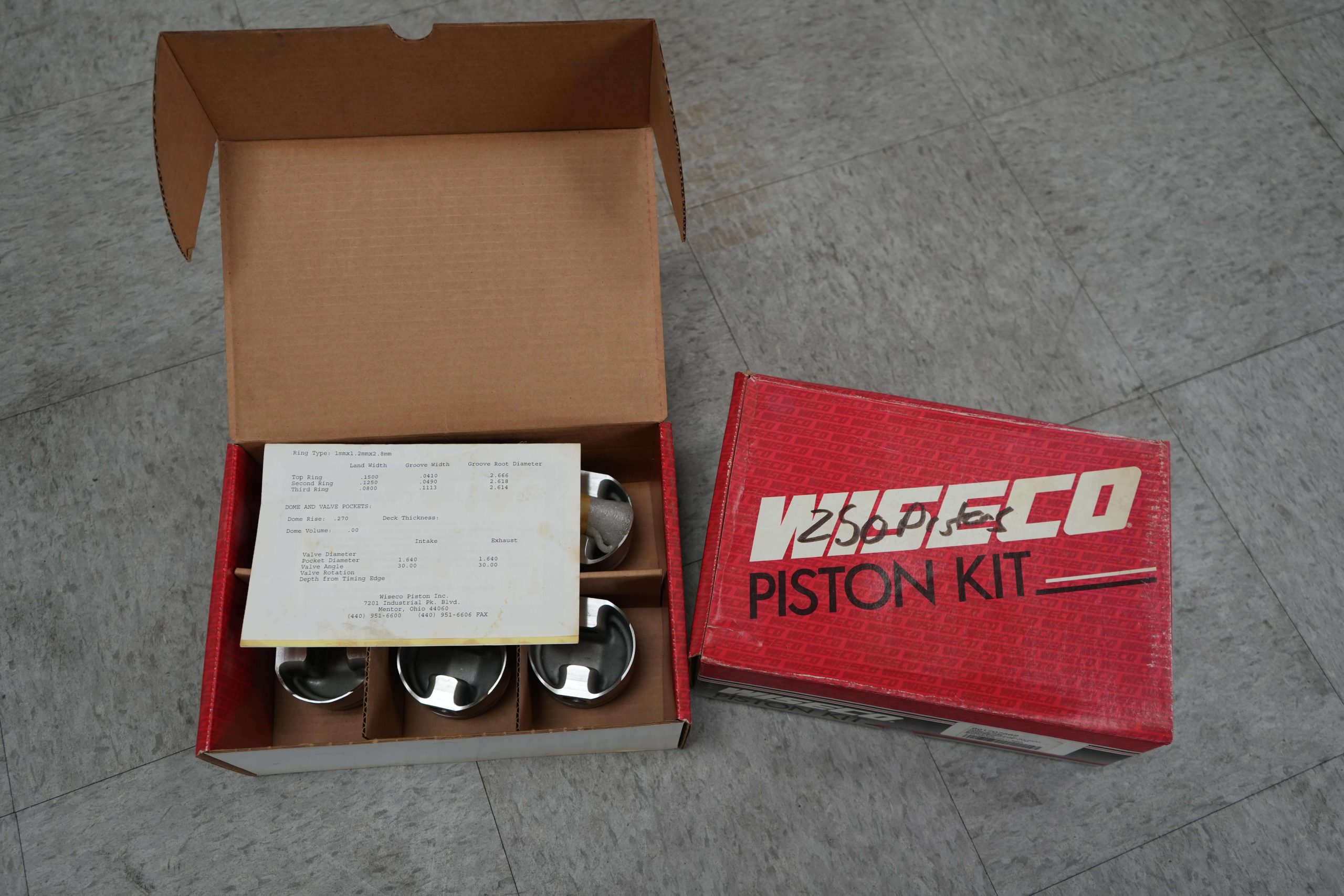
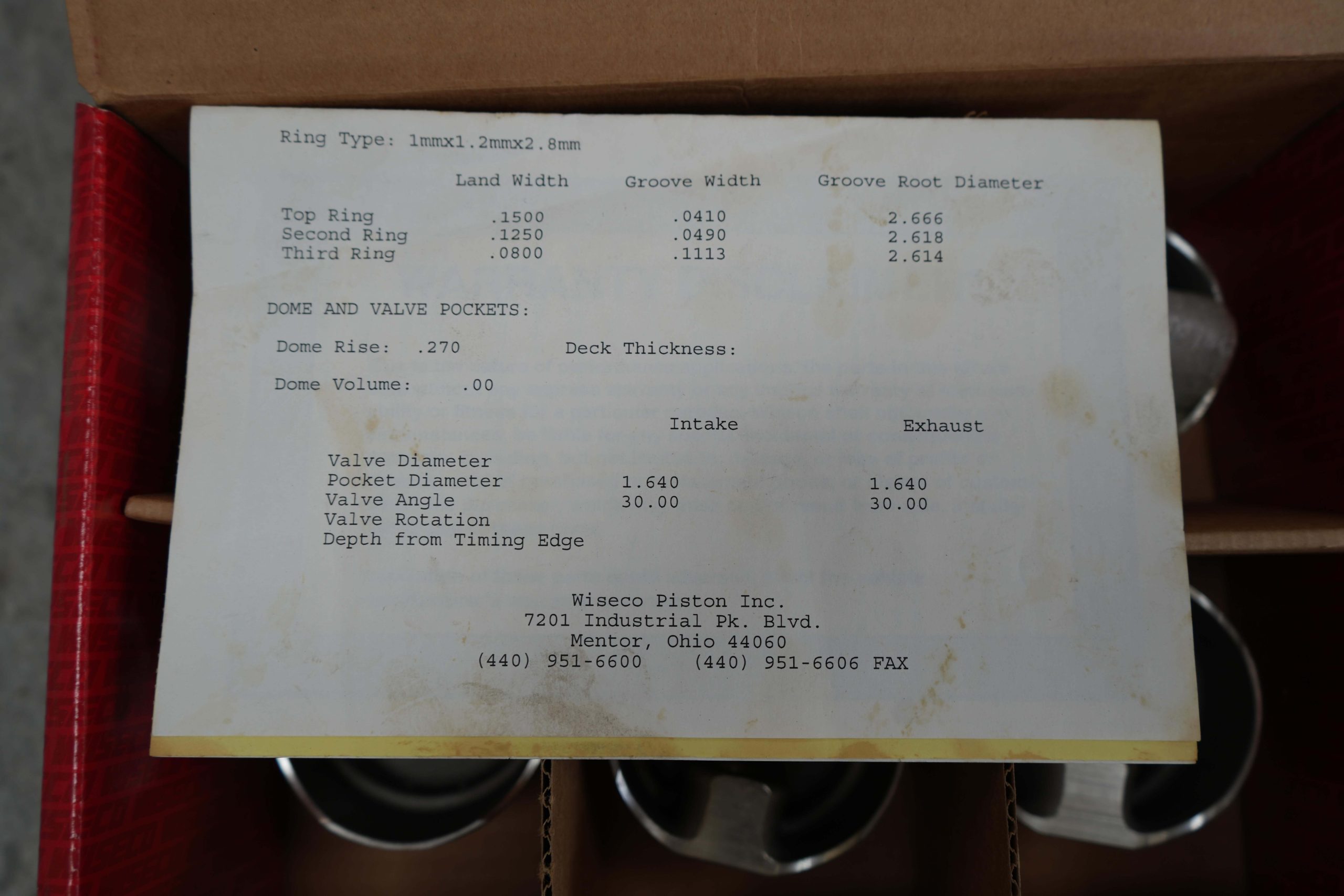
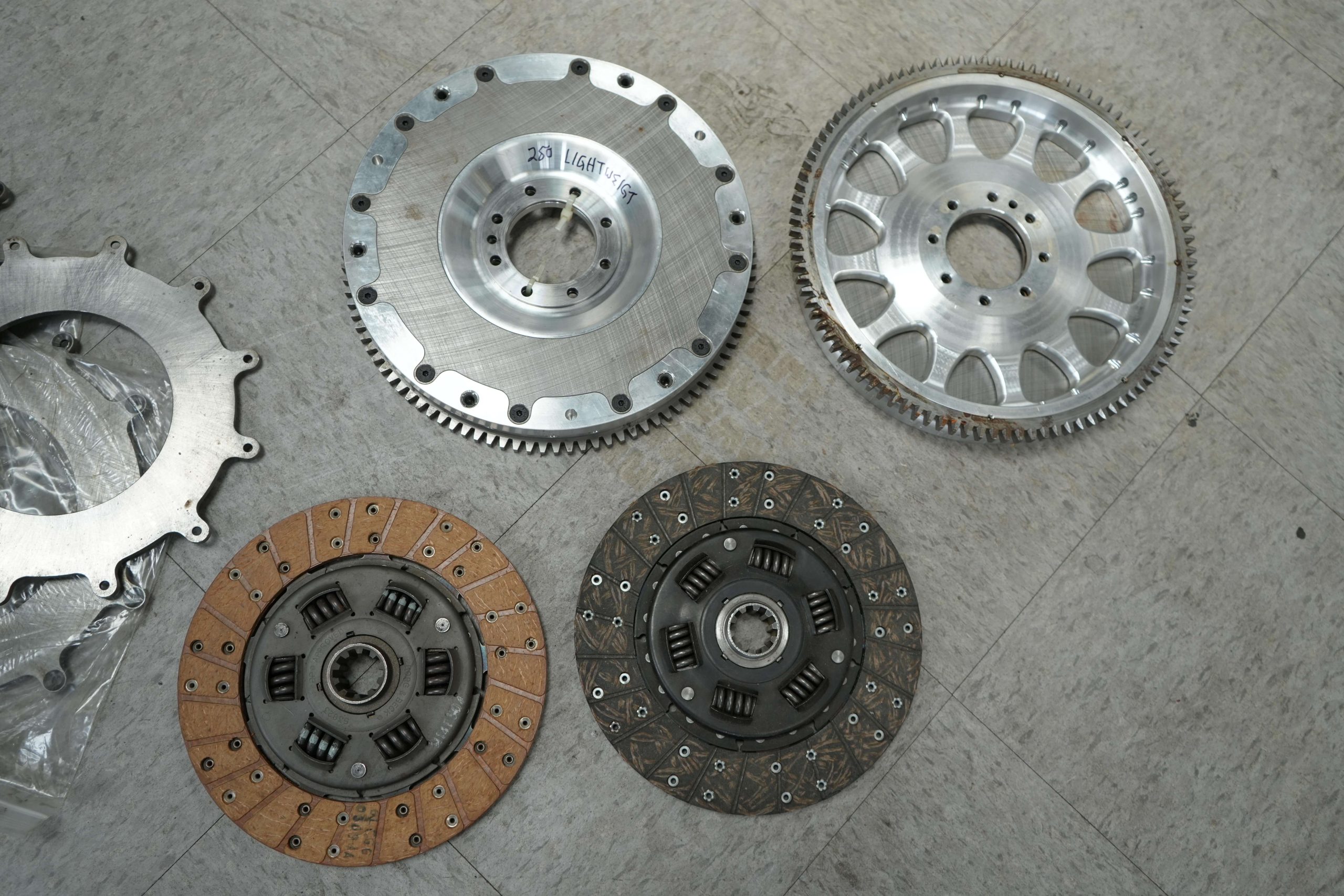
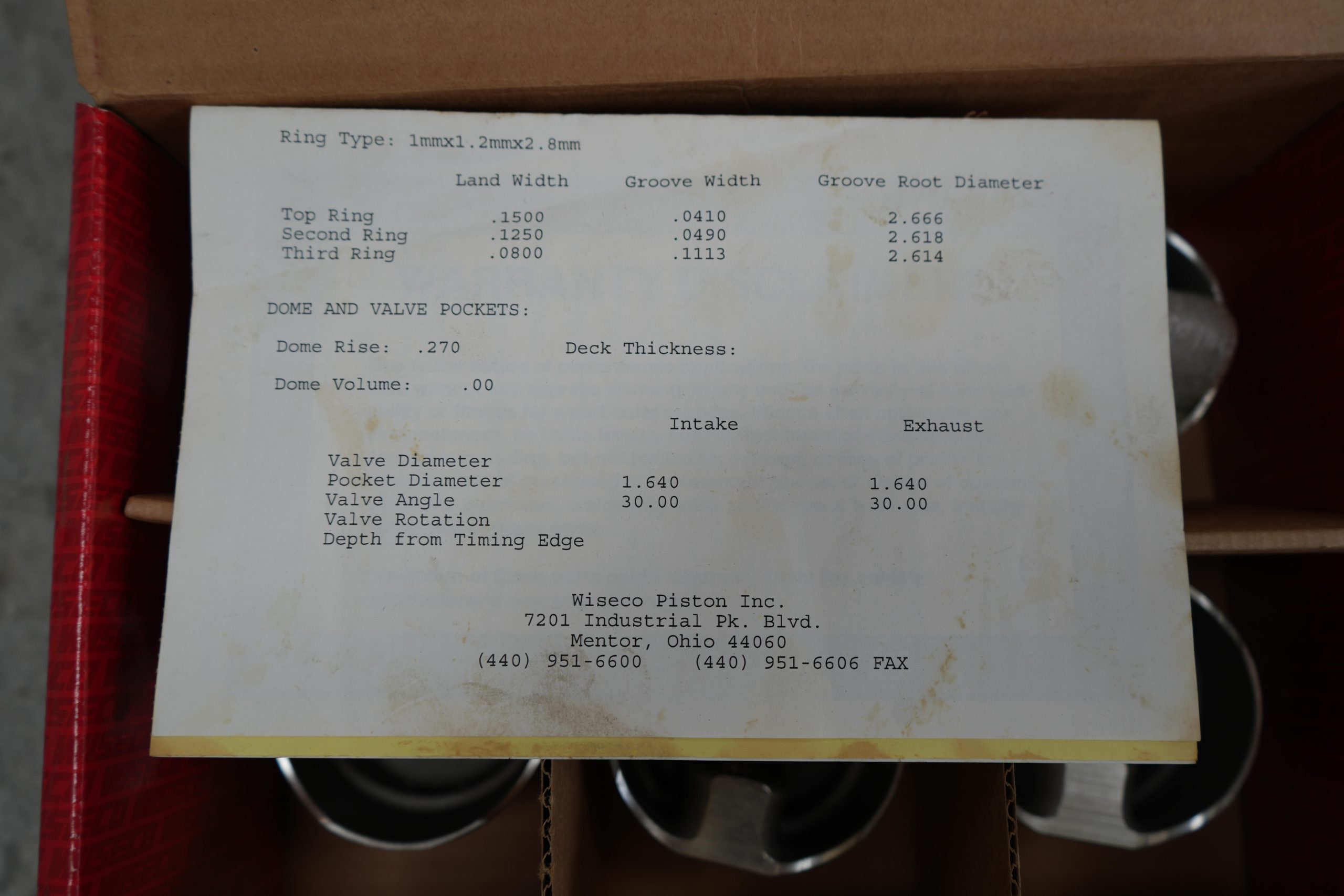
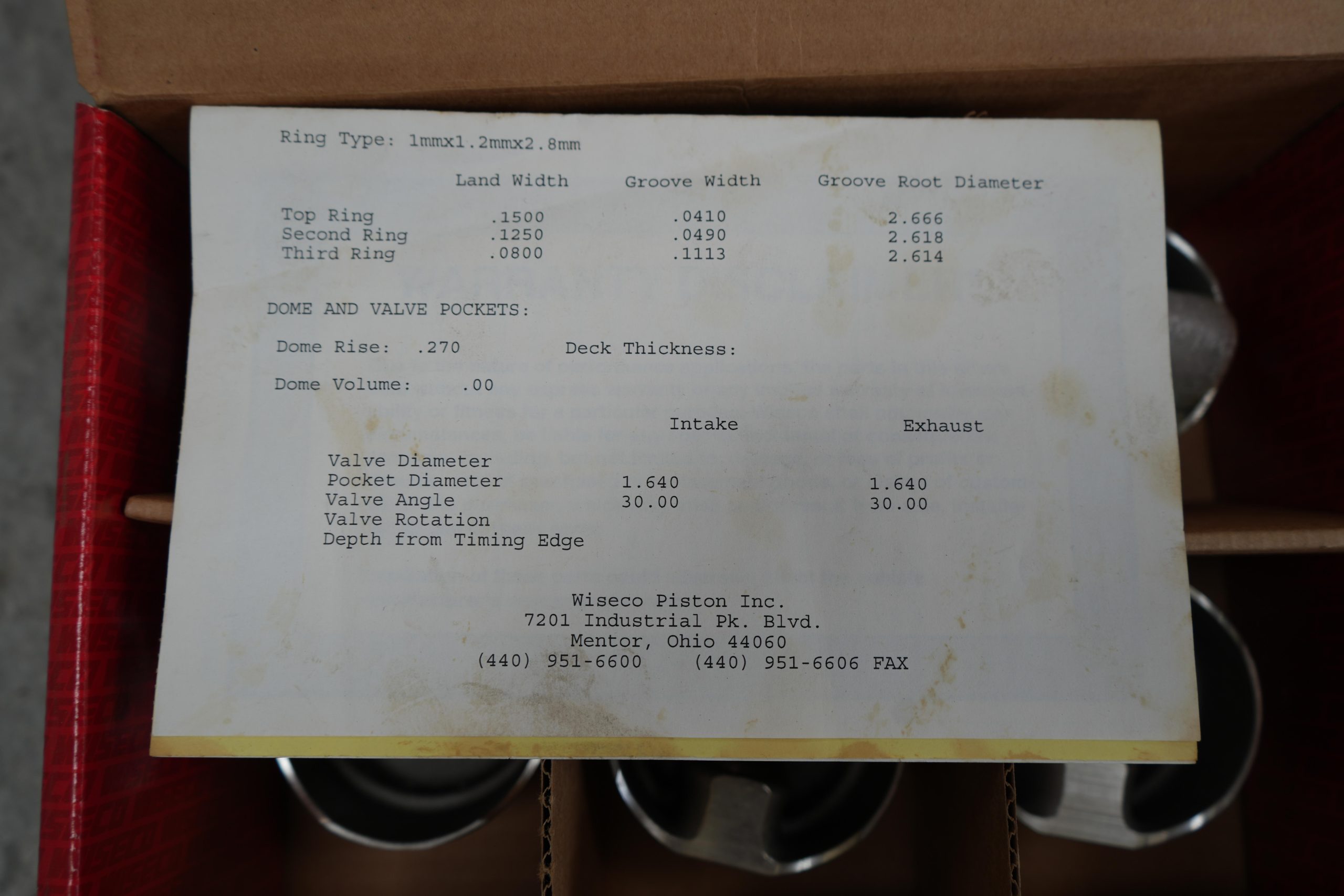
“trued” end-to-end. lightweight Weisco pistons and piston pins were fitted. A lightweight multi-
part alloy and steel flywheel saves rotating weight. Mechanics and engine builders will be please
to know we have the Weisco piston specification and set-up sheets on file.
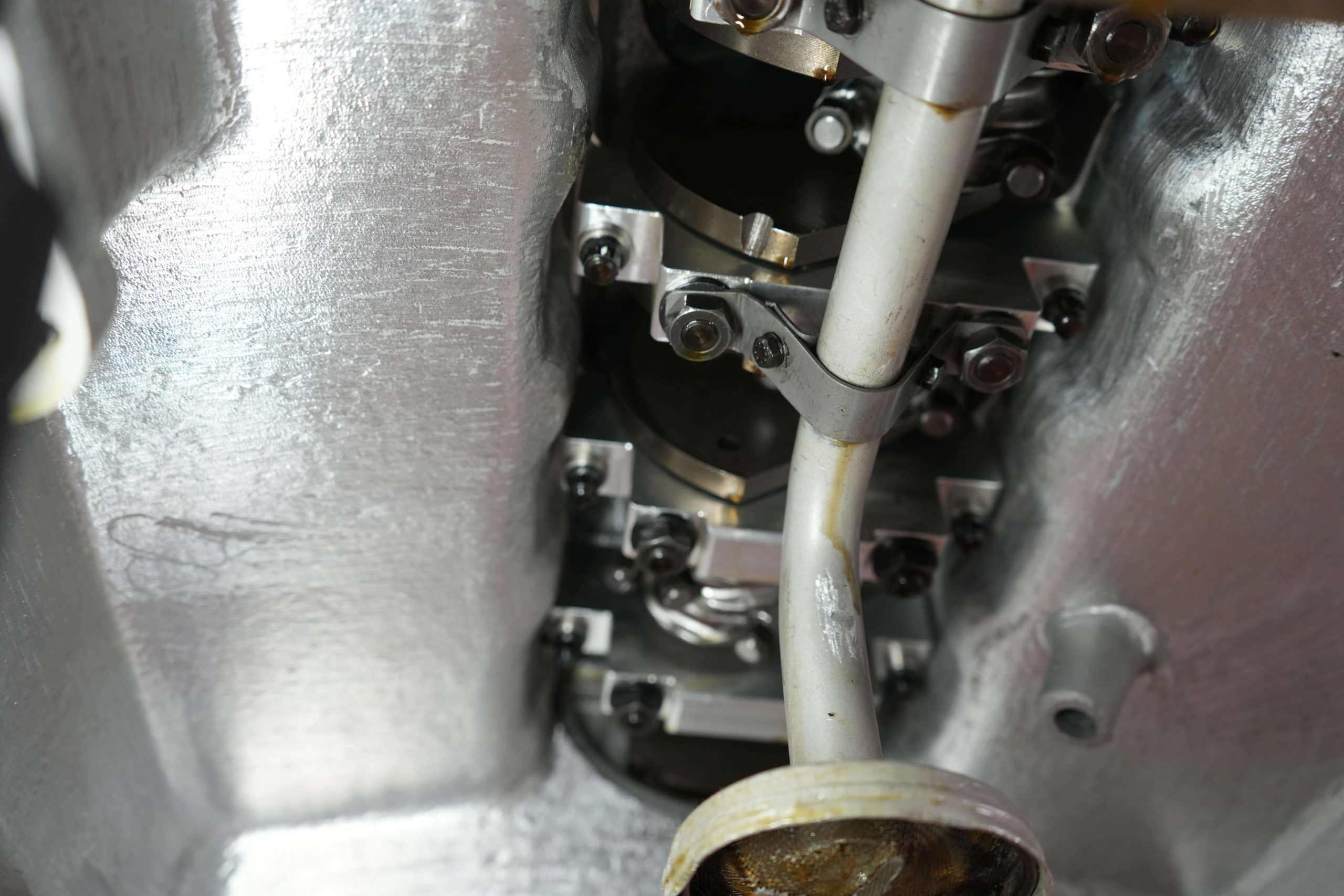
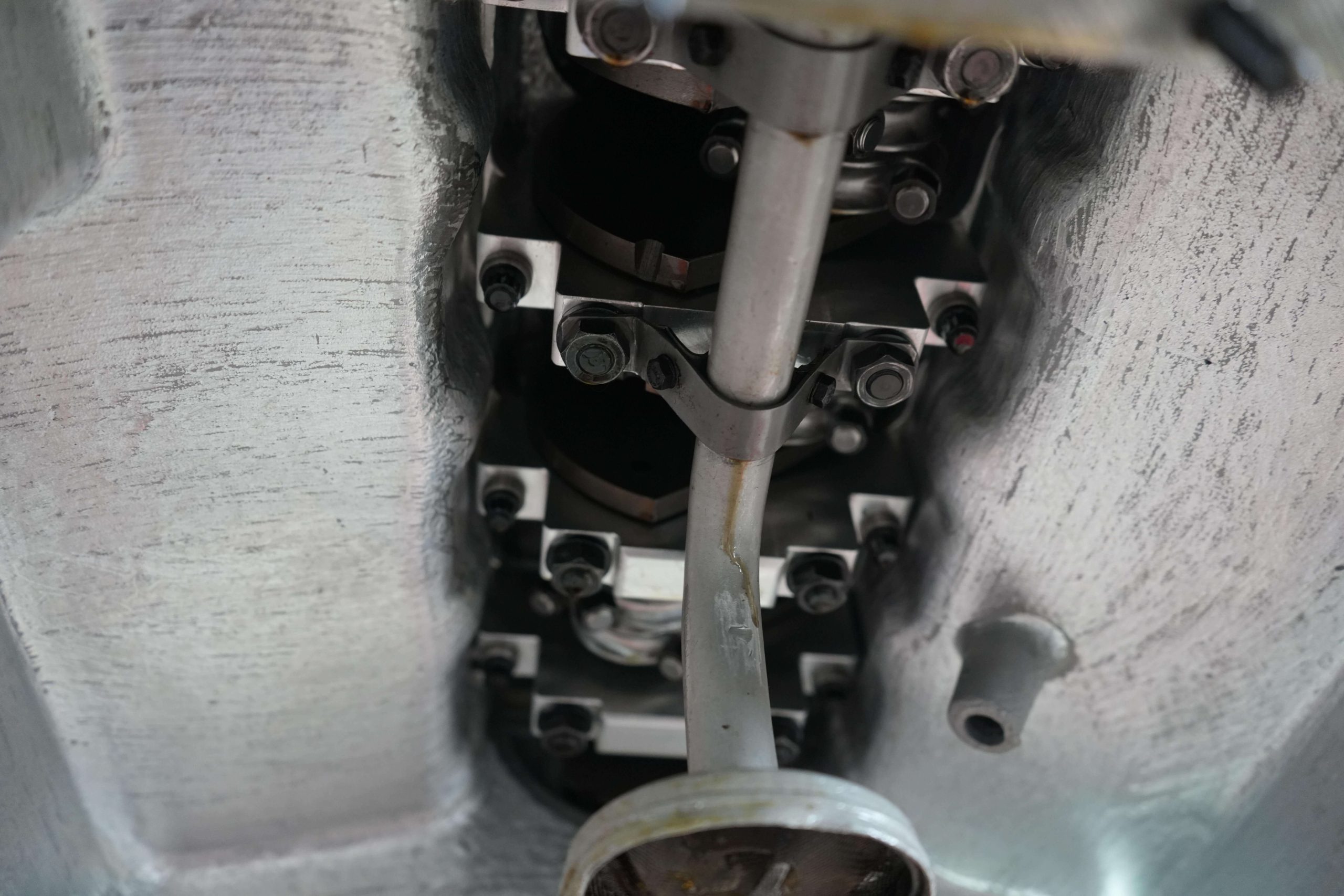
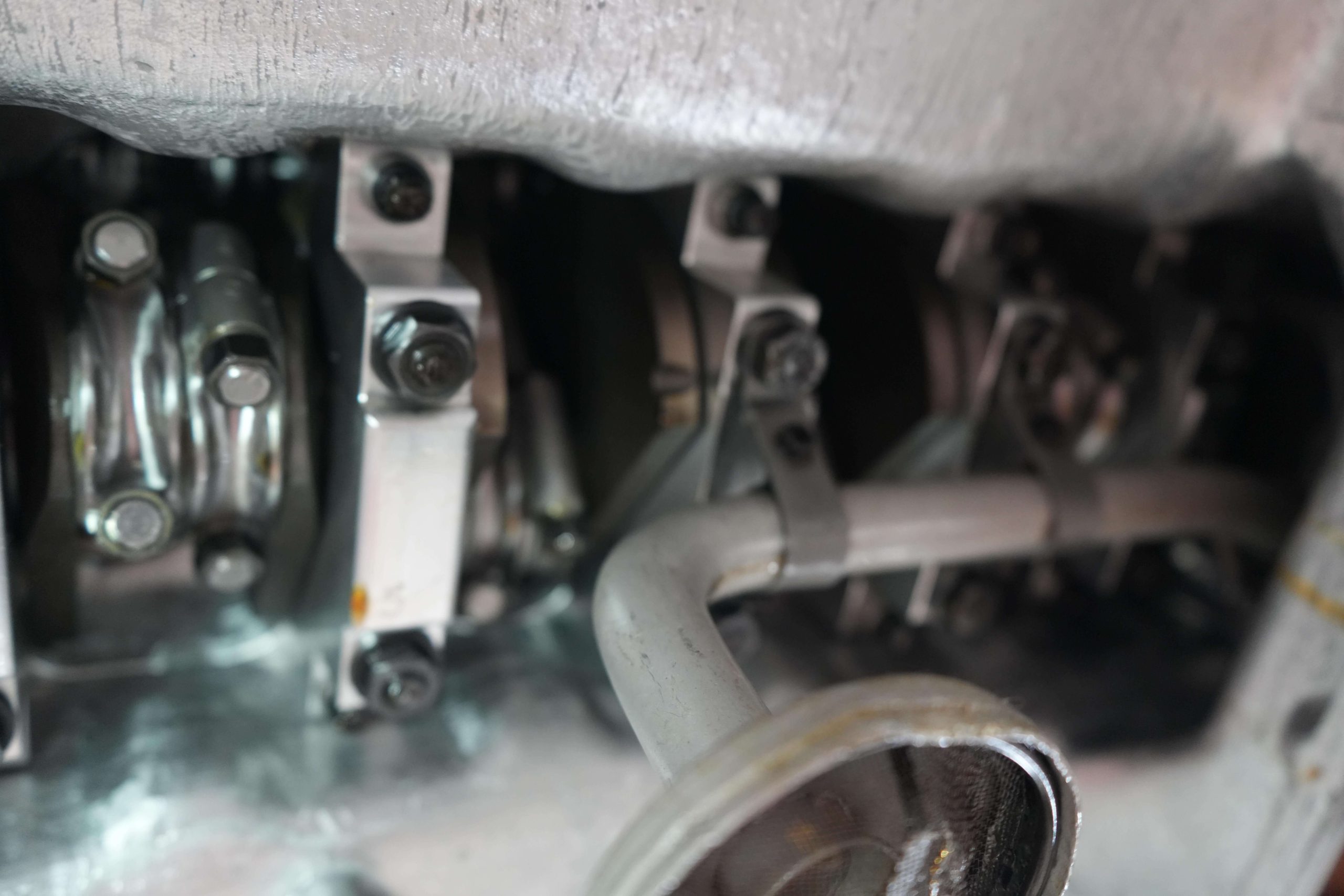
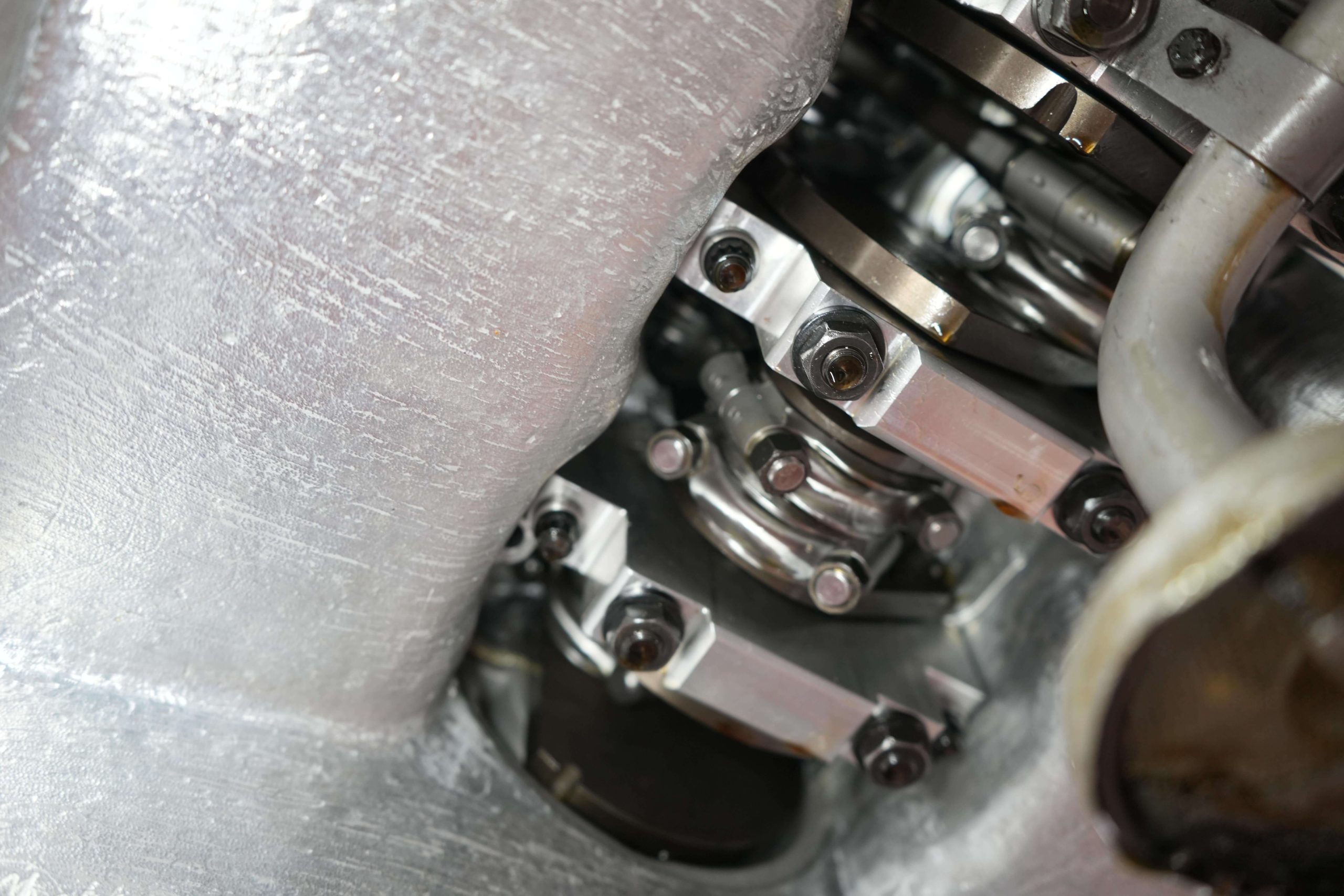
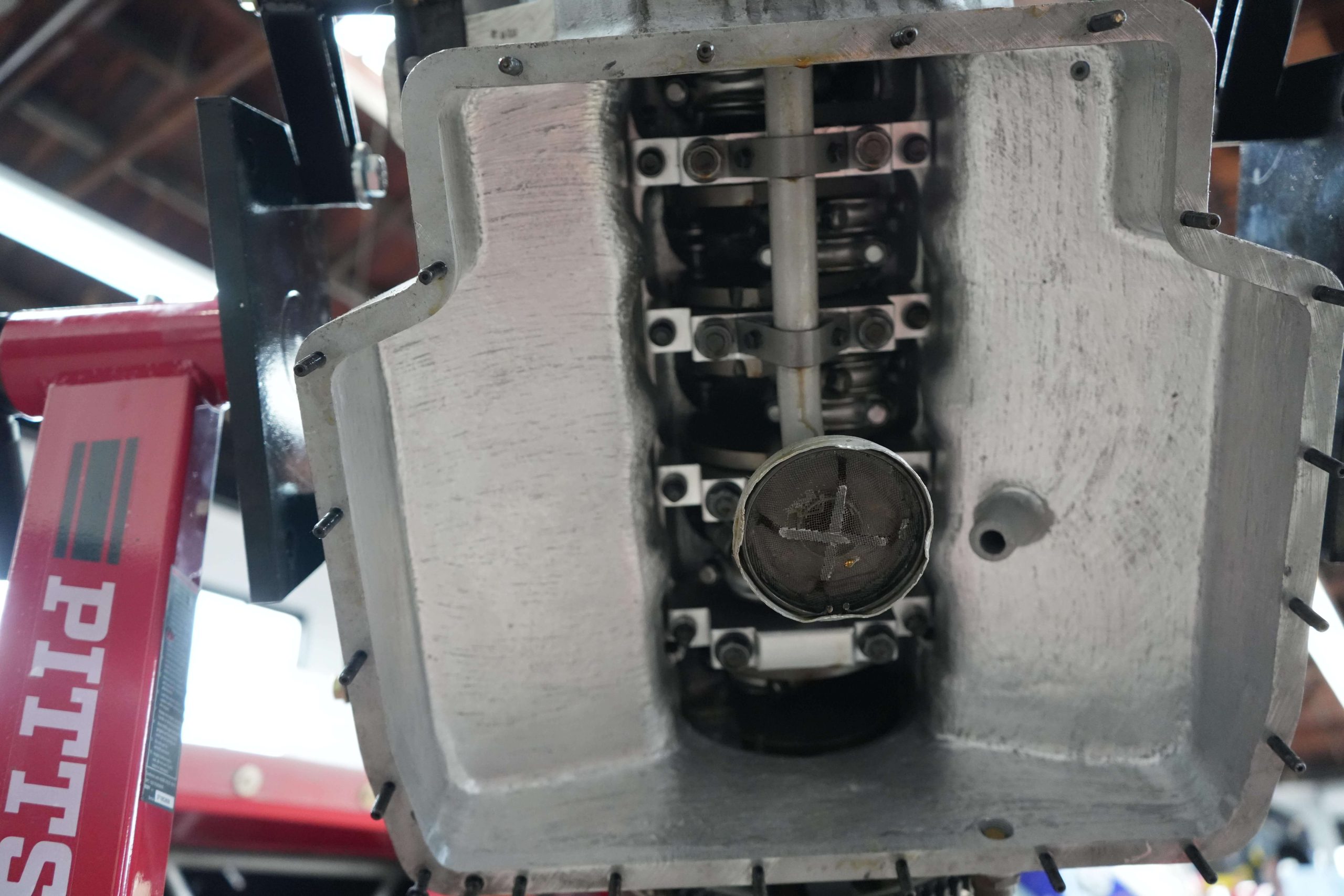
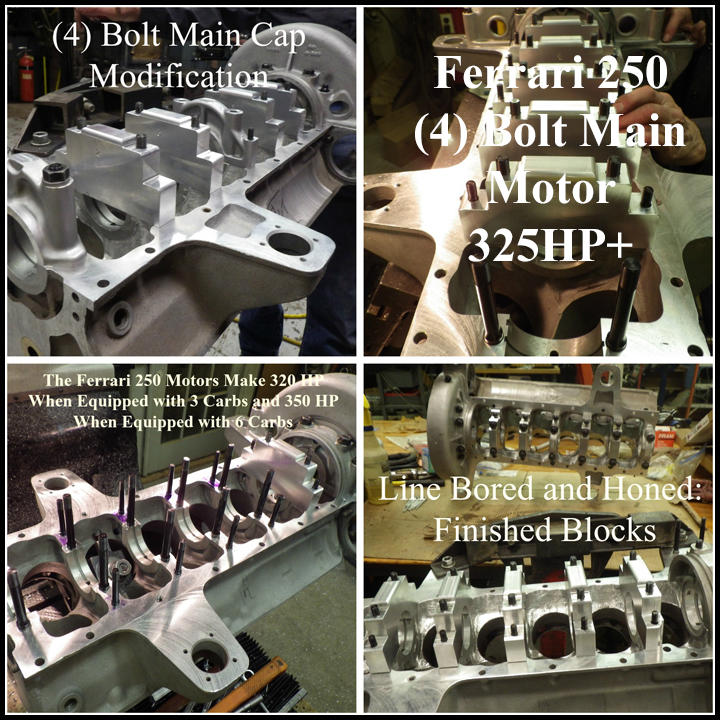
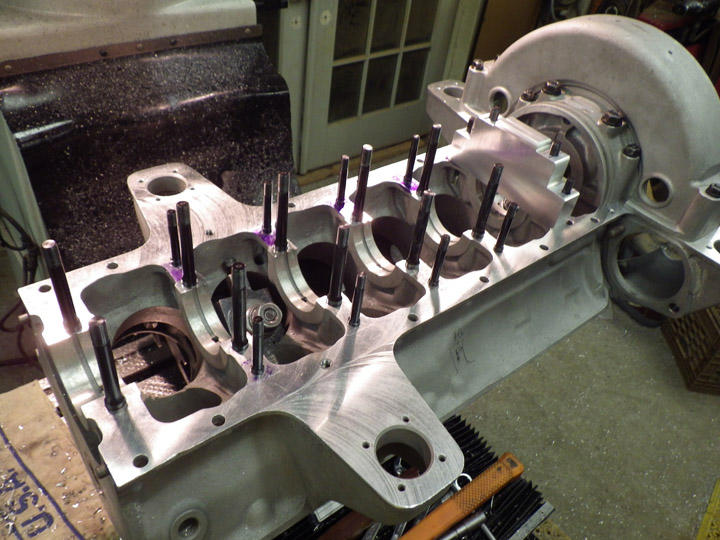
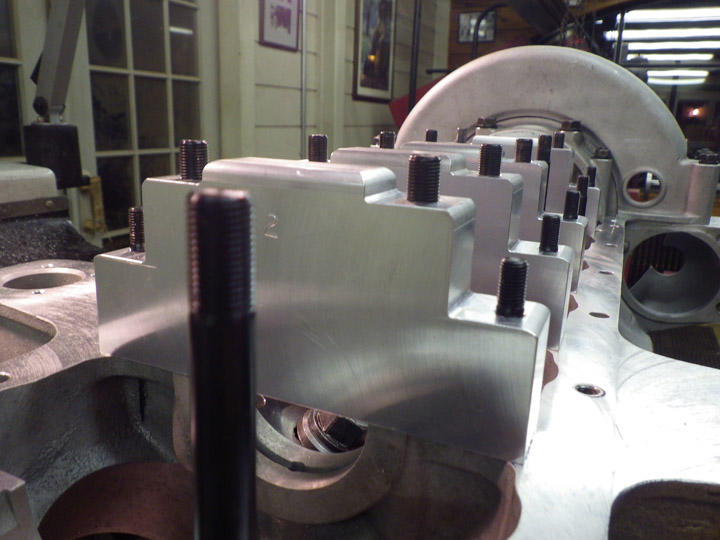
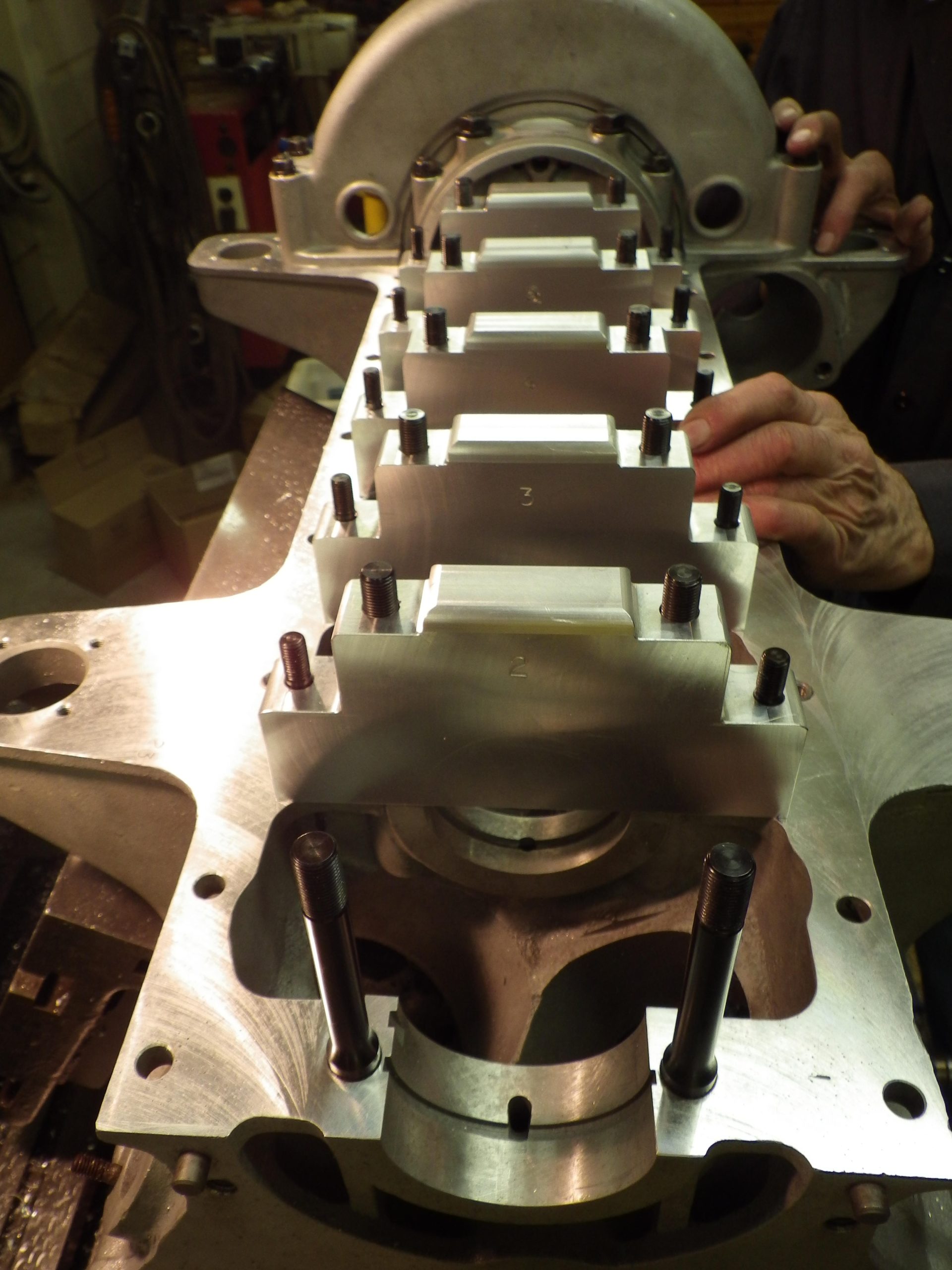
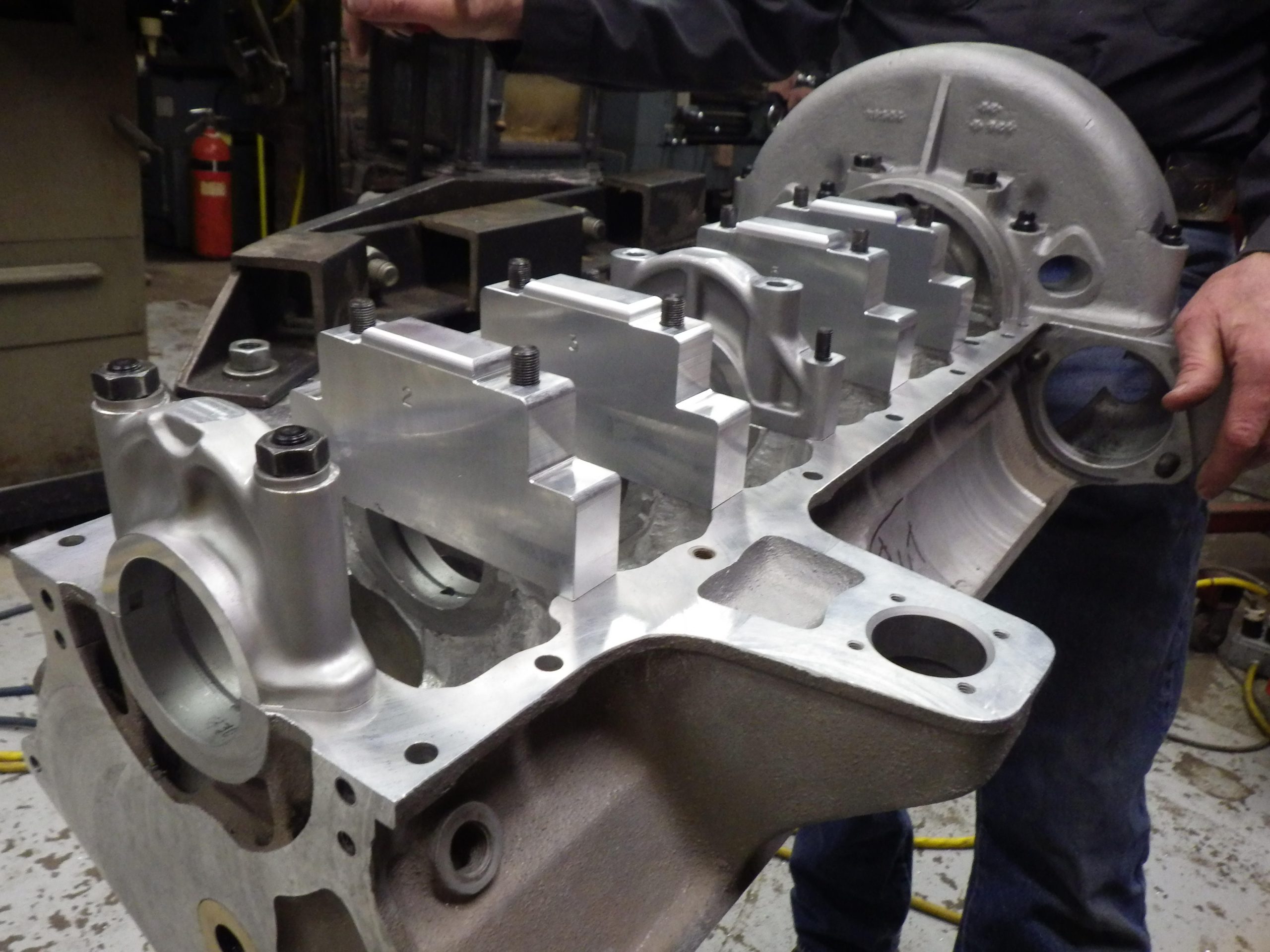
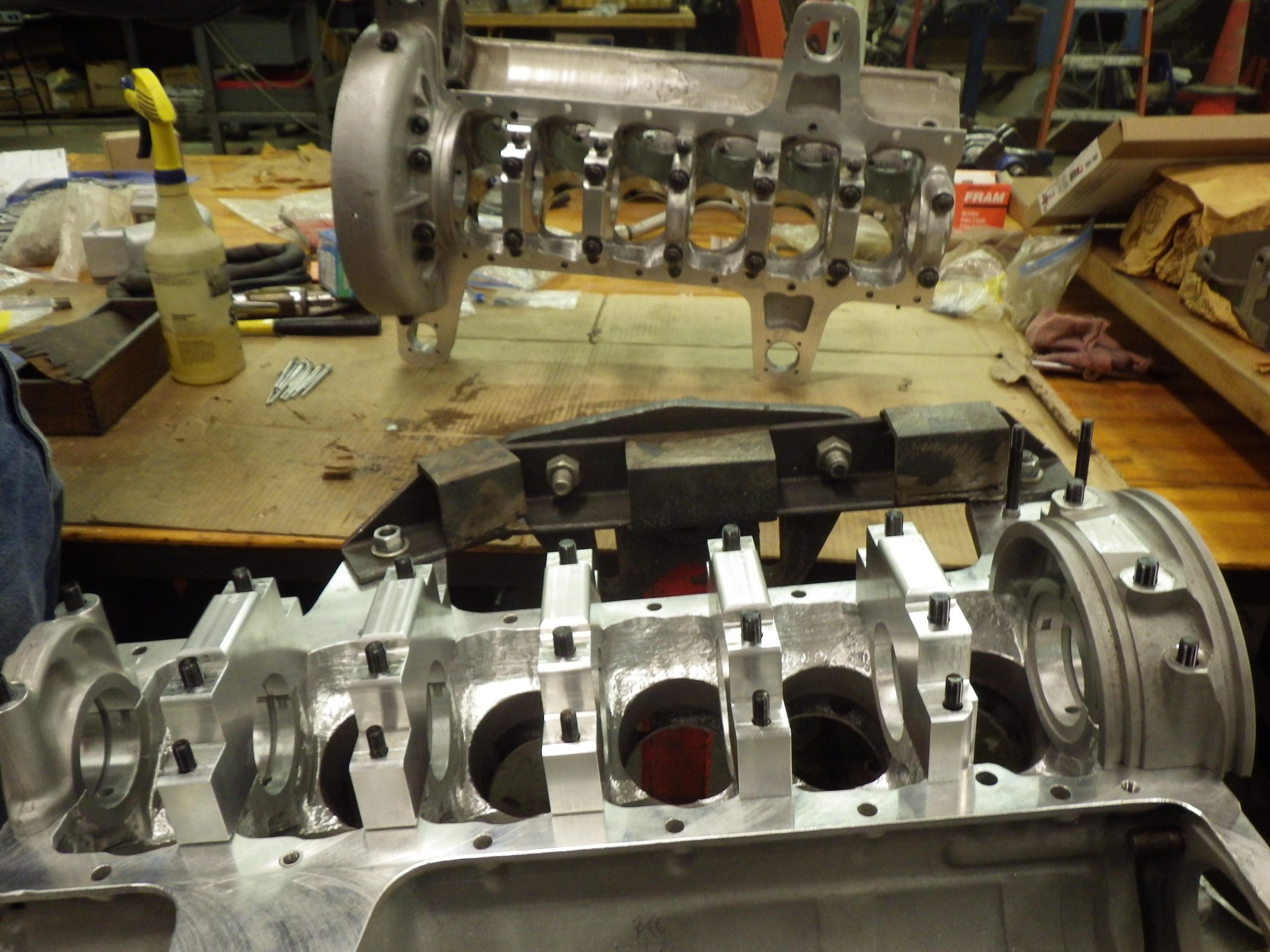
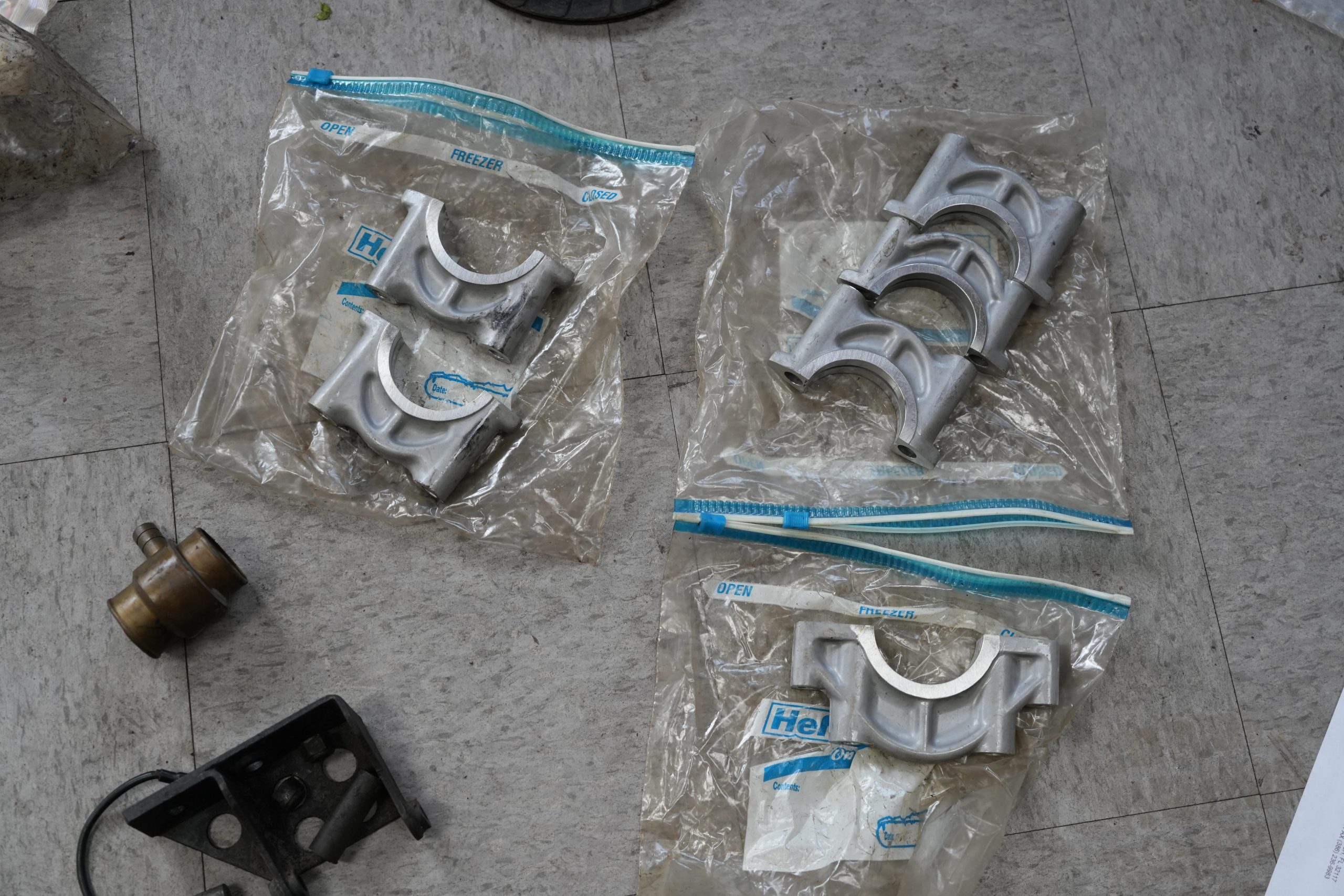
The bottom-end has been updated and improved with a full set of much more rigid 4-bolt main
bearing end caps, the block was line-bored and the cylinder liners were honed-to-fit. The builder,
Dick DeBiasse, claimed 320-325 hp with the 3-carb setup and 350 hp with a 6-carb setup with
six separate intake runners.
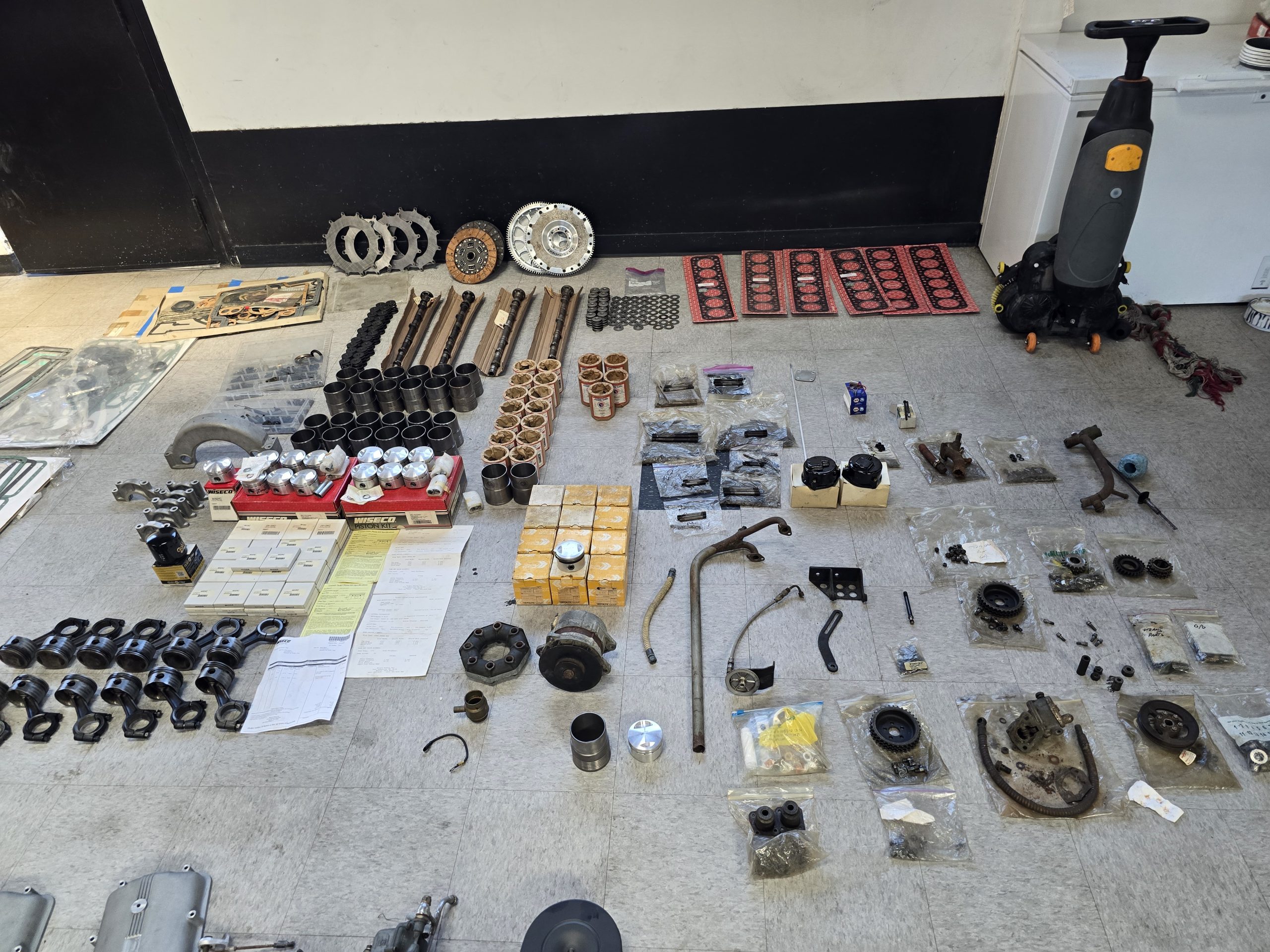
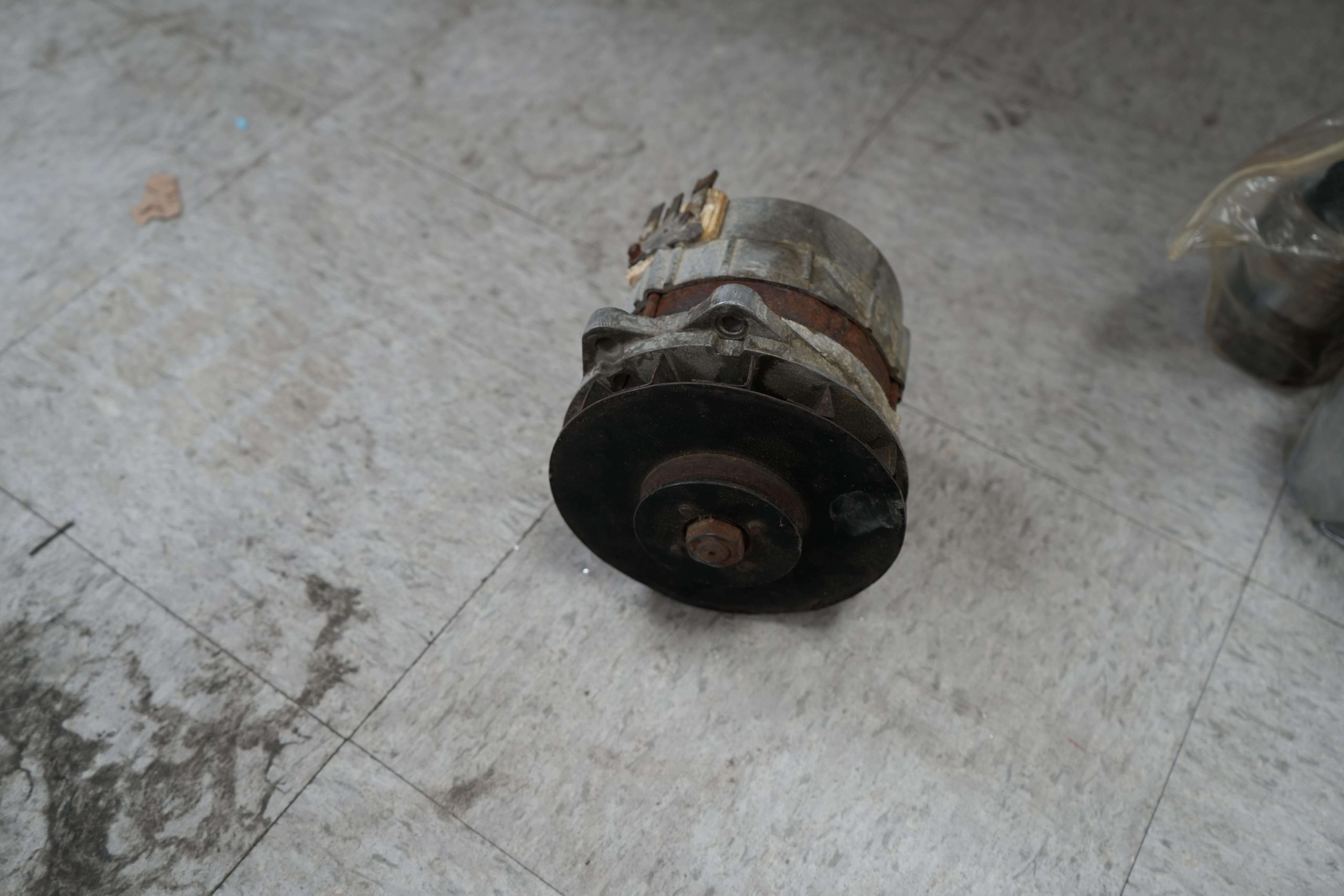
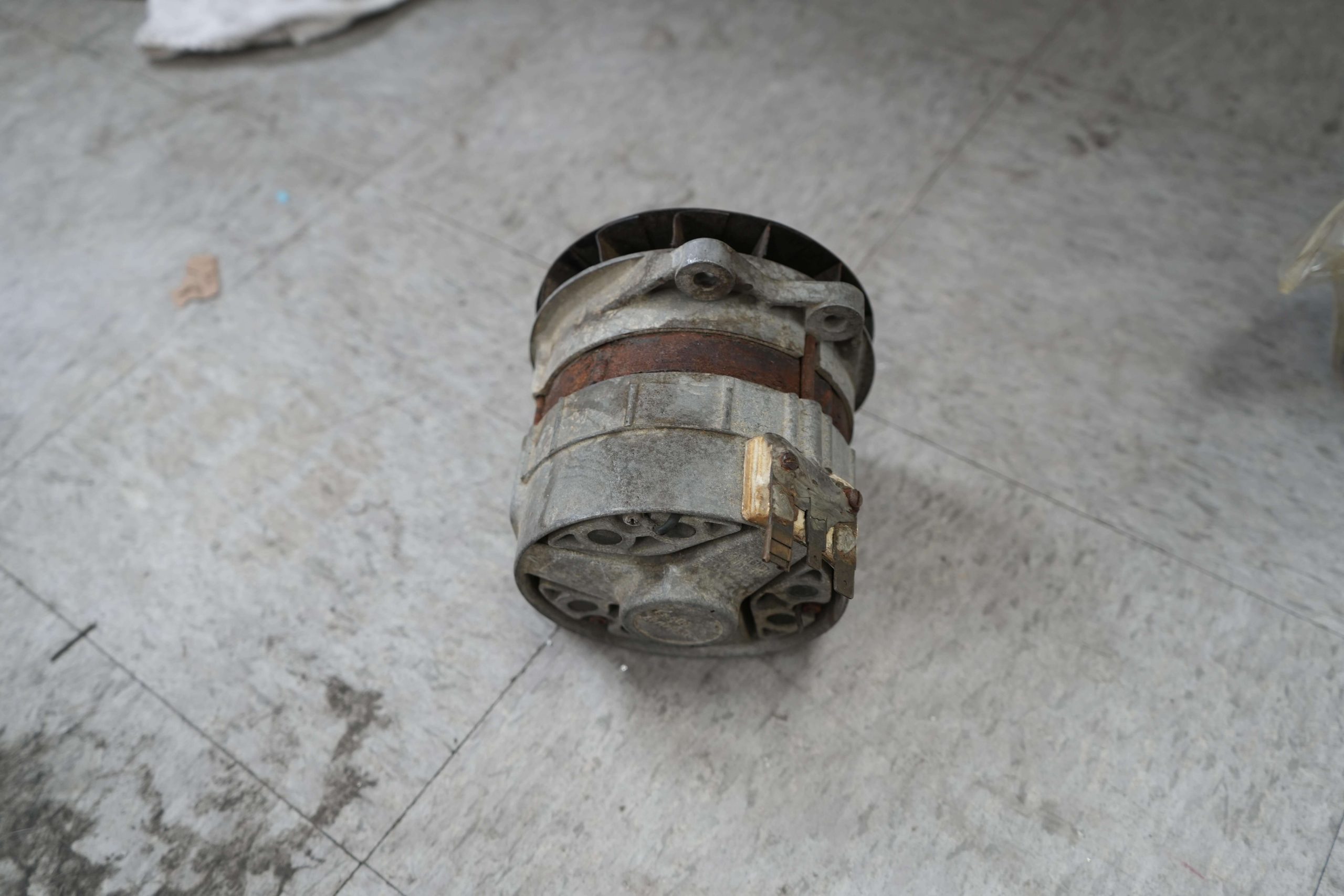
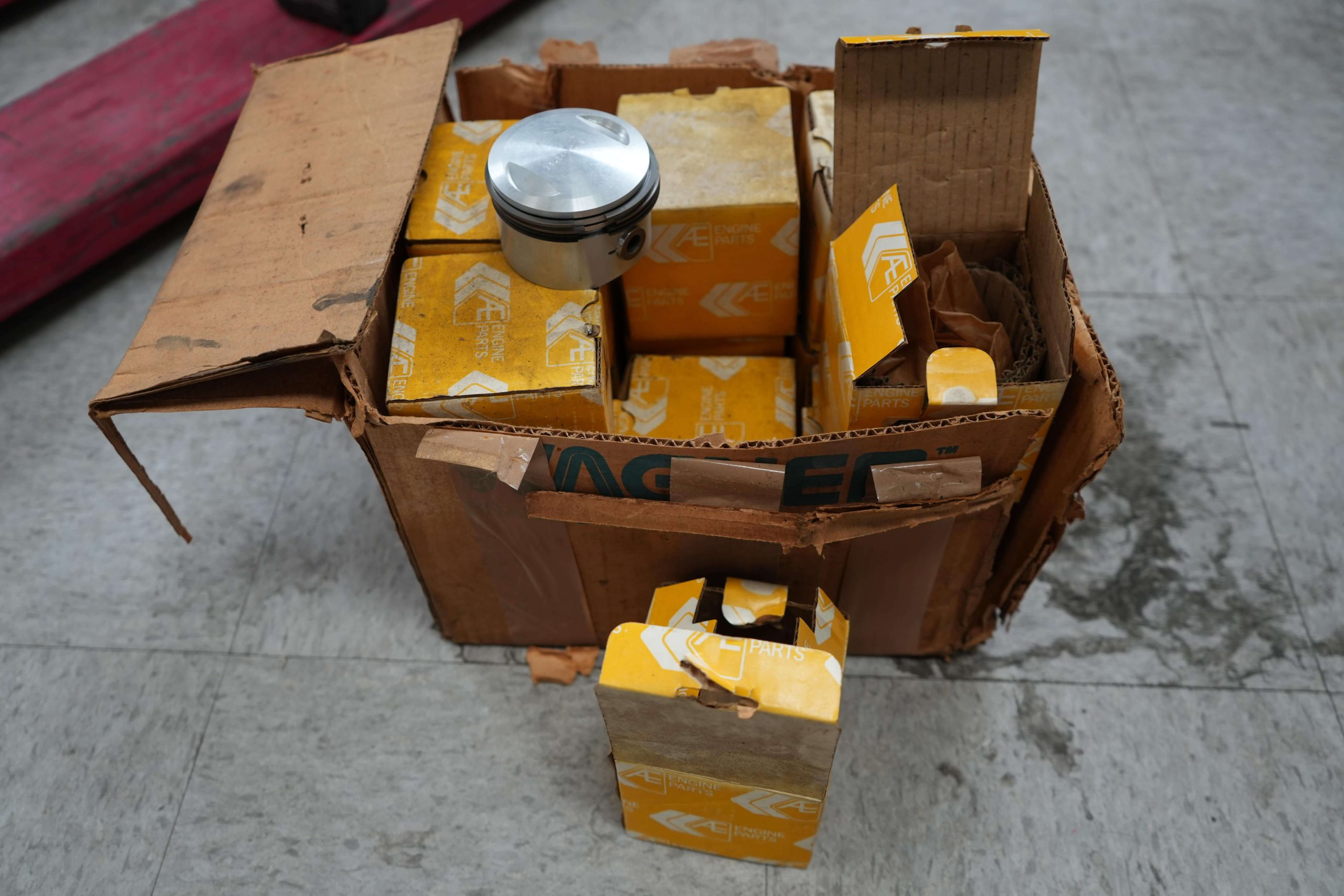
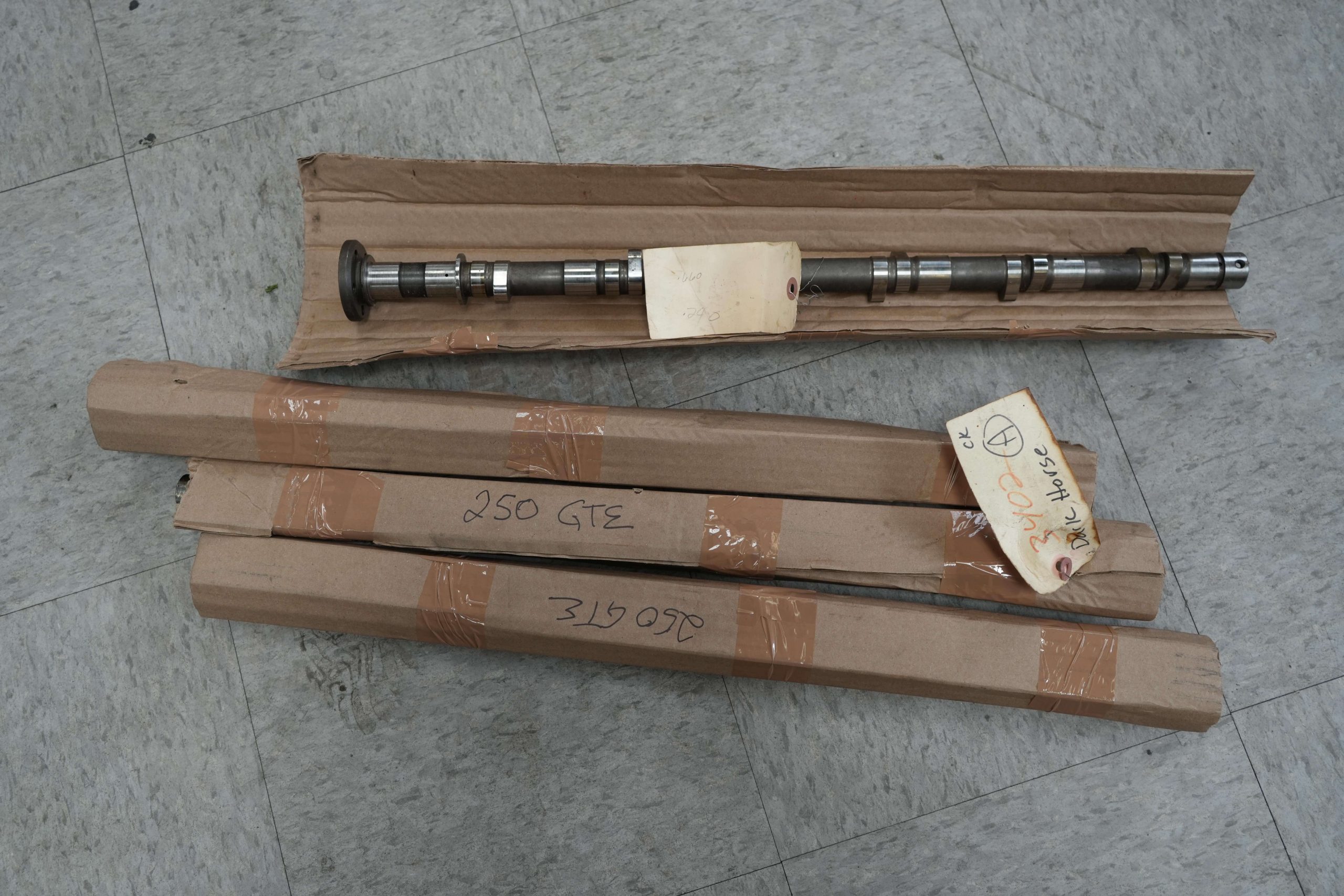
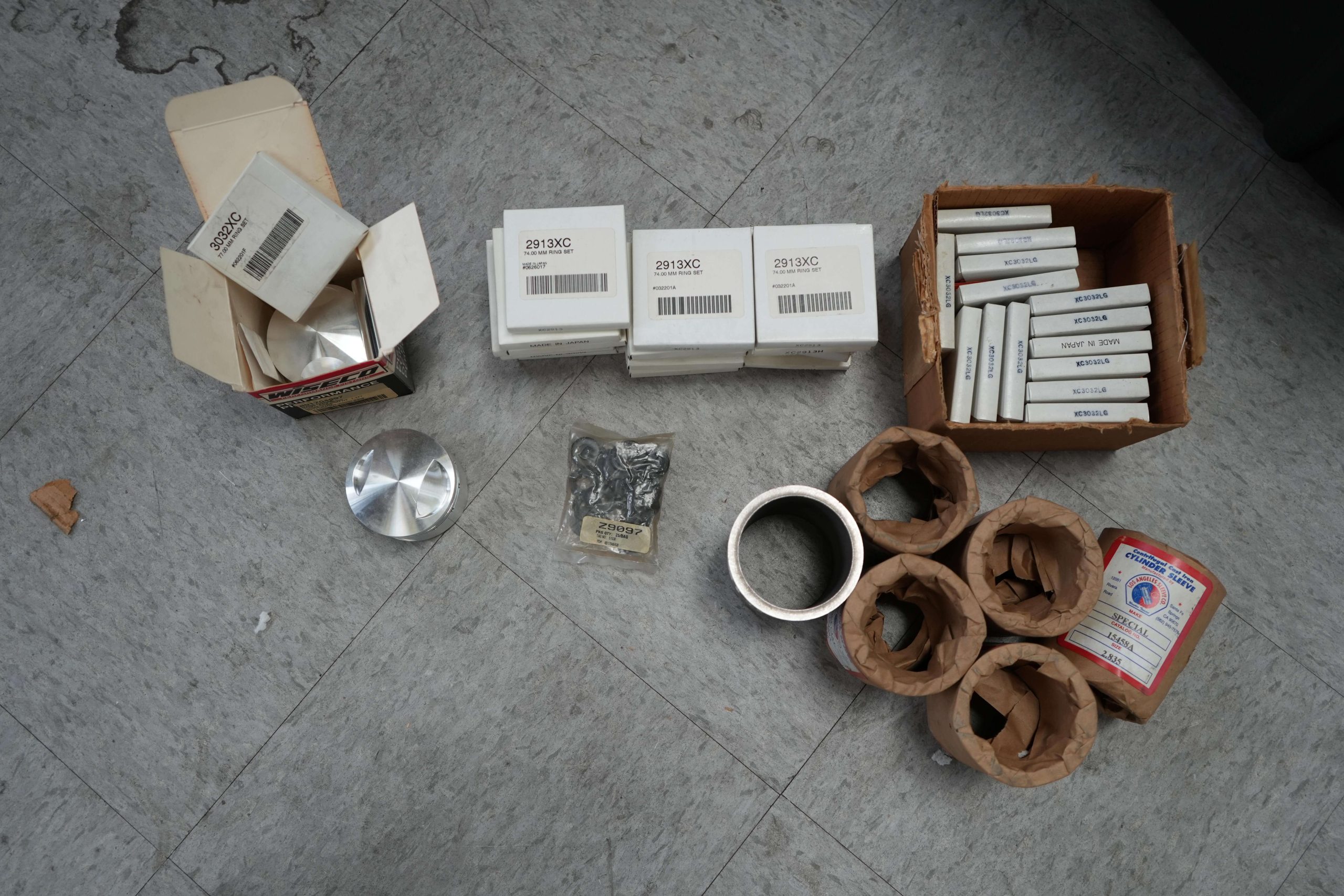
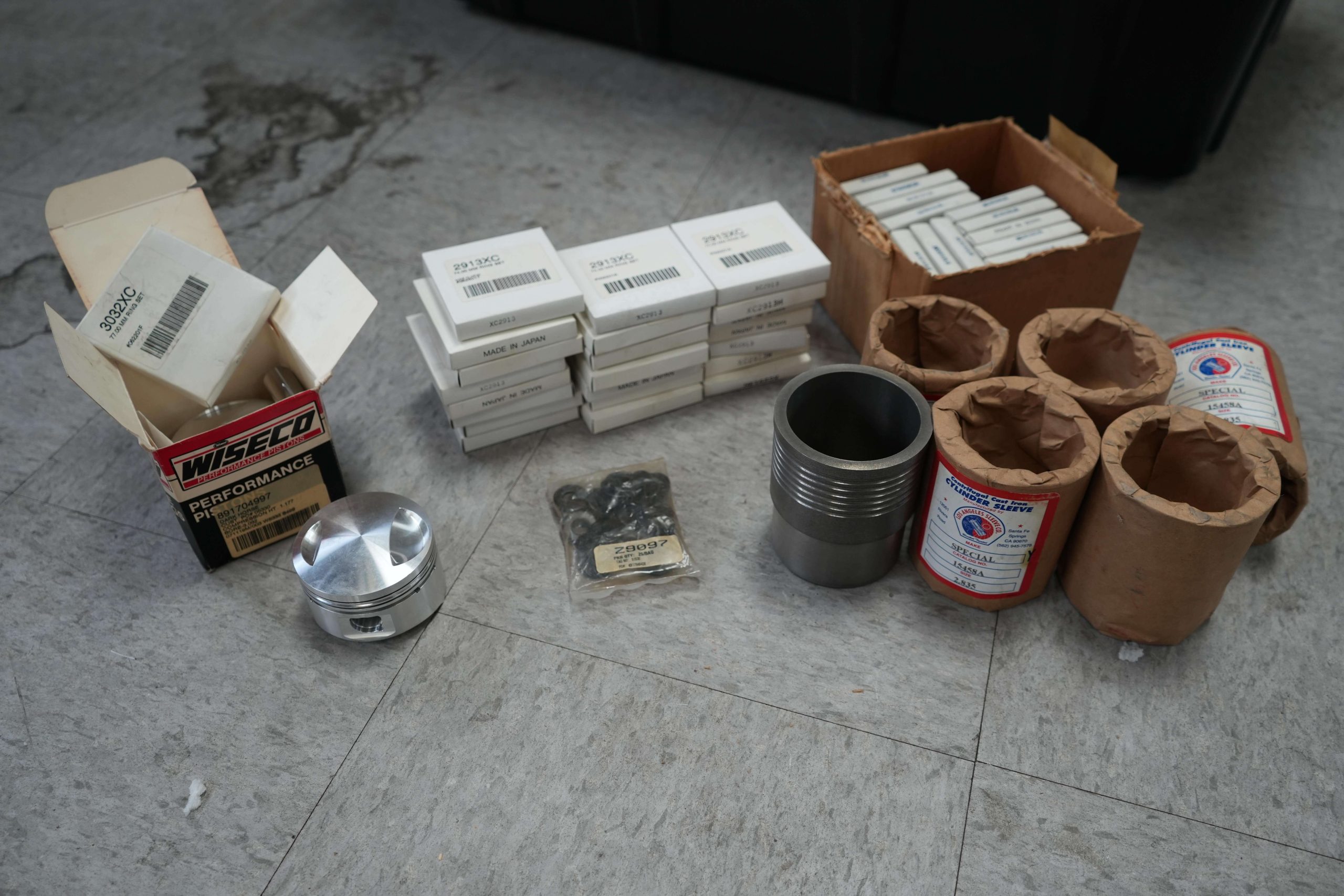
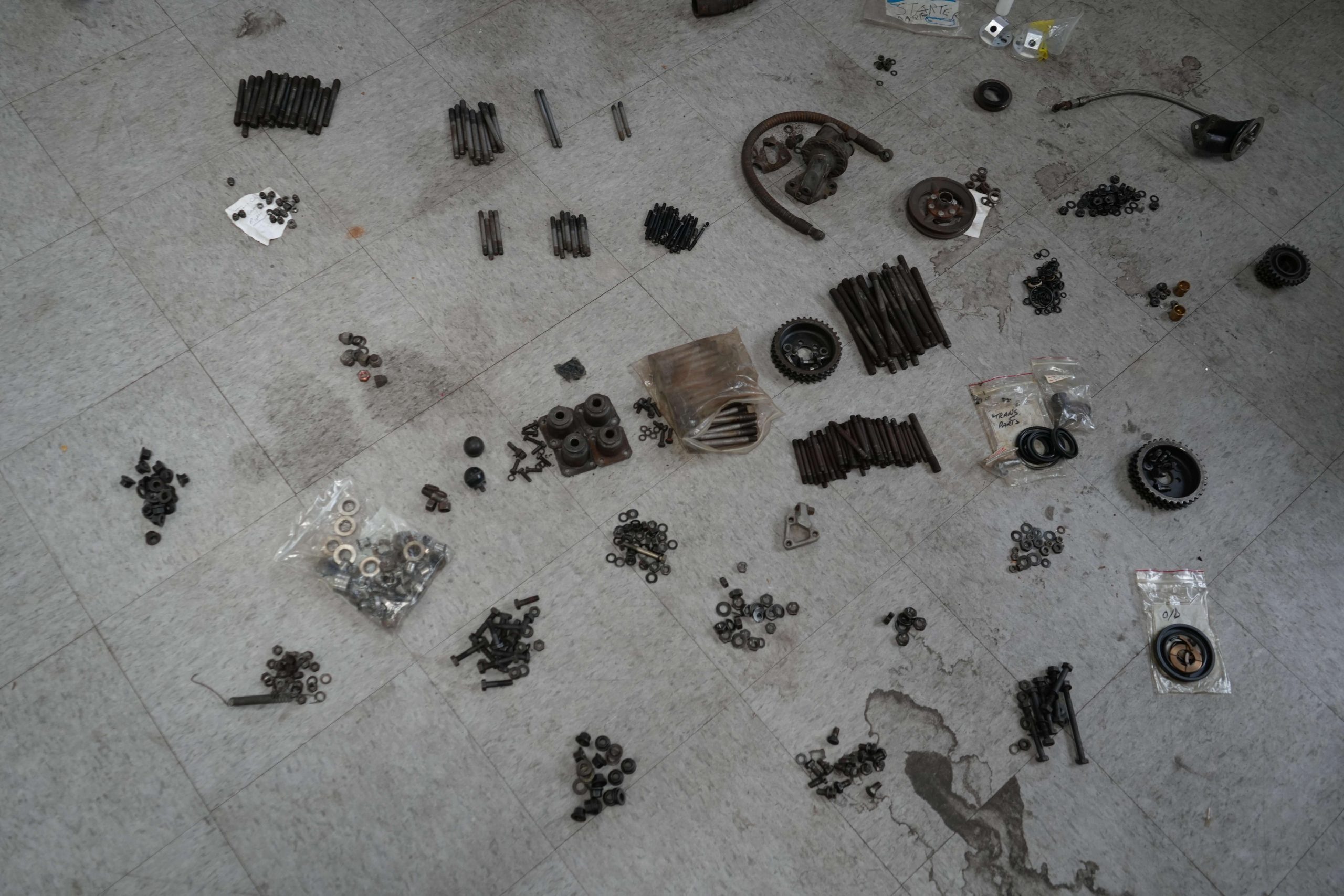
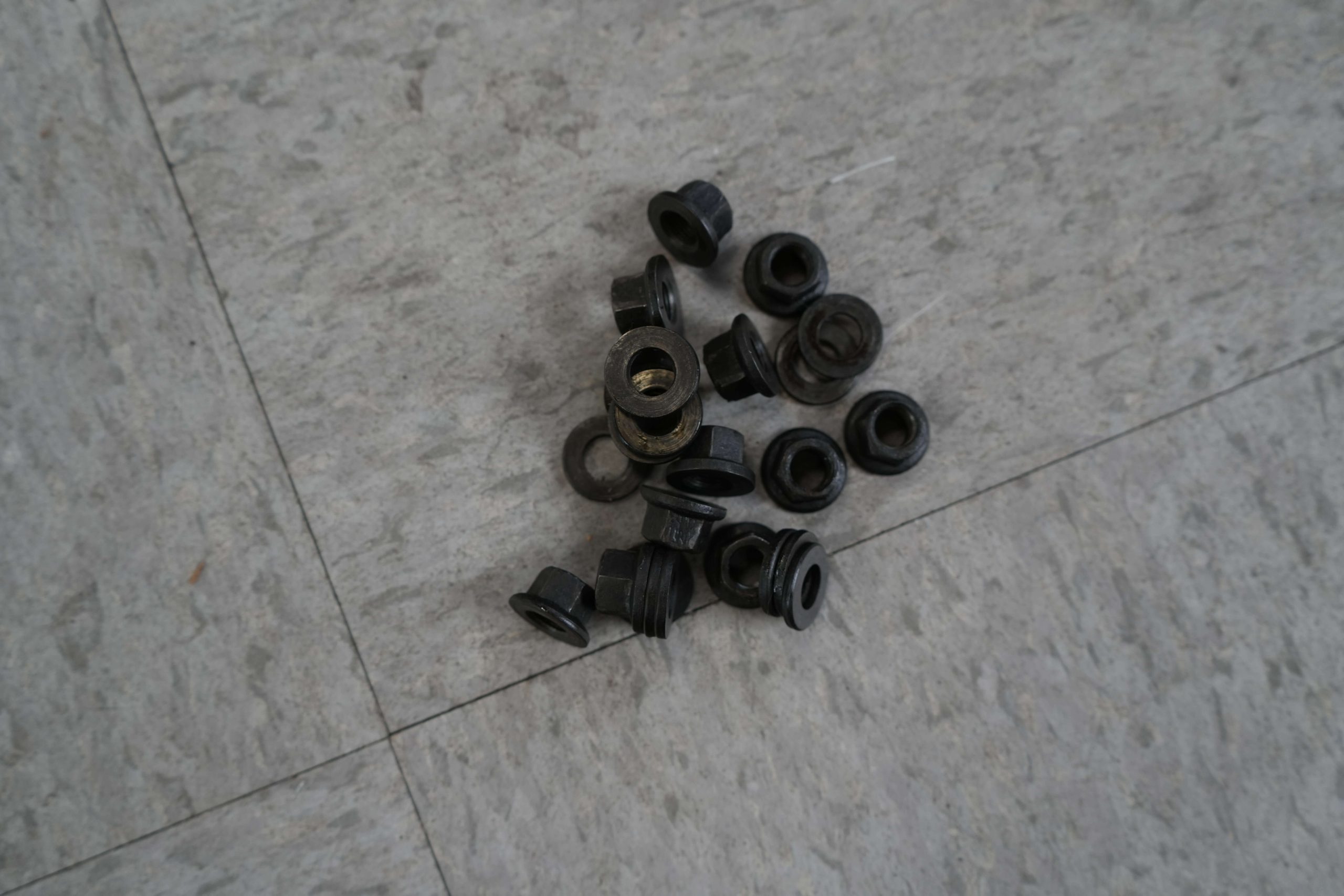
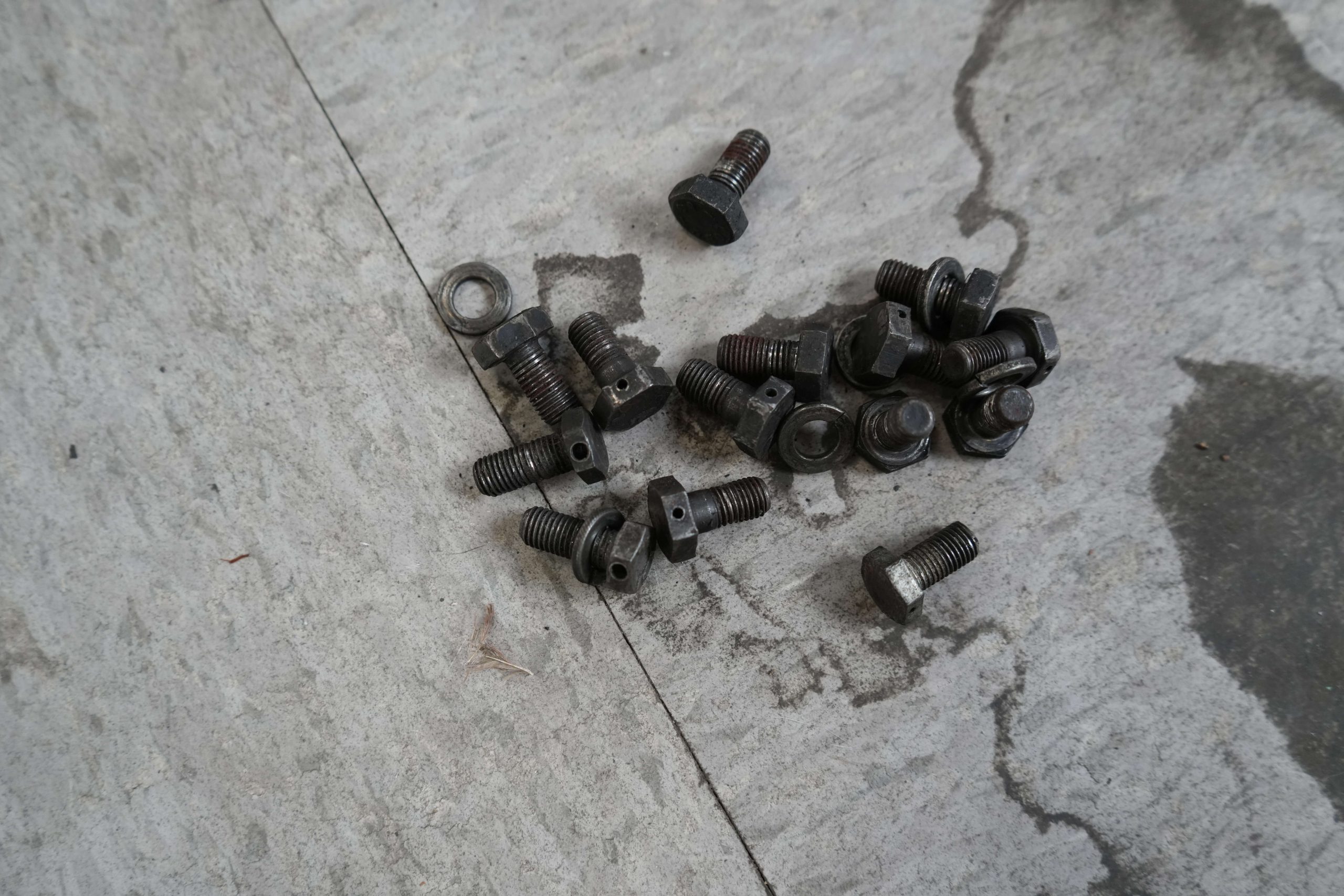
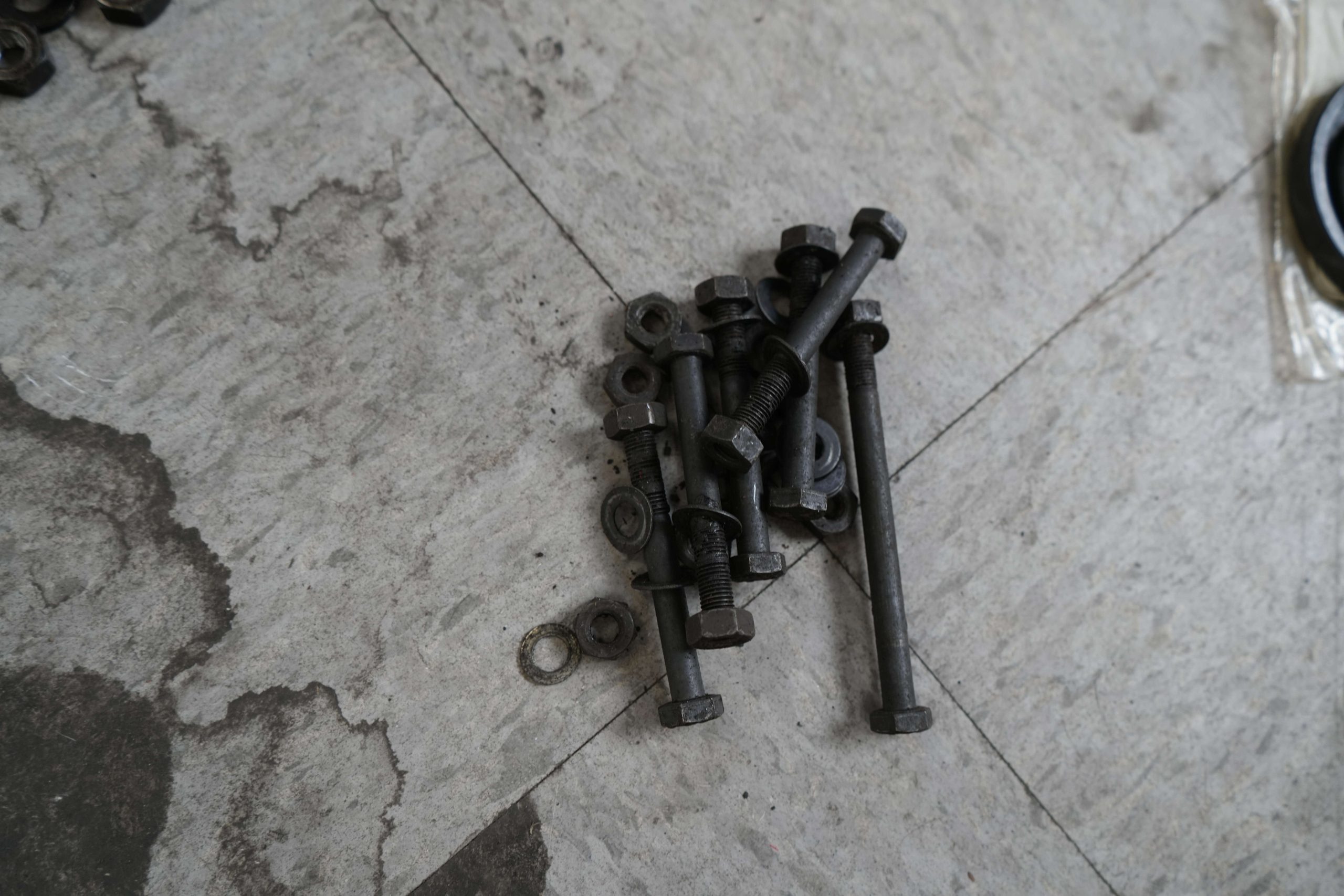
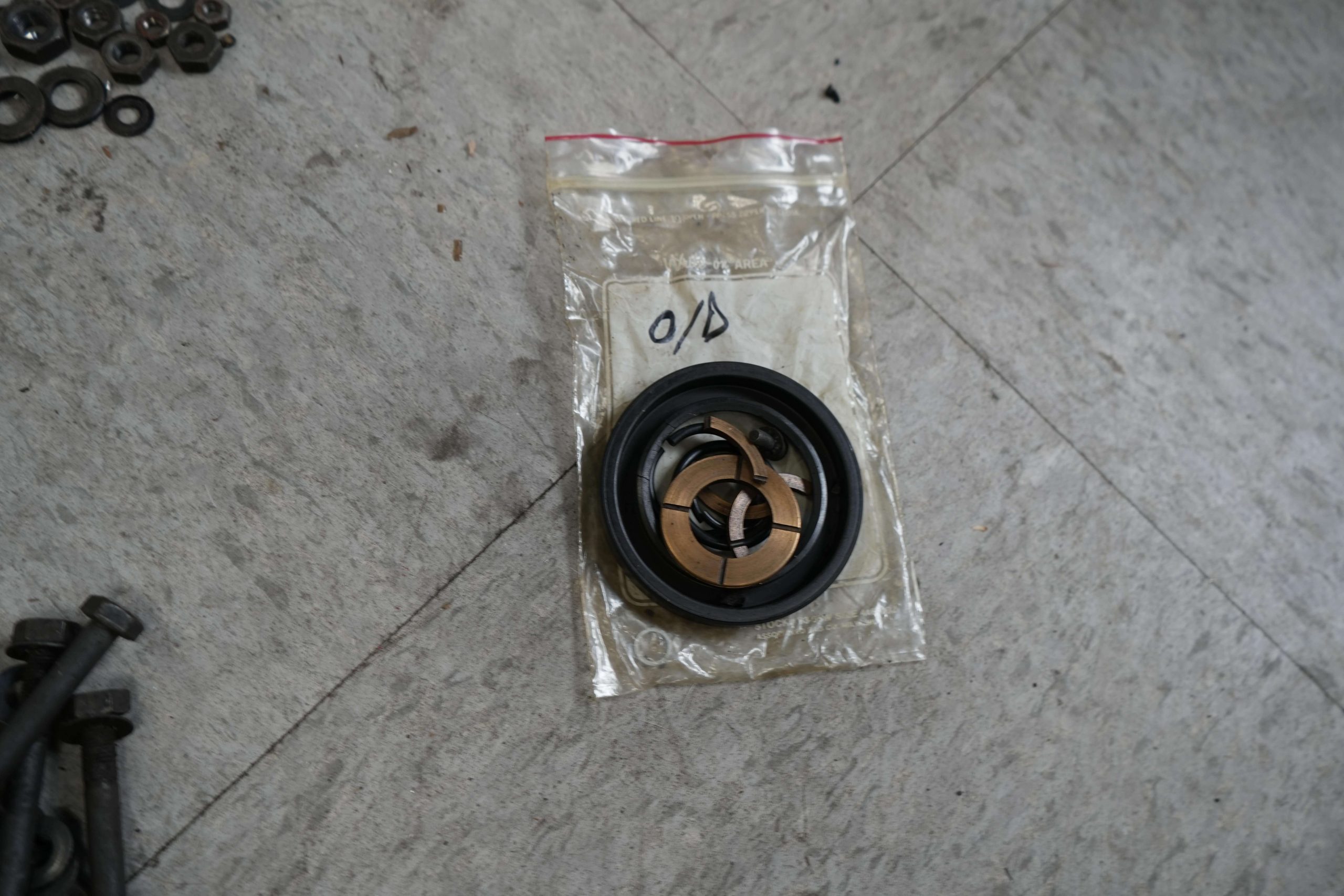
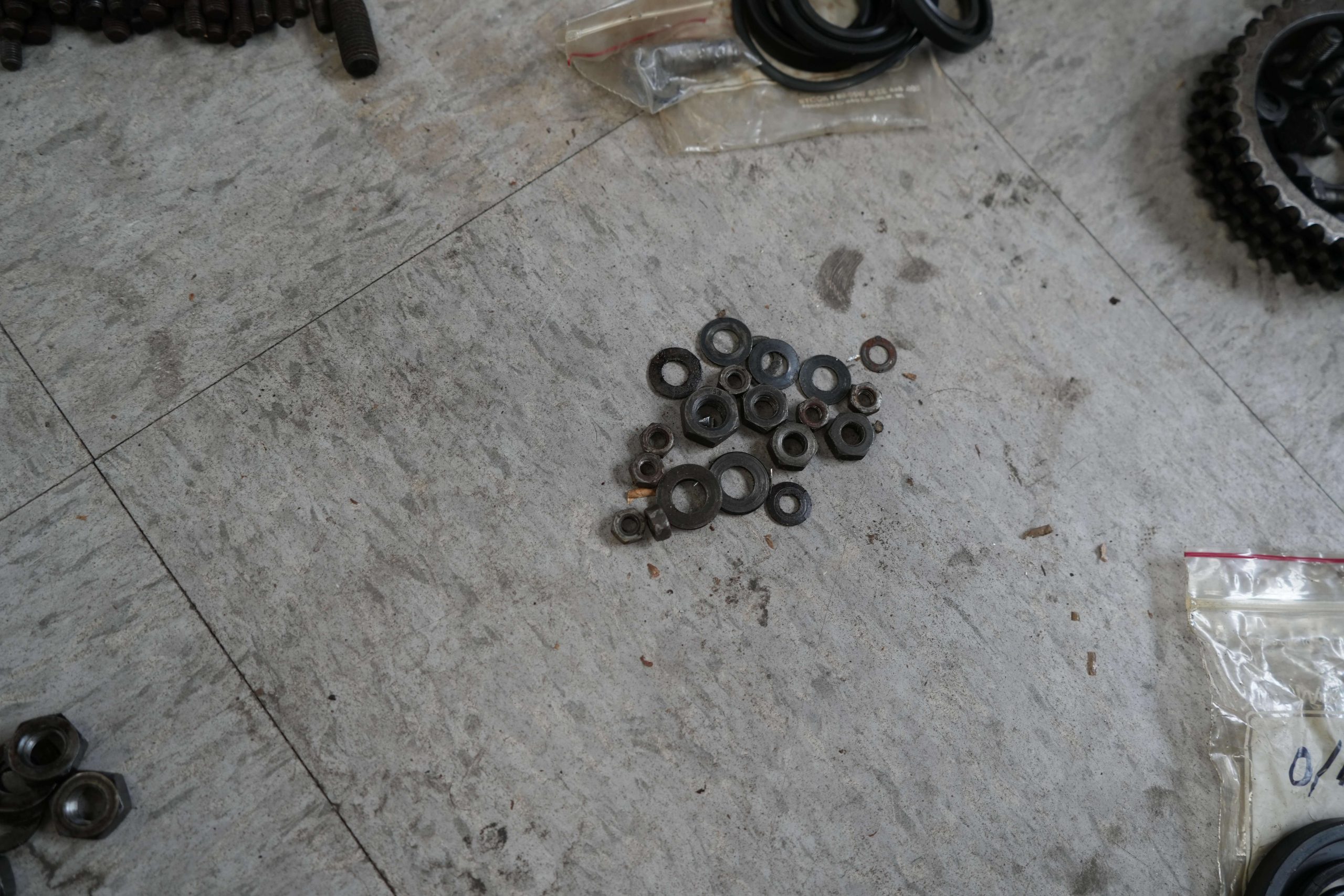
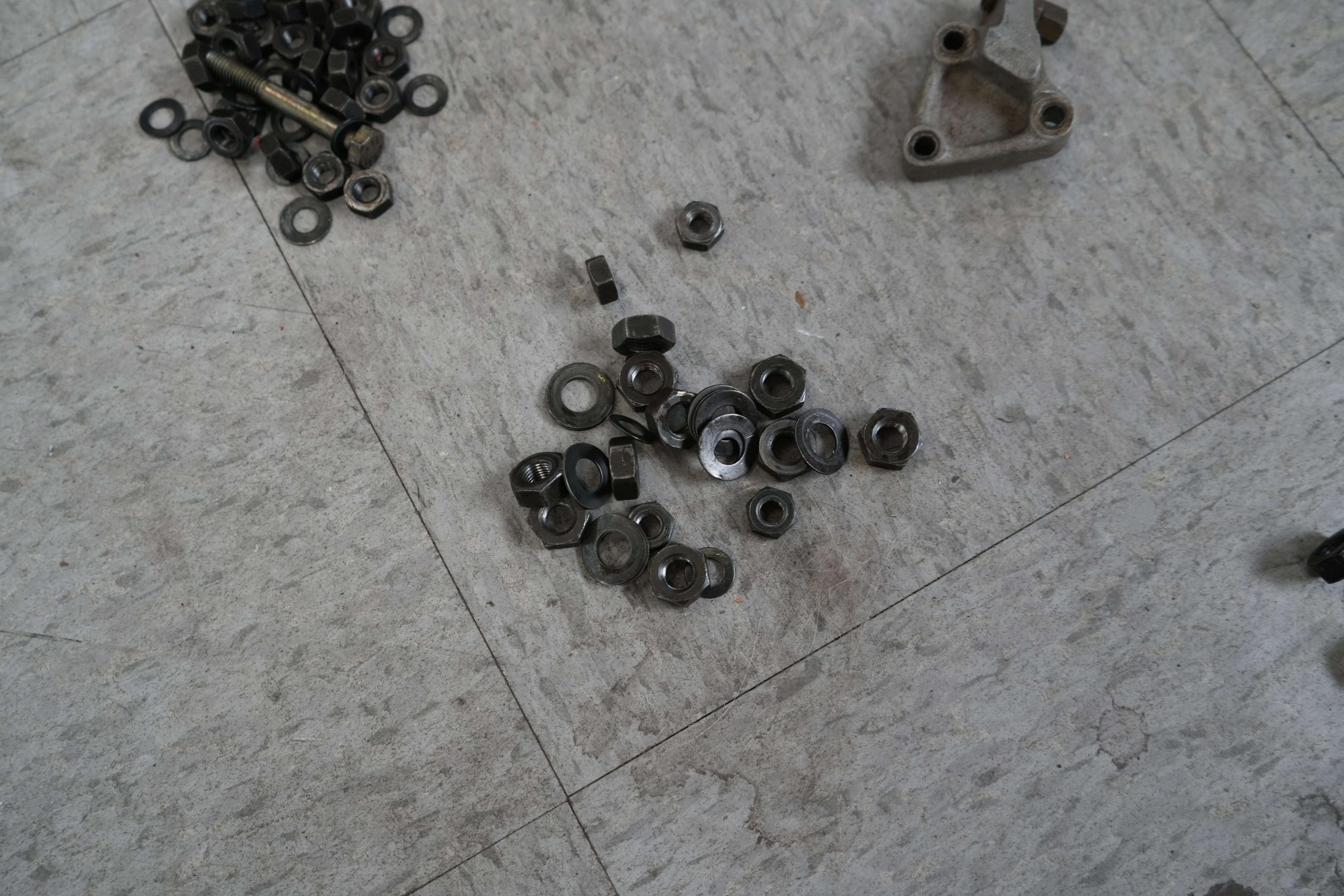
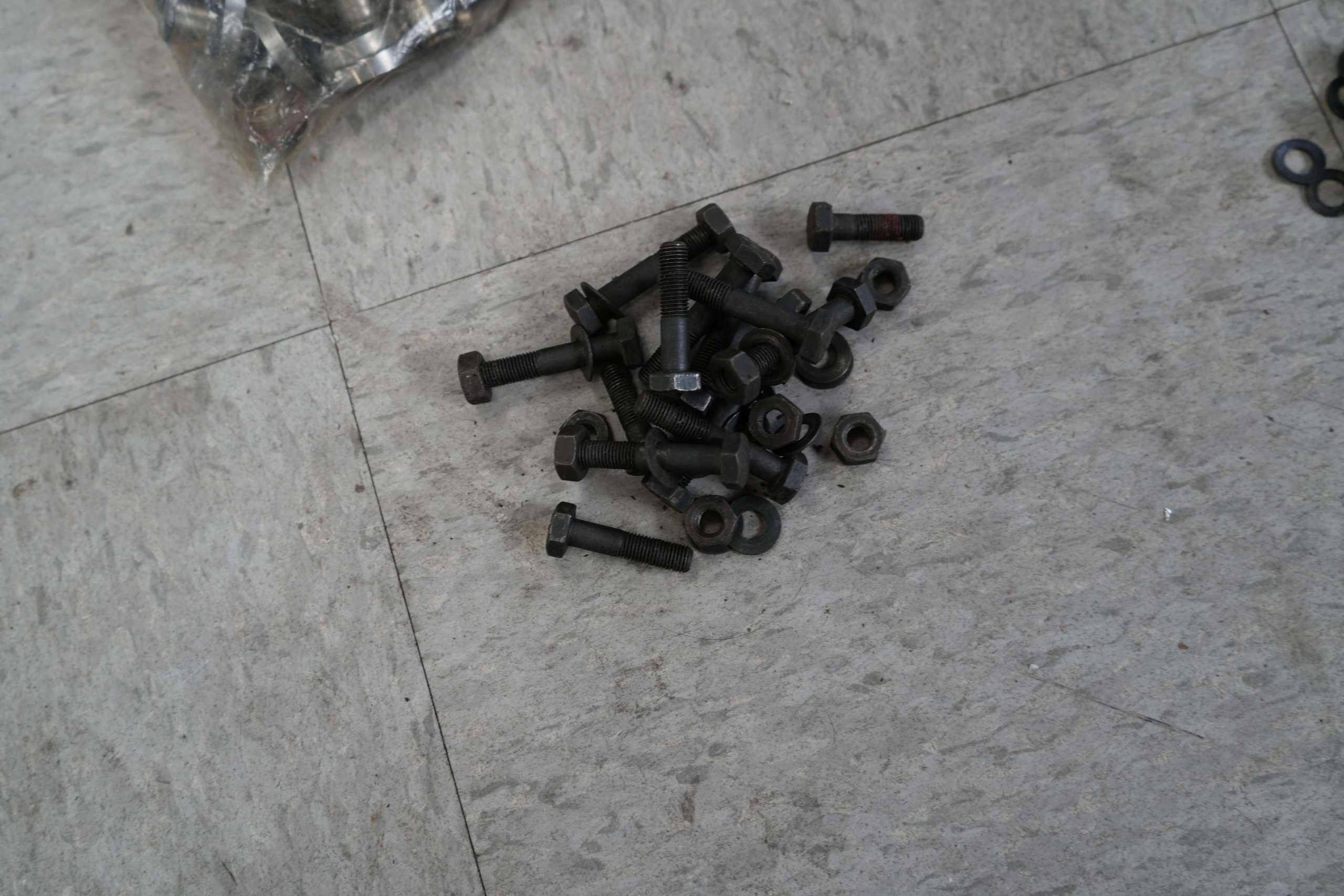
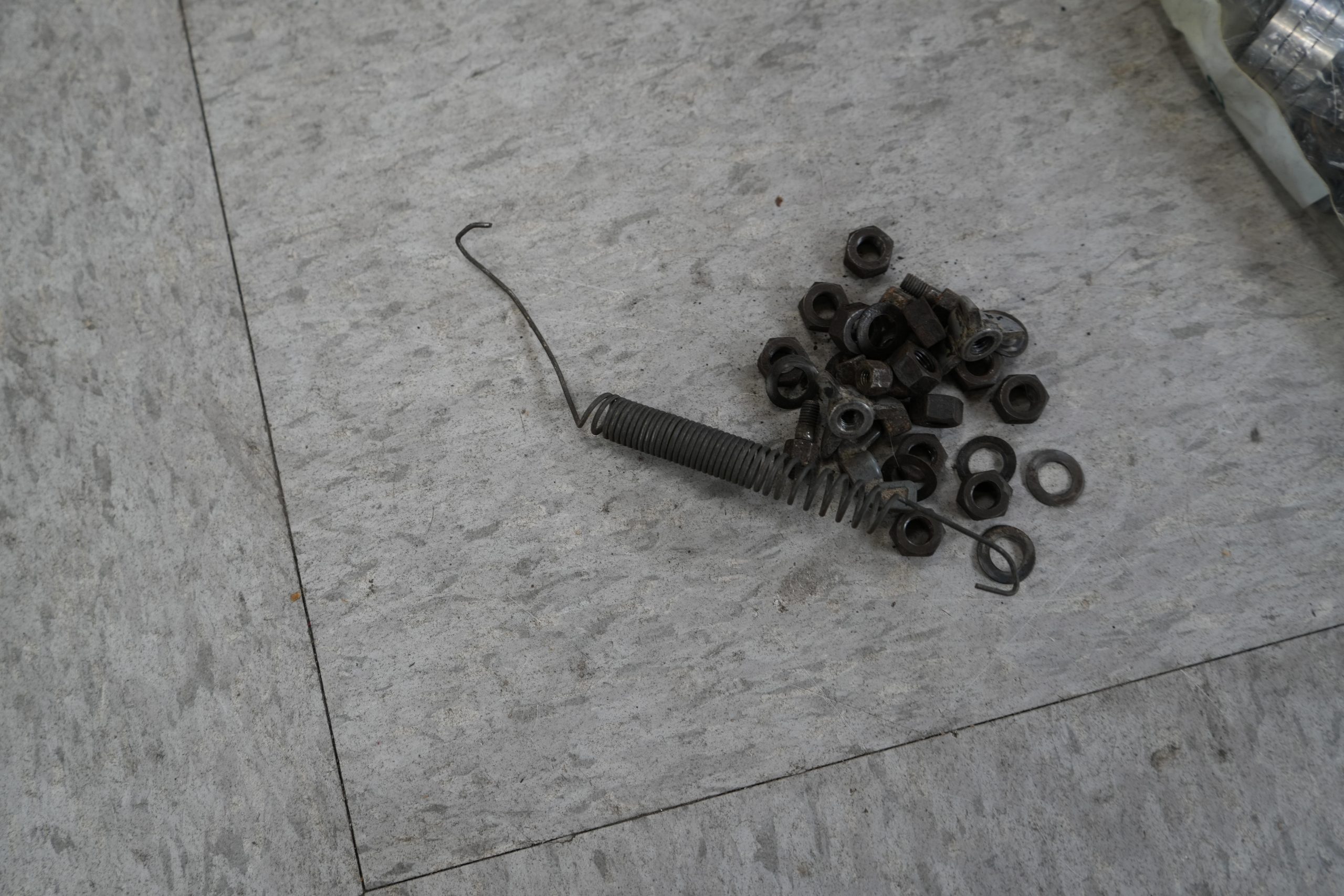
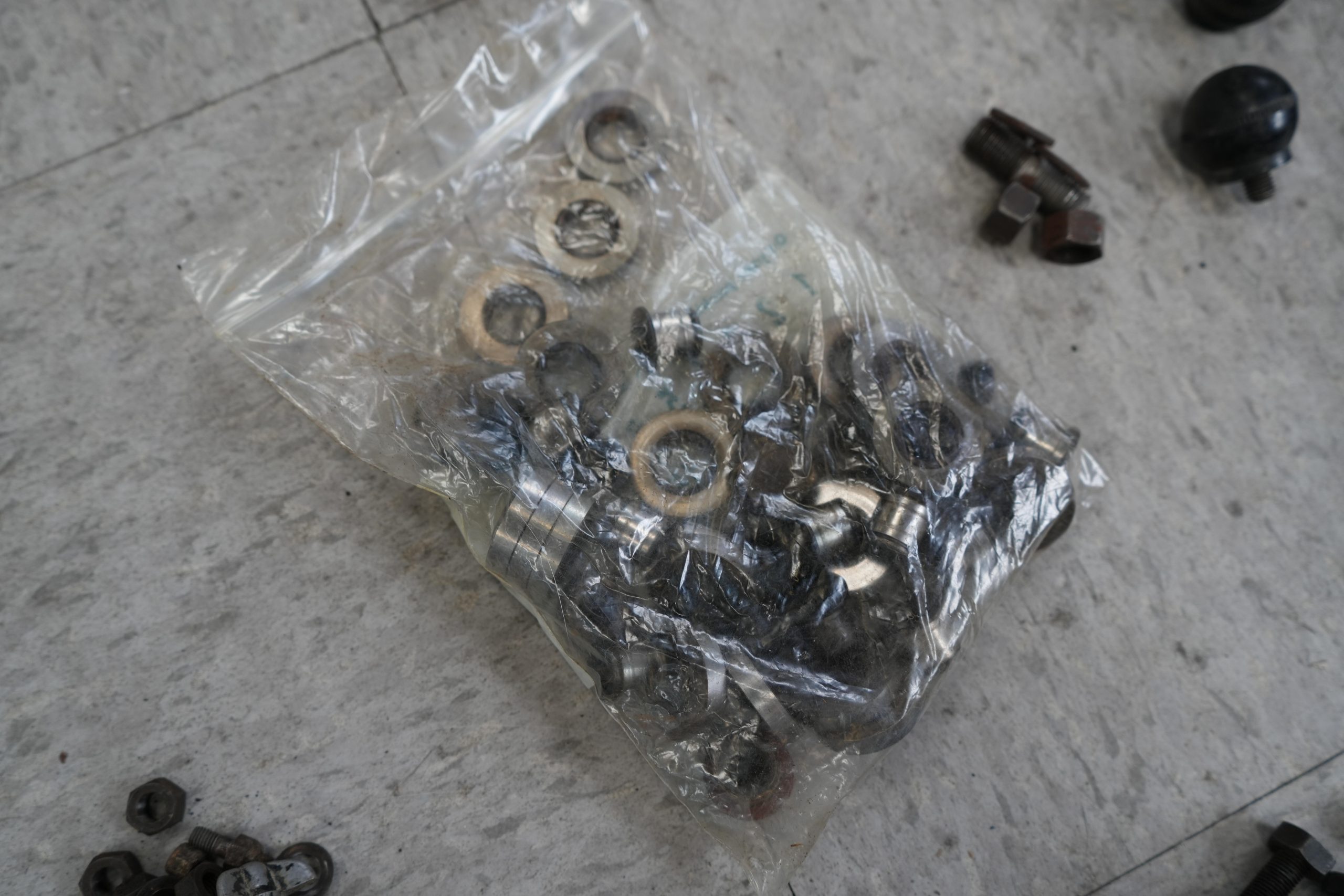
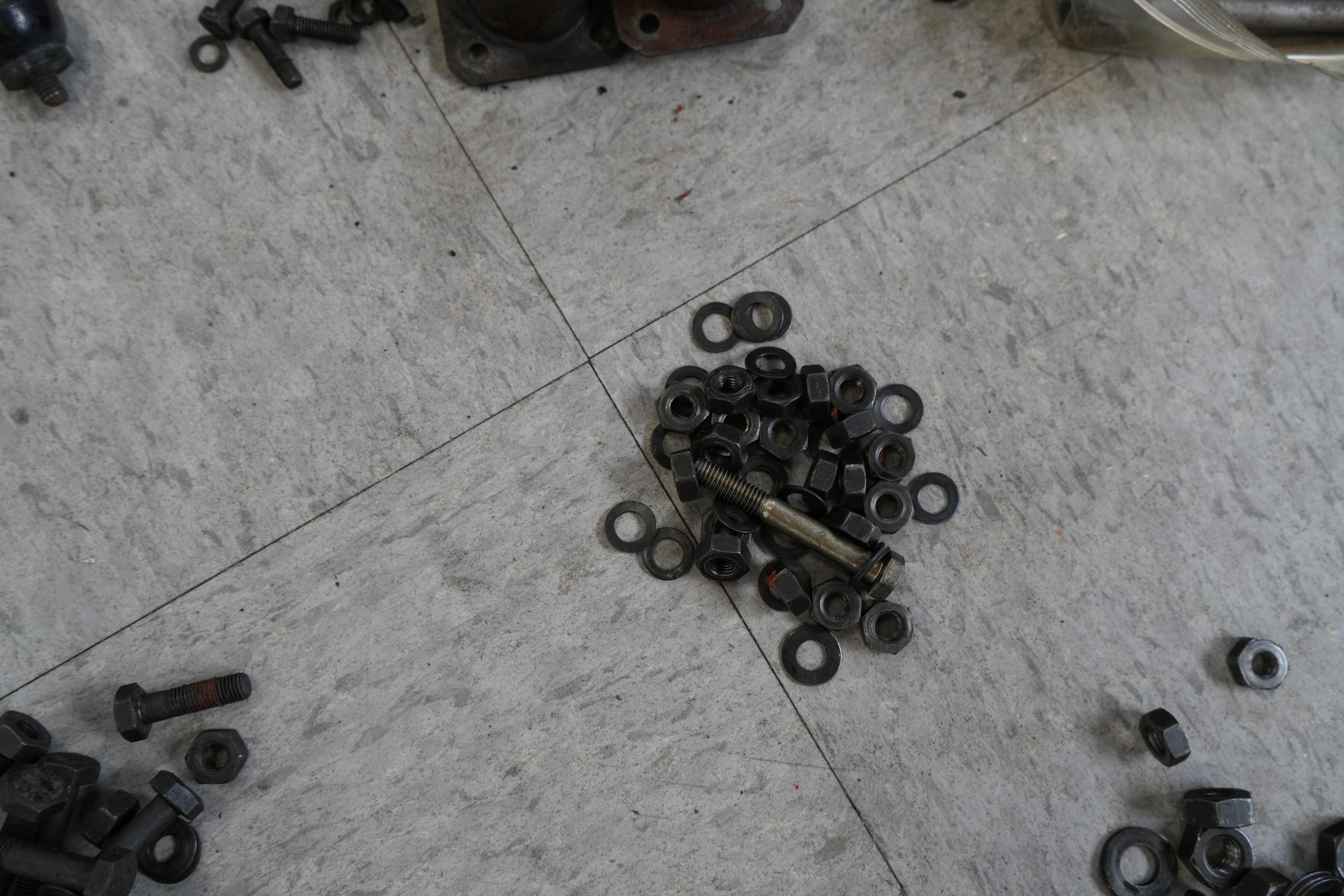
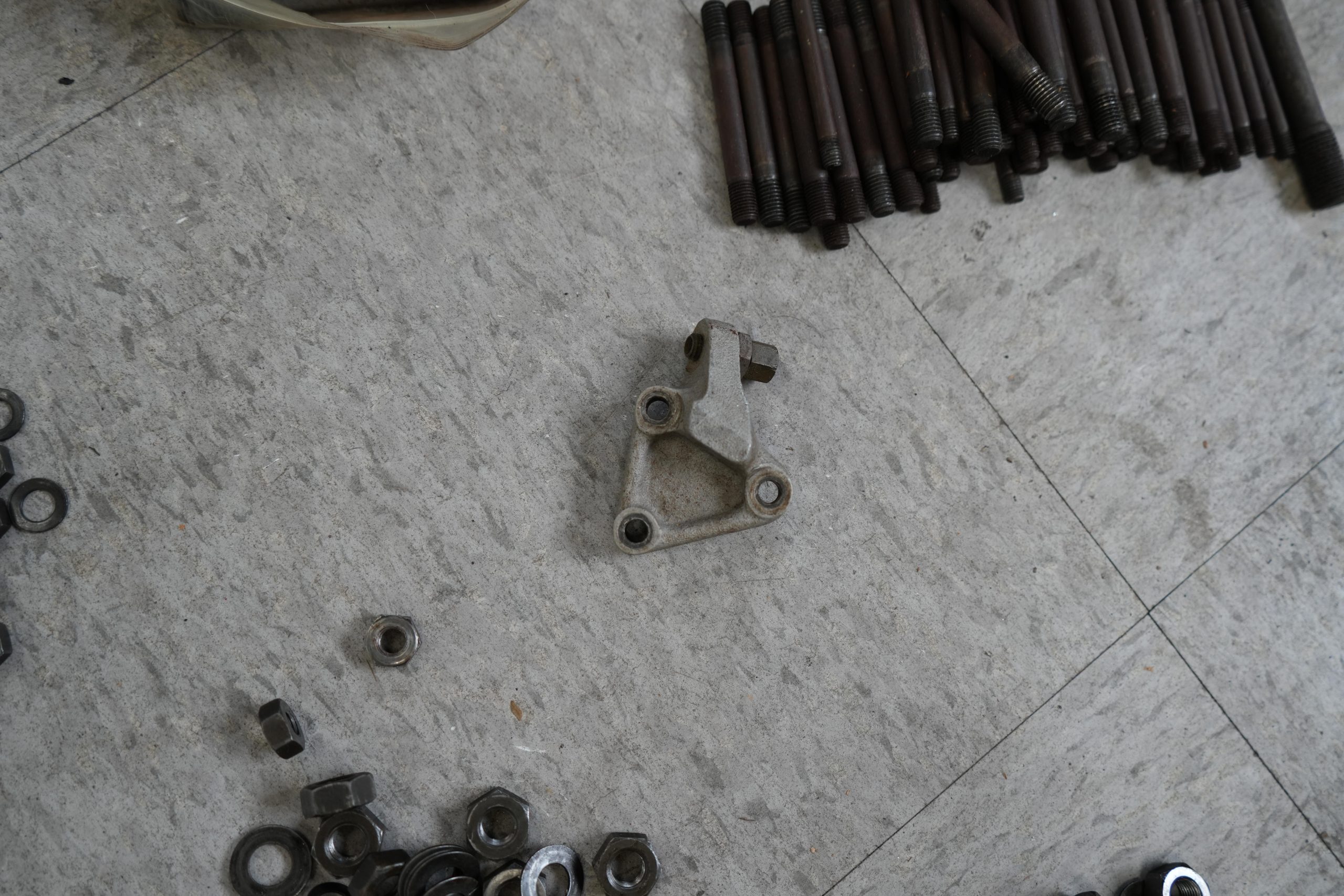
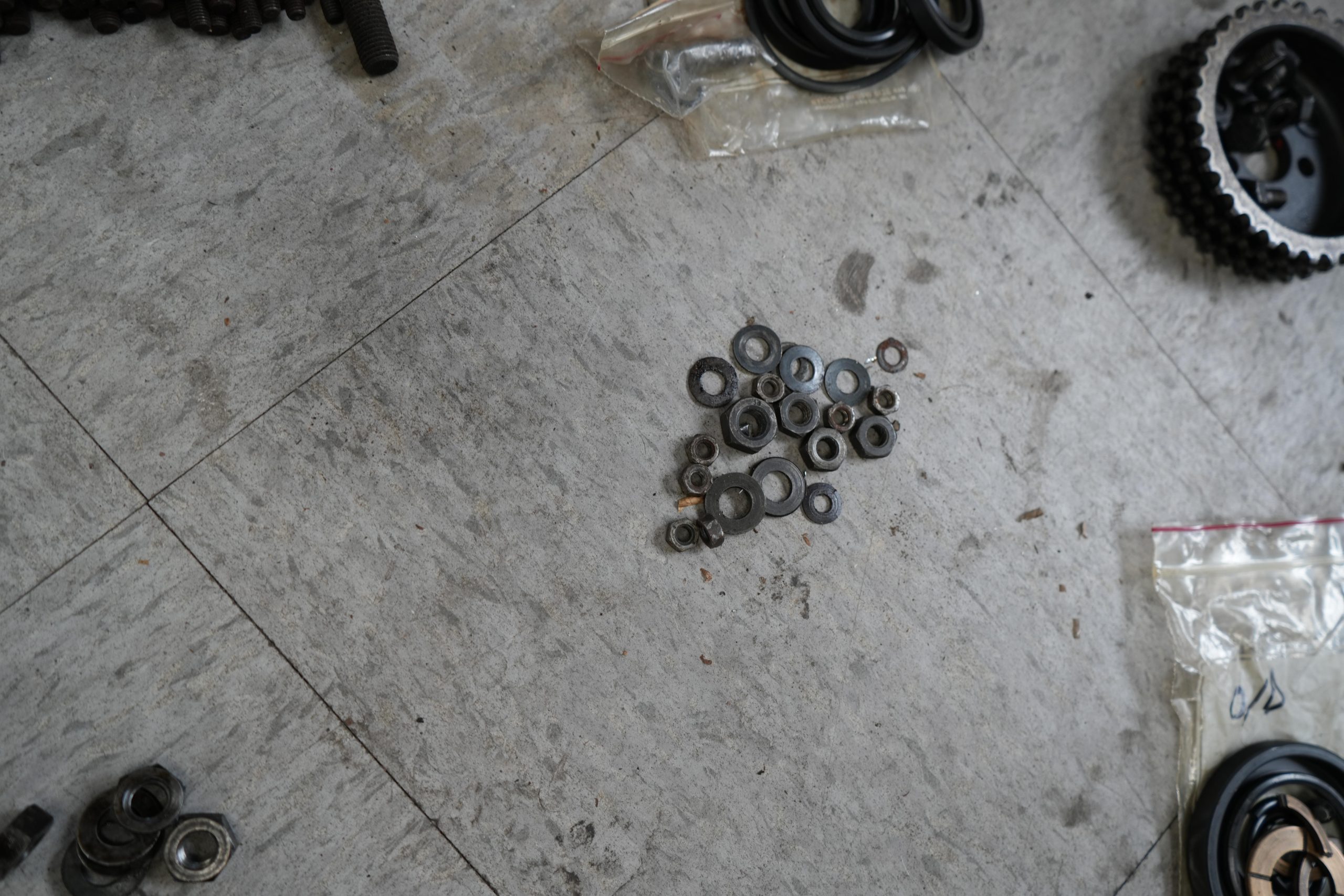
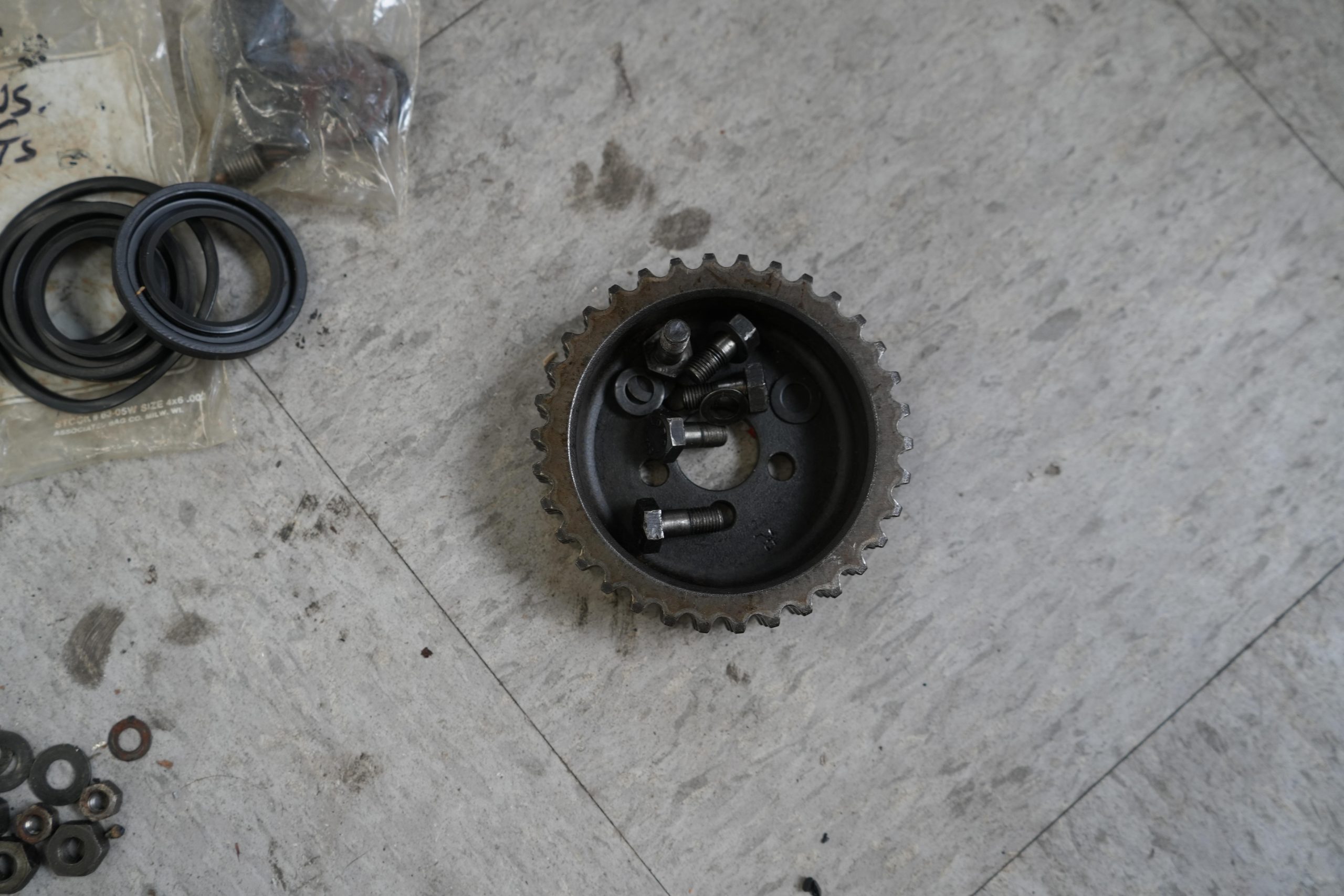
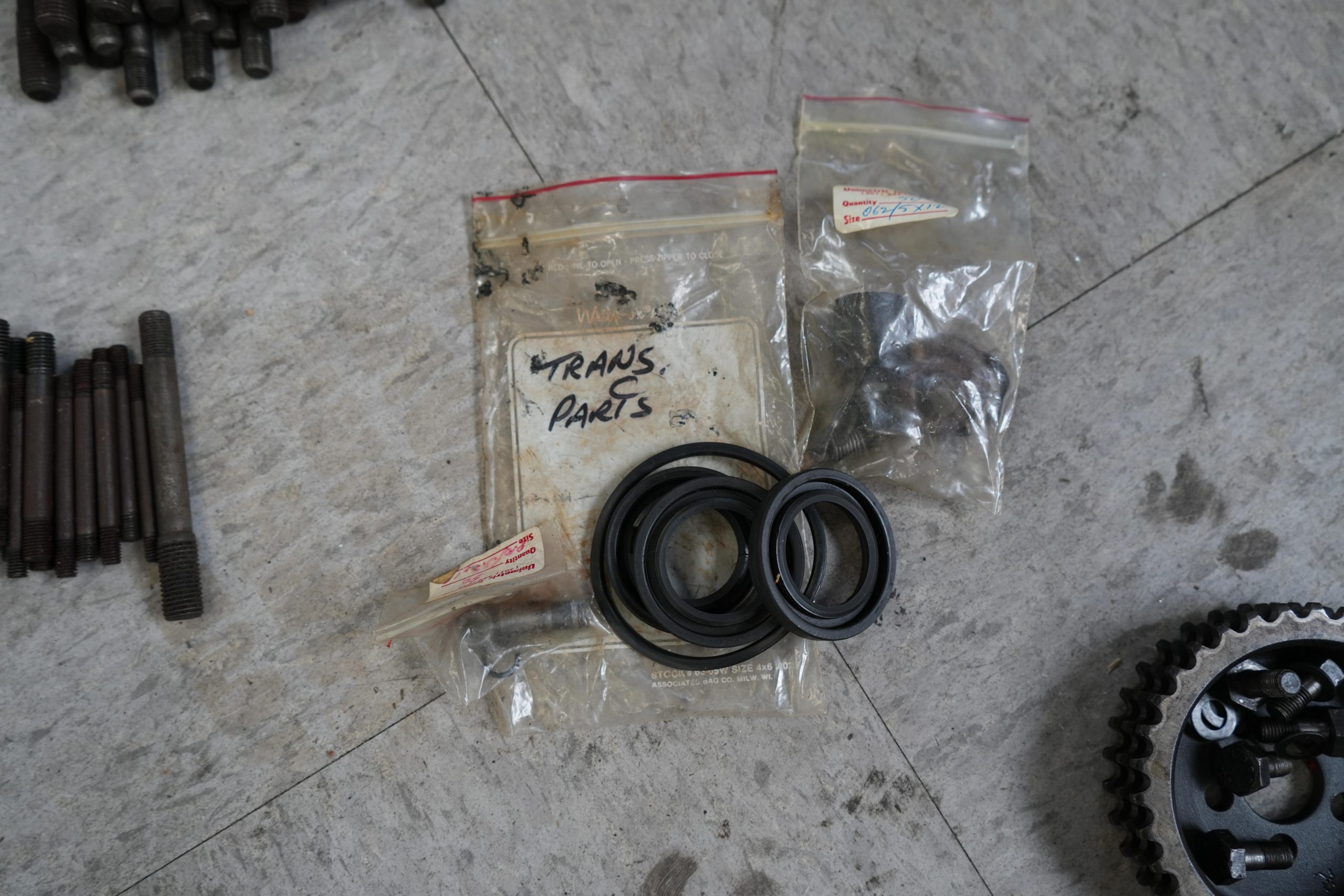
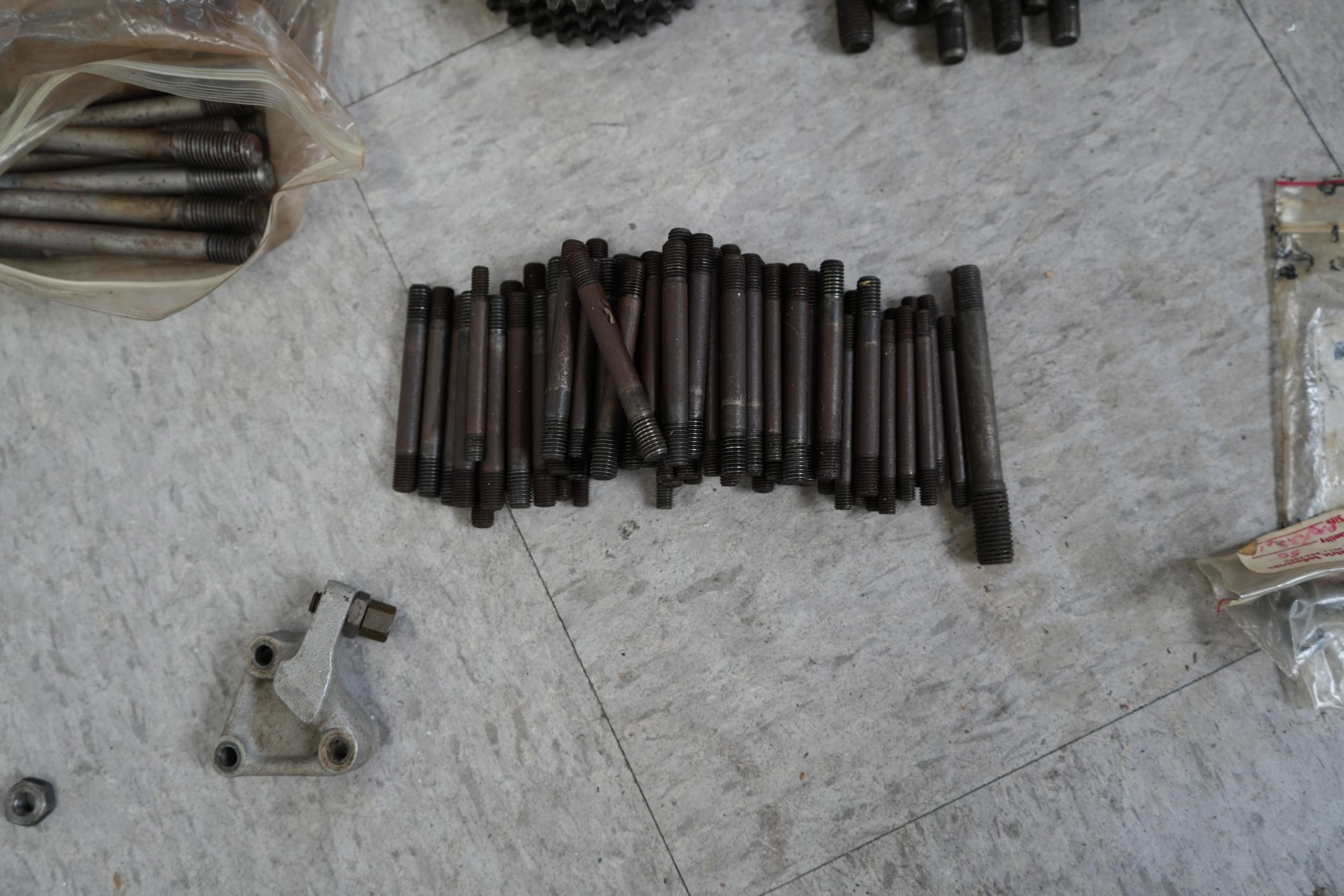
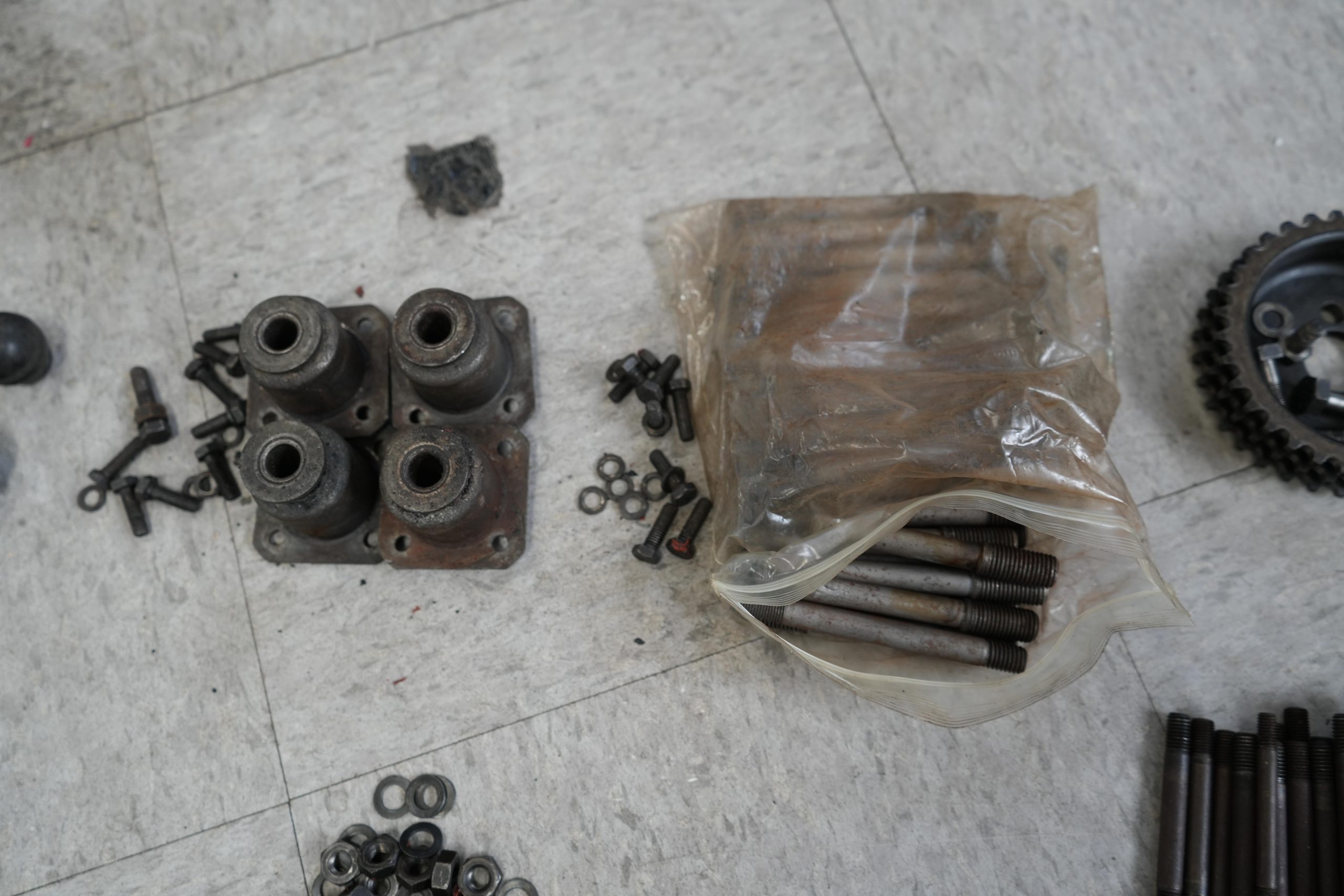
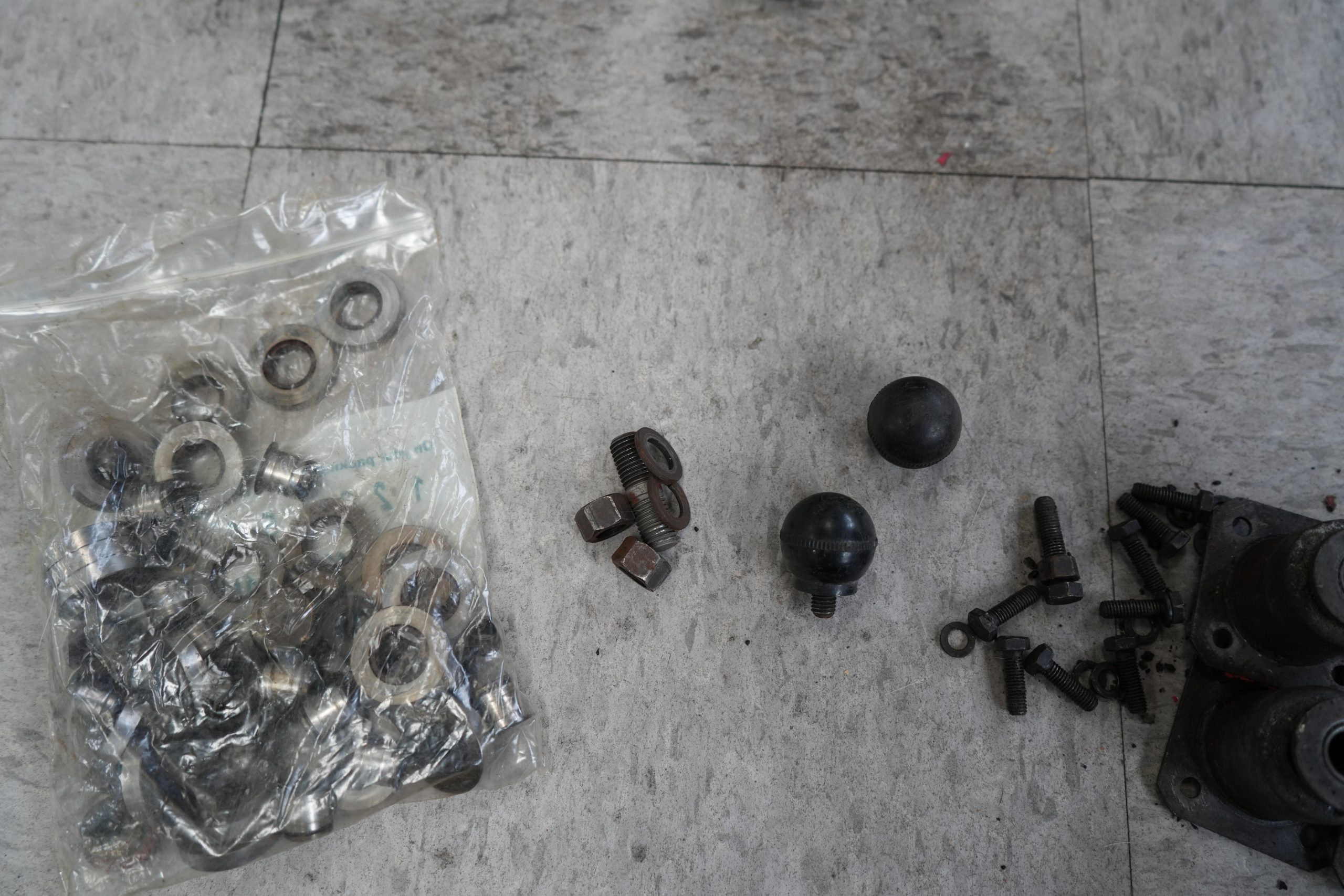
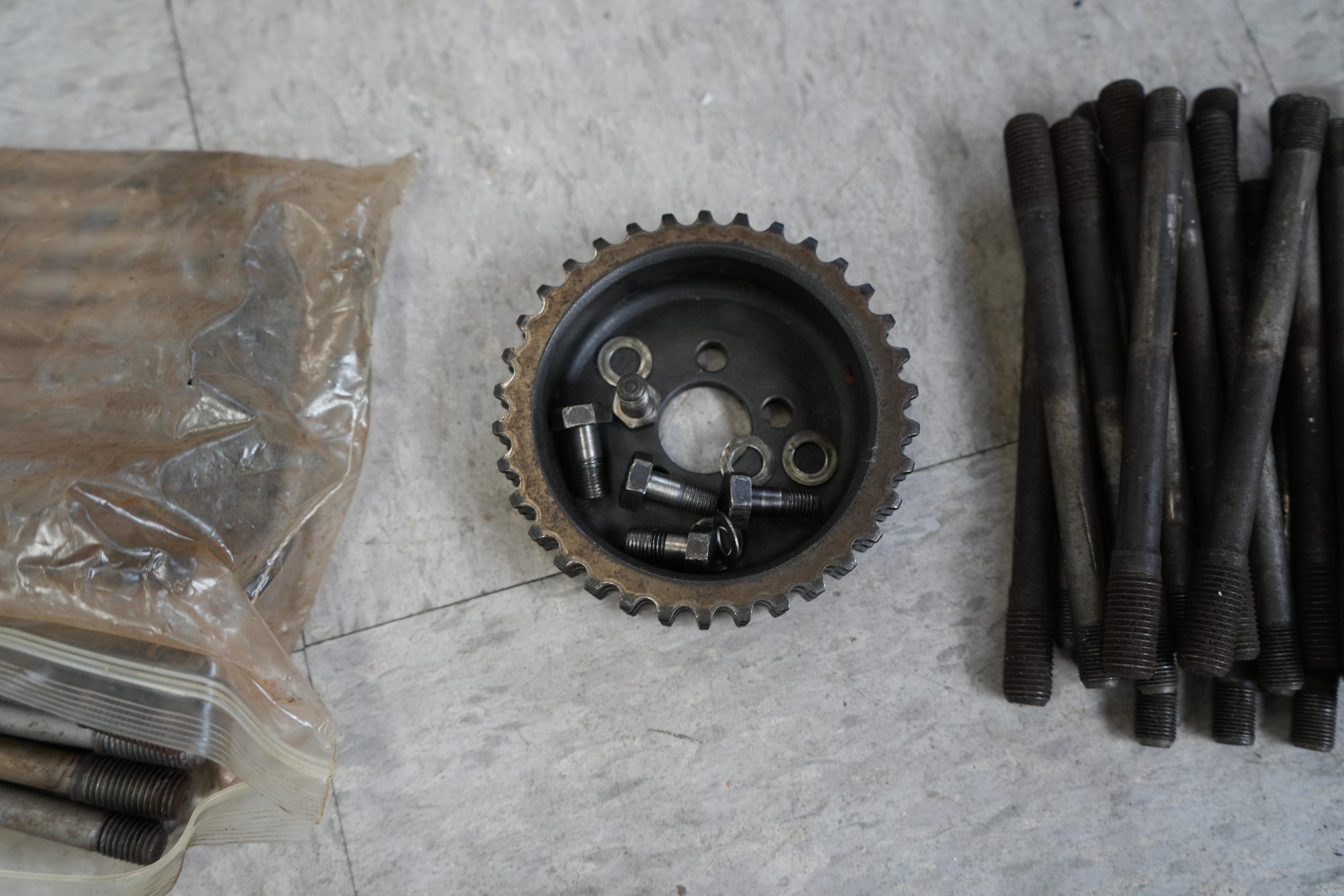
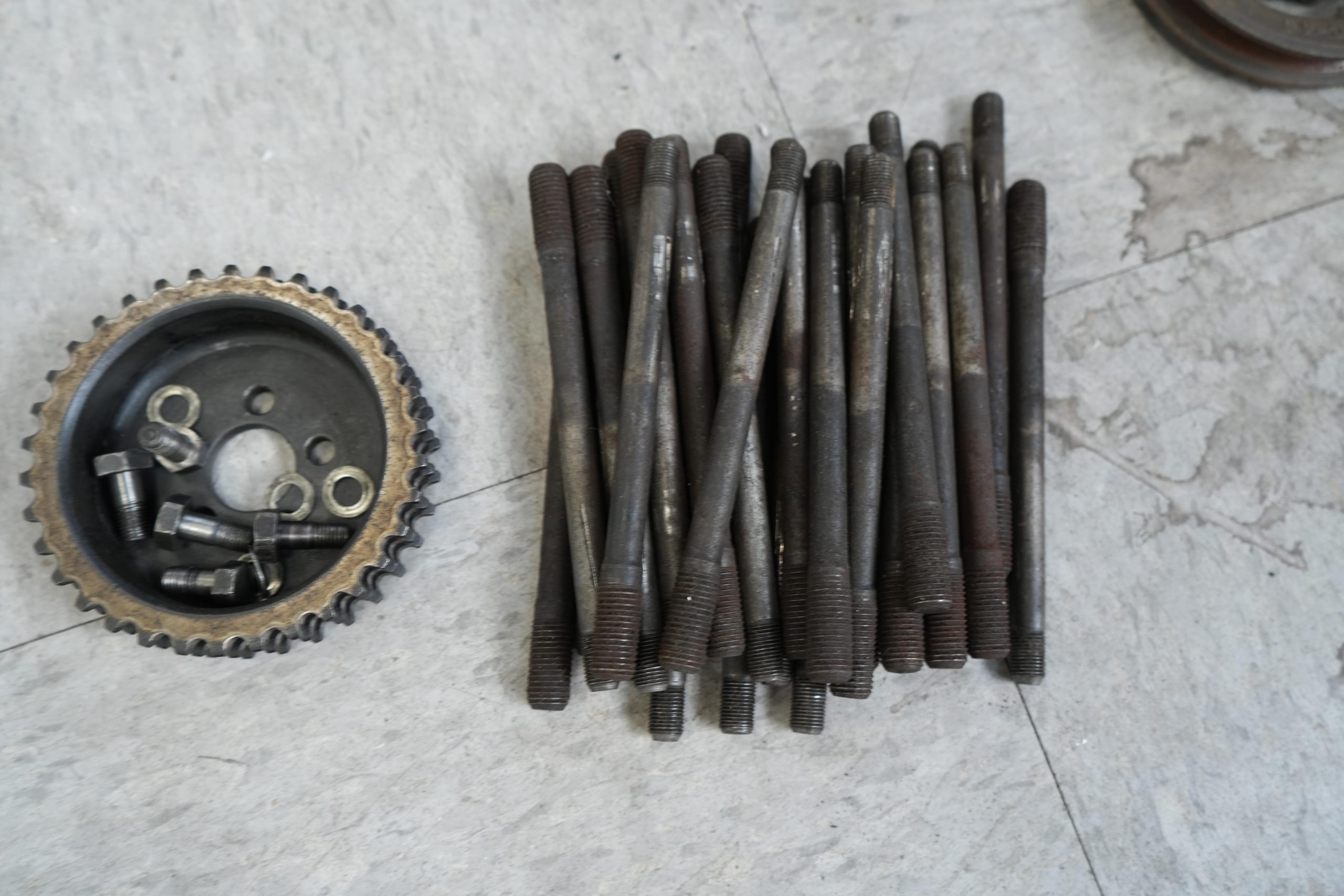
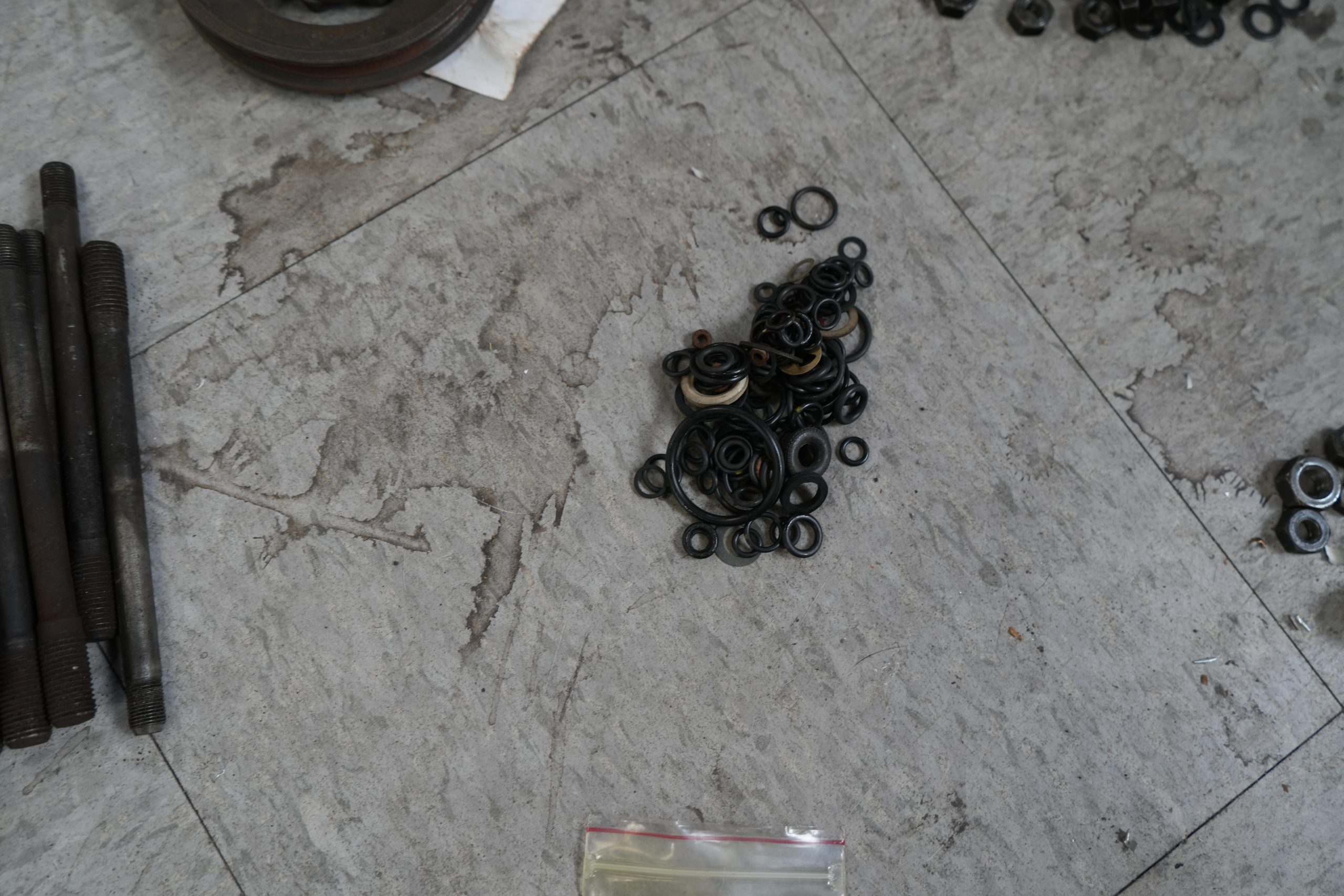
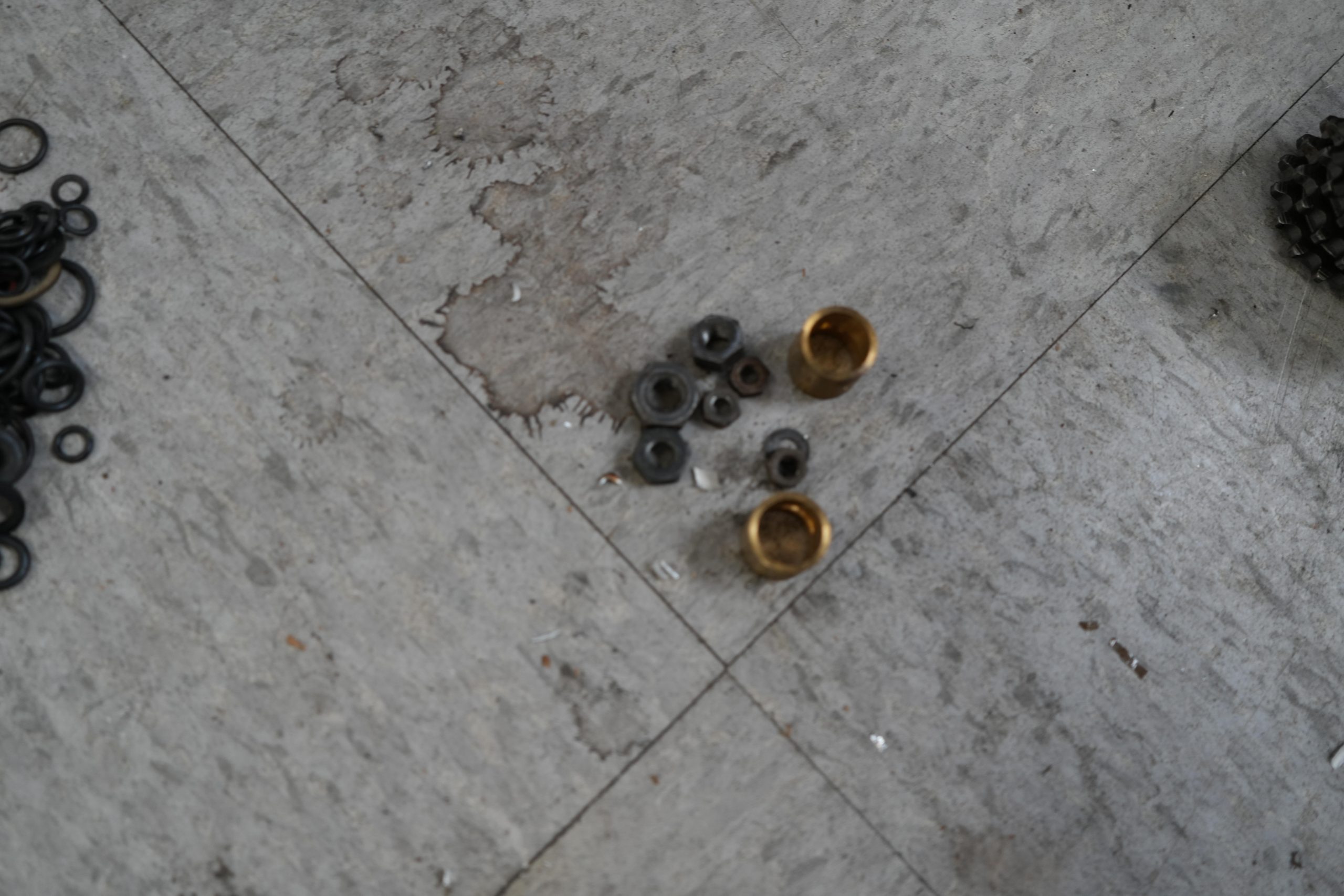
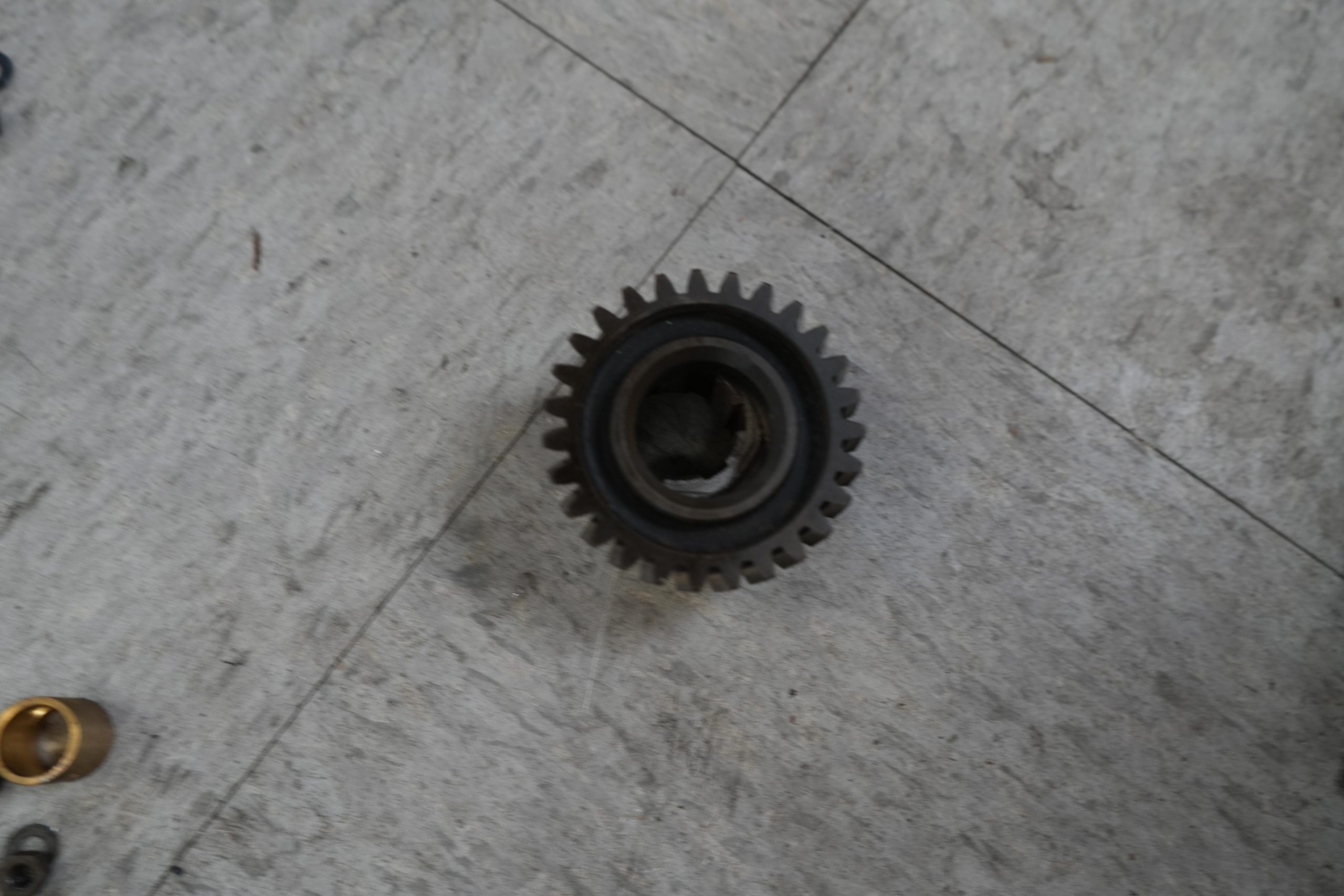
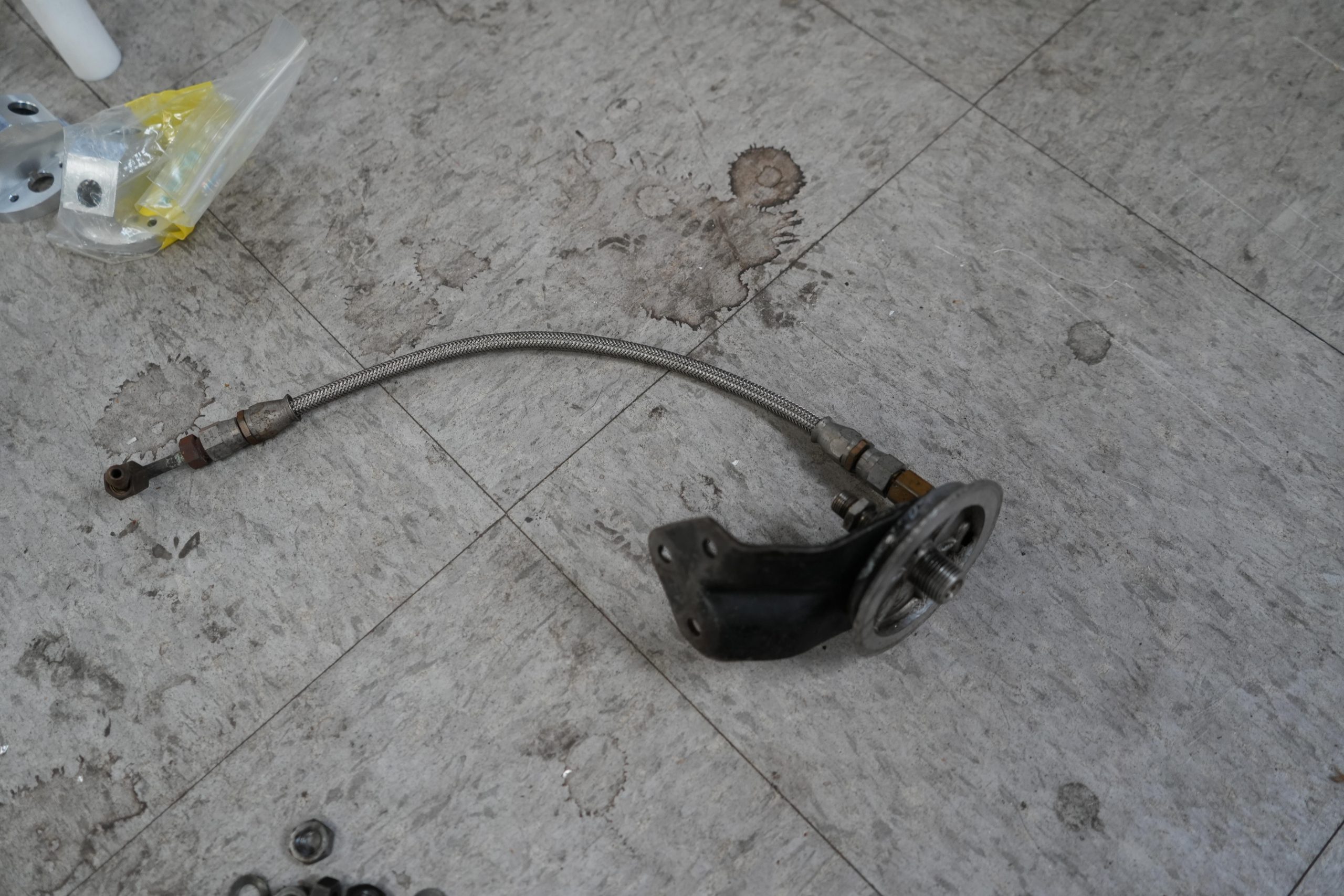
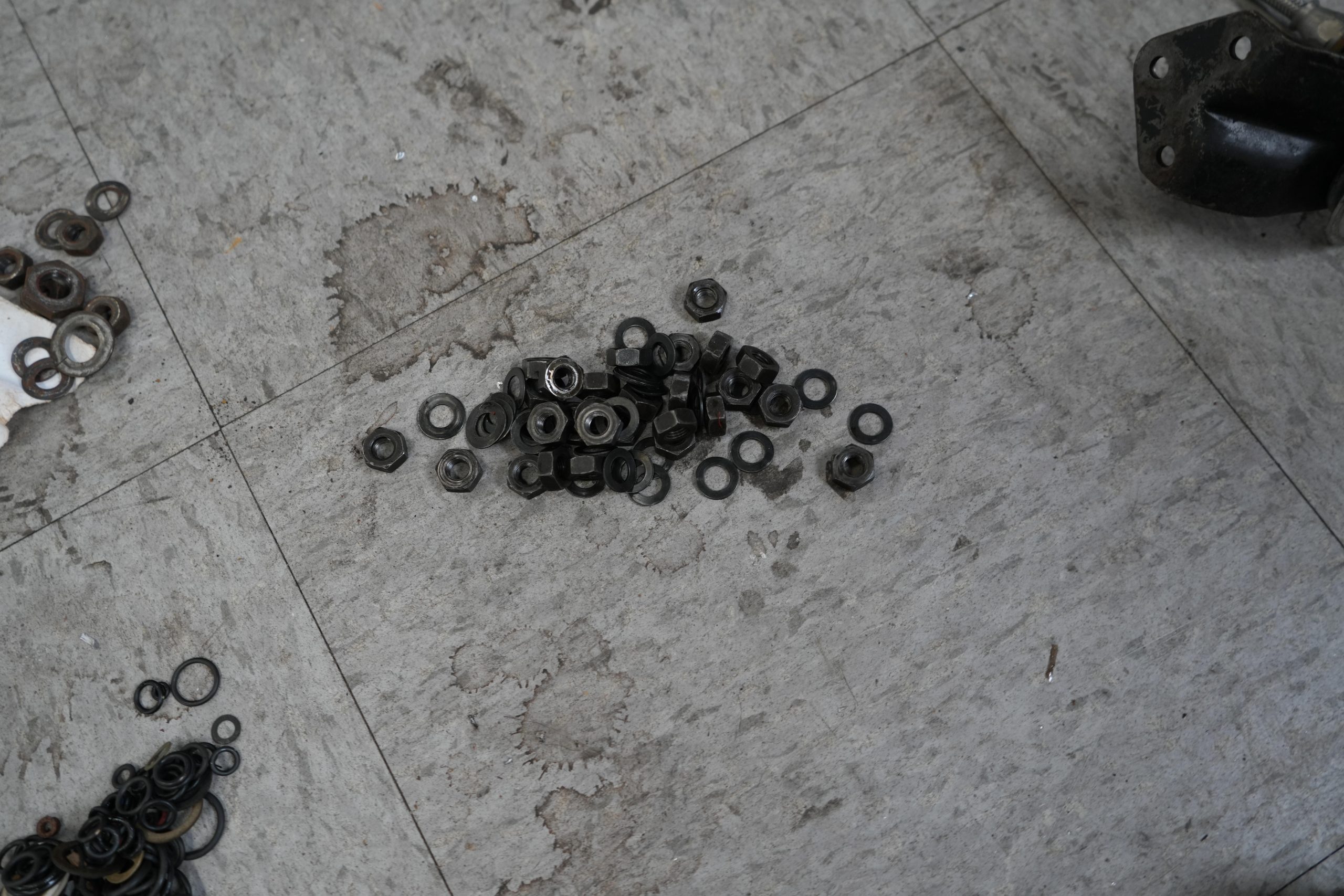
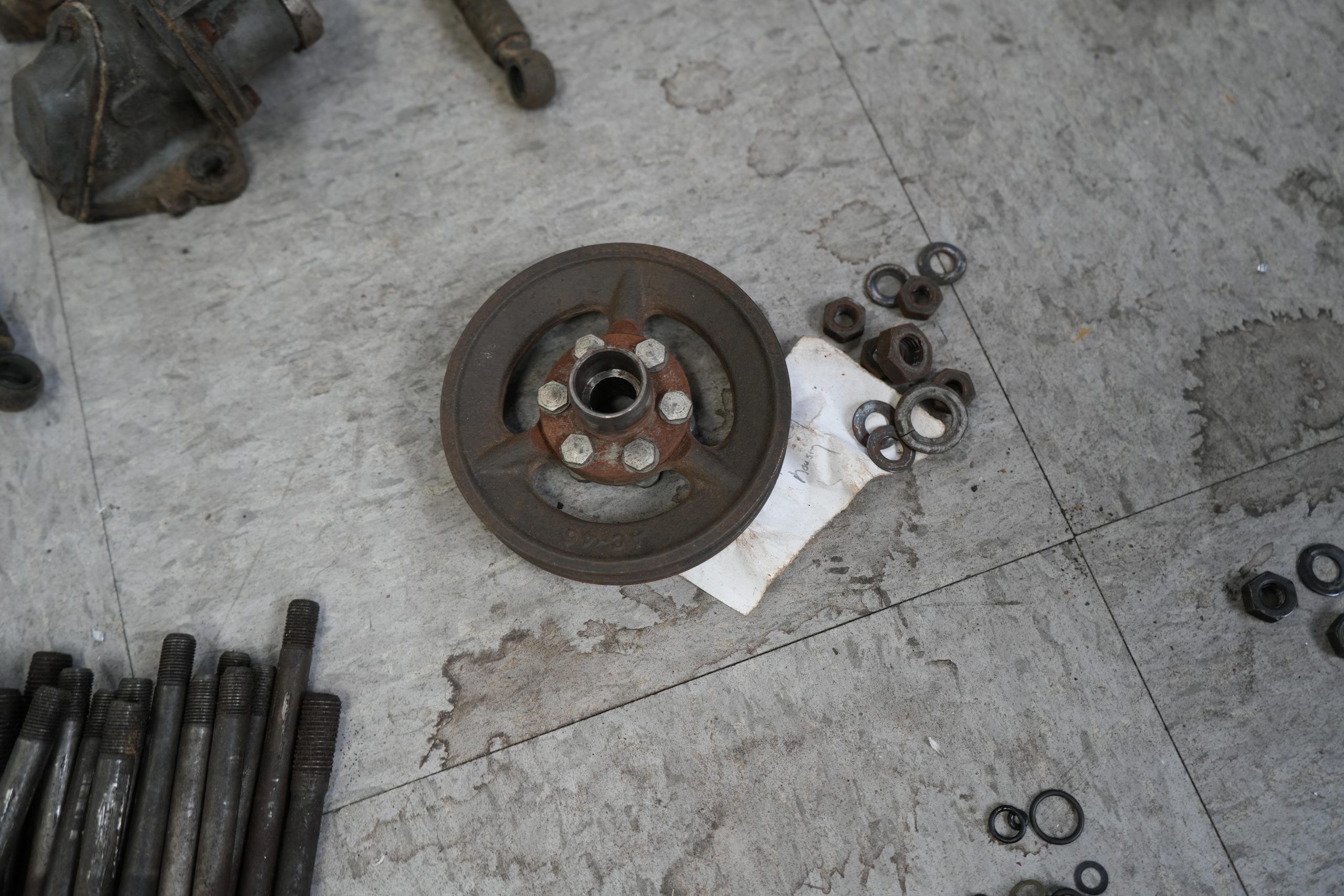
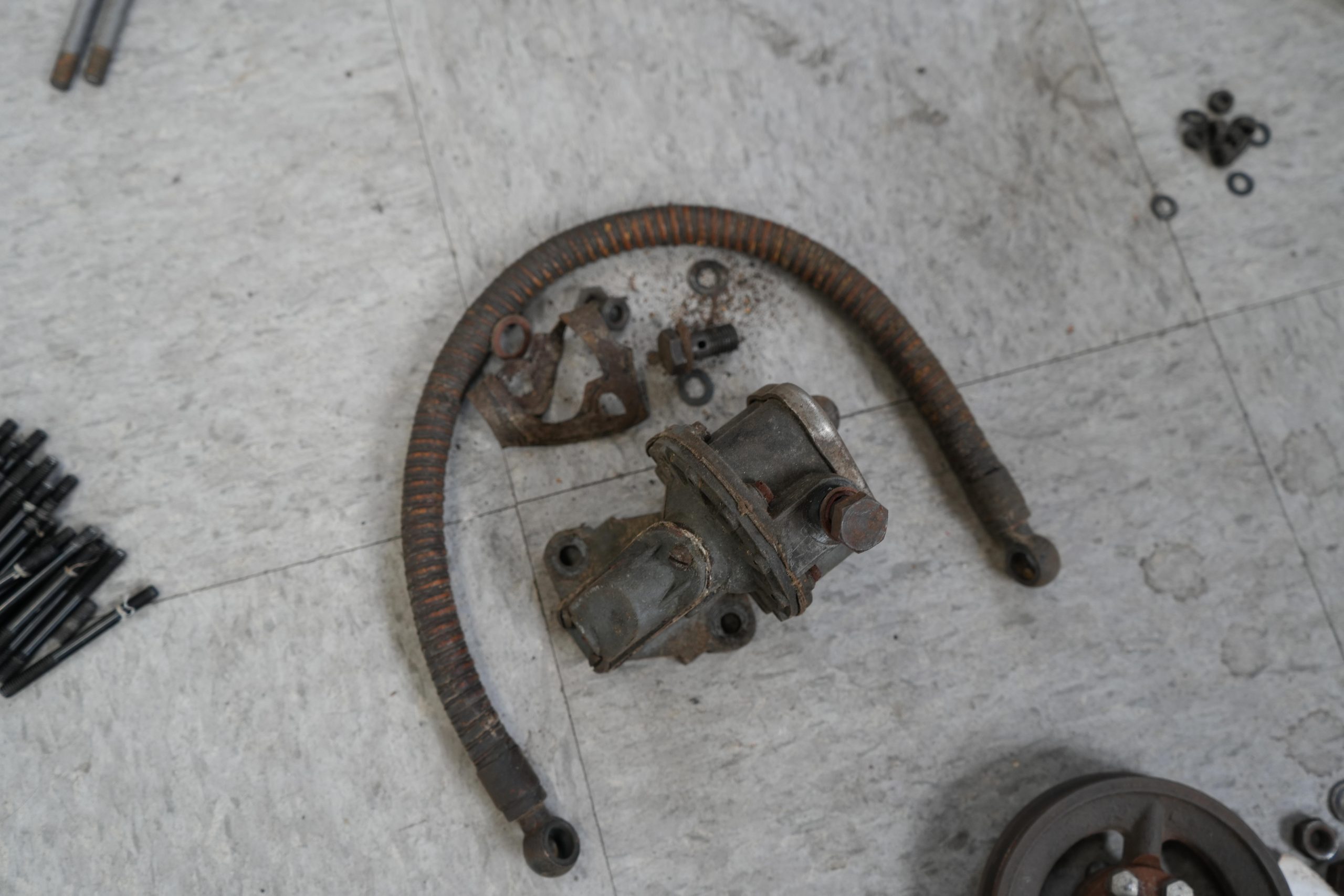
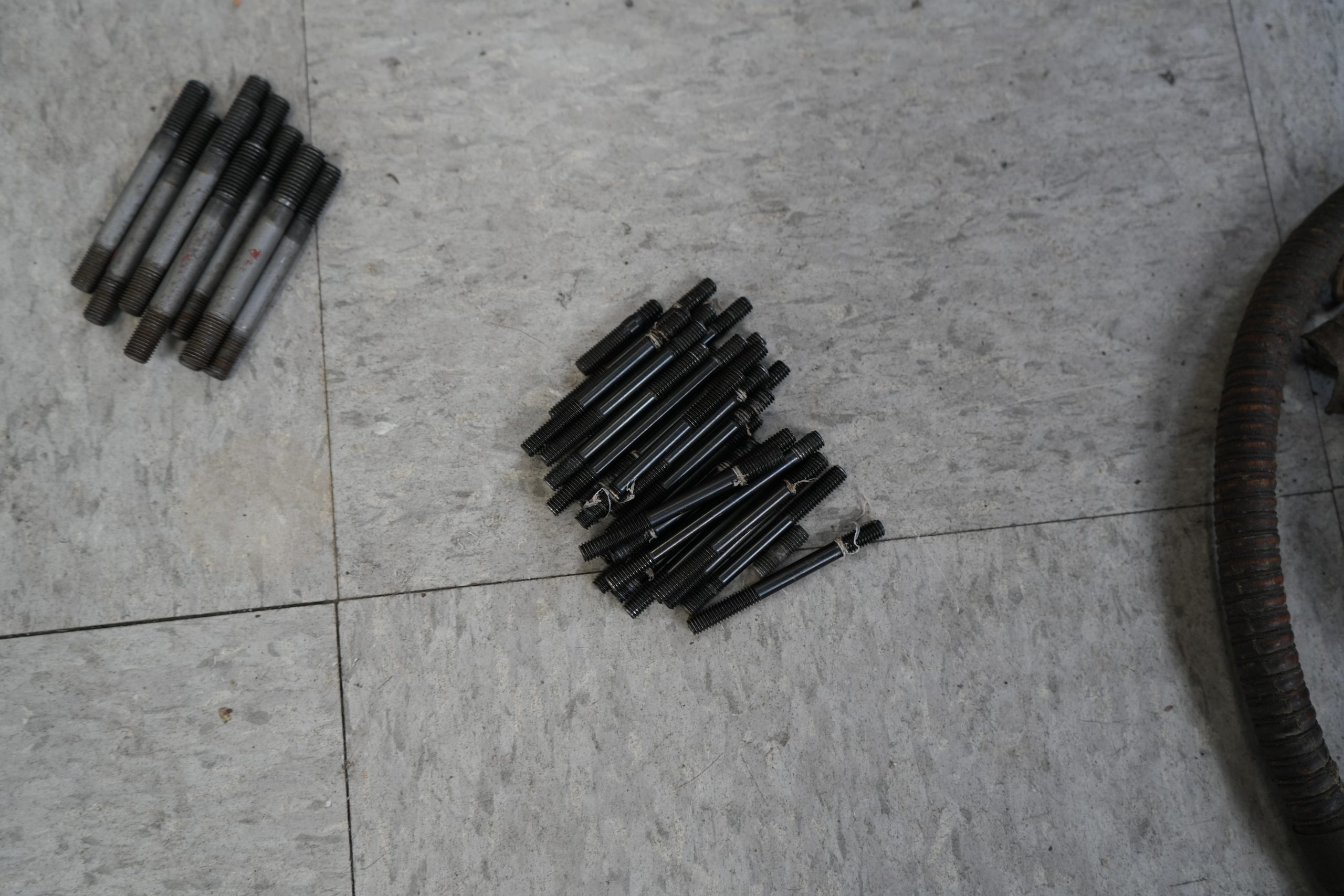
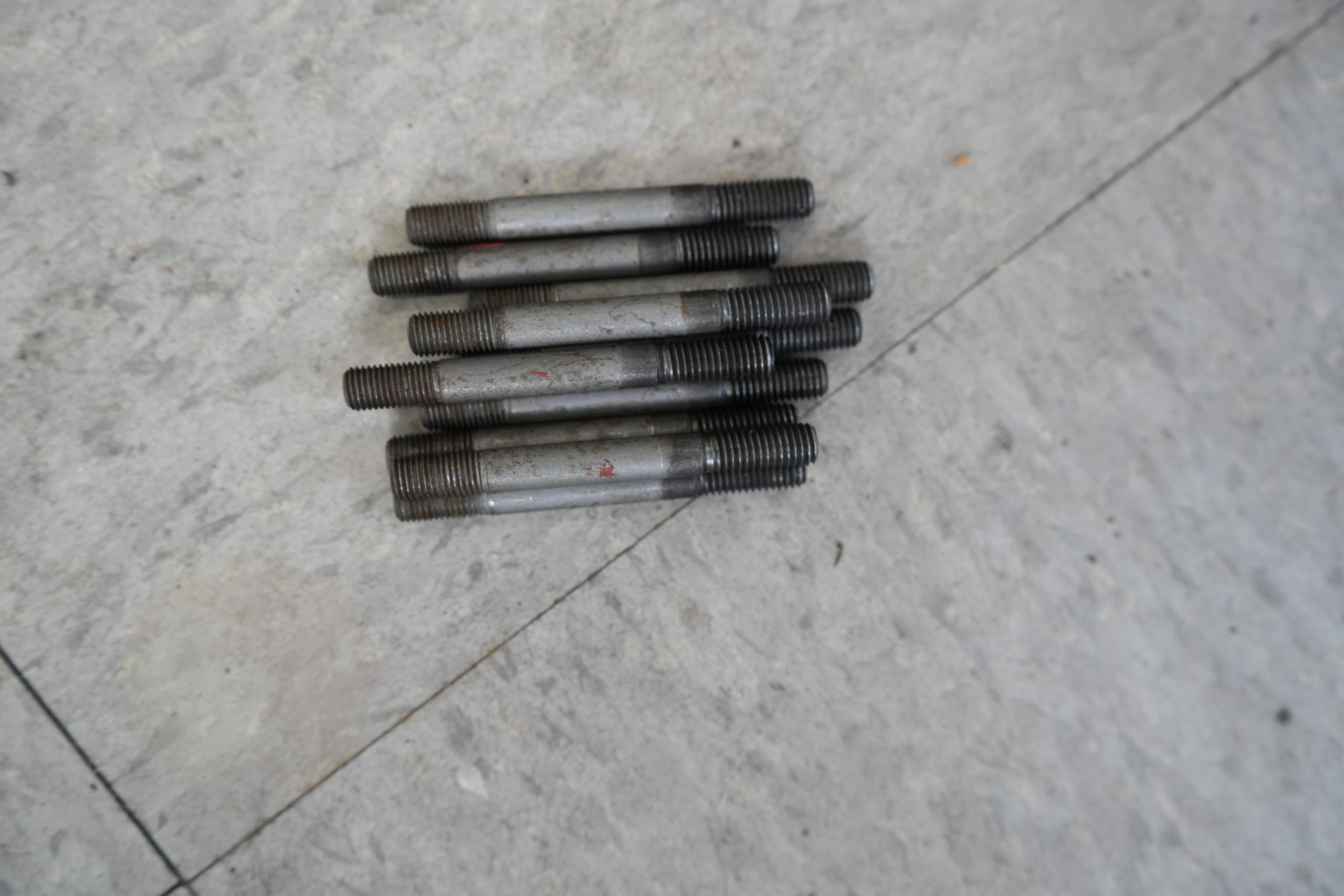
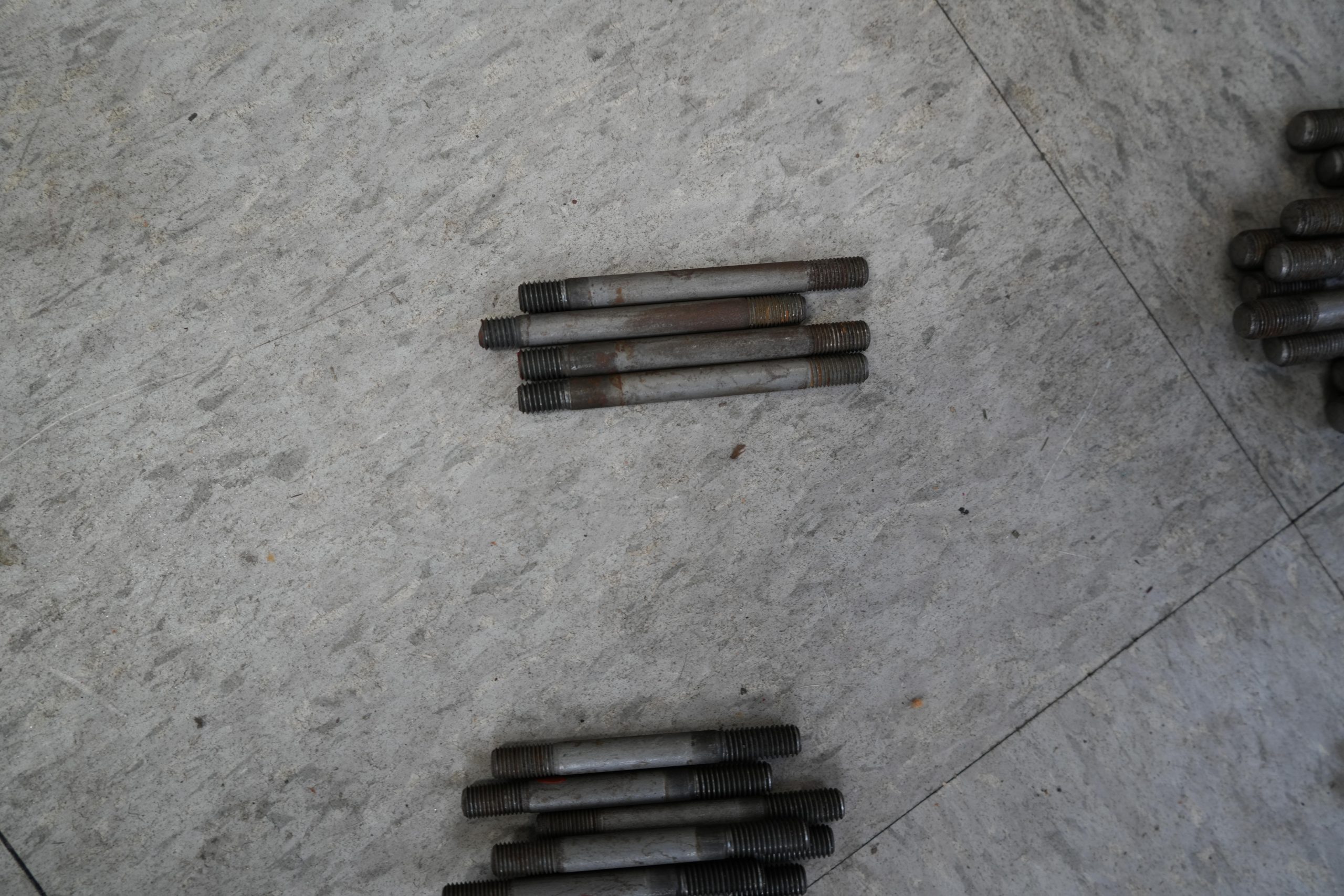
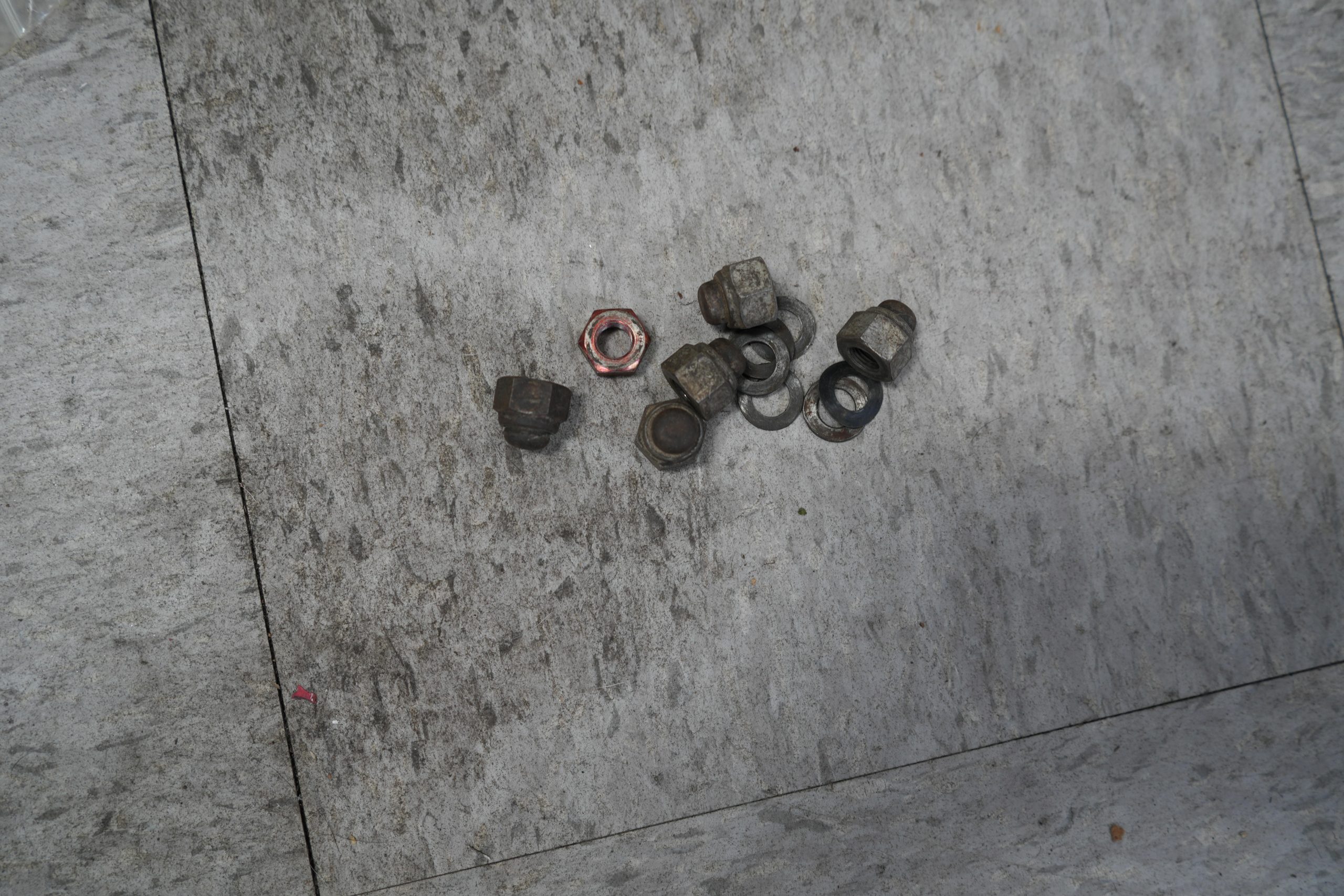
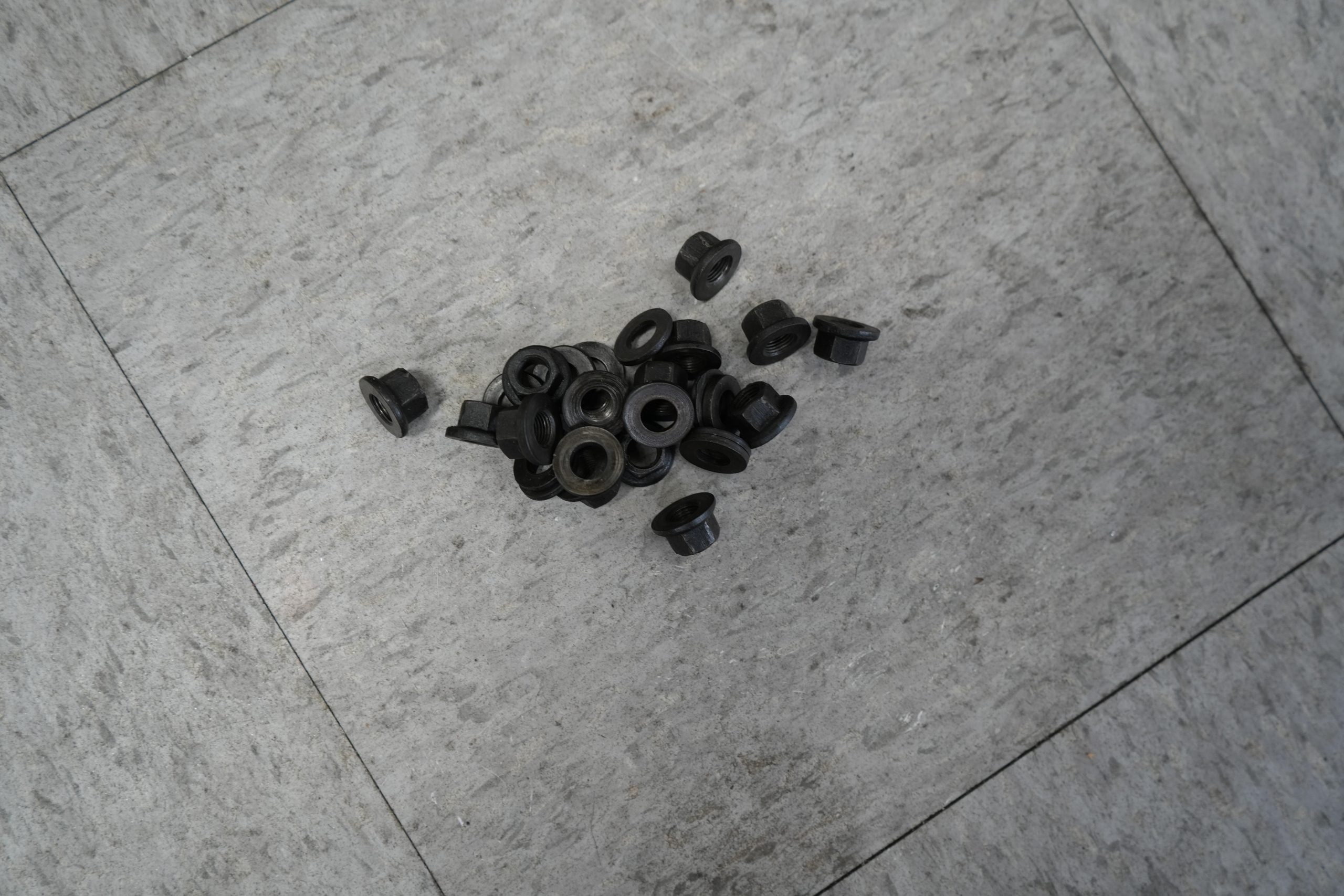
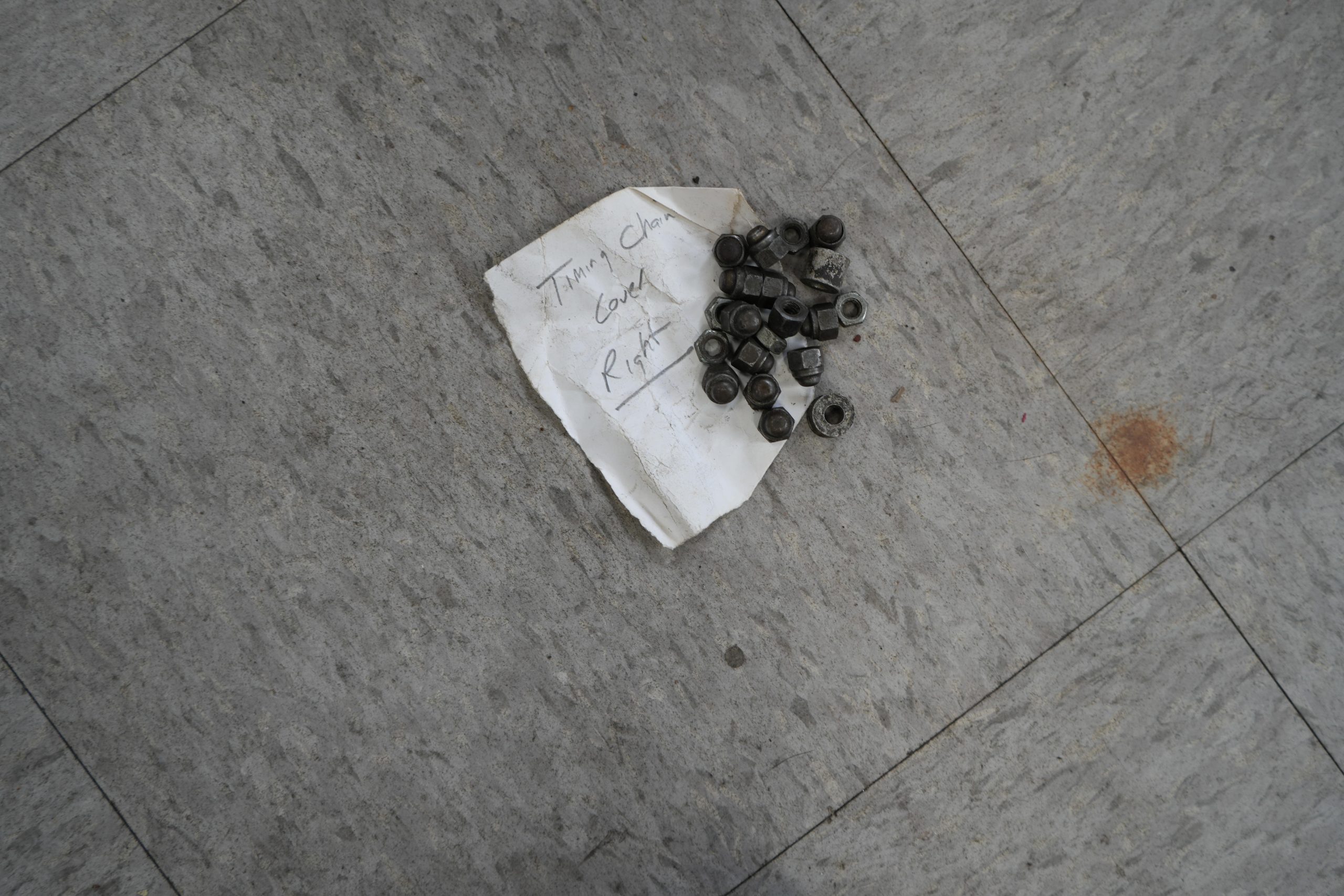
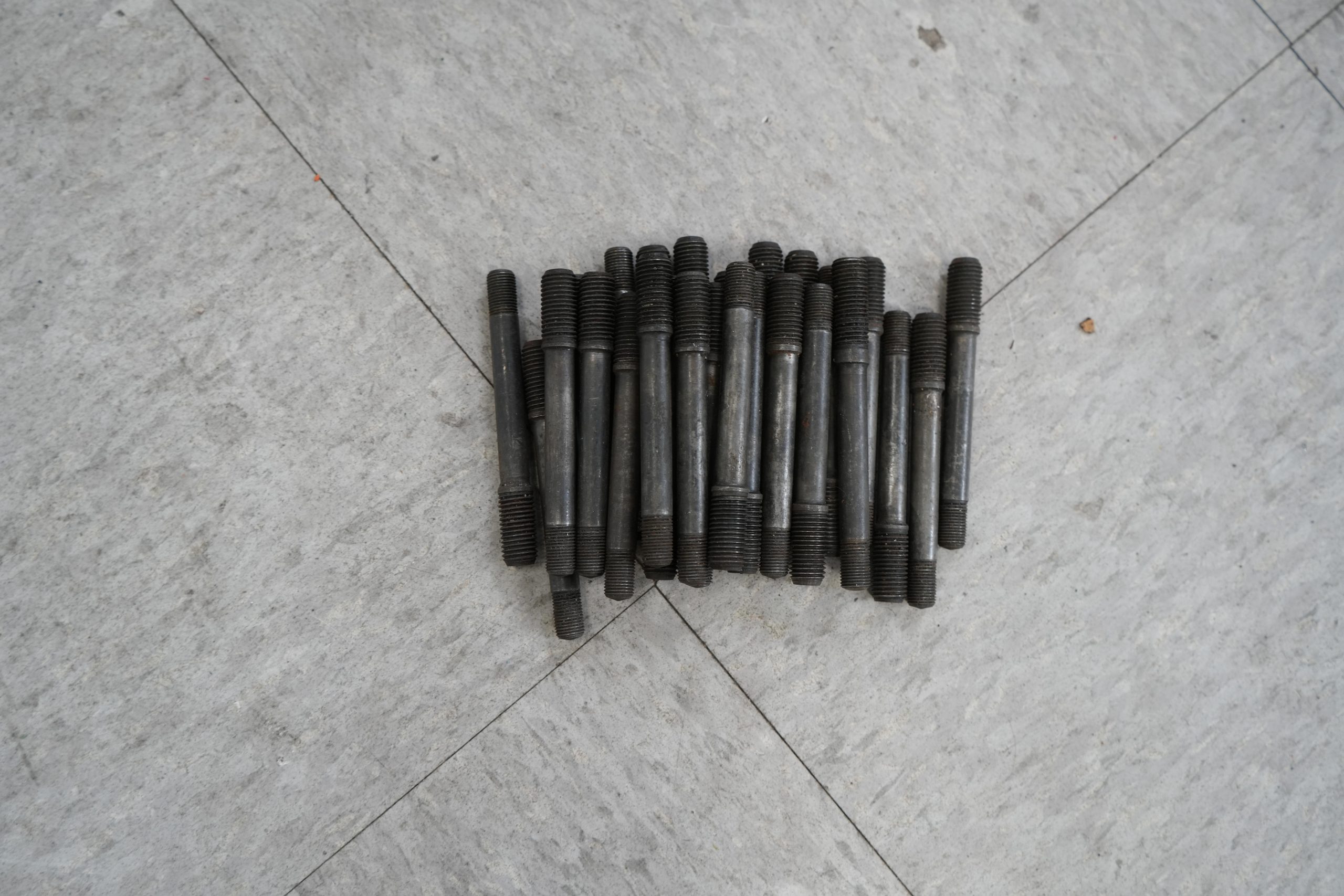
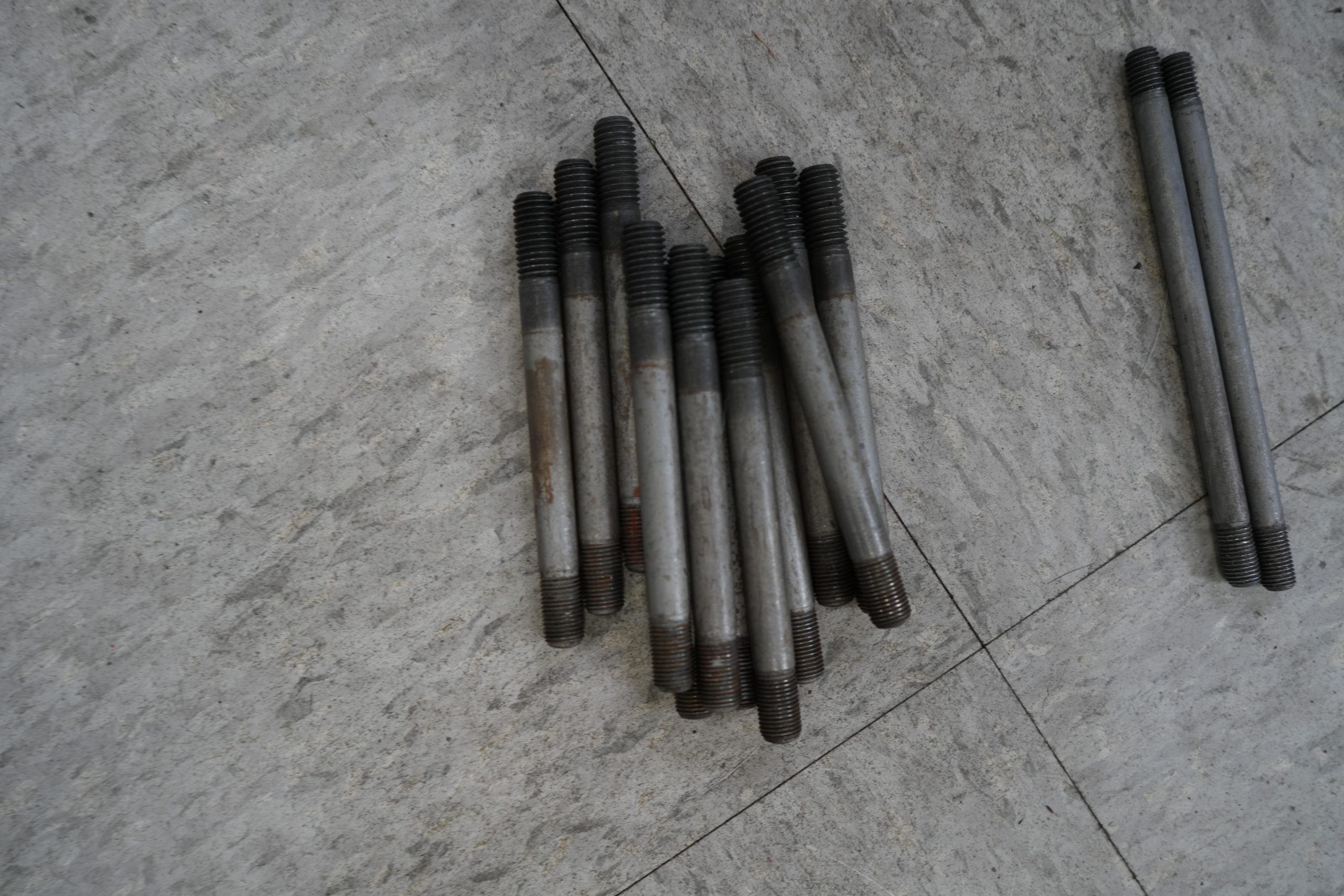
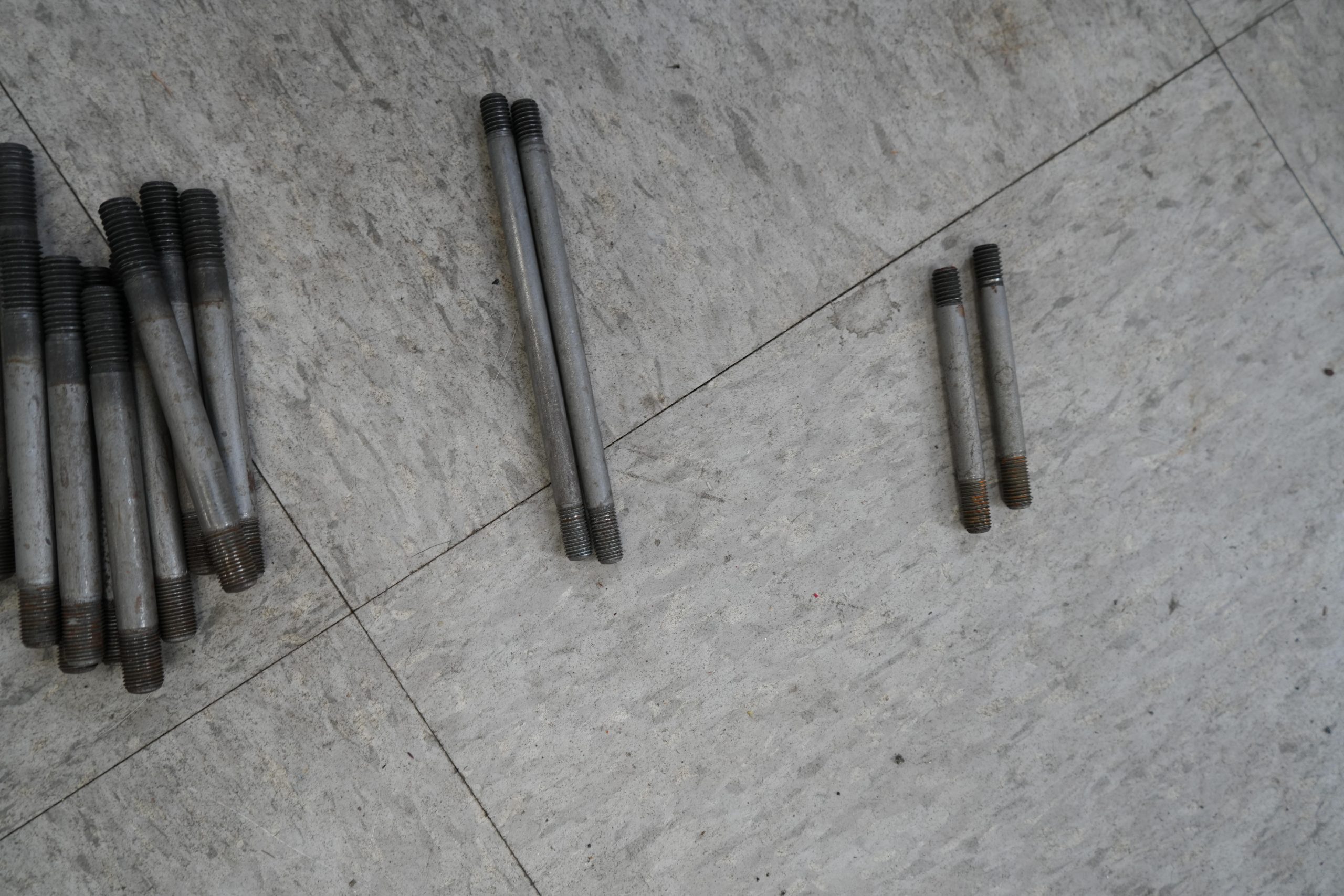
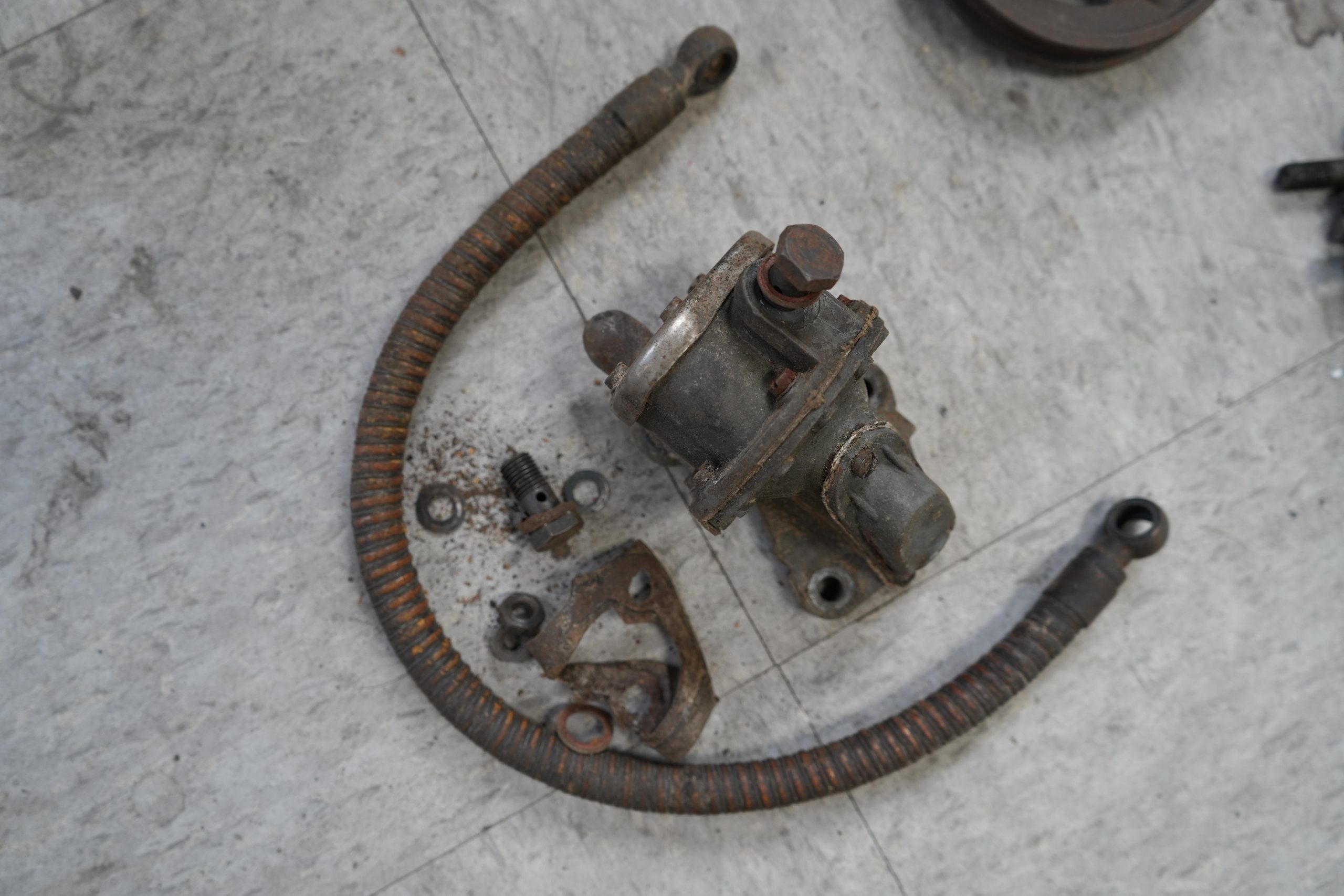
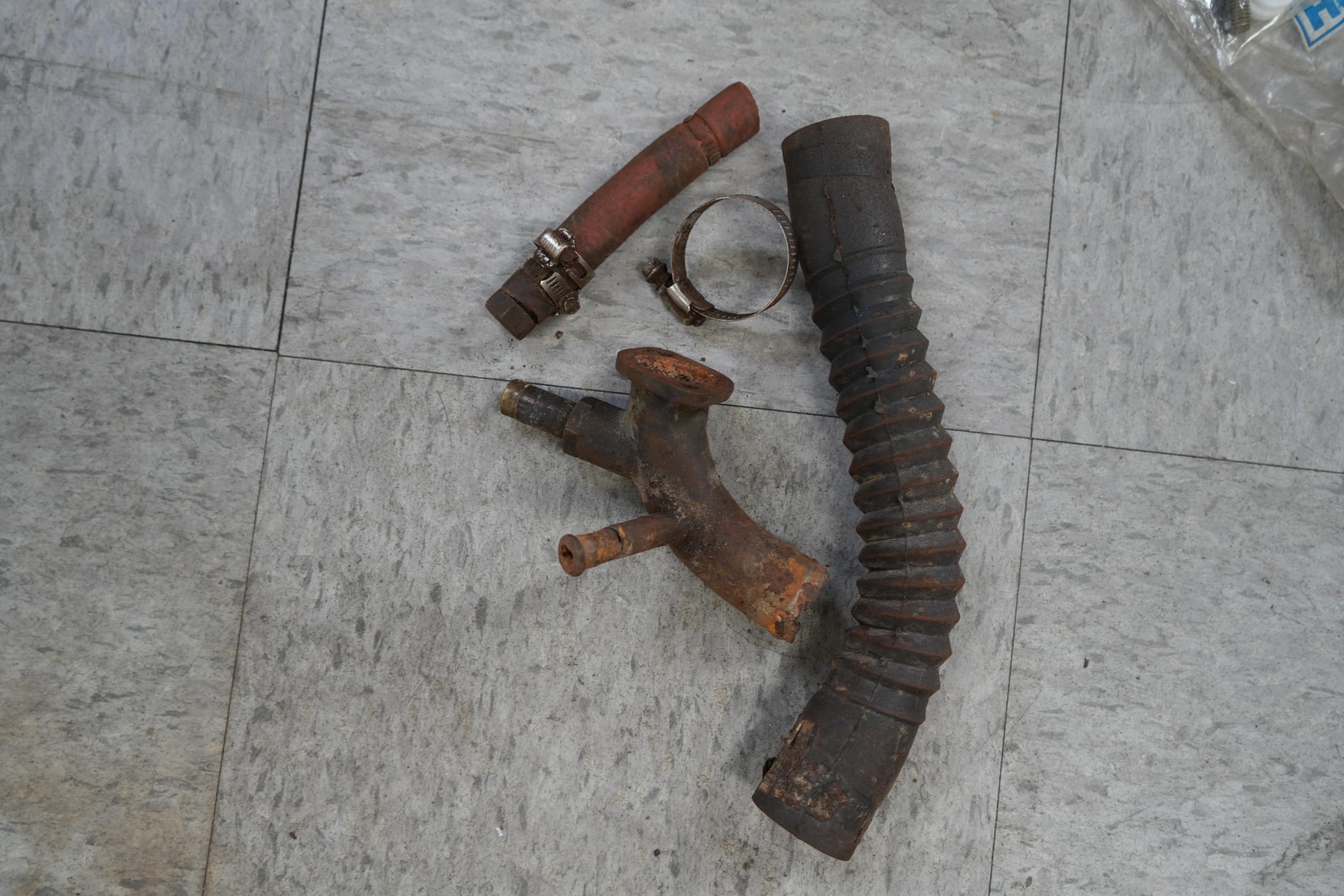
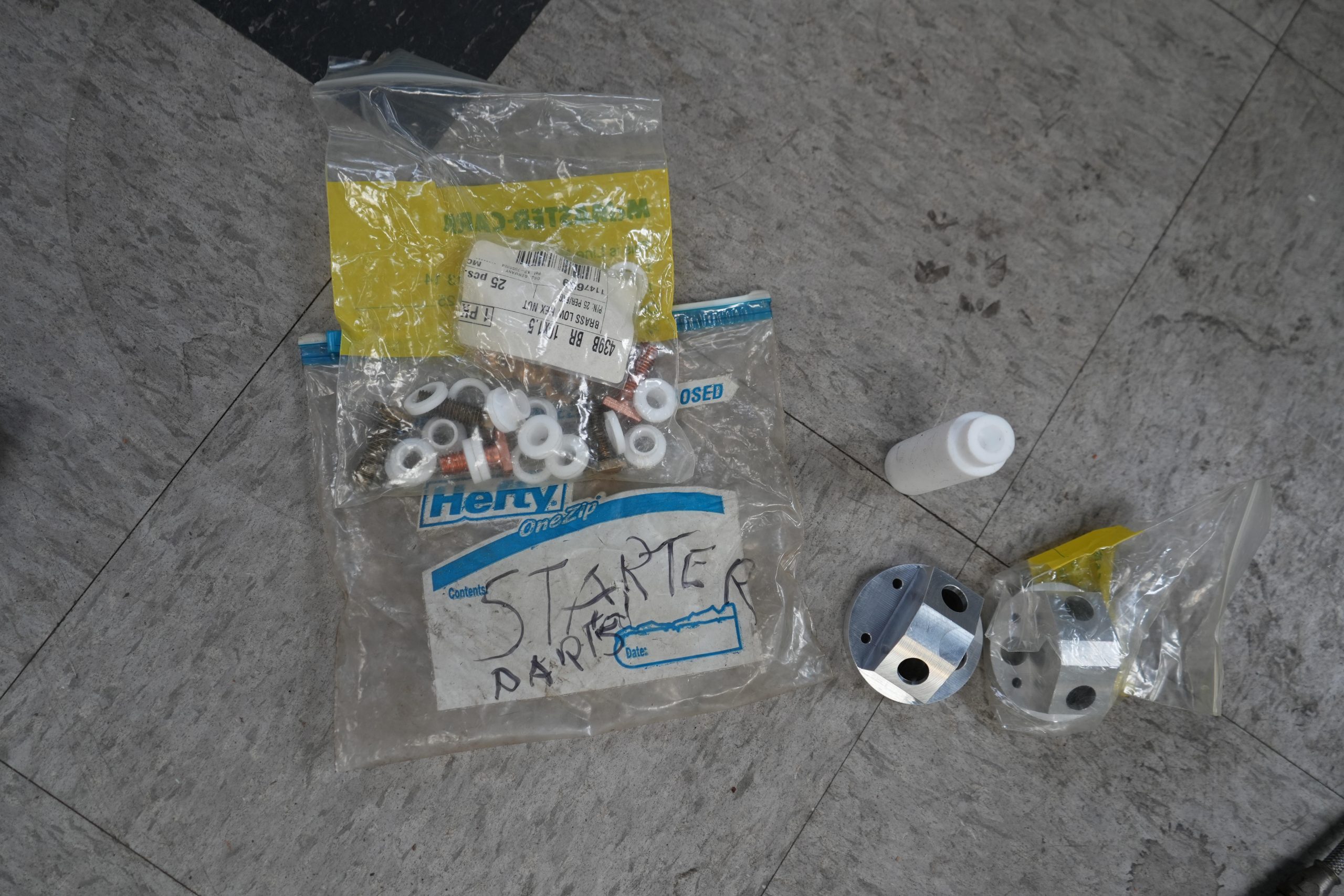
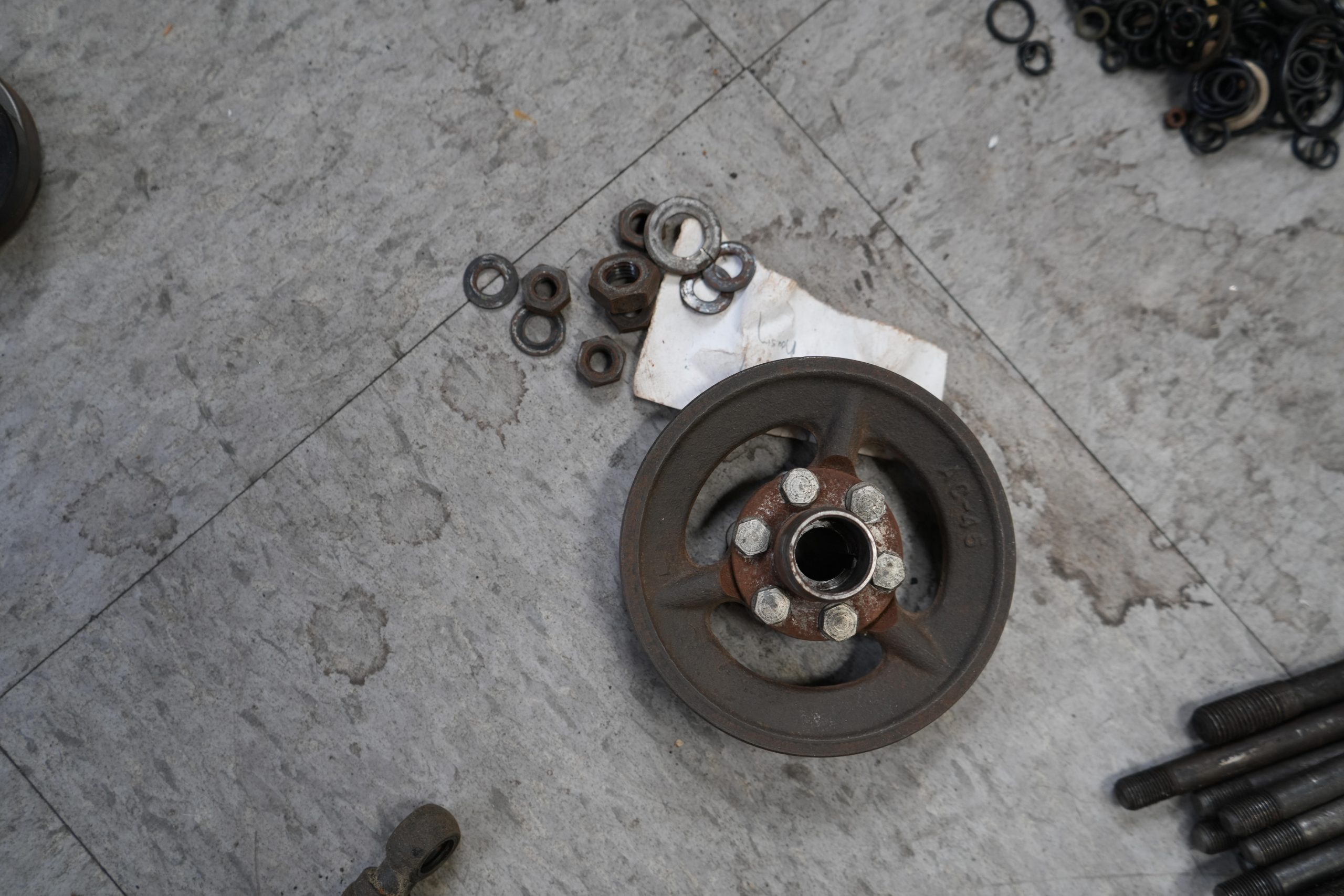
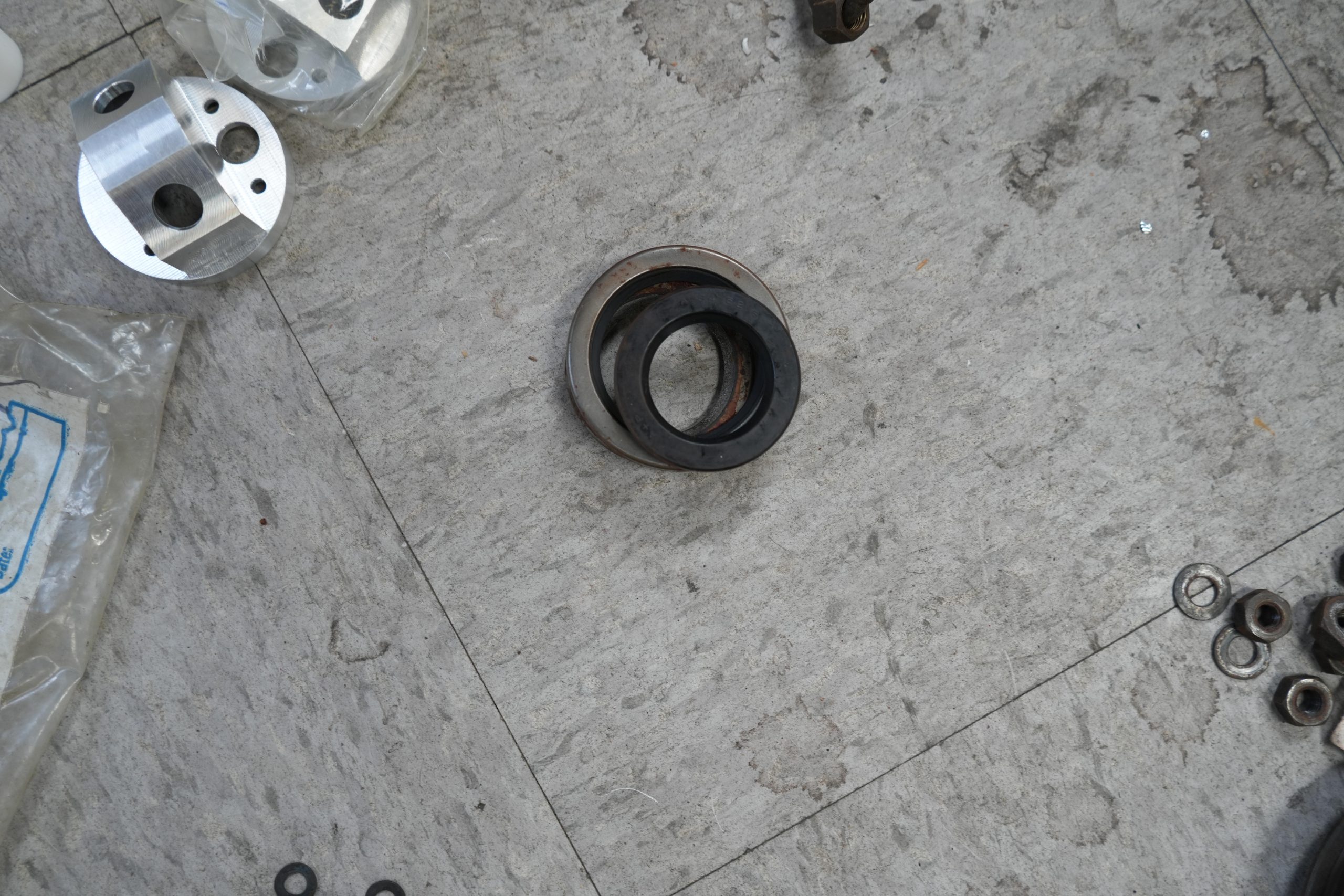
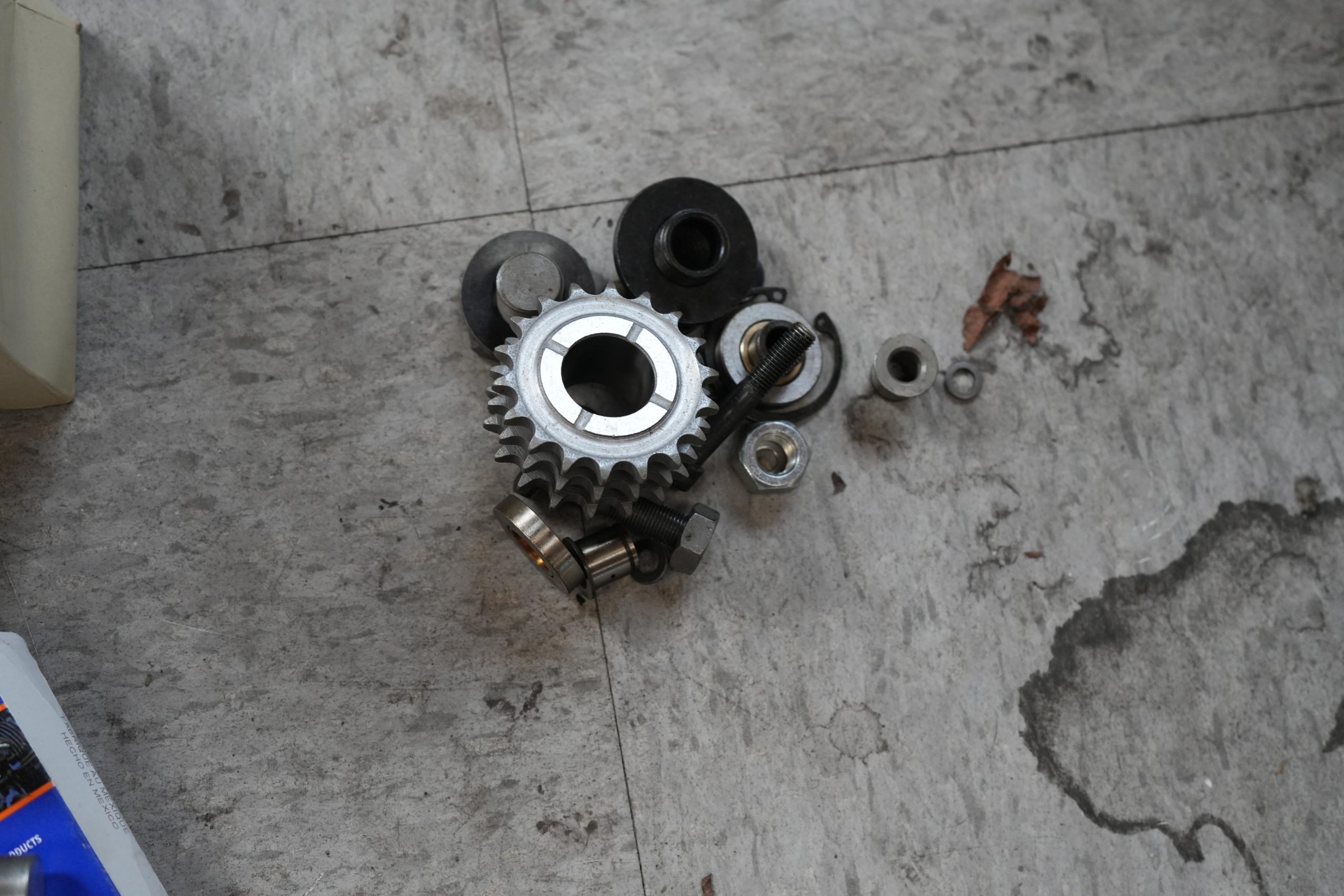
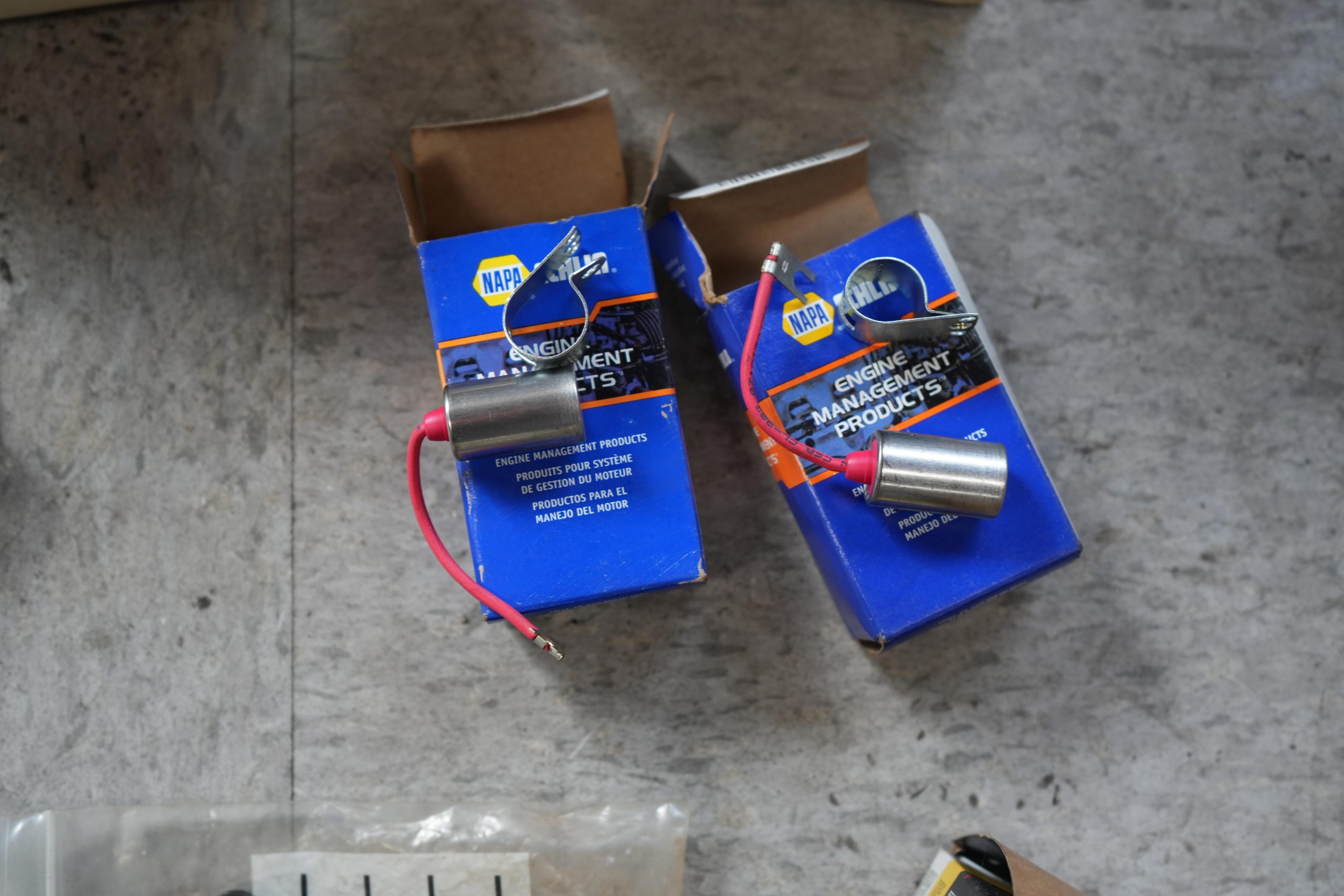
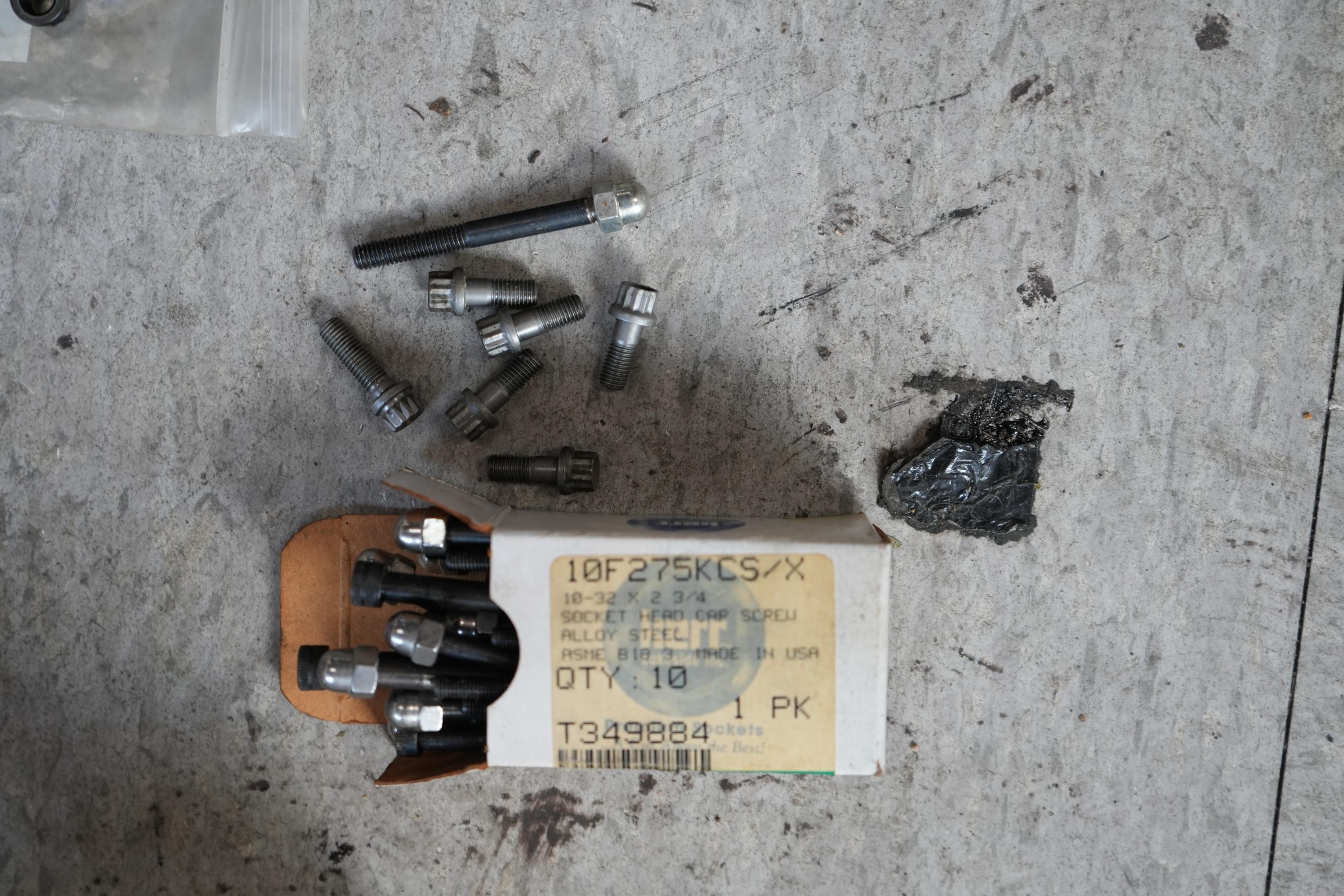
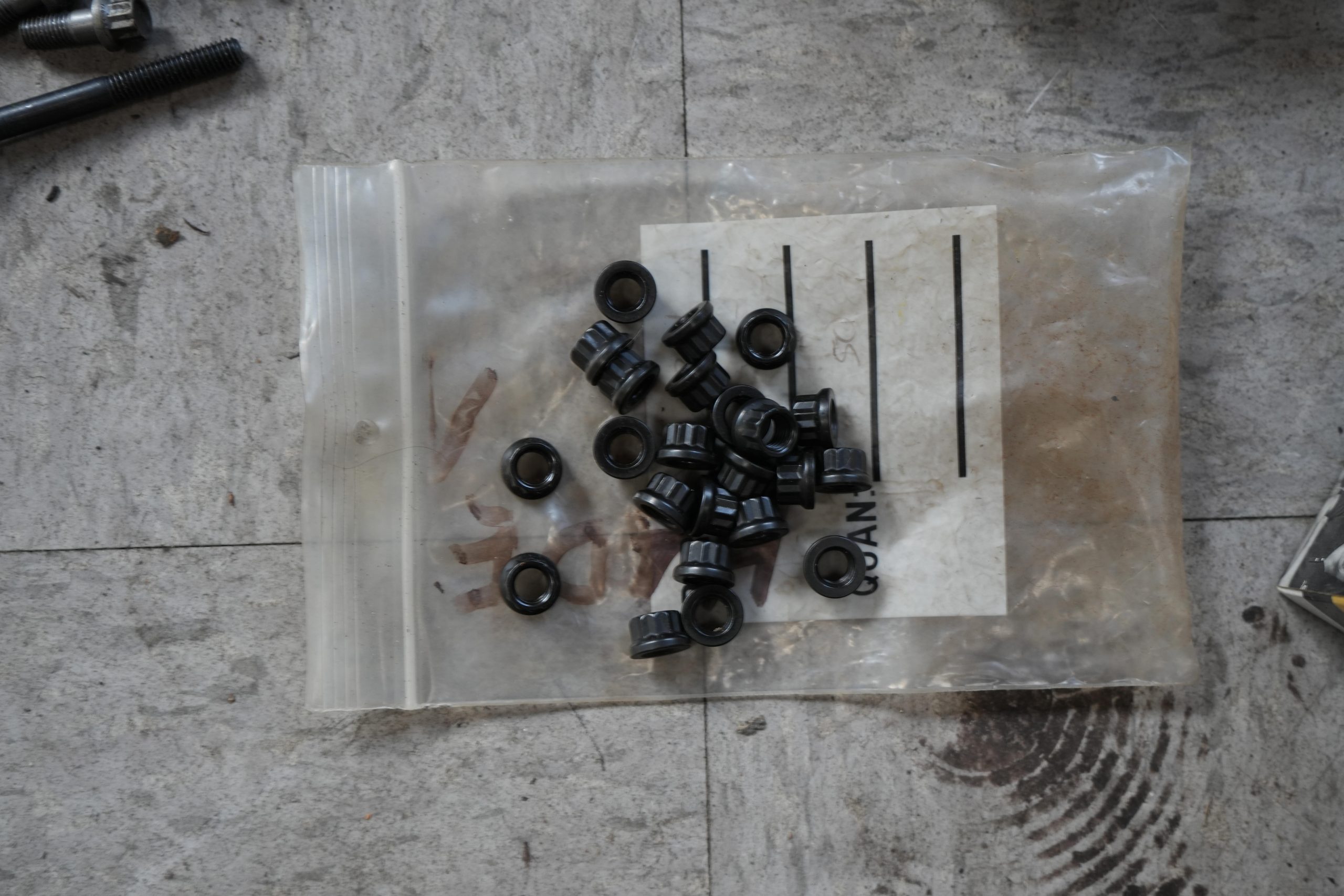
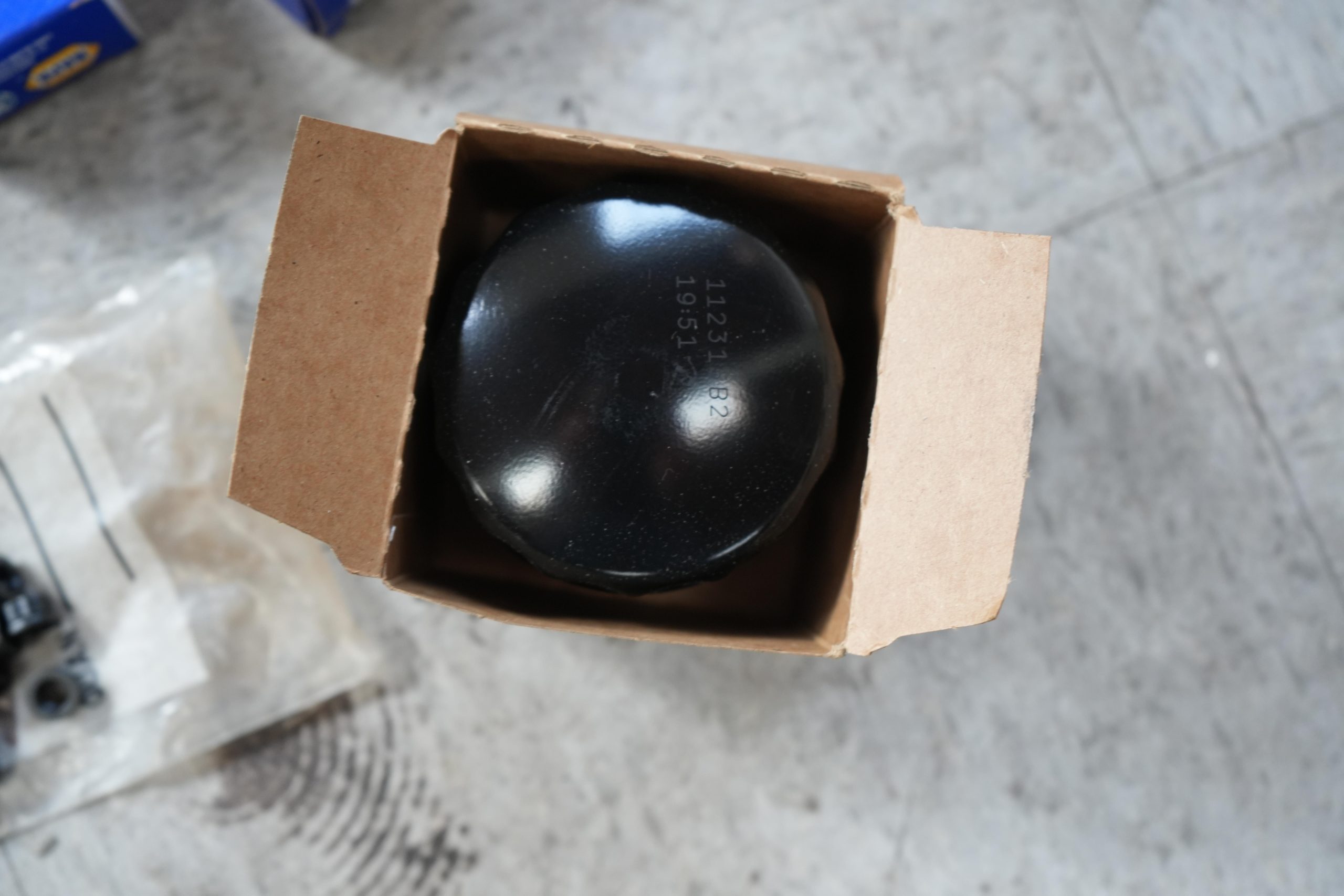
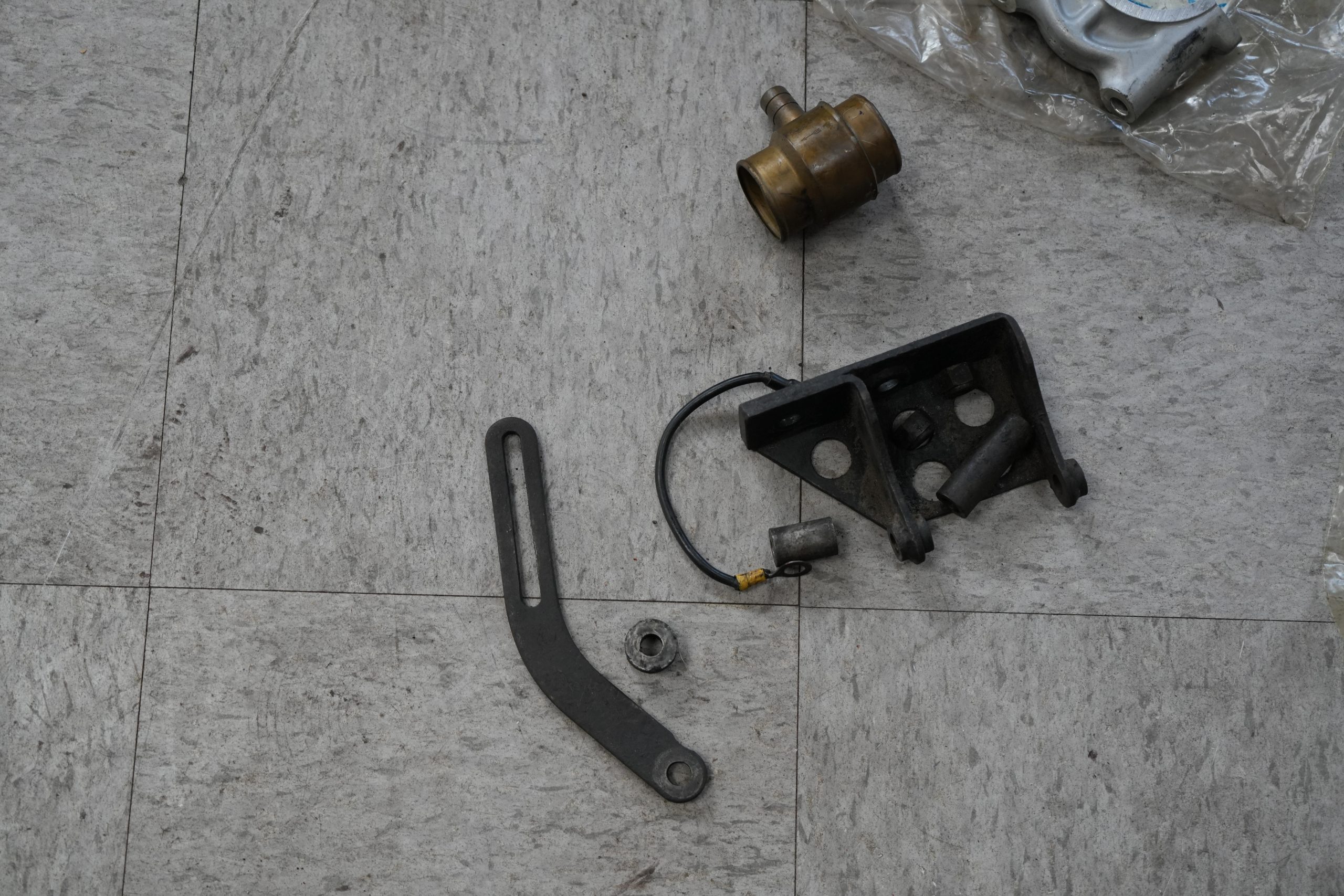
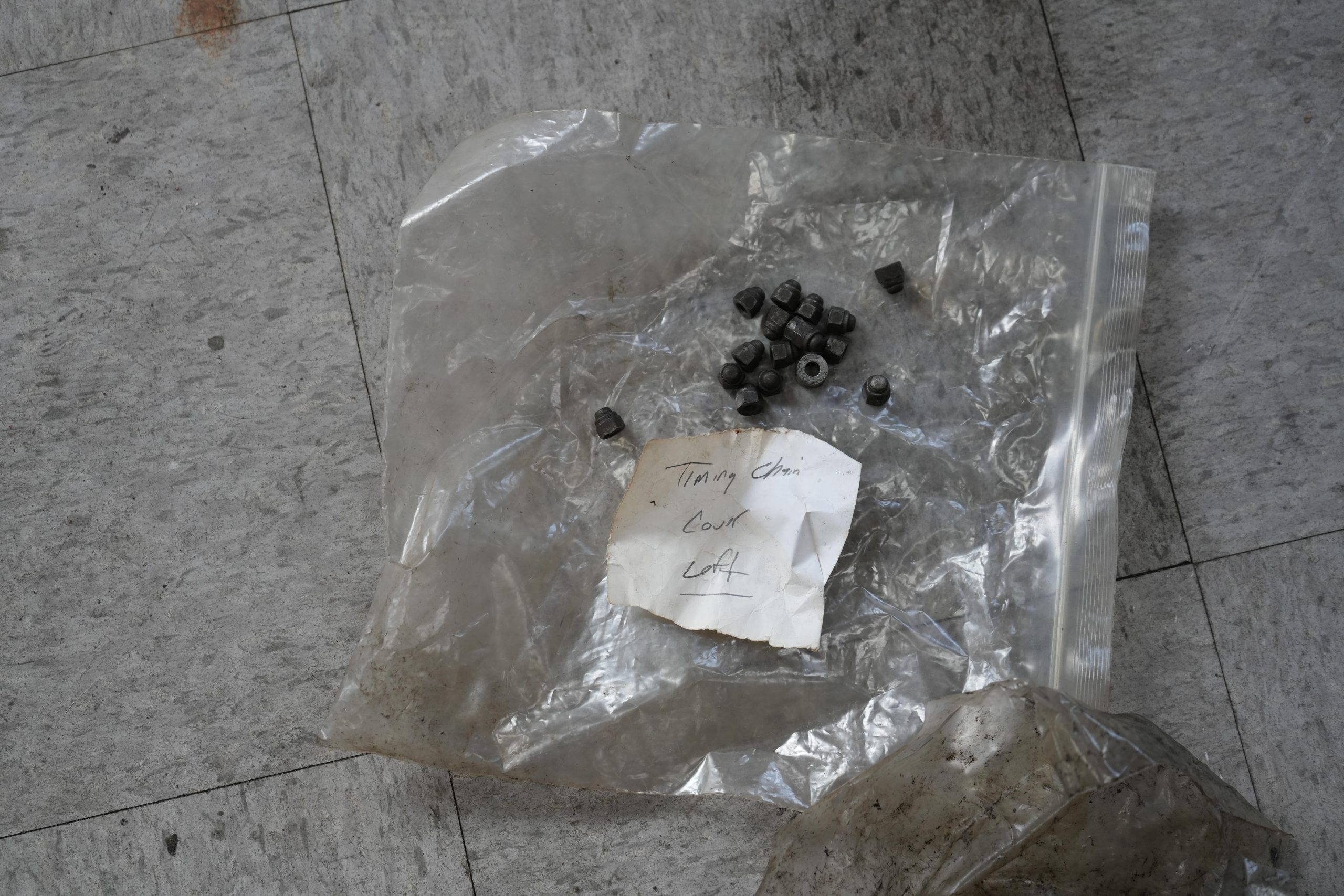
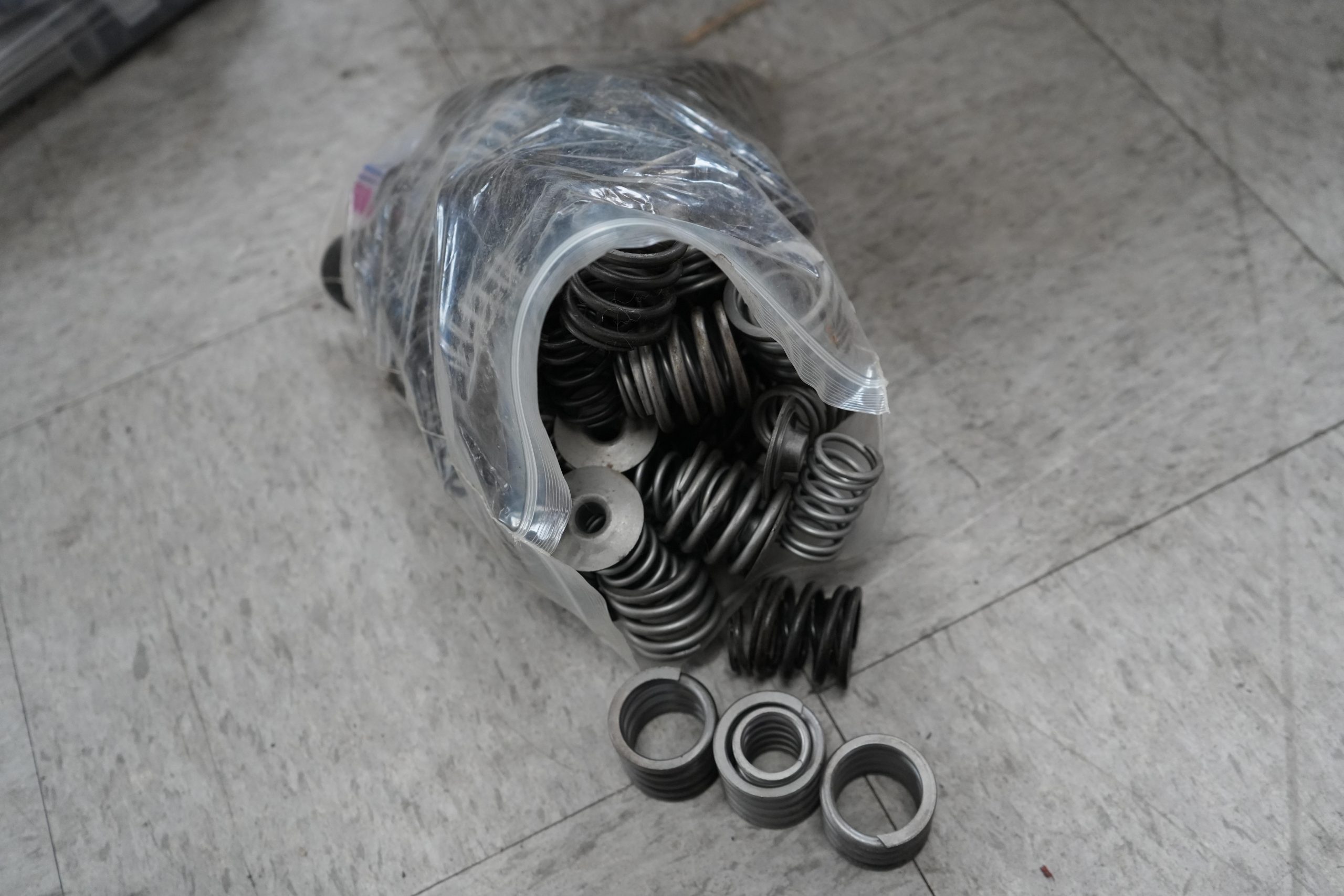
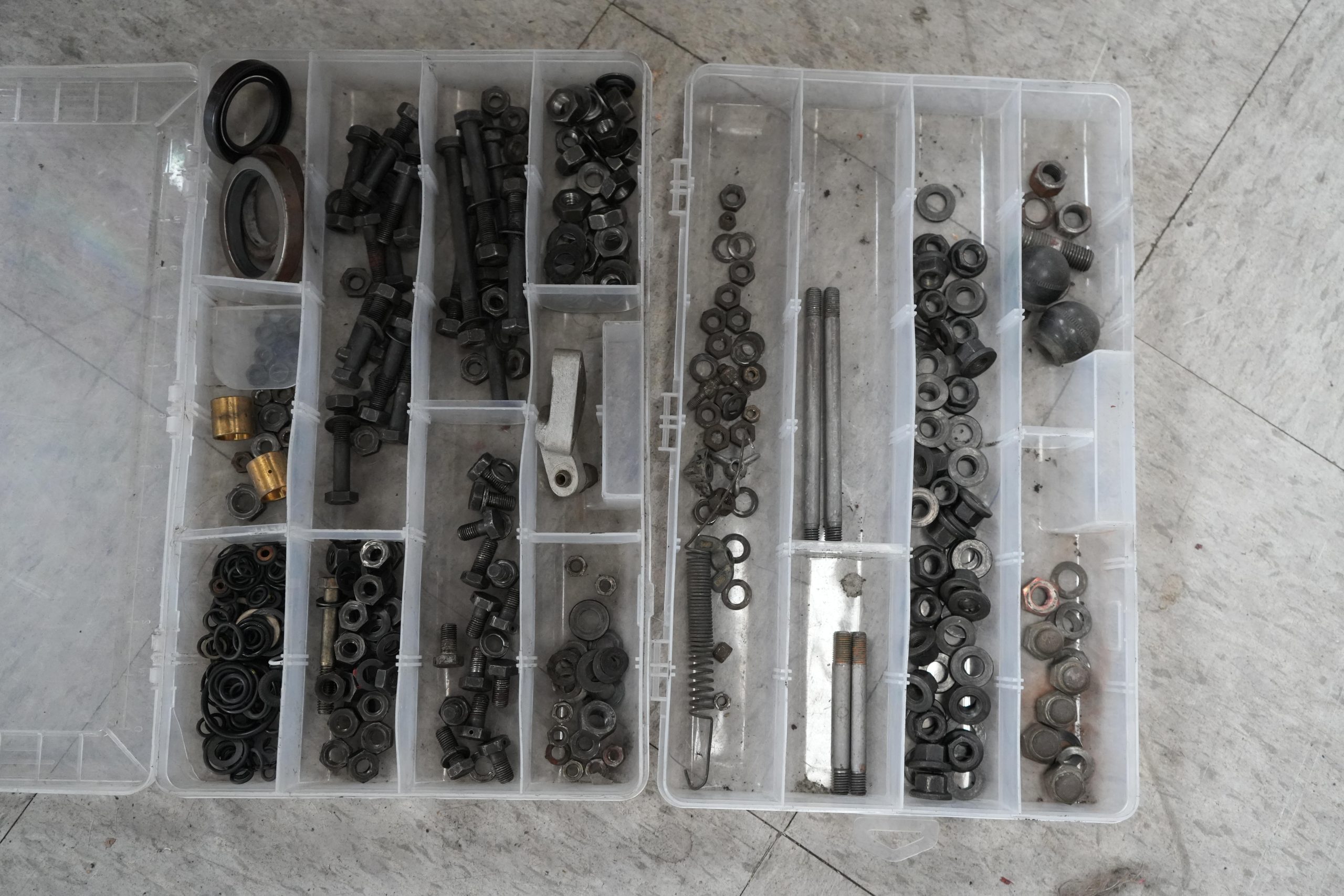
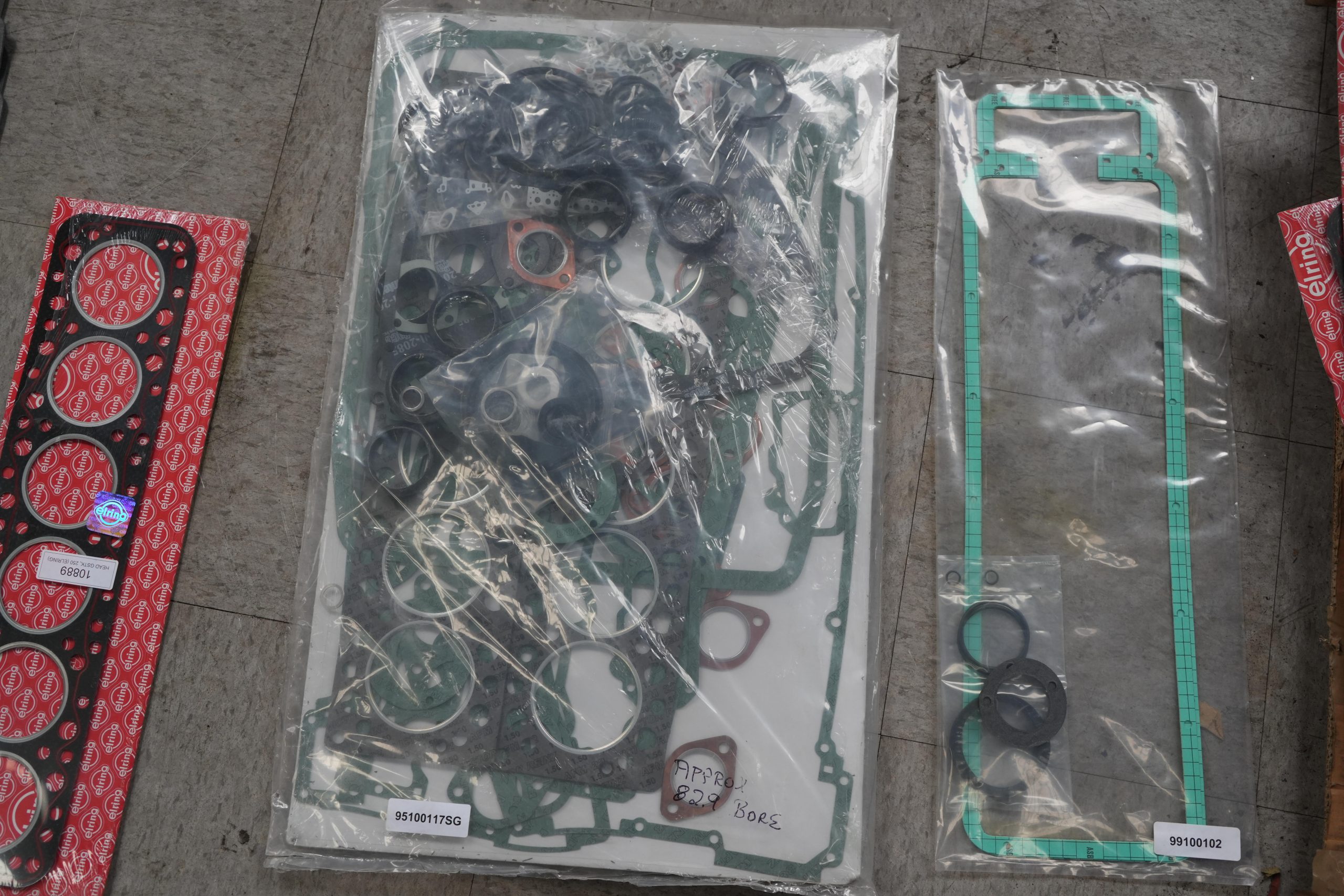
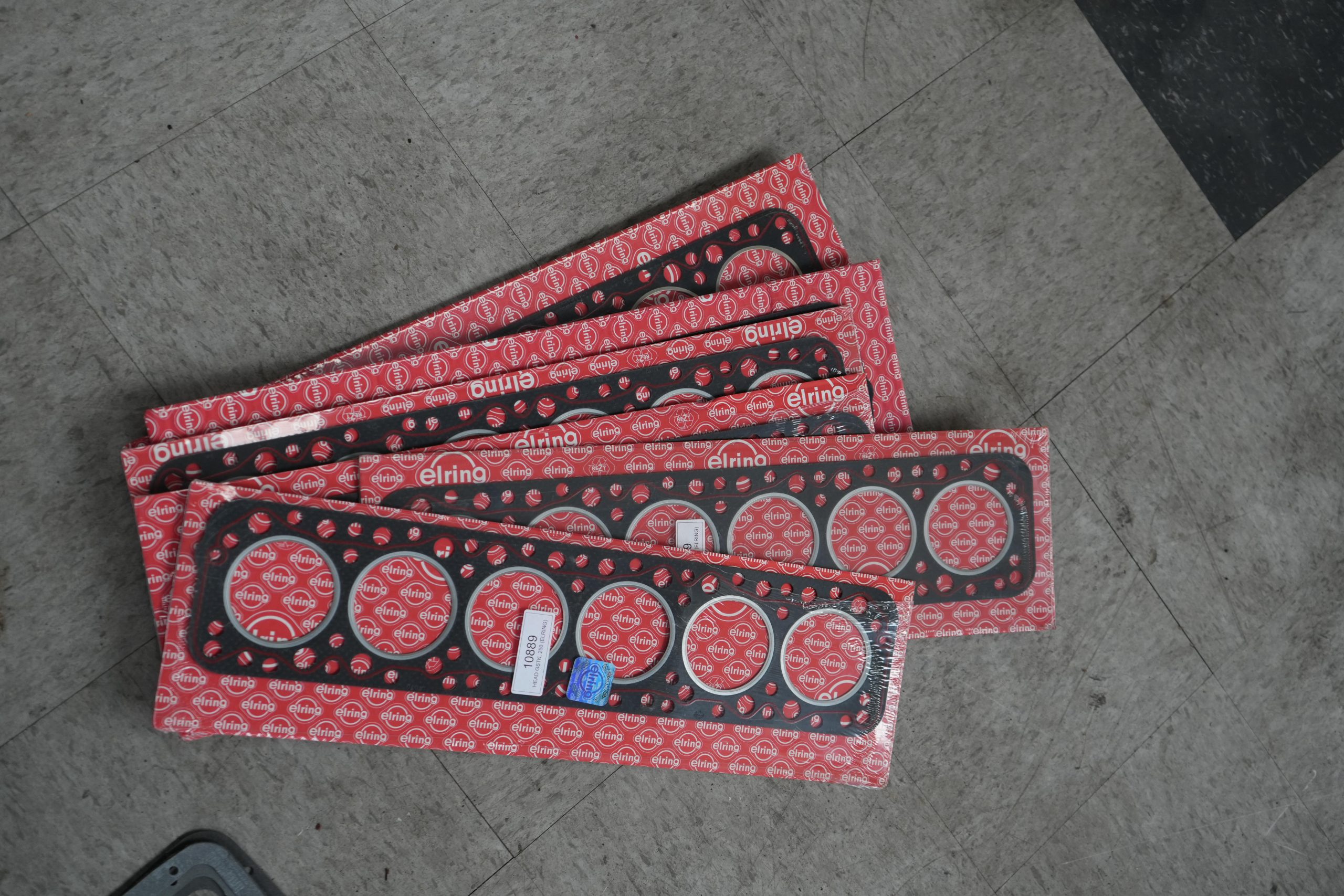
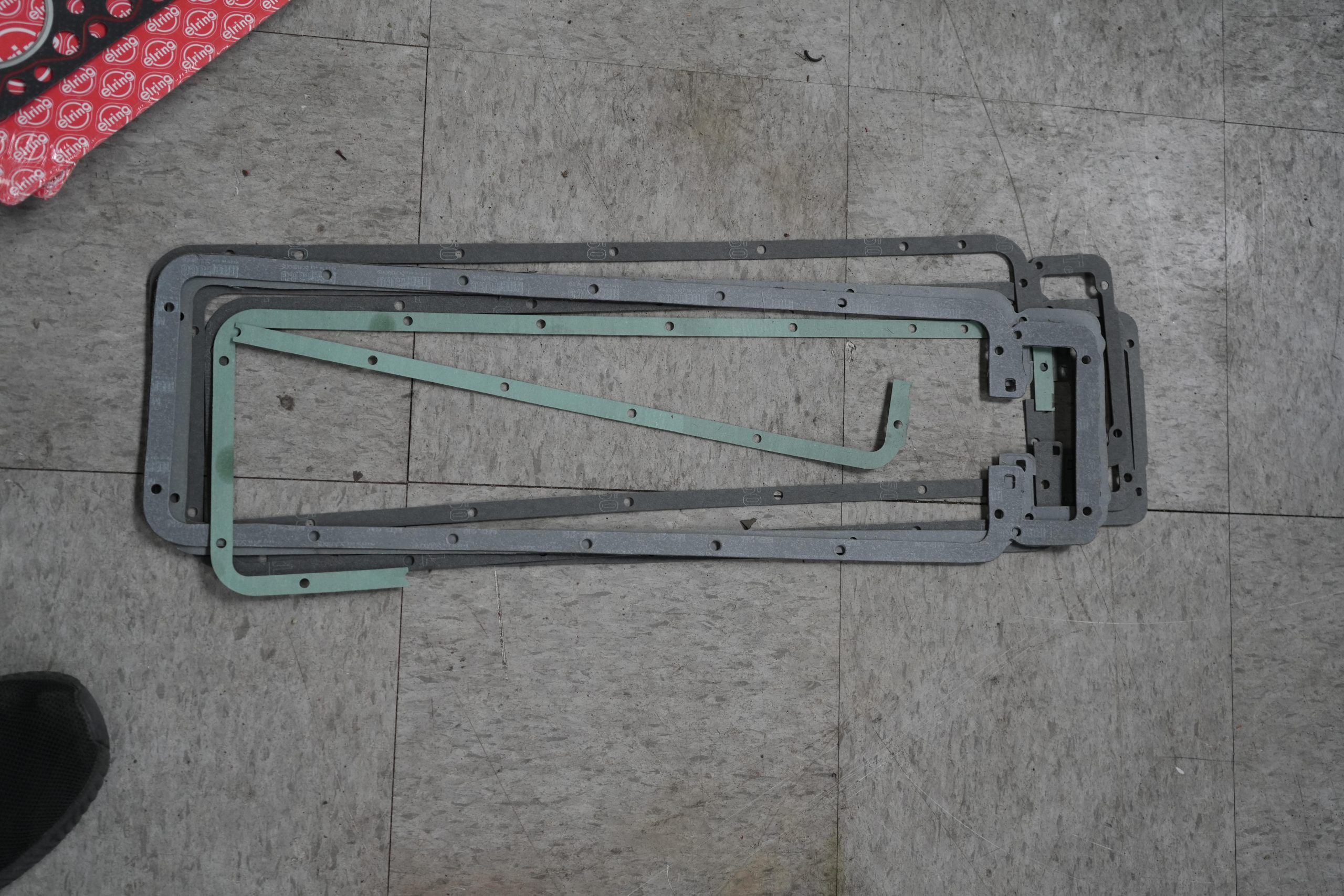
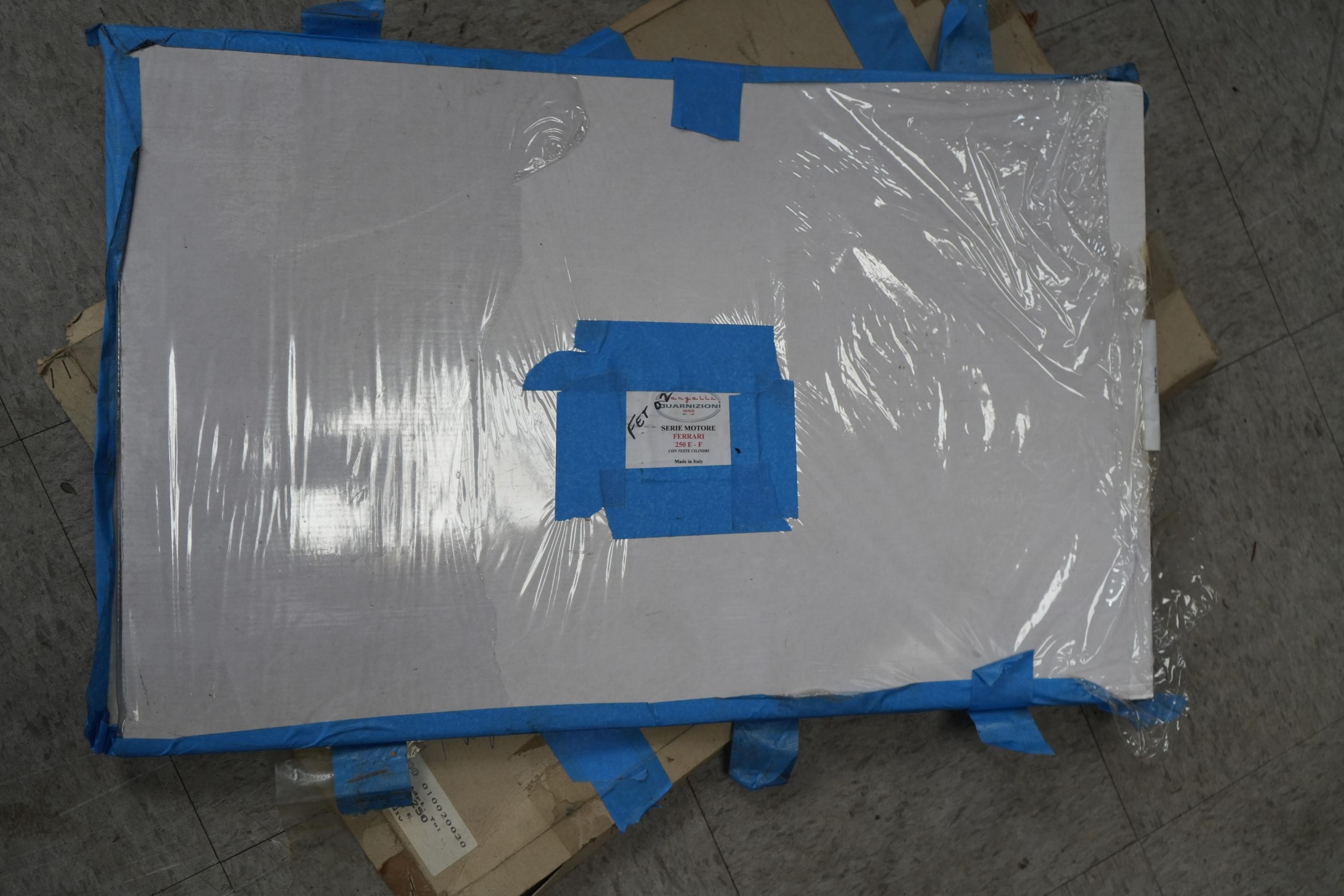
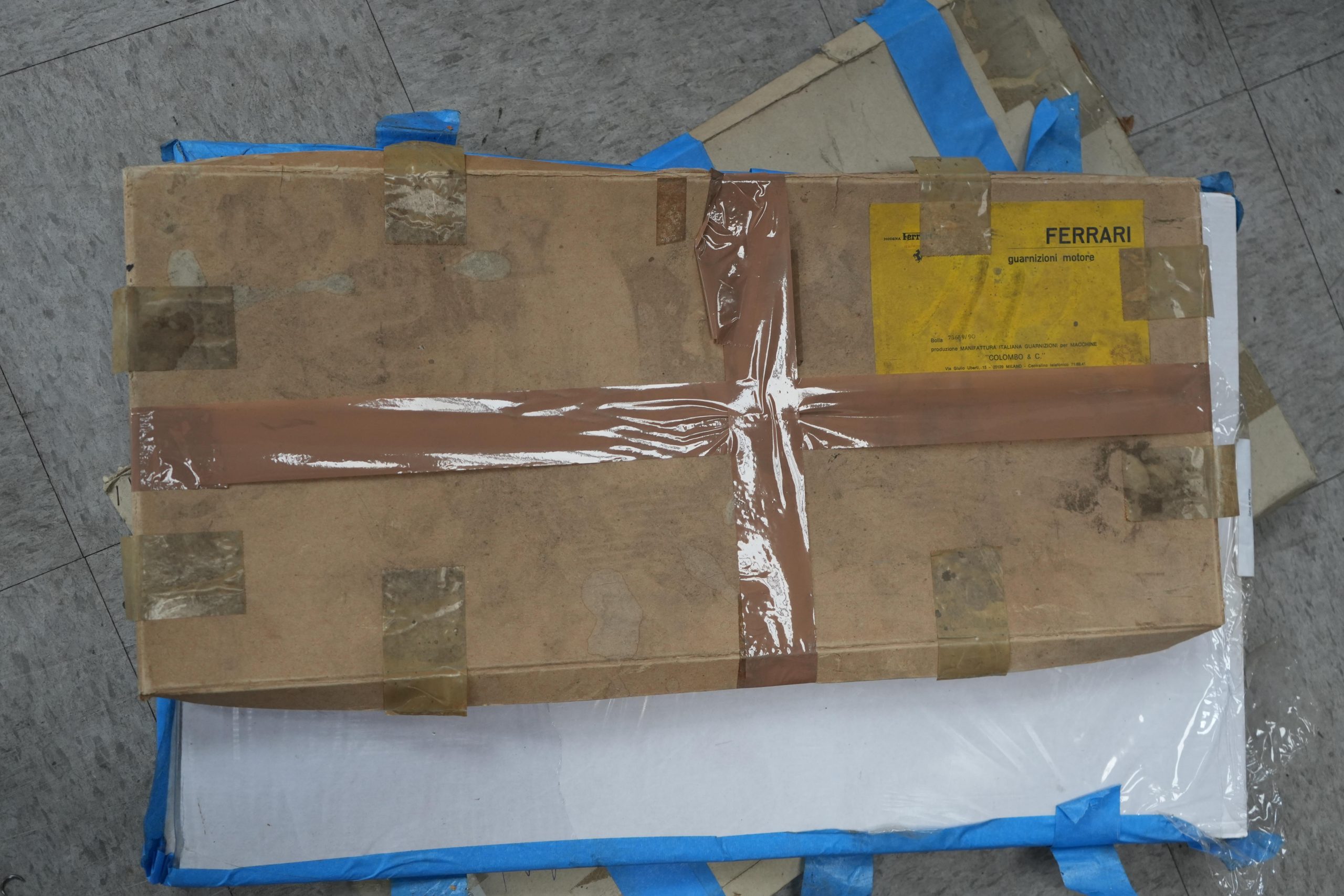
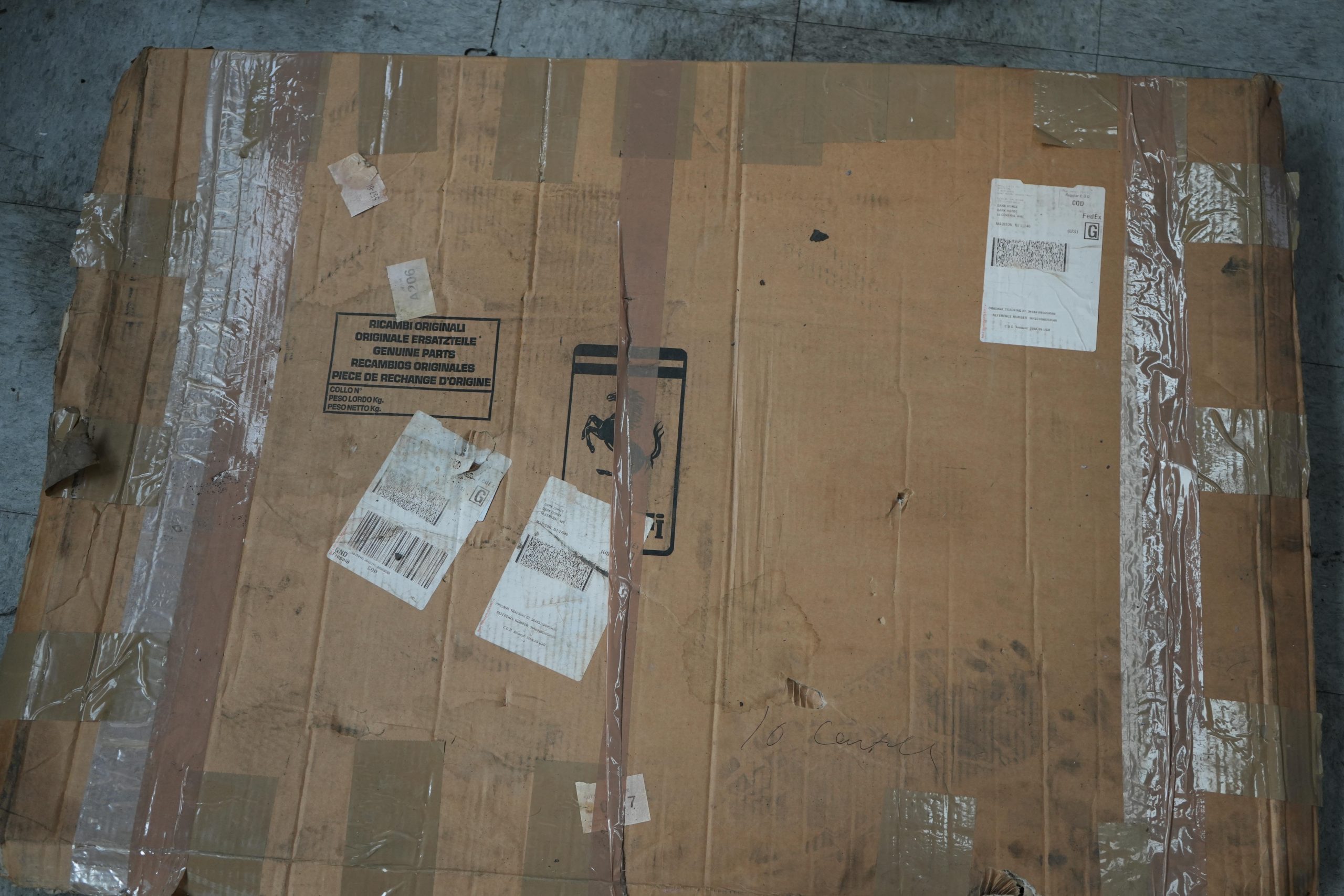
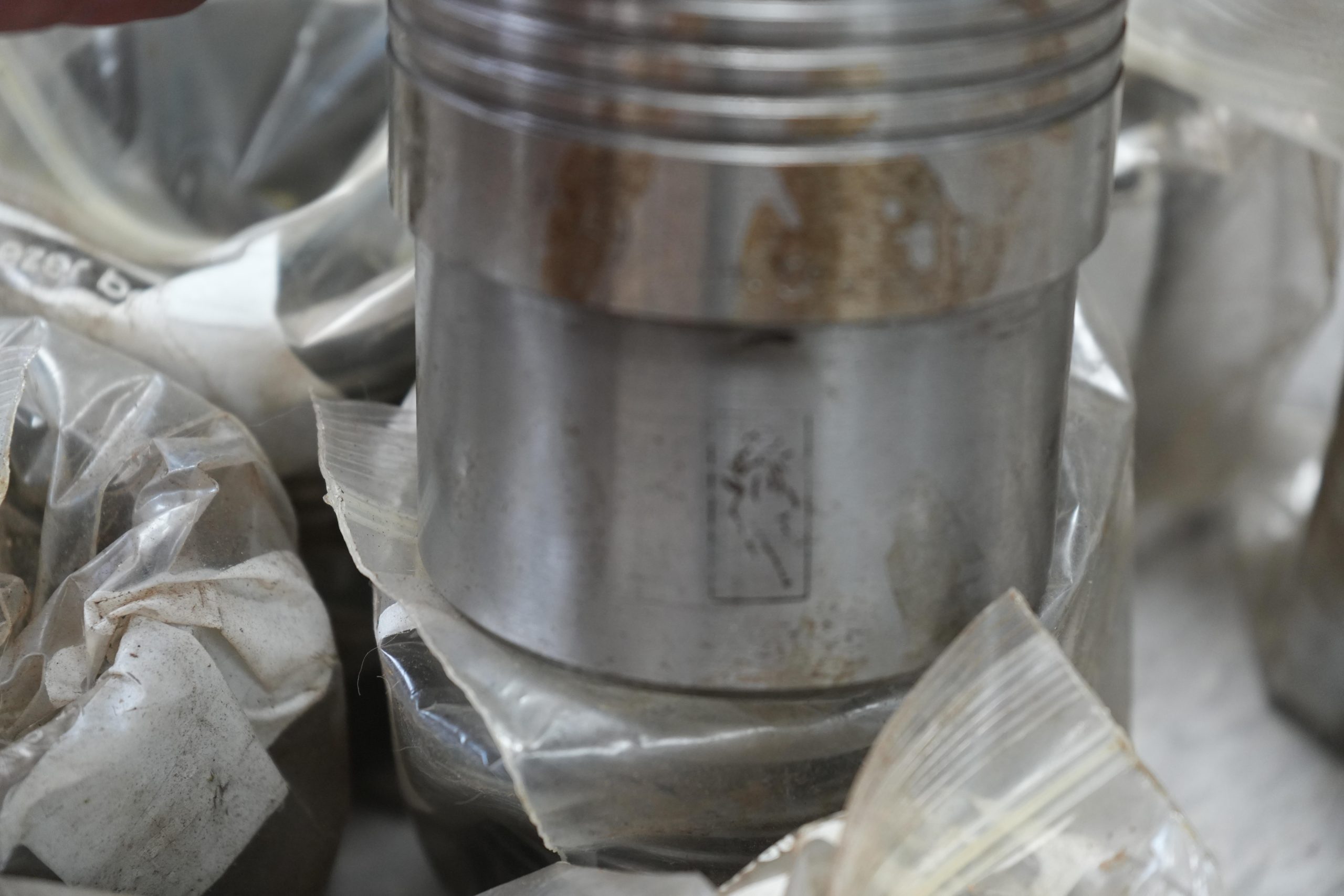
Also included with 250 GTE engine # 4925 is all of the remaining 250 parts from the Dick DeBiasse
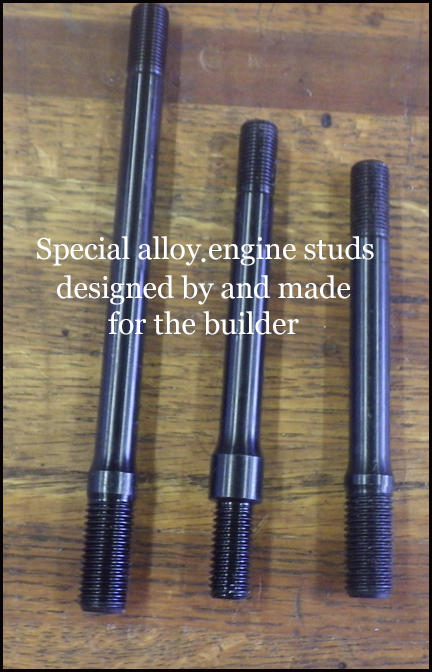
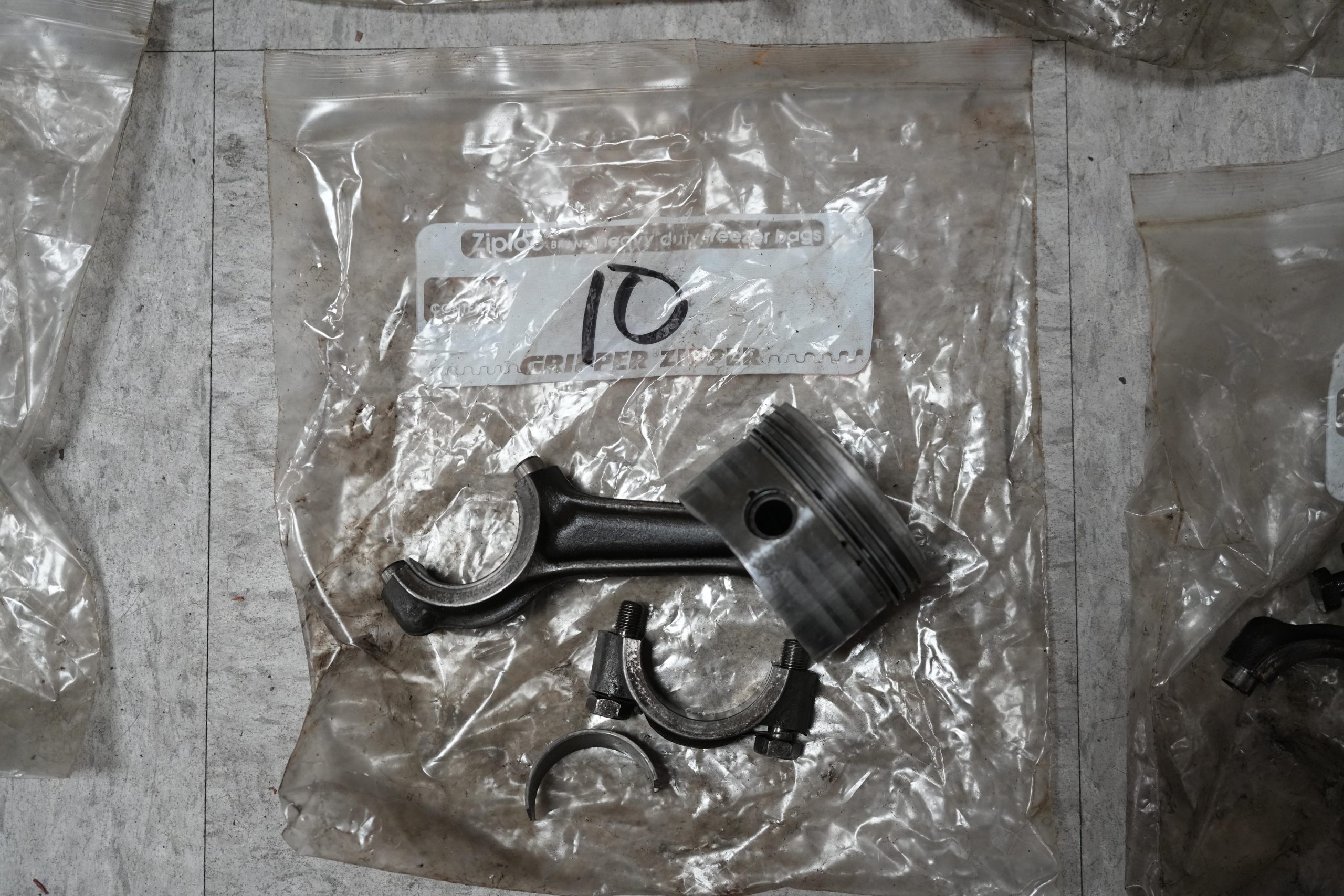
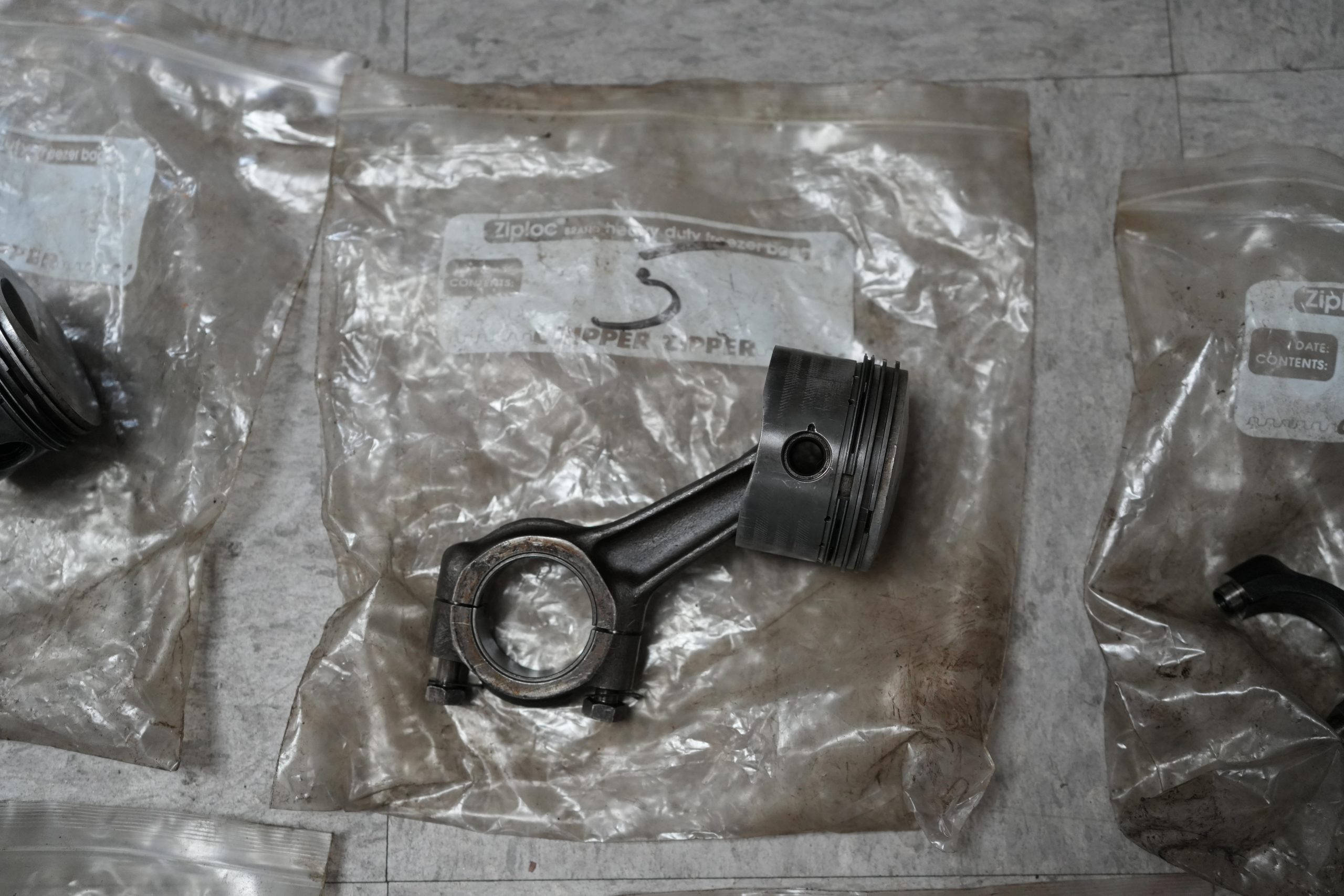
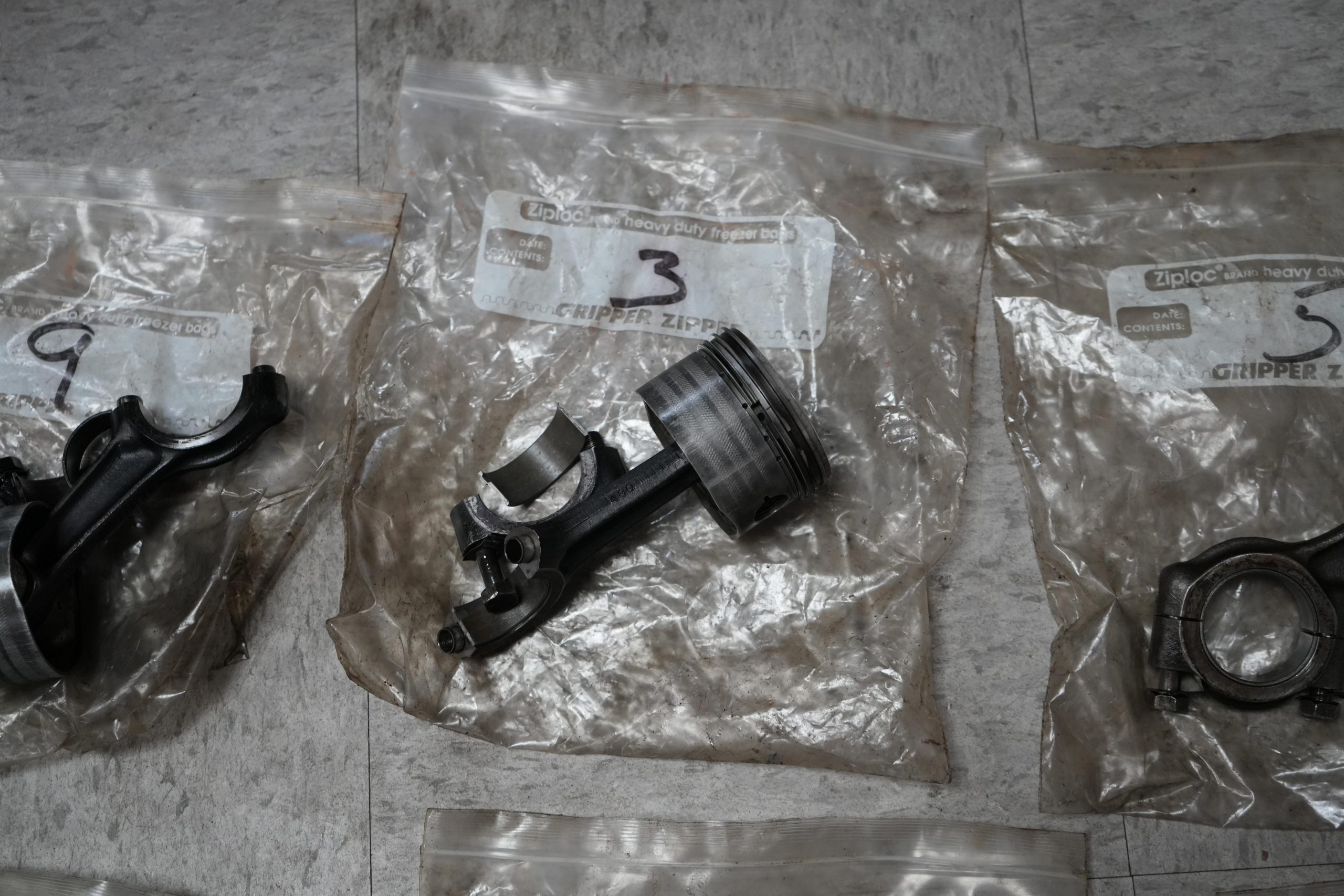
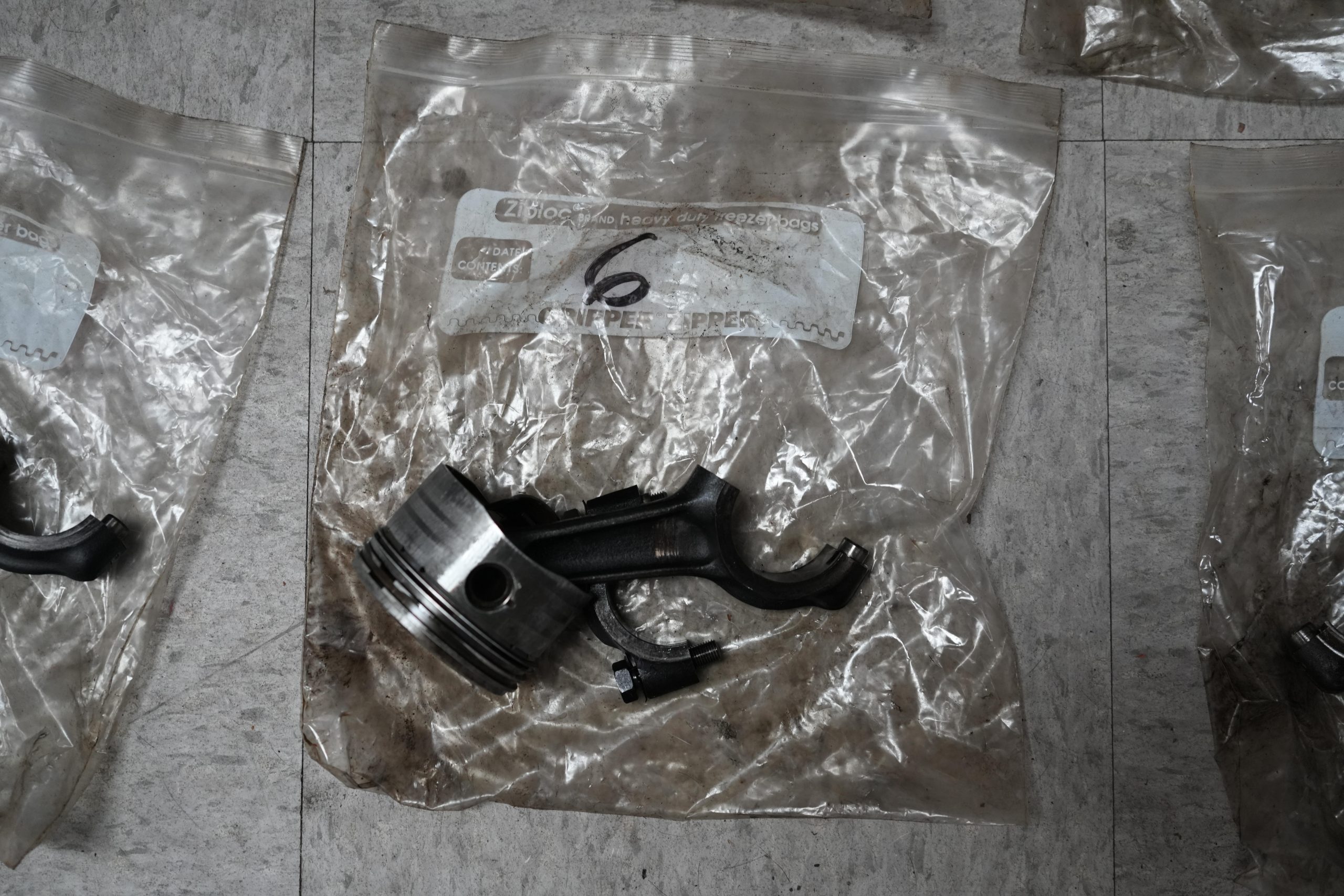
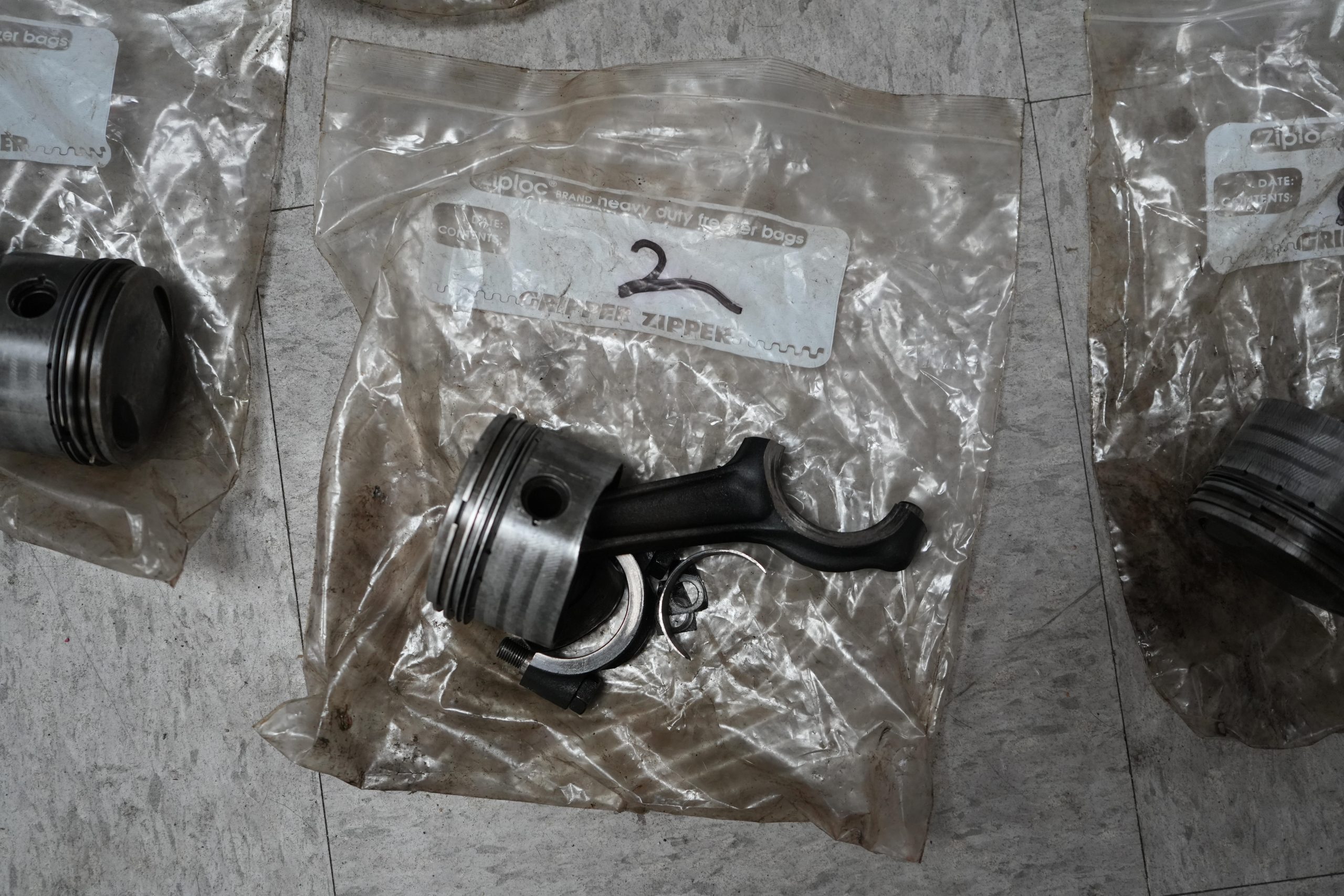
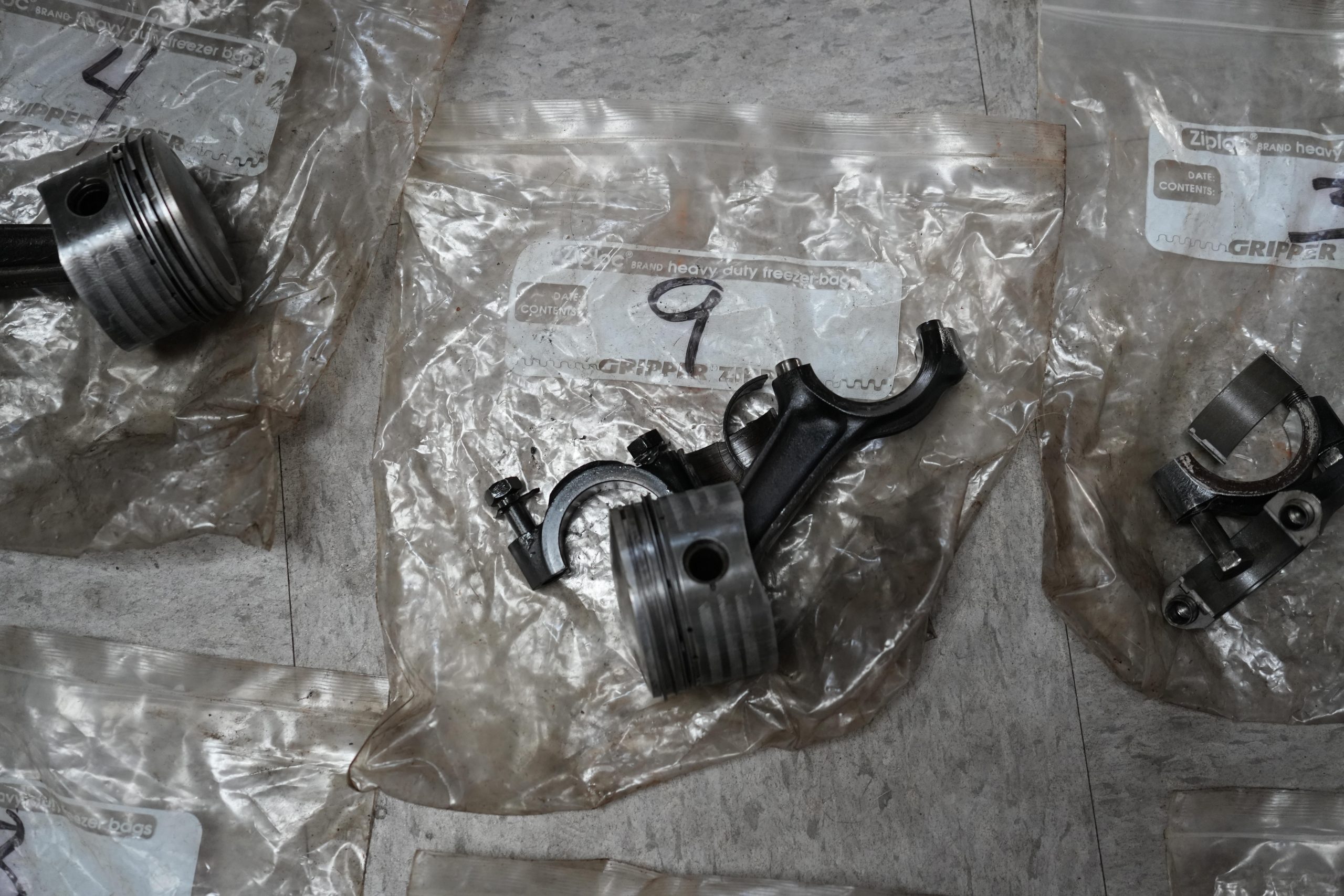
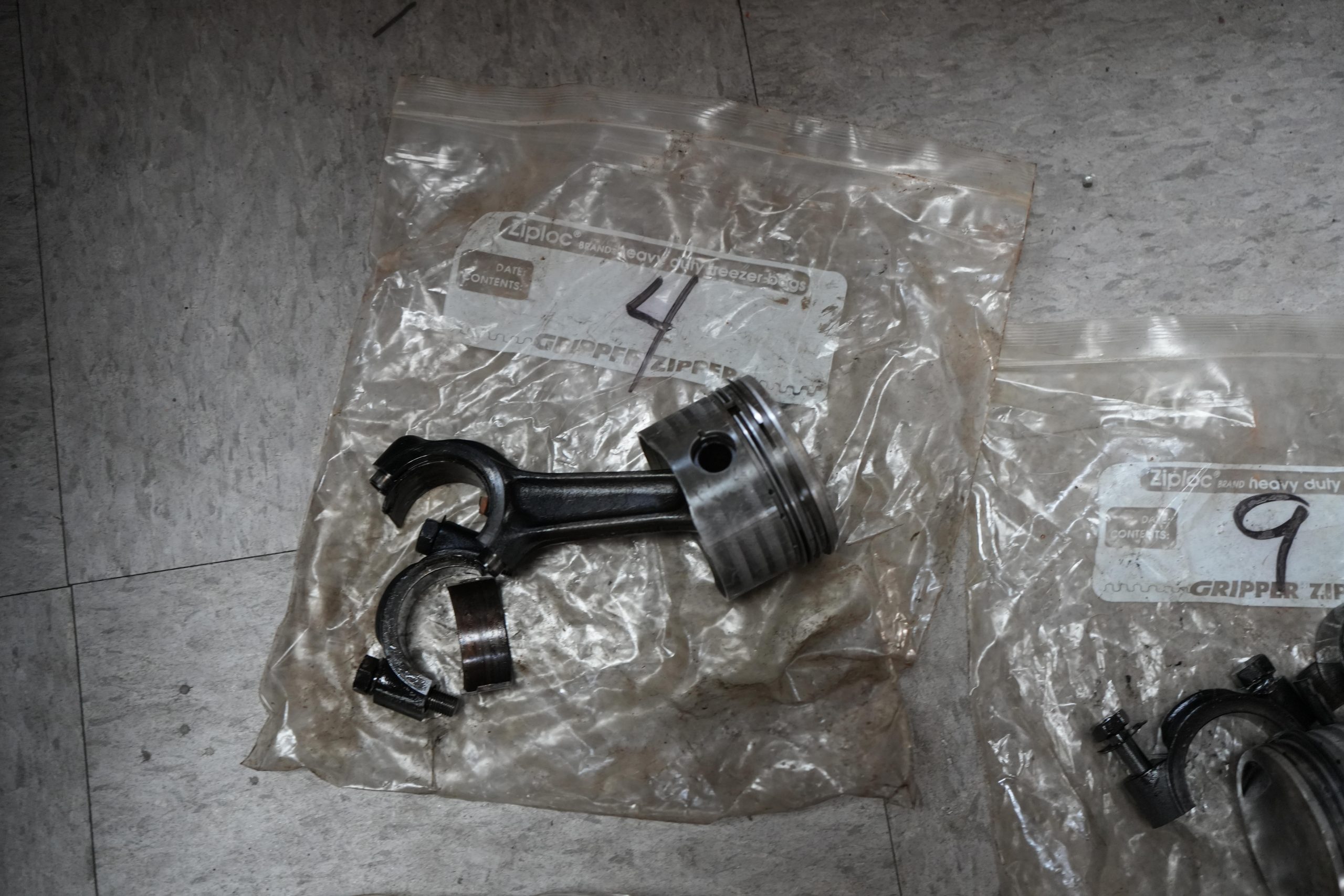
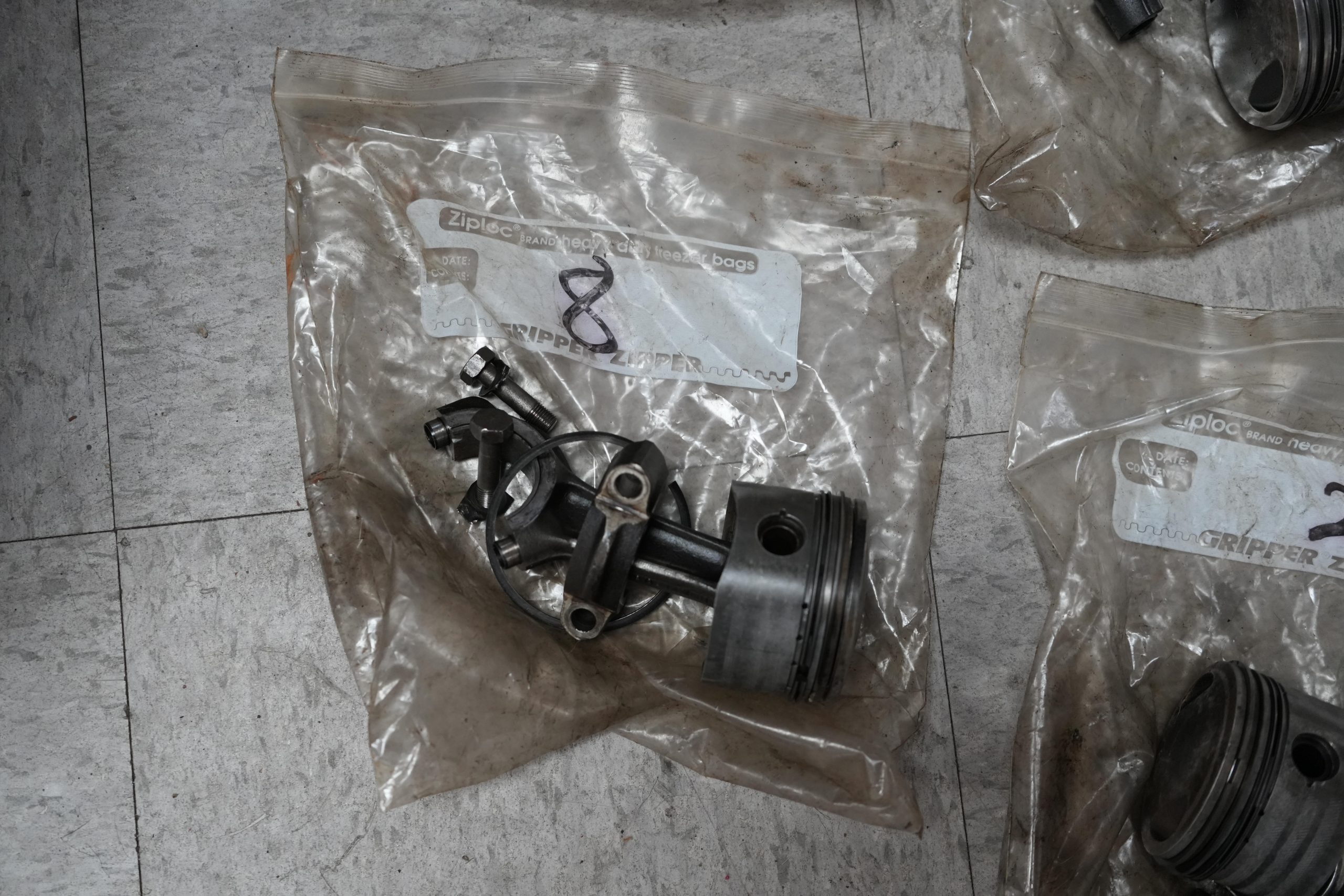
estate which includes the studs for the cam covers; a used set of early off-set 250 Rods and pistons;
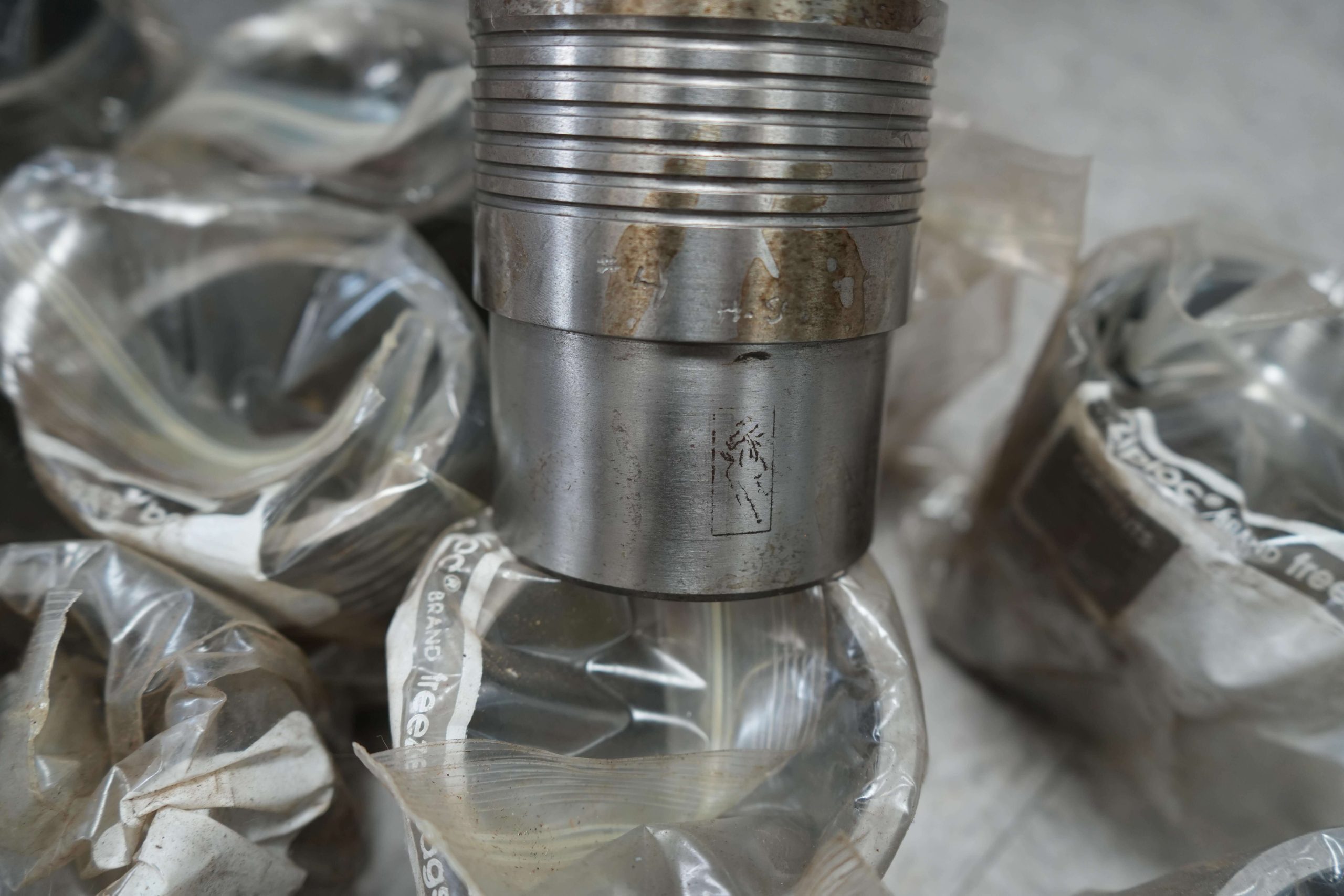
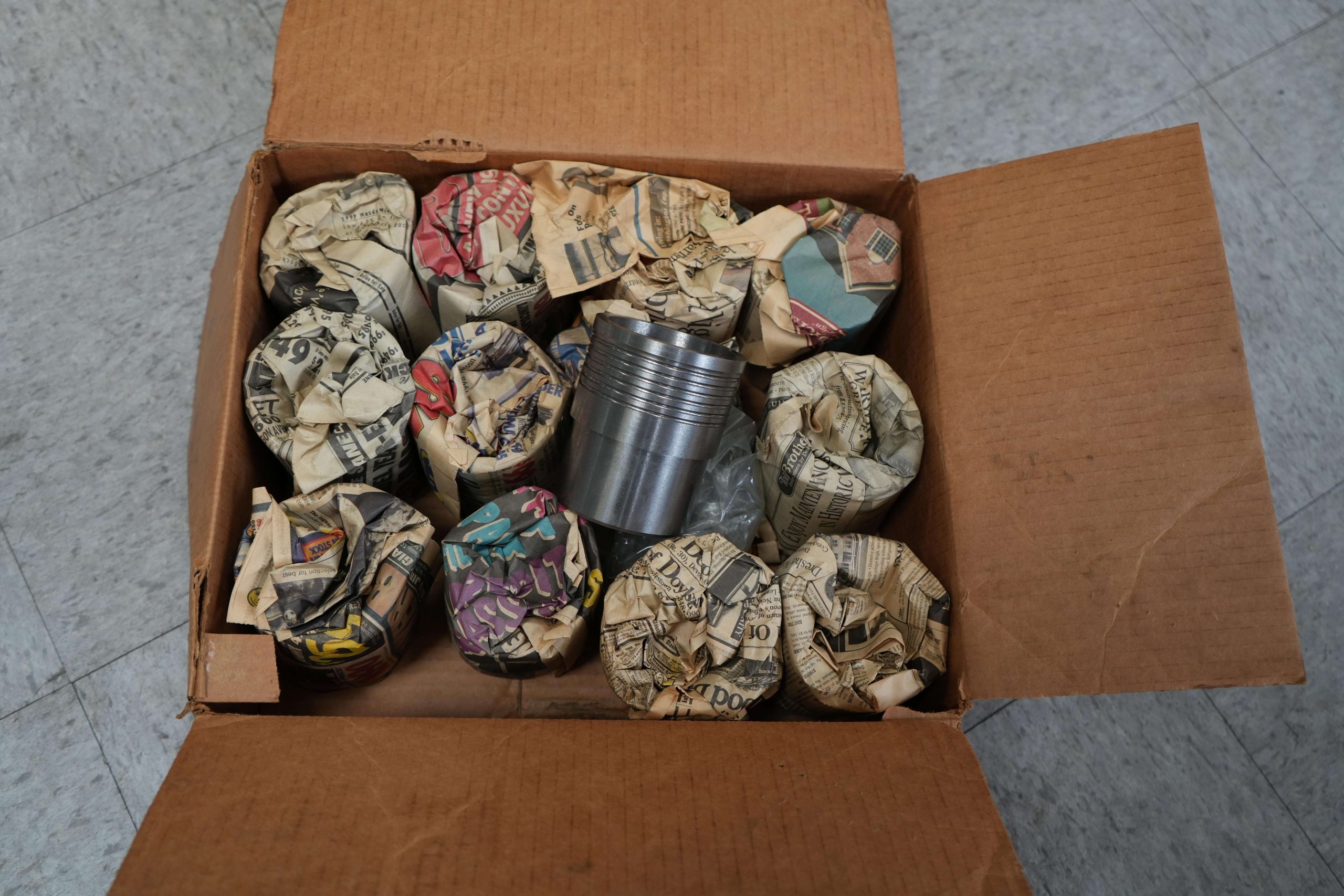
a new full set of 74mm lightweight Weisco pistons with rings and pins; a new set of 73mm AE
Hepolite pistons supplied by Superperformance; two sets of new high-performance Crane cams;
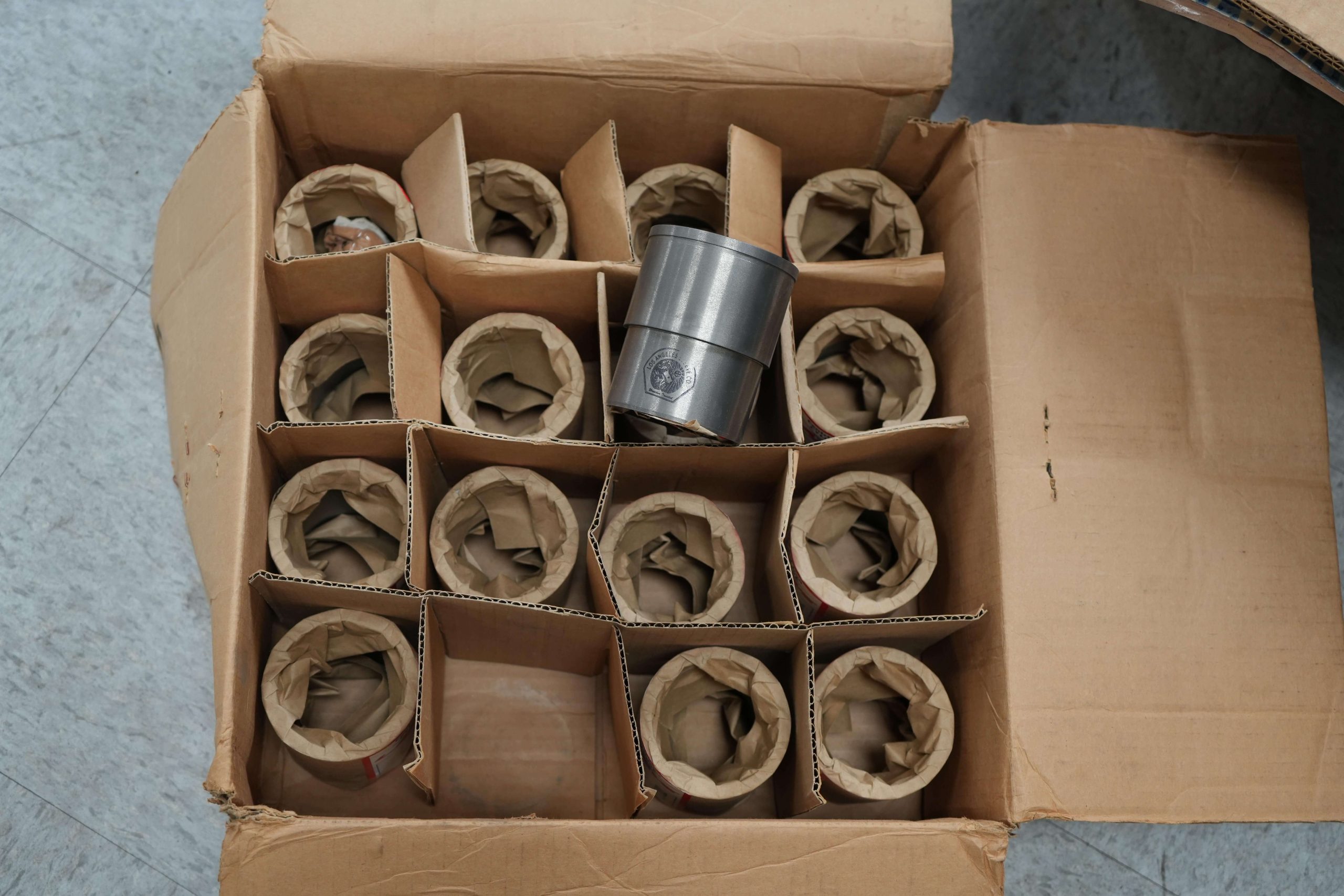
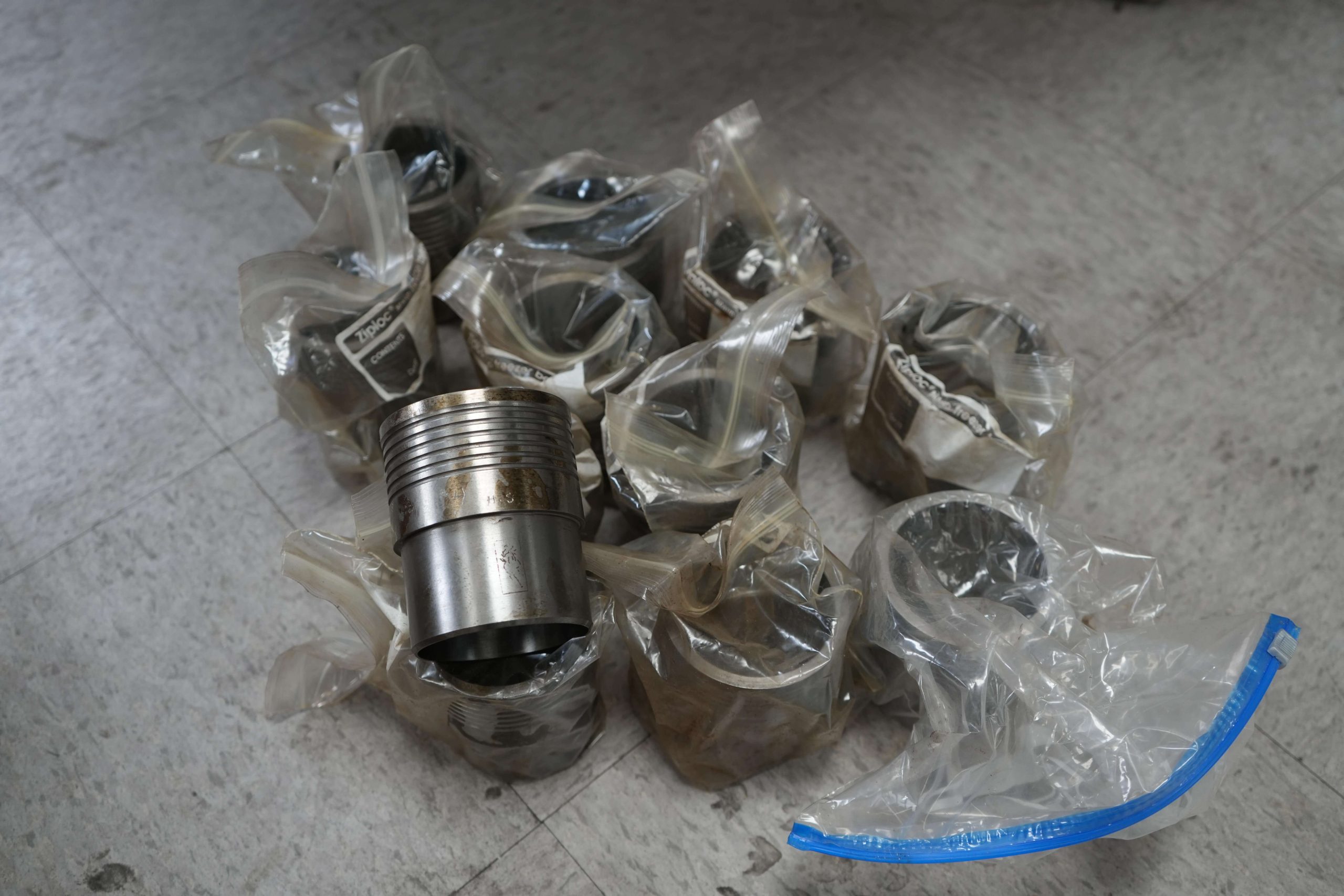
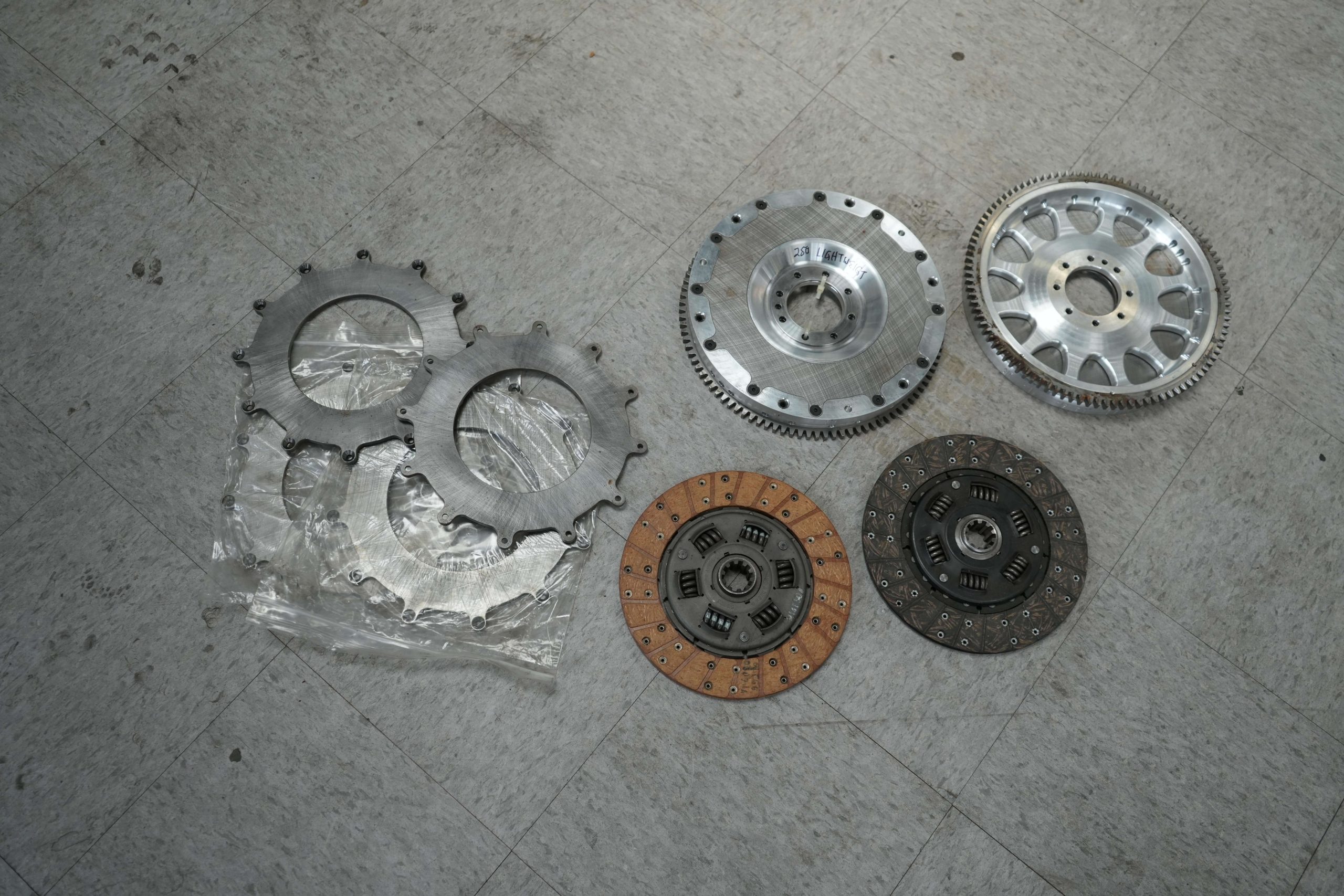
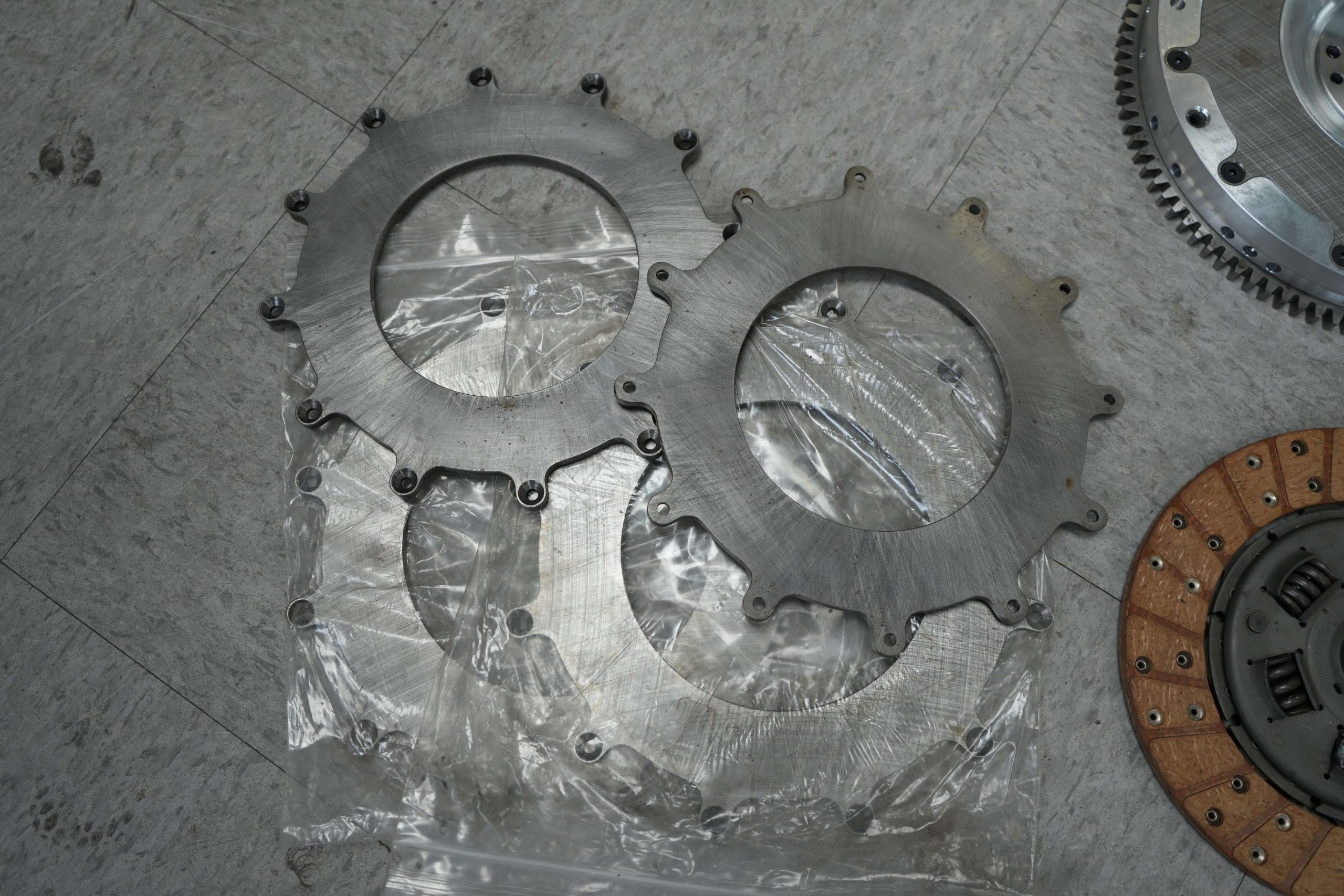
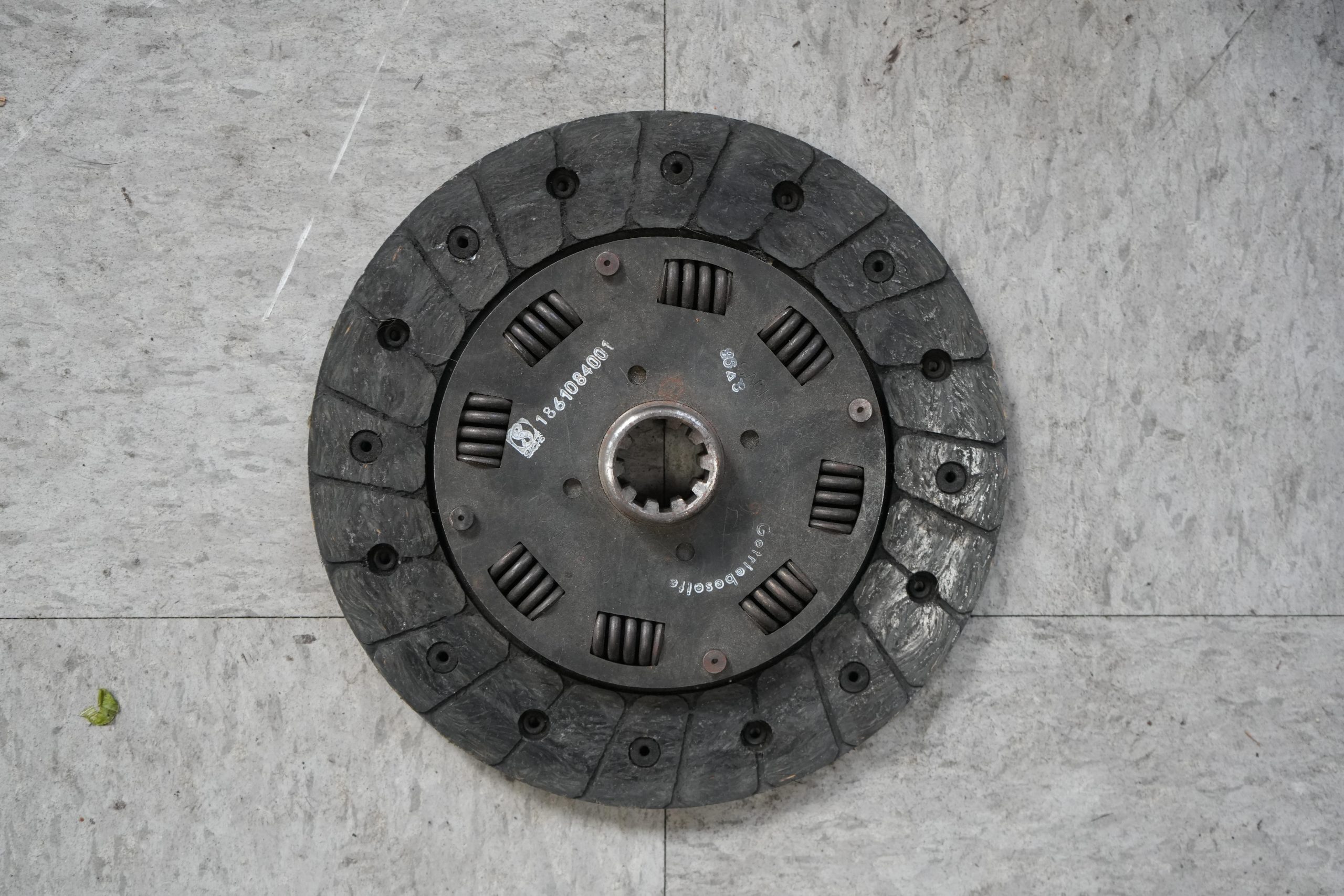
two lightweight steel-faced aluminum flywheels; two double disc clutch plates; three plus sets
of new lightweight liners; two sets of valve springs with retainers; a used period-correct fuel
pump; a used period-correct Magneti Marelli GCA101/A alternator; six new Elring head gaskets;
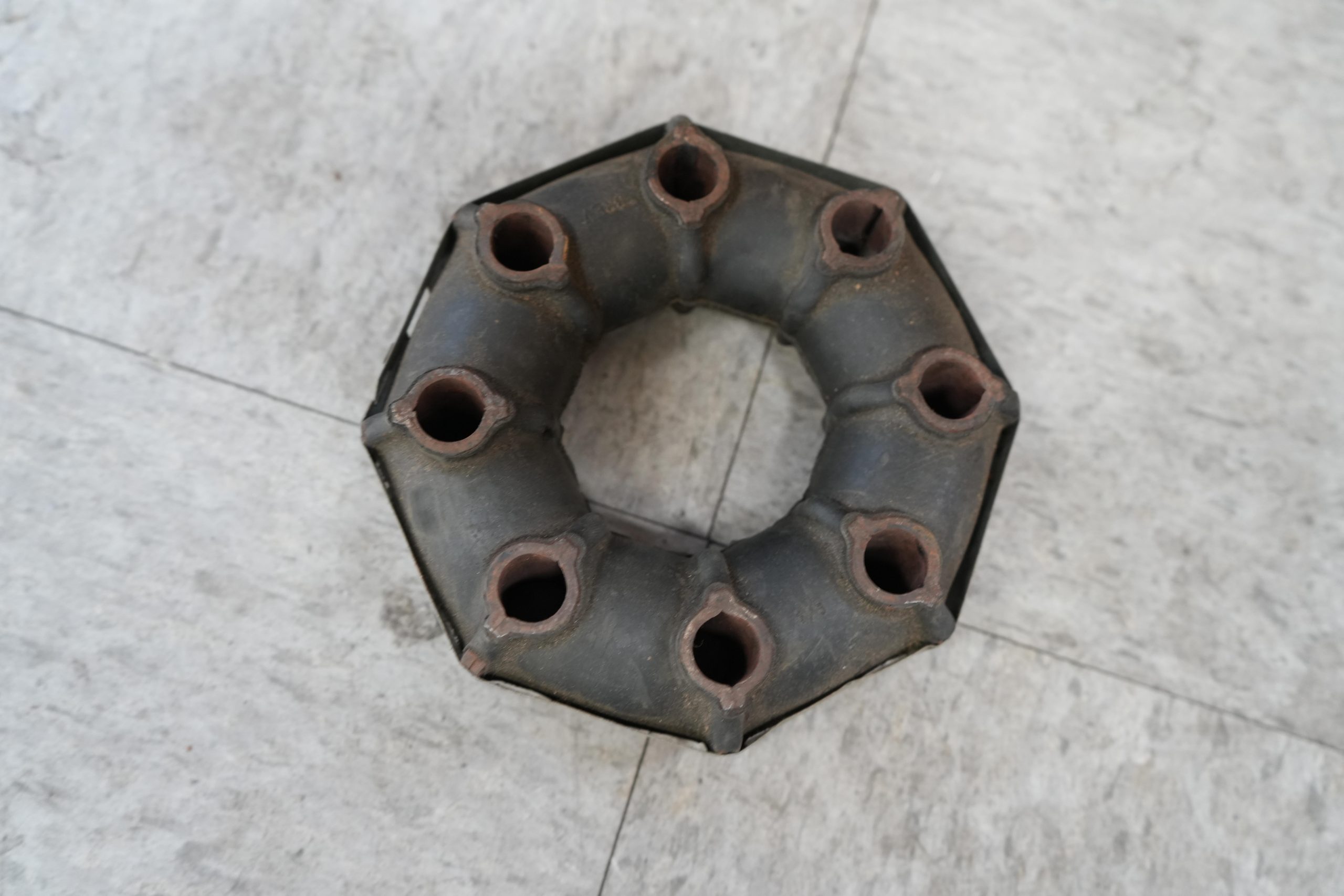
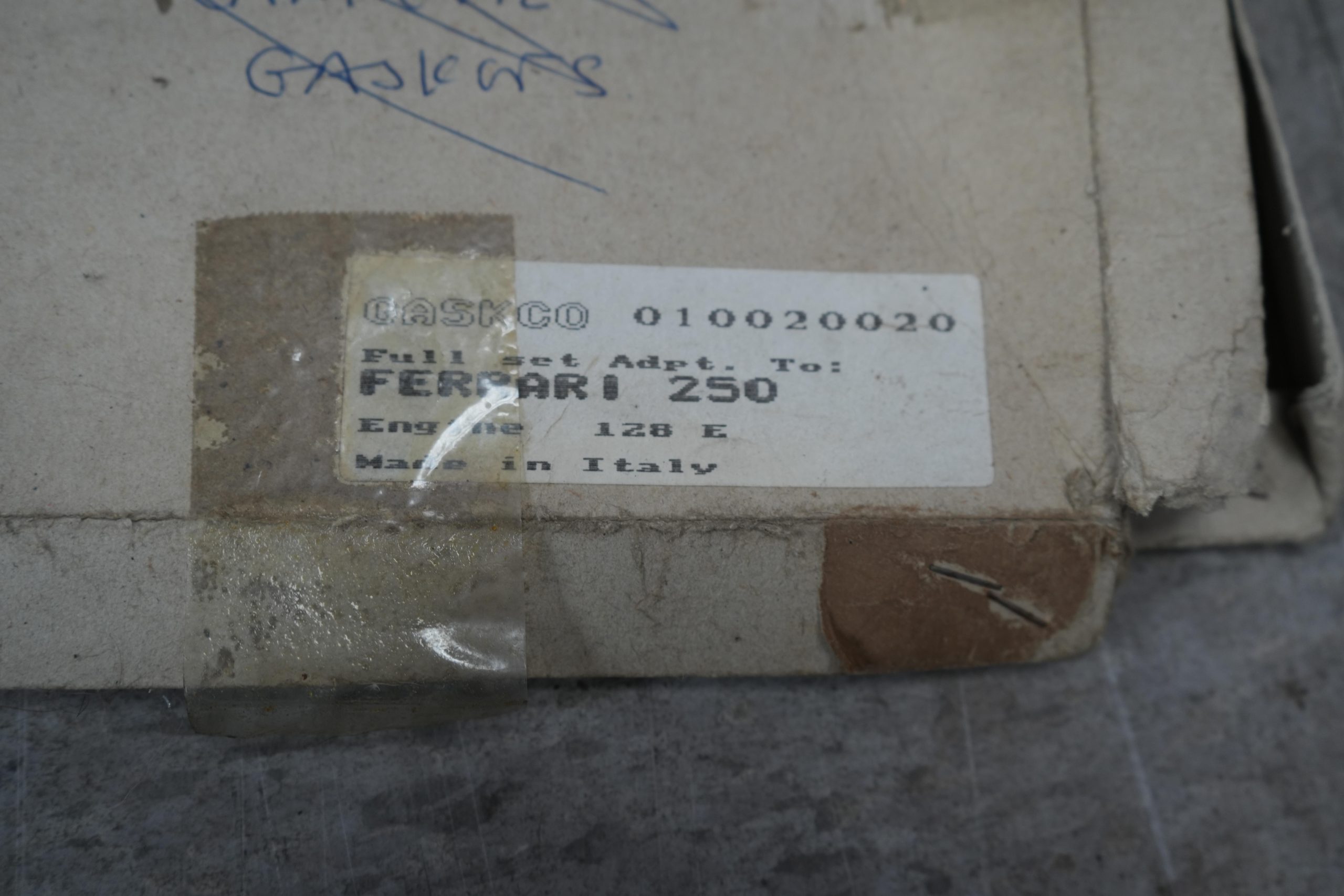
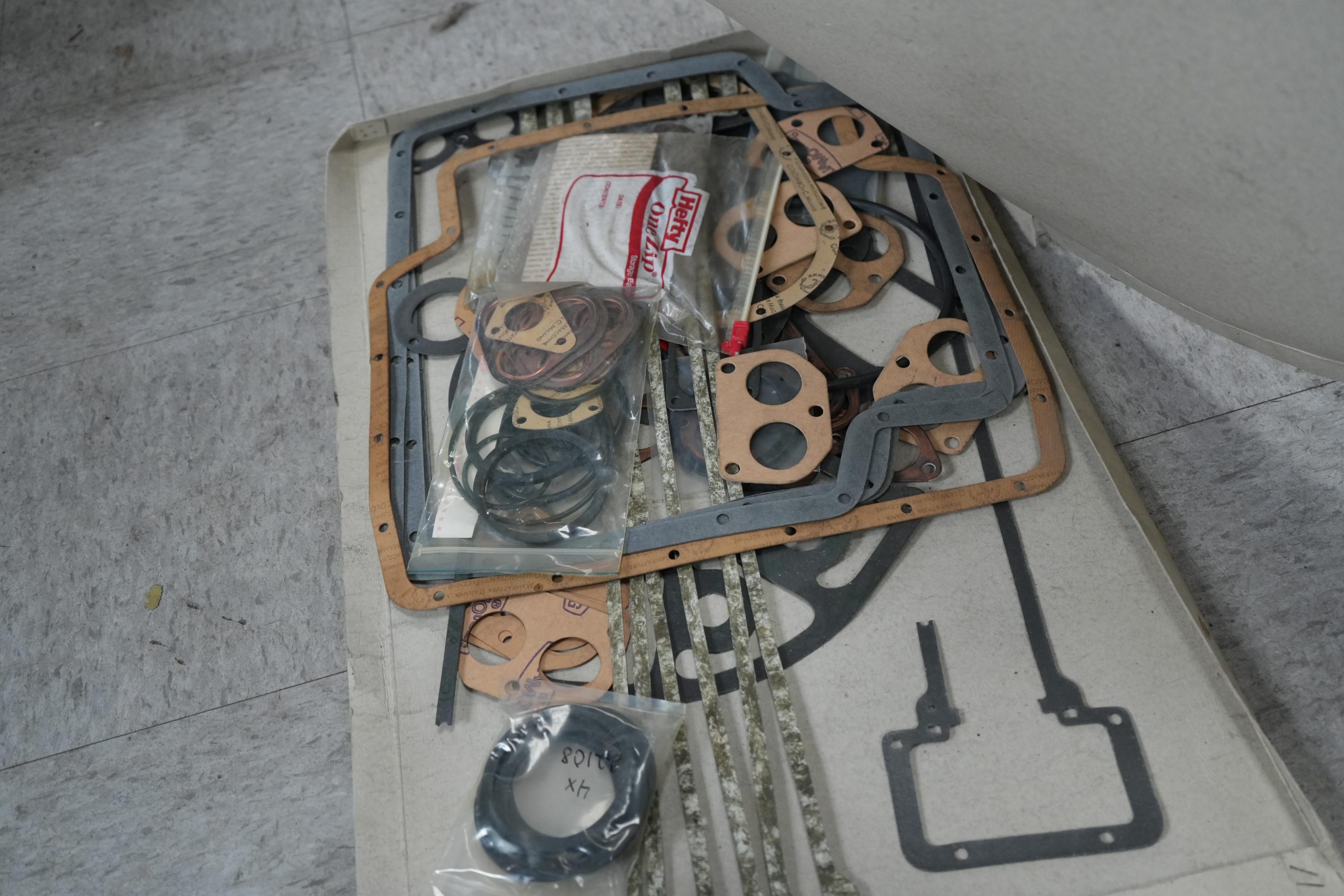
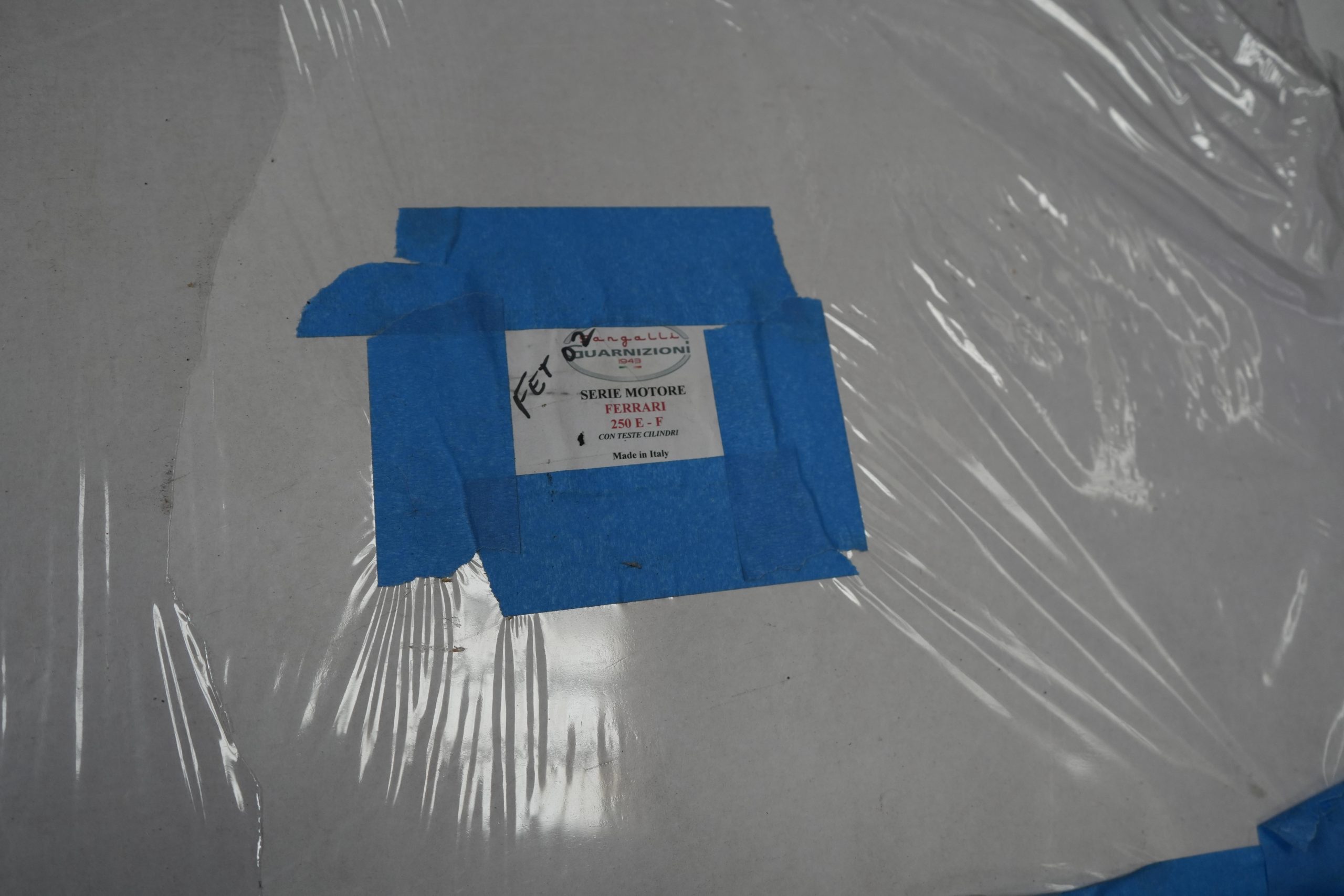
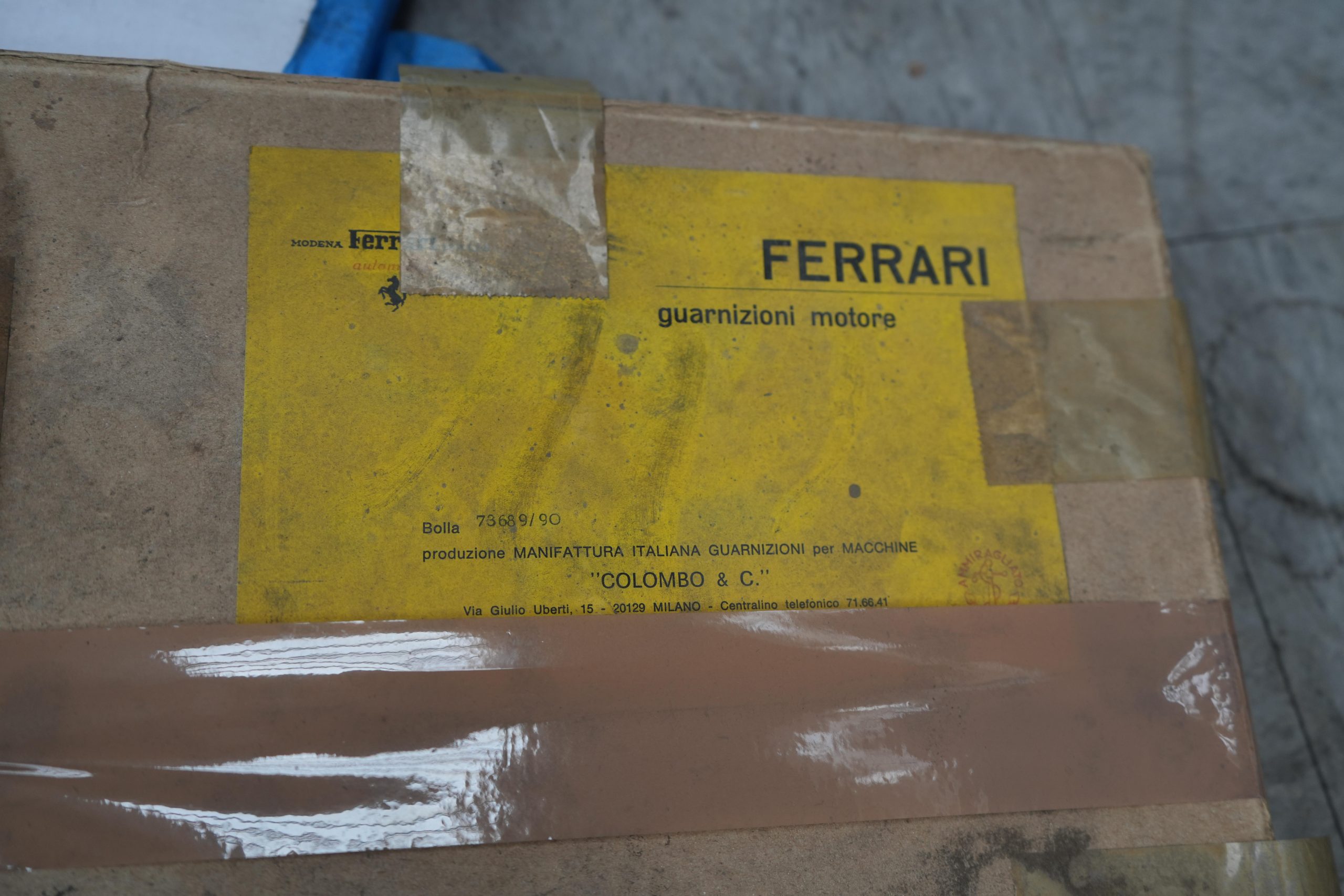
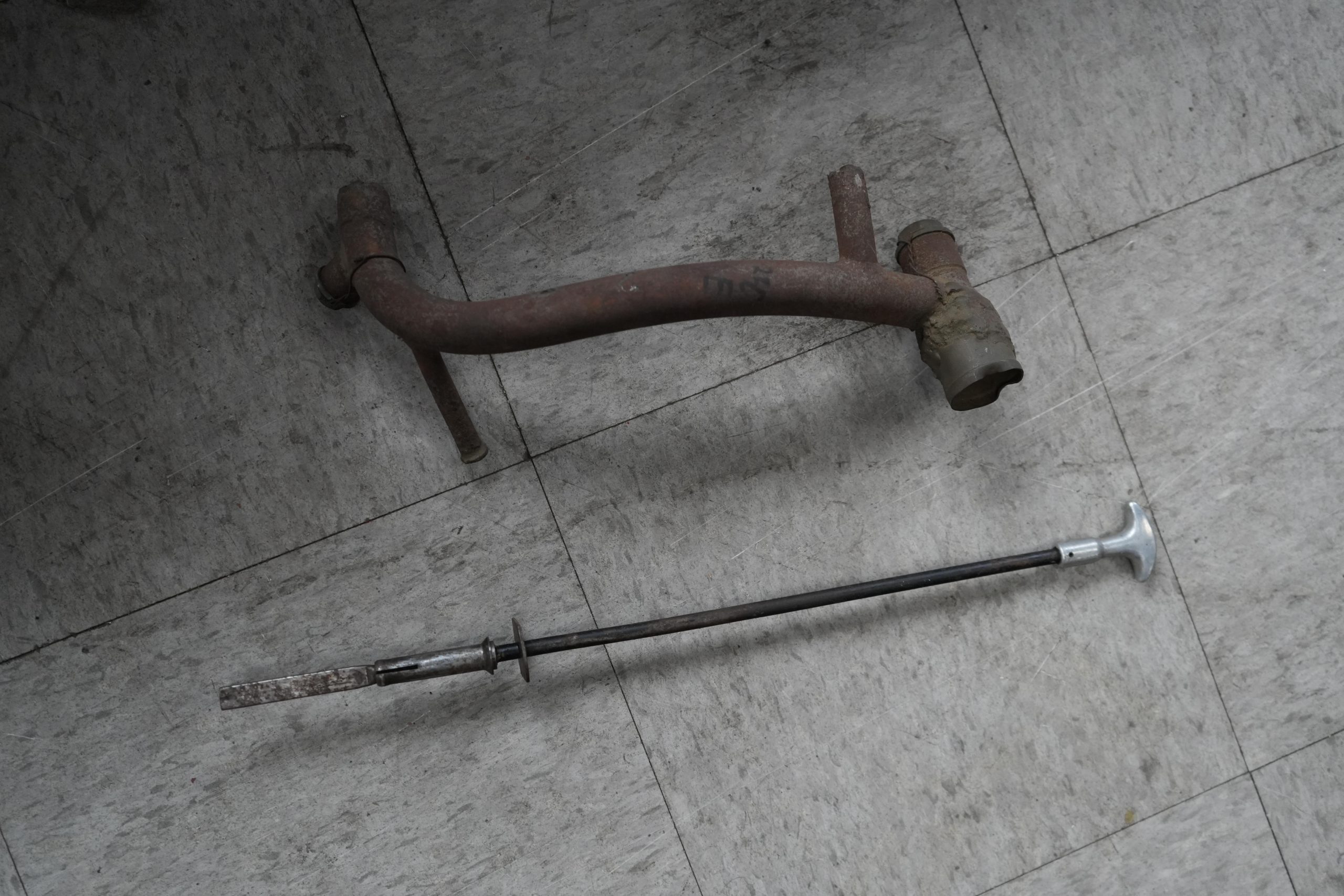
two full gasket sets, a rubber drive shaft connector; two partial gasket sets plus multiple used
water tubes; cam gears and loose parts.