Price
$895,950
Body Type
Body Builder
GIOVANNI GIORDANENGO
VIN
Make
Ferrari
Model
250 TR
Year
1957
Mileage
Serial Number
3181GT
Engine
Engine Type
Chassis Type
Engine Number
First Owner
Current Location
Build Sequence
Number Built
Owners
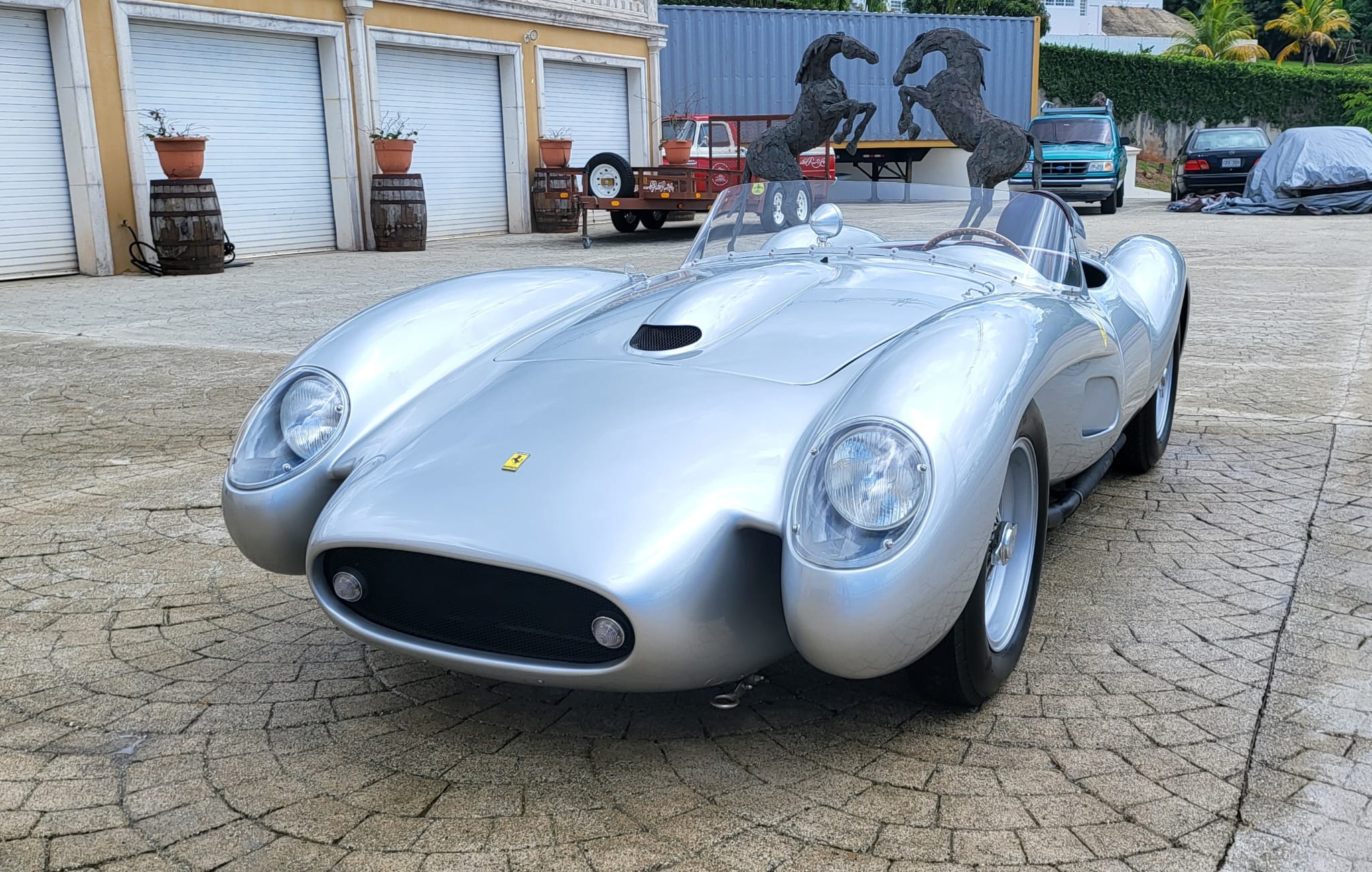
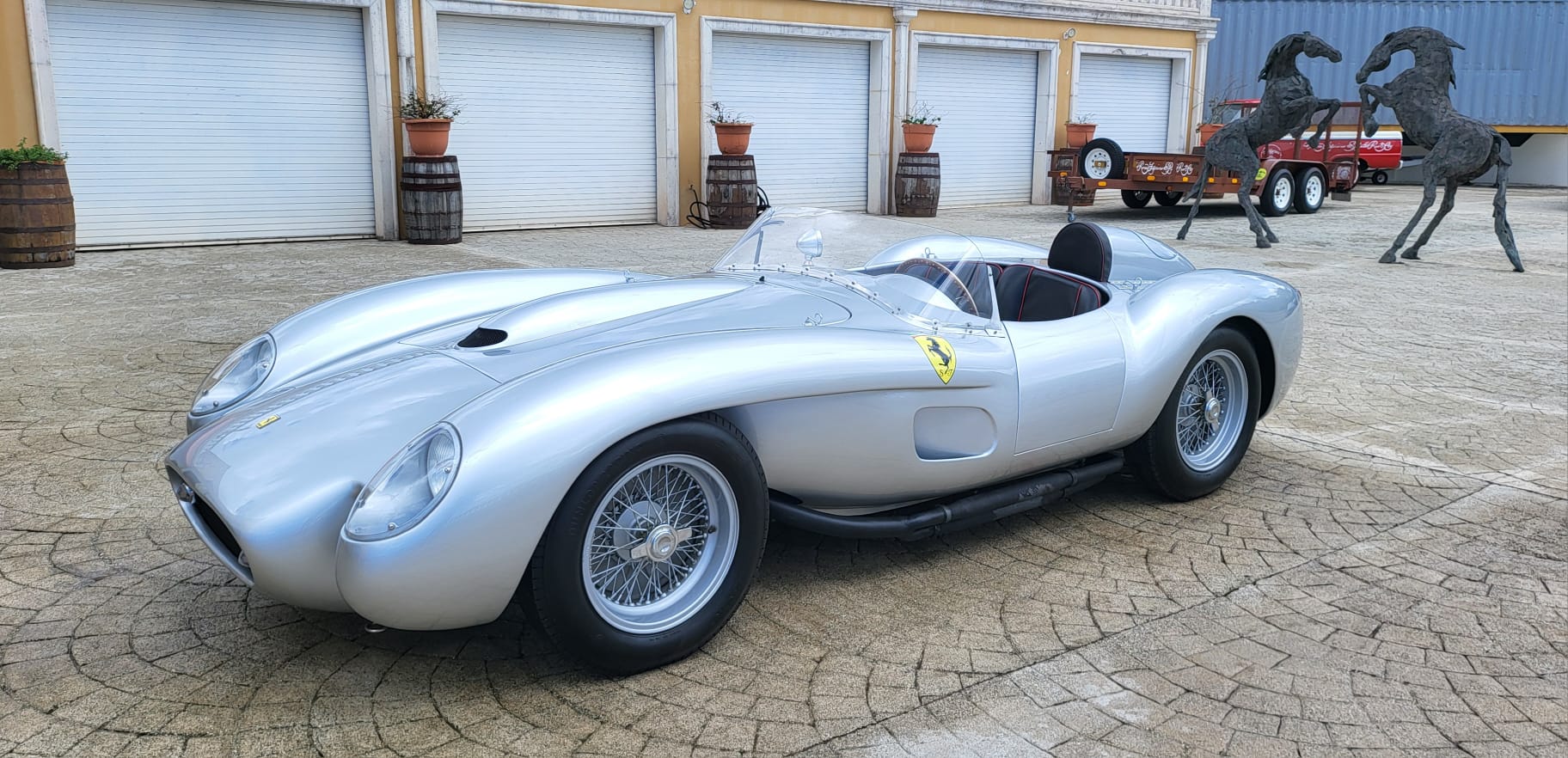
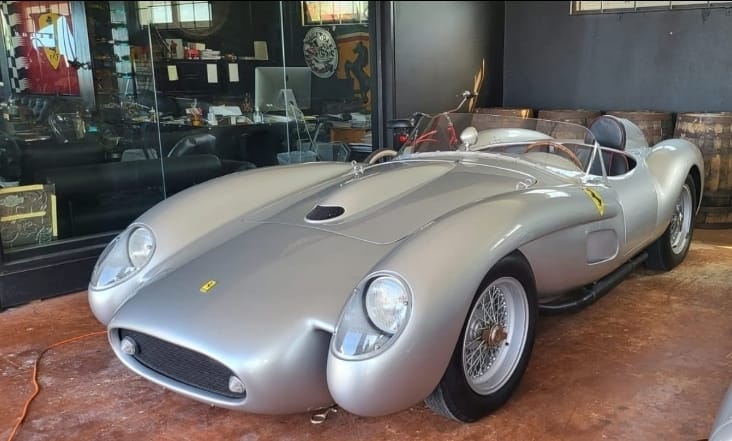
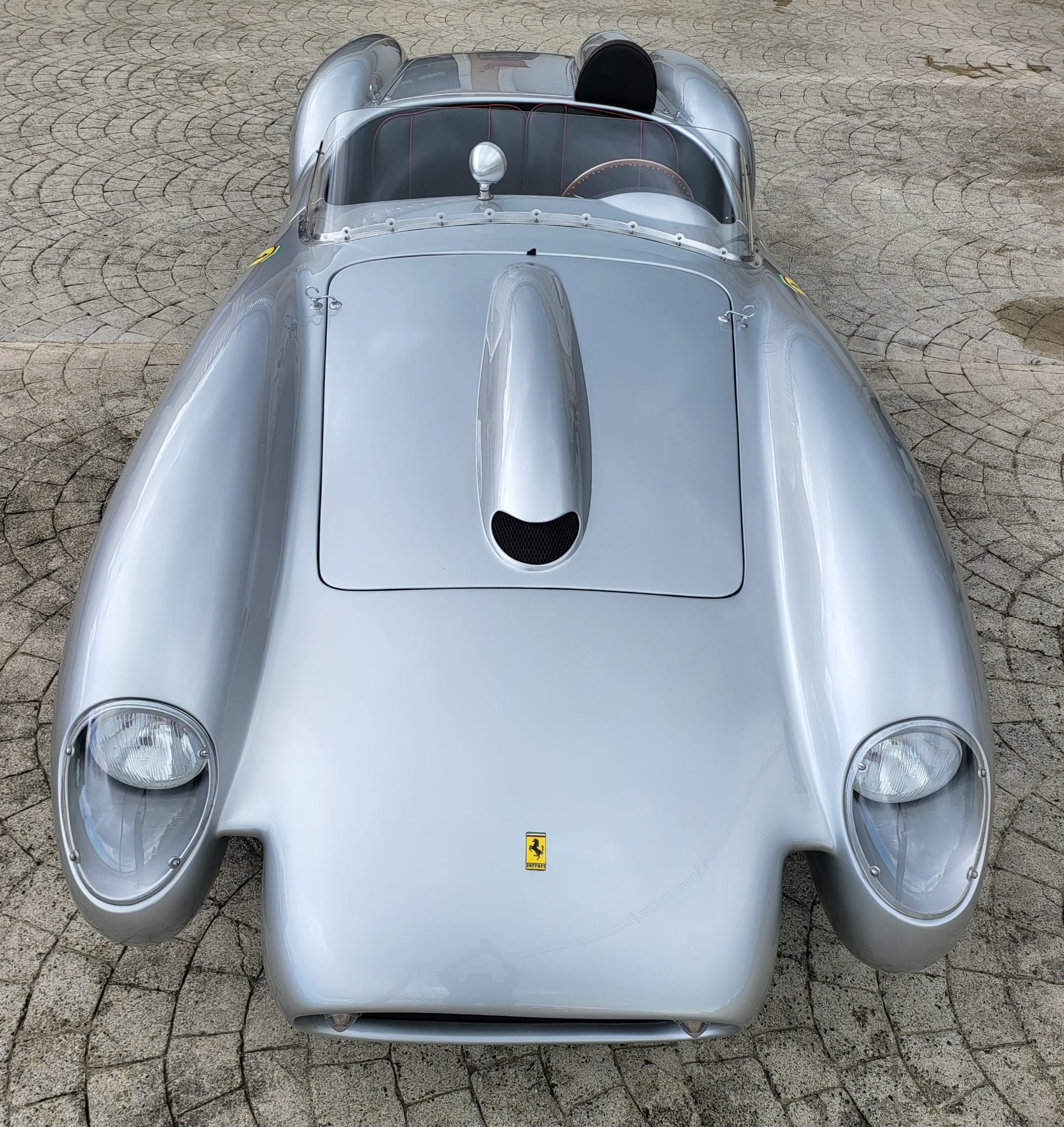
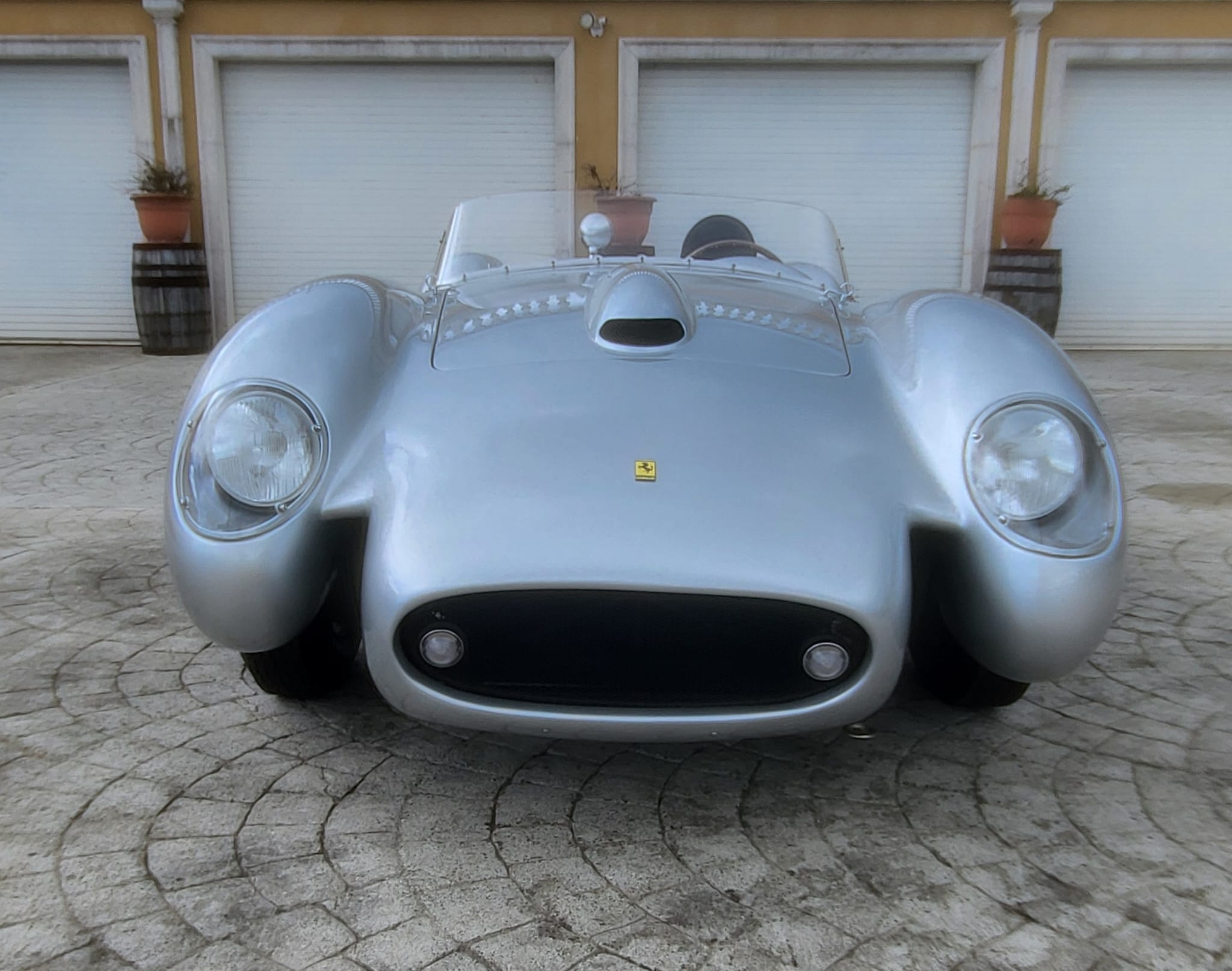
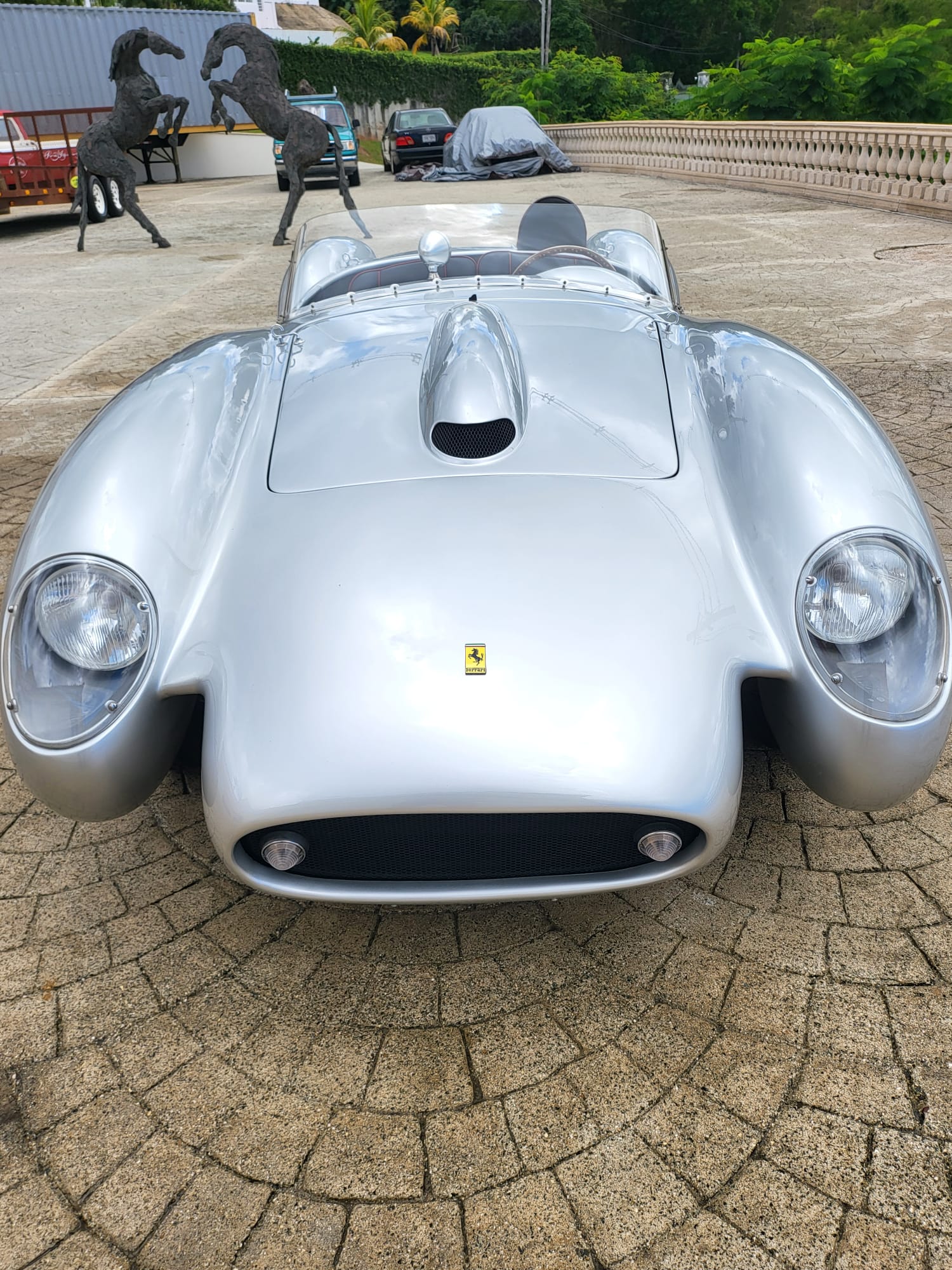
1957 PONTOON FENDER 250 TESTA ROSSA S/N 03181 BY GIOVANNI GIORDANENGO
A QUICK HISTORY LESSON
The Ferrari 250 Testa Rossa requires little introduction to any Ferrari aficionado. Developed in the spring of 1957 as Maranello’s response to the F.I.A.’s anticipated 3.0-liter displacement limits for the 1958 season, the Testa Rossa — “red head,” named for the distinctive red-painted cam covers that crown its Colombo V12 — went on to define Ferrari’s dominance in international endurance racing for the better part of four seasons. With Scaglietti’s revised pontoon-fender bodywork introduced for 1958 (in an effort to bring more cooling air to the front brakes), the 250 TR became one of the most instantly recognizable competition machines in the history of the sport. Ferrari won Le Mans outright in 1958, 1959, and 1961 with variants of the TR. Just 21 Pontoon-Fendered examples were produced, 19 of which were delivered to private customers; the remaining two were retained by the factory for works racing. Today, every surviving original resides in the collection of a sophisticated private buyer, and the price of admission — on the rare occasion that admission is on offer at all — begins comfortably north of thirty million dollars.
THE BUILDER — GIOVANNI GIORDANENGO
Working out of Cuneo, in the Piedmontese foothills of northern Italy, Giovanni Giordanengo built a reputation over many decades as one of the most accomplished craftsmen in the small world of high-quality Ferrari competition recreations and rebodies. His work was never produced on a commercial scale; his output was deliberate and small, and he worked almost exclusively in aluminum, hand-forming panels into complete cars. His recreations were built to be identical to the originals, to look, run, and drive correctly, and to honor the originals through exquisite craftsmanship. The 250 TR recreation on offer here represents one of the high-water marks of his career. While Giovanni Giordanengo passed away in Sept. 2008, his son Christian now runs the shop, continuing the family’s tradition of craftsmanship.
THE DONOR — CHASSIS 3181 GT
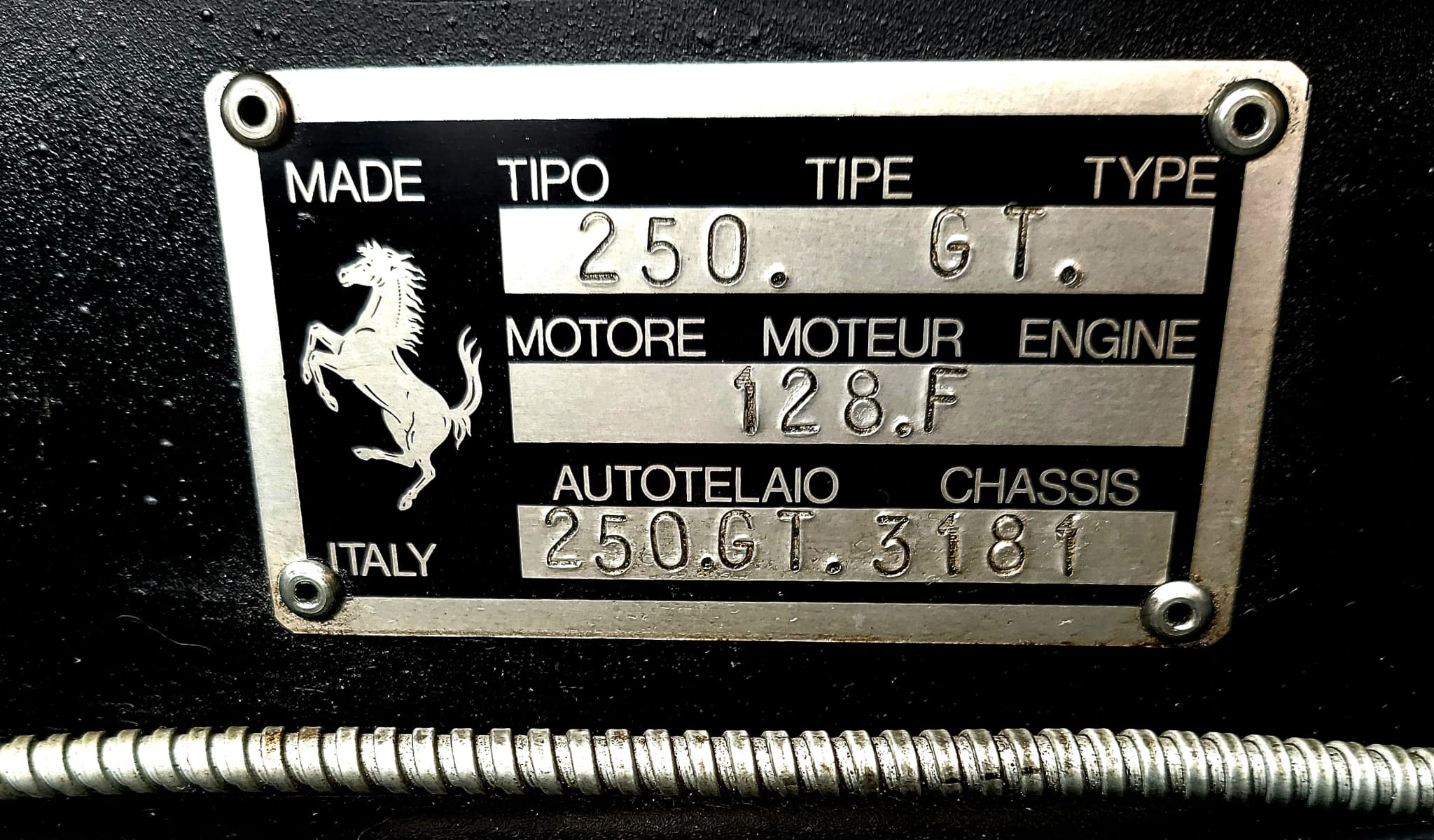
The base of 250 Testa Rossa Tribute s/n 3181 is Ferrari 250 GTE Series II chassis 3181 GT, a car with a documented history back to its first sale that distinguishes this car from recreations assembled on anonymous or undocumented platforms. Ferrari 250 GTE Series II s/n 3181 GT was completed at Maranello in January 1962 and delivered new through Crepaldi Automobili to its first Italian owner. In the mid-1960s, the car was acquired by Major Gary R. Constantine, a United States Air Force officer stationed at Aviano, Italy. When Constantine was killed in a car accident in the Austrian Alps, his widow, Verena, advertised the Ferrari at the Aviano AFB Officers’ Club for $1,700. Henry H. Haynes of North Little Rock, Arkansas, purchased the car and arranged its shipment from Savona aboard the MS Akarita to Freeport, driving it home to Arkansas on arrival. Haynes subsequently repainted the car in a shade of khaki — which turned out to match the primer coat beneath the original Verde. The car then passed through a Little Rock dealer at $3,700 and on to a buyer in Dallas at $5,100, who had it refinished in red. A Virginia owner, Dave Kinnery, suffered front-end damage with the car in 1978 and offered it at $5,400 with the damage unrepaired. Bob Lloyd of Justin, Texas, purchased it in 1986. In October 1987, Berkeley Ferrari dealer Steve Griswold acquired the car and shipped it to Belgium — and it was during that European chapter that 3181 GT found its way to Giordanengo’s workshop and underwent its transformation, from 1988–1990, into the Testa Rossa Tribute on offer today.
THE RECREATION — CONSTRUCTION & EXTERIOR
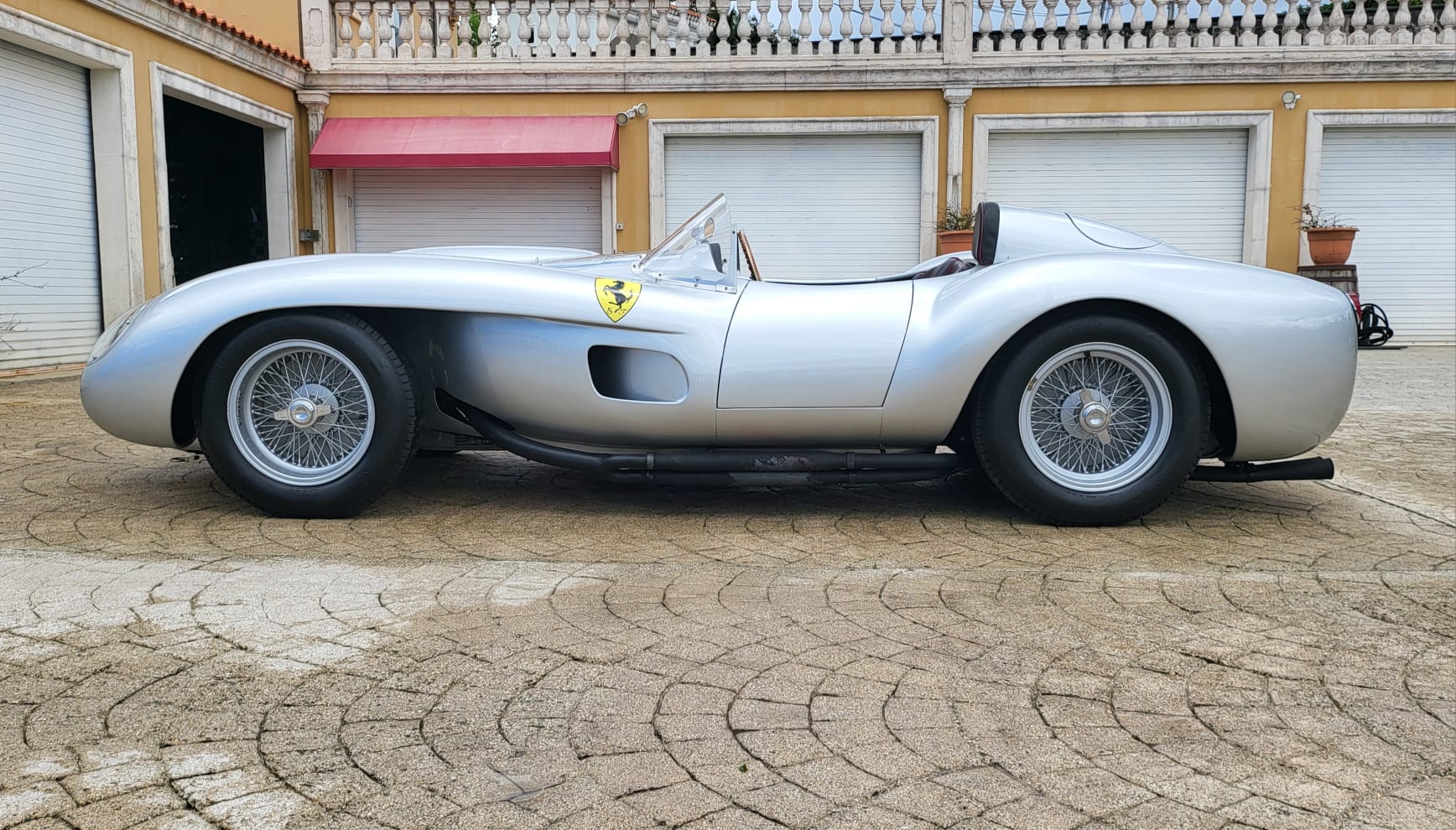
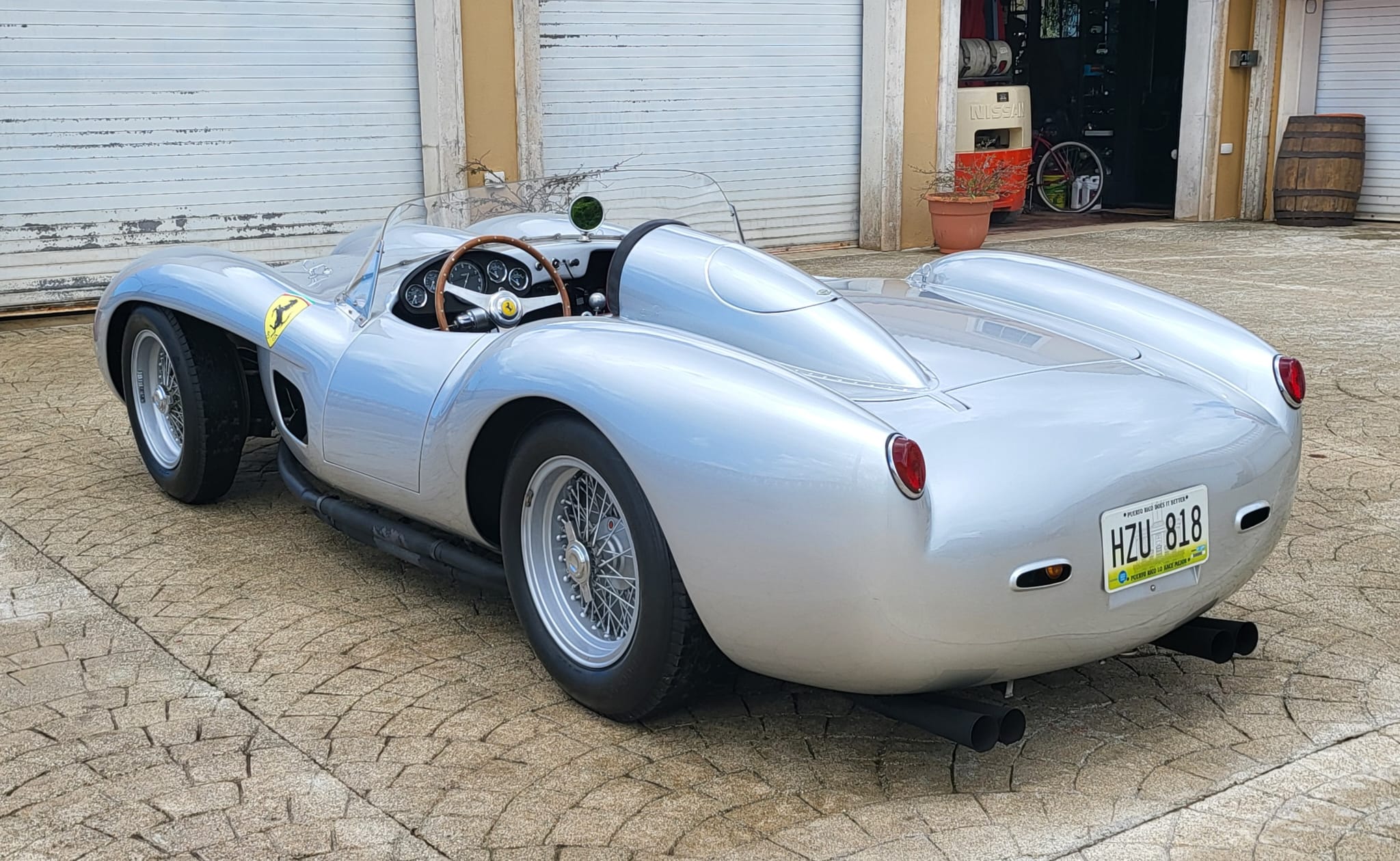
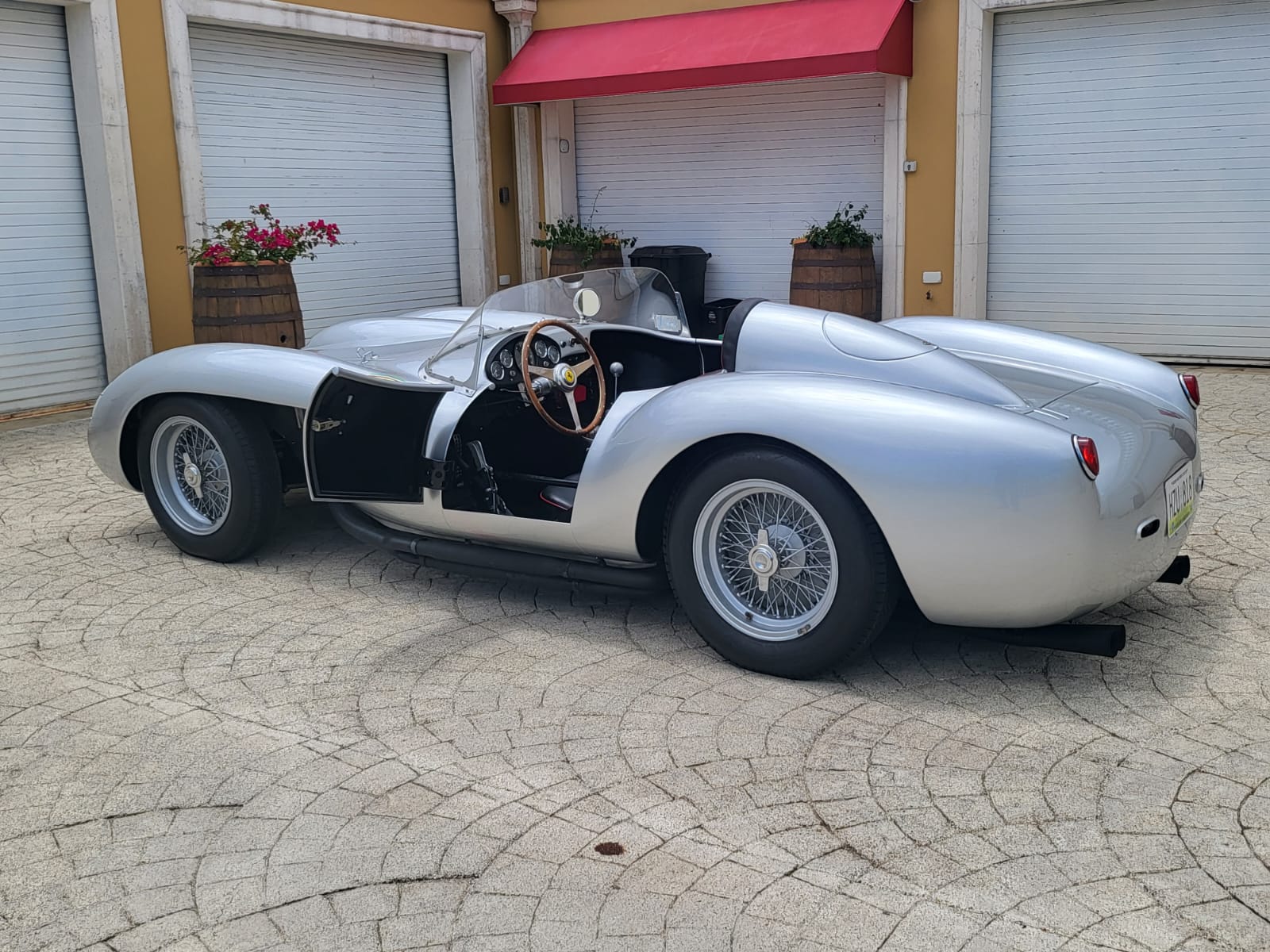
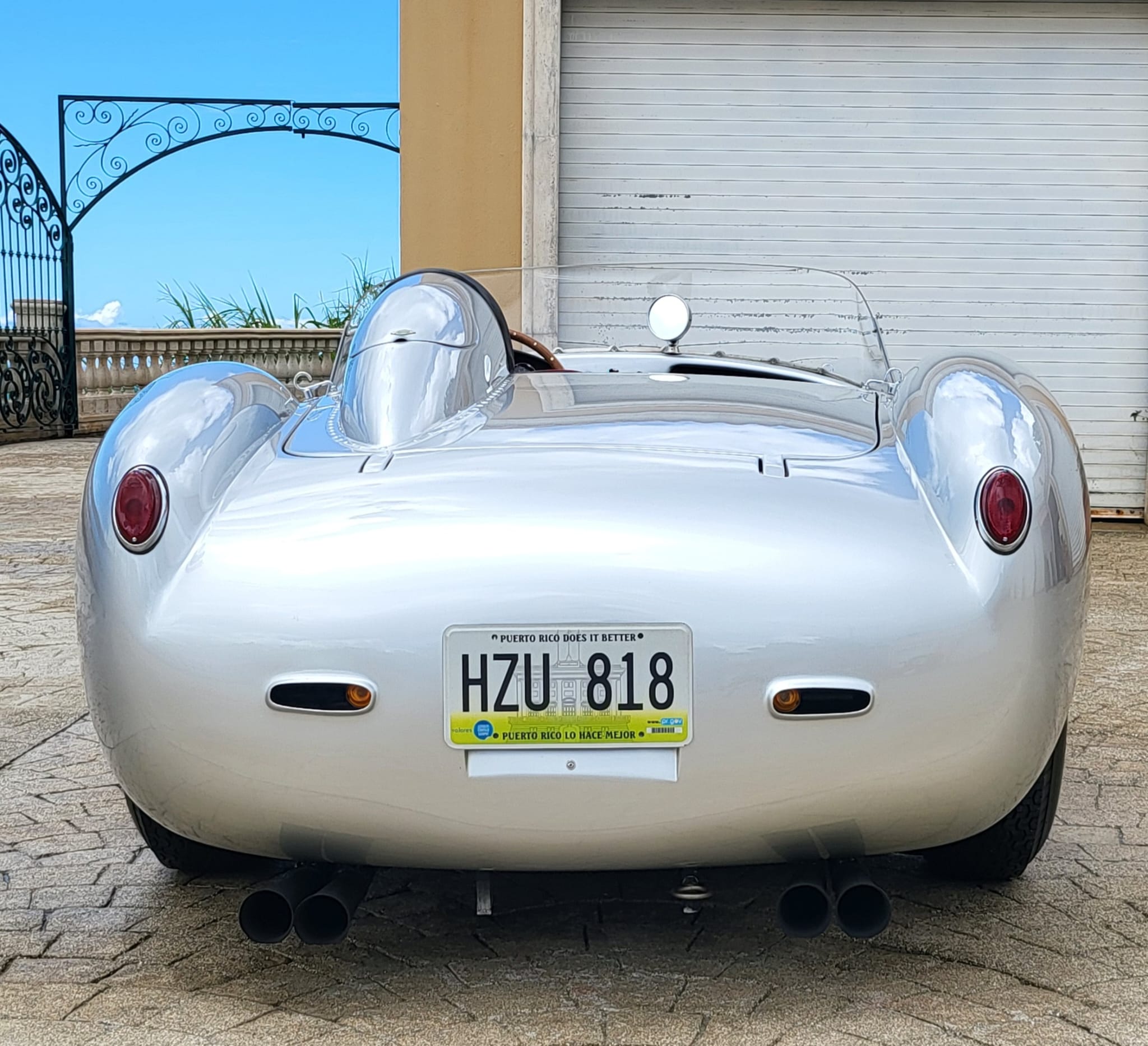
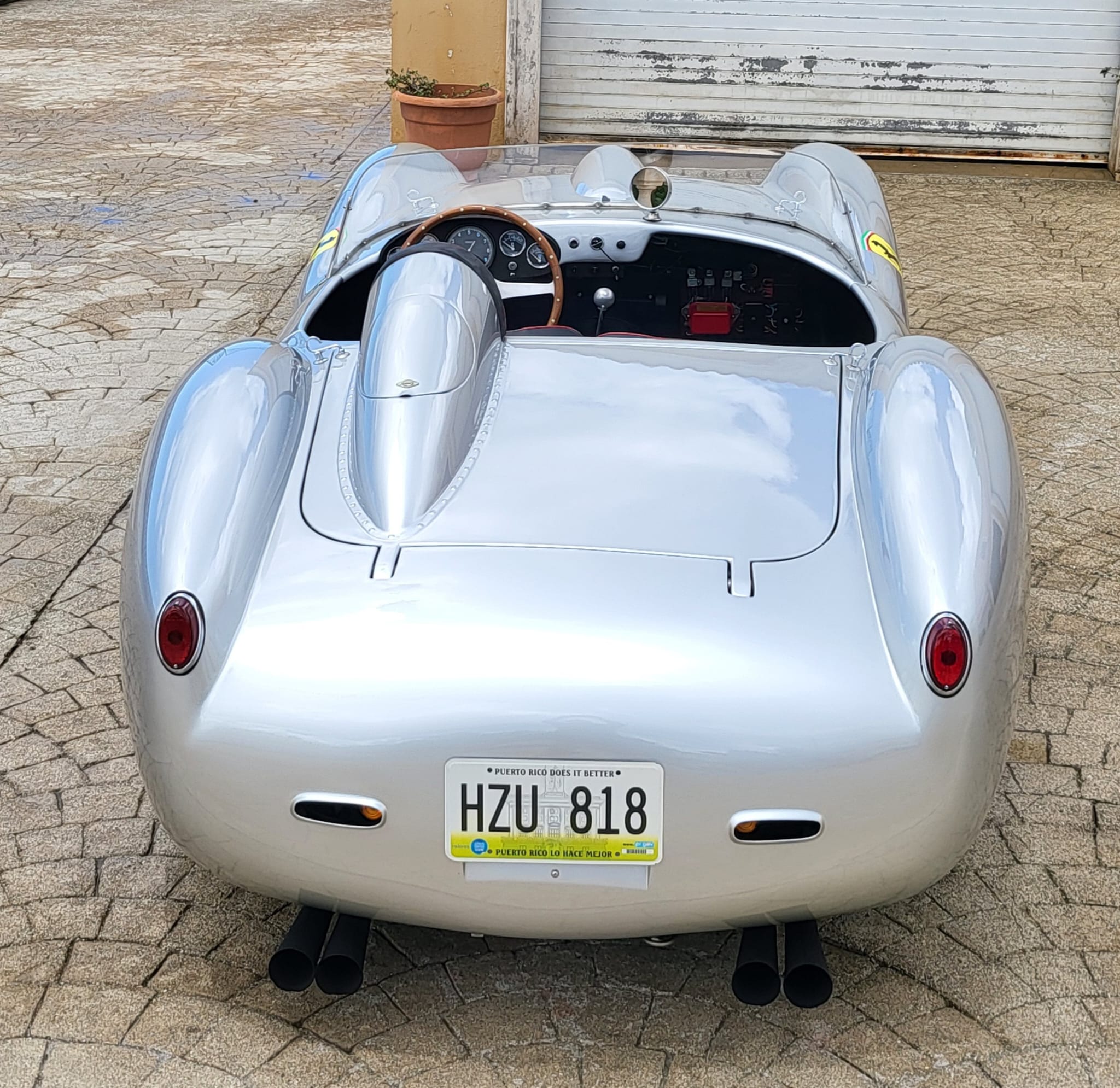
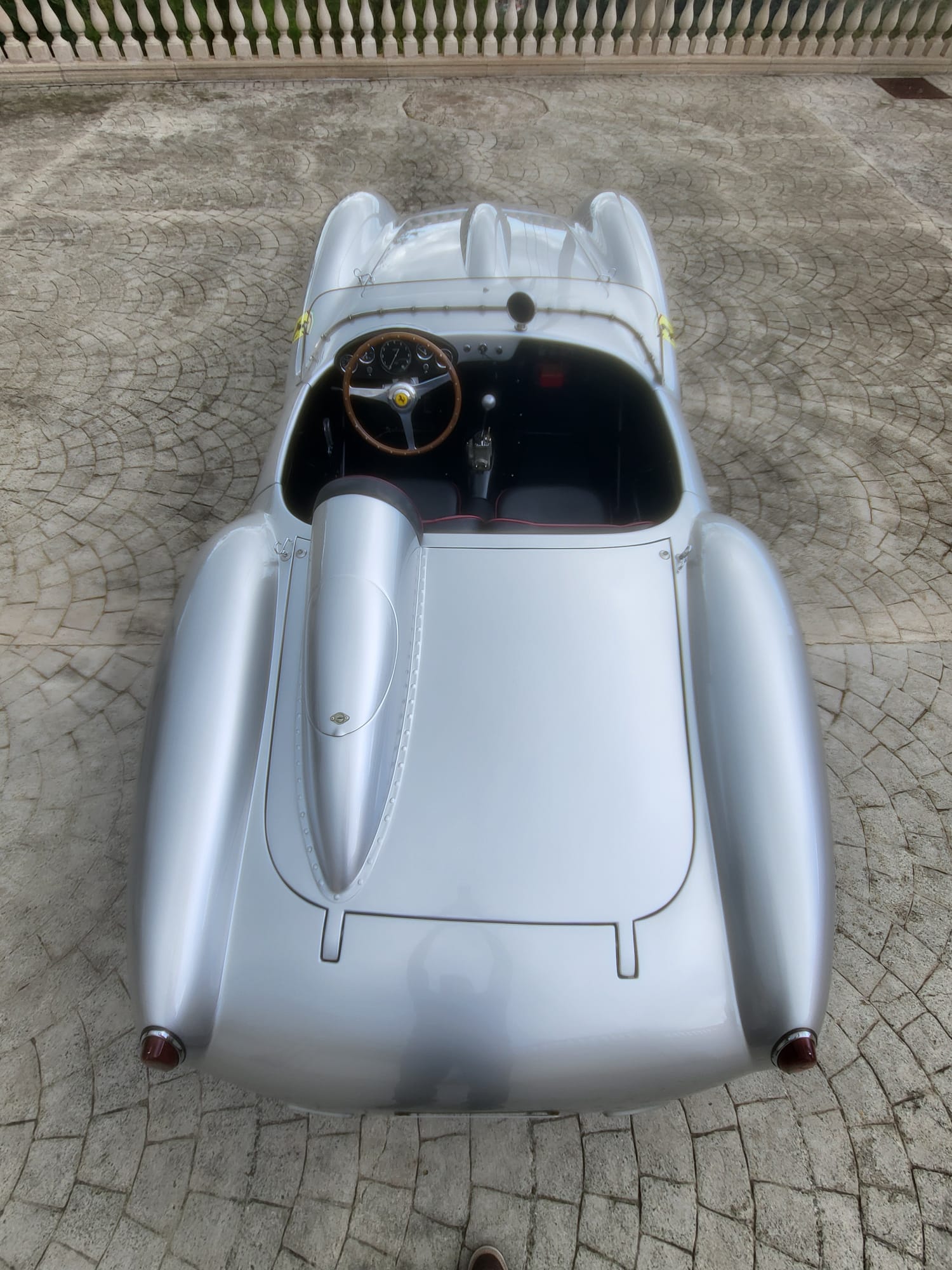
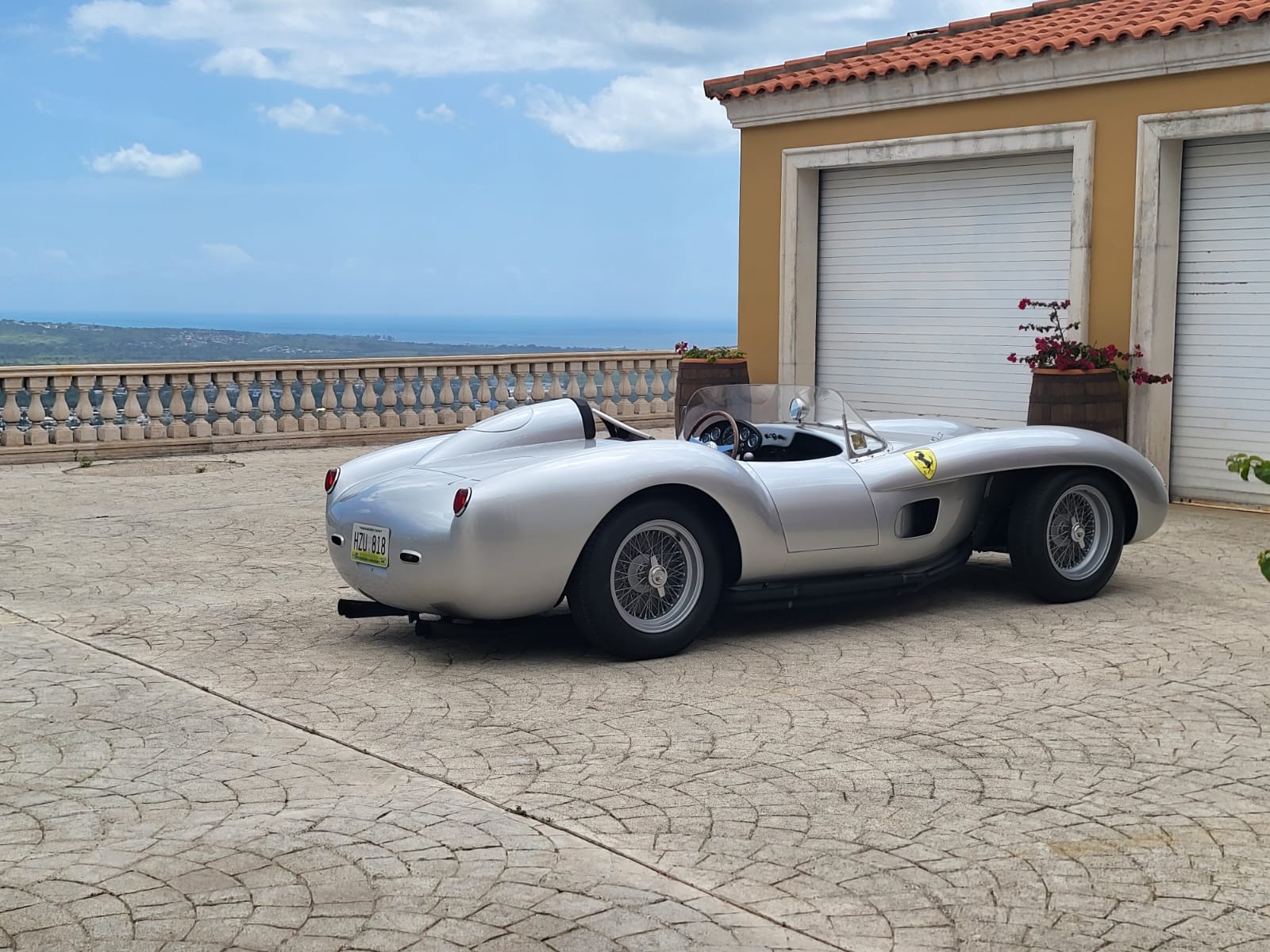
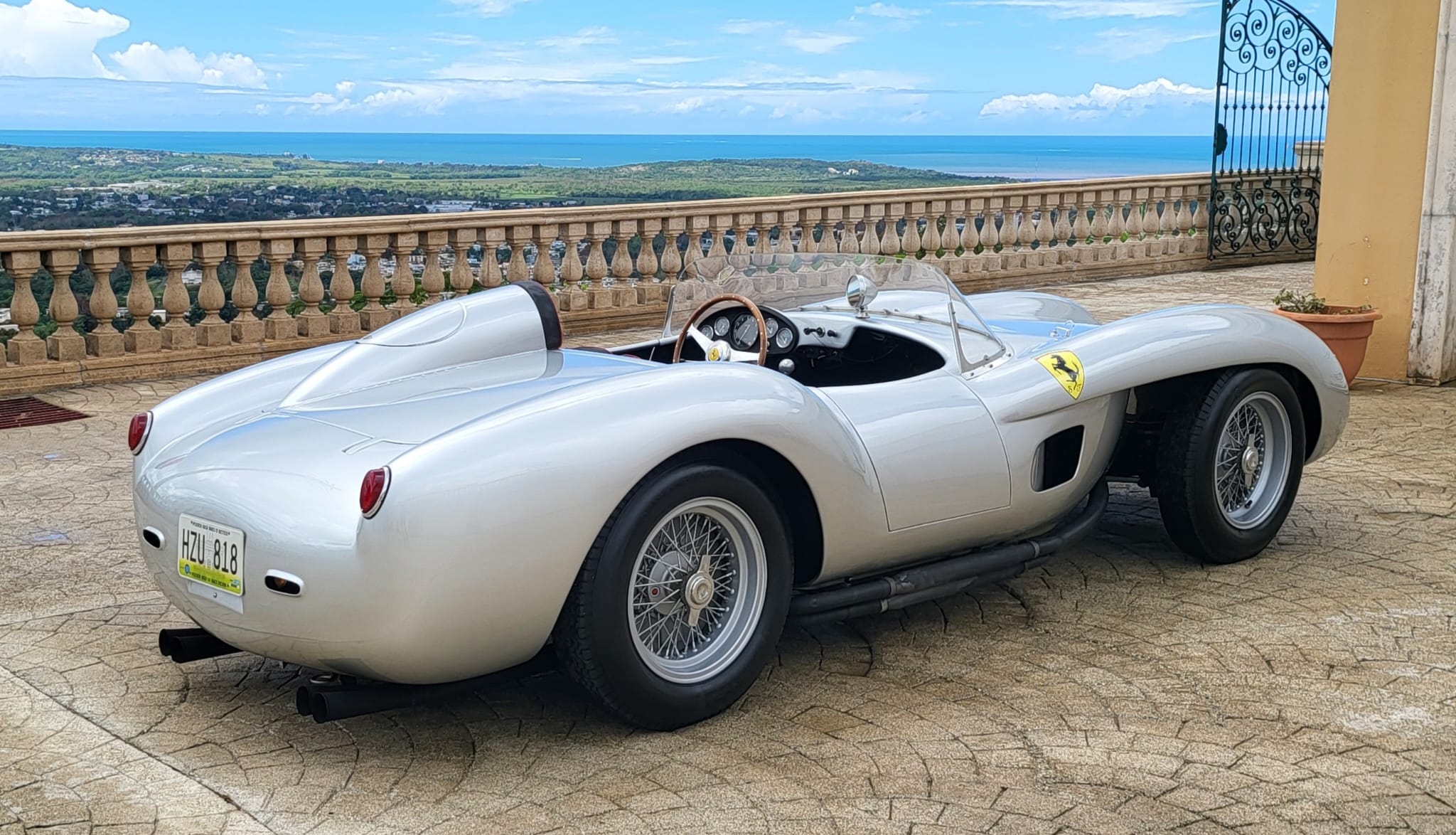
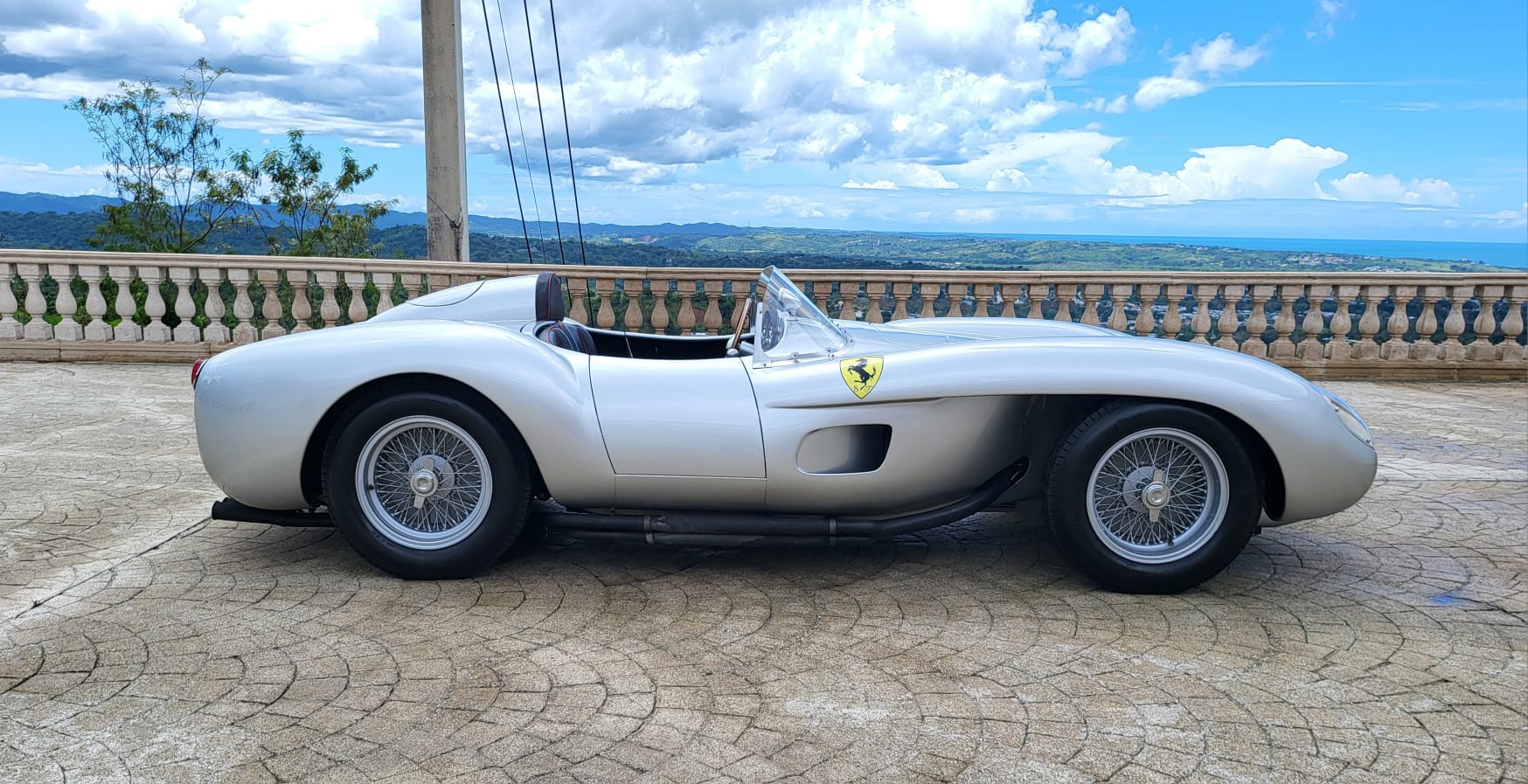
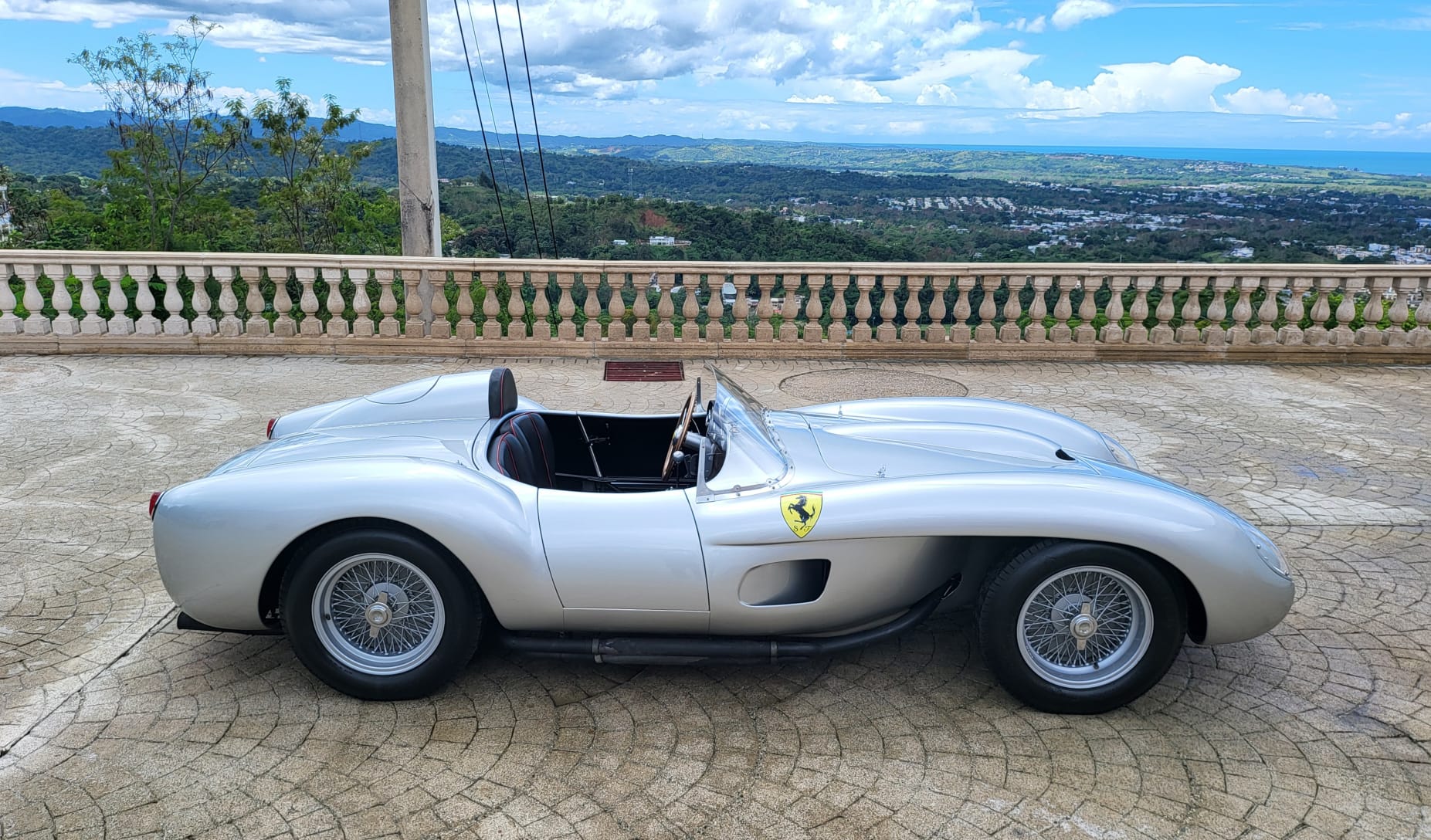
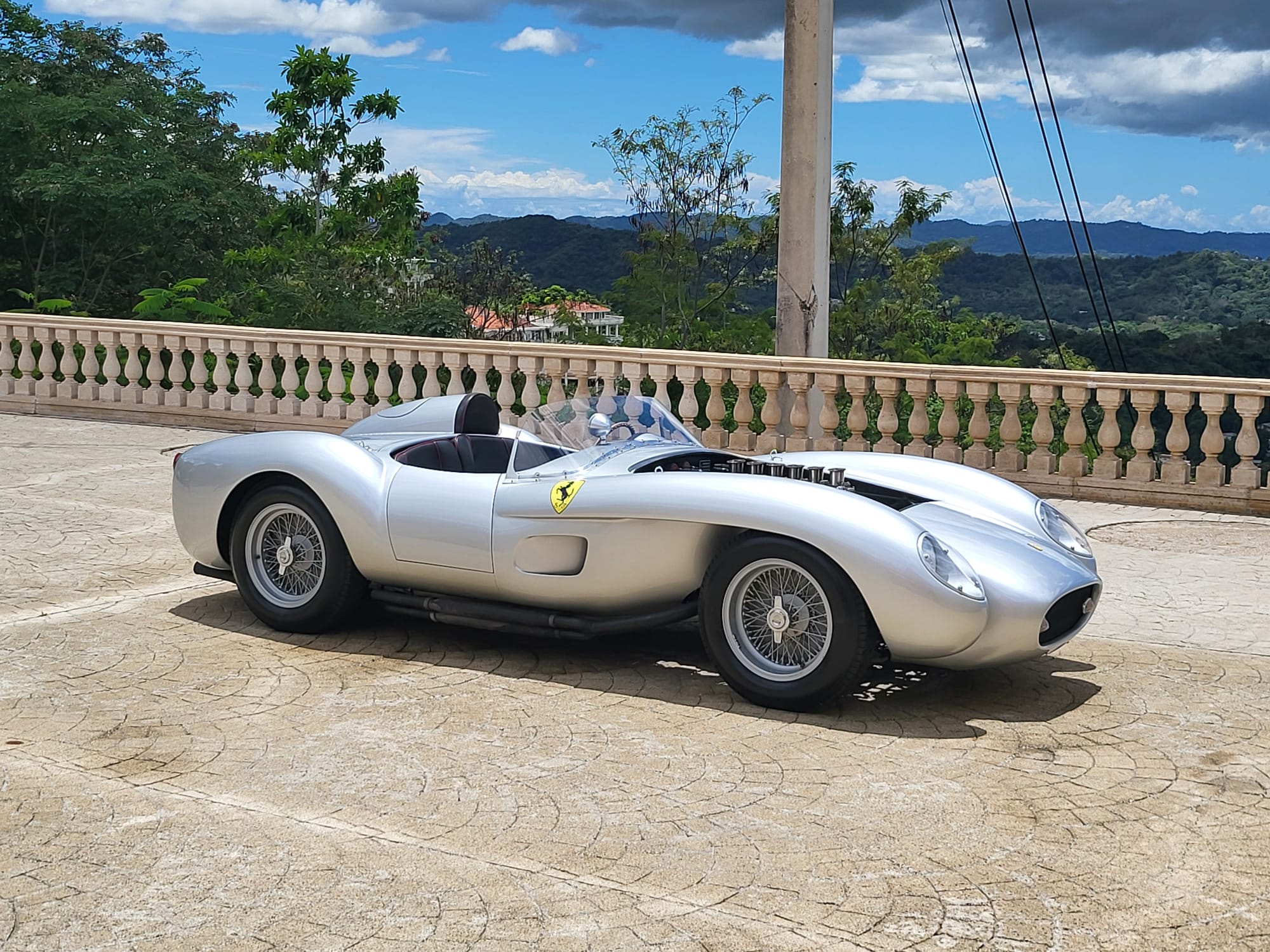
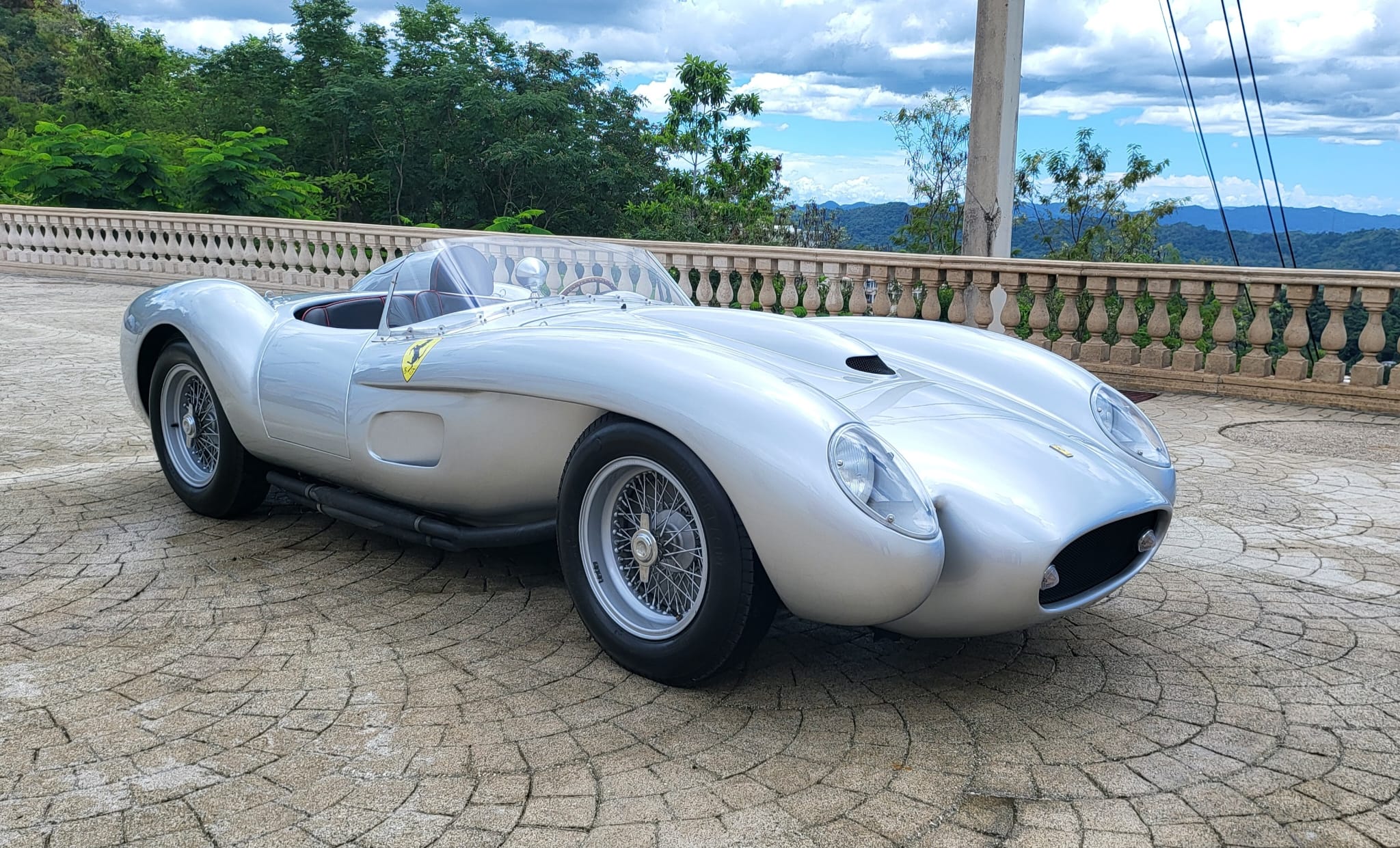
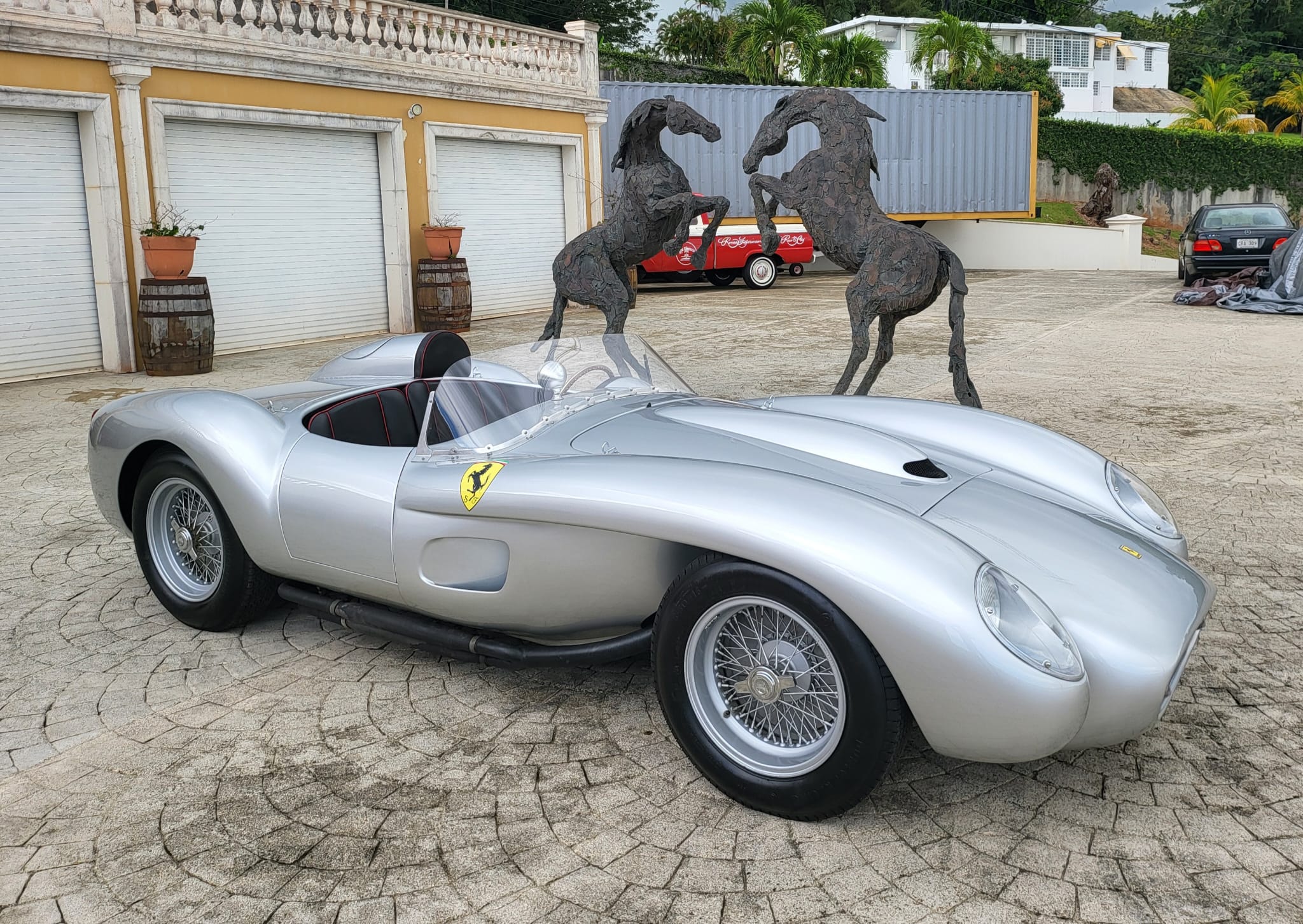
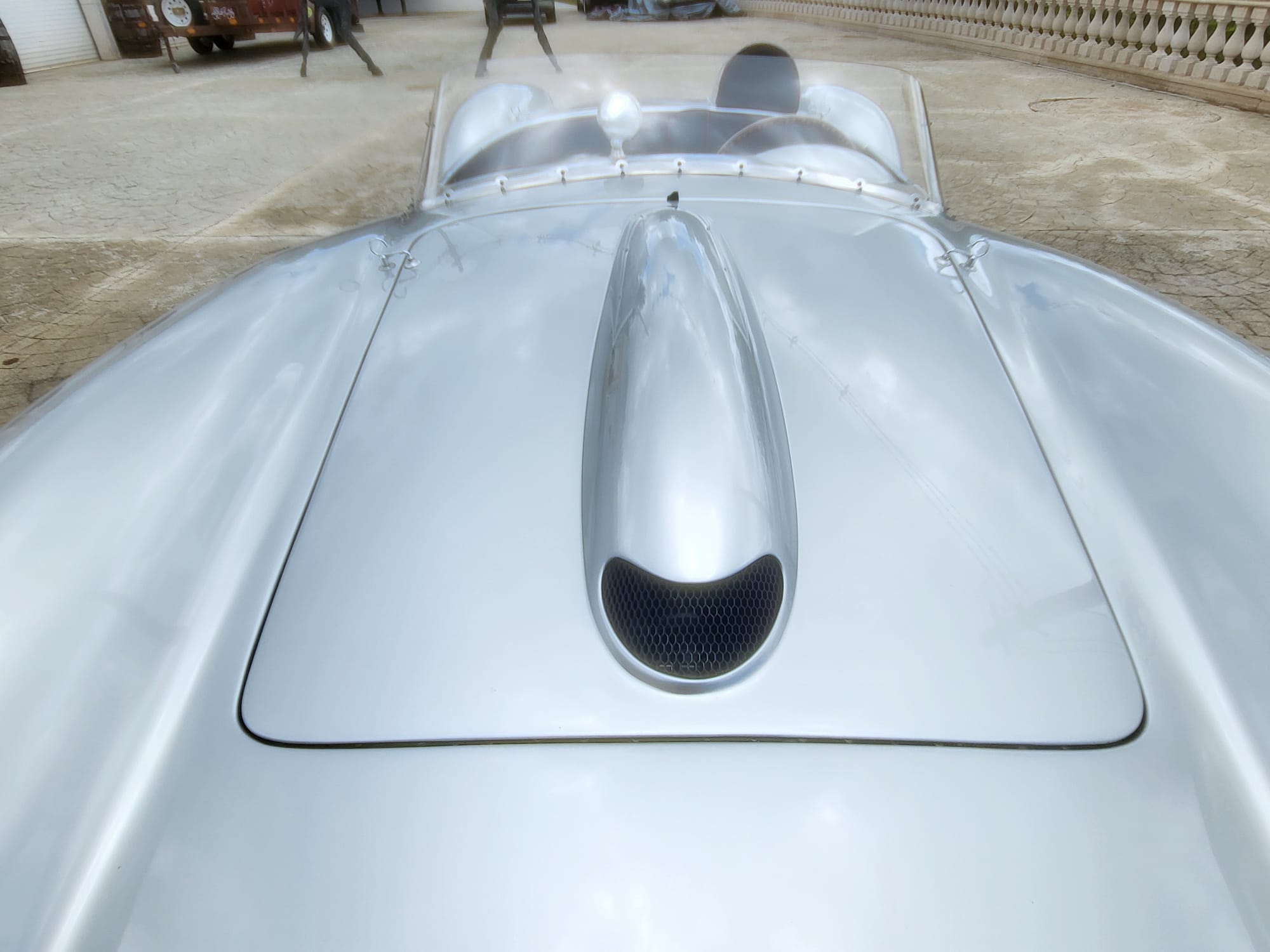
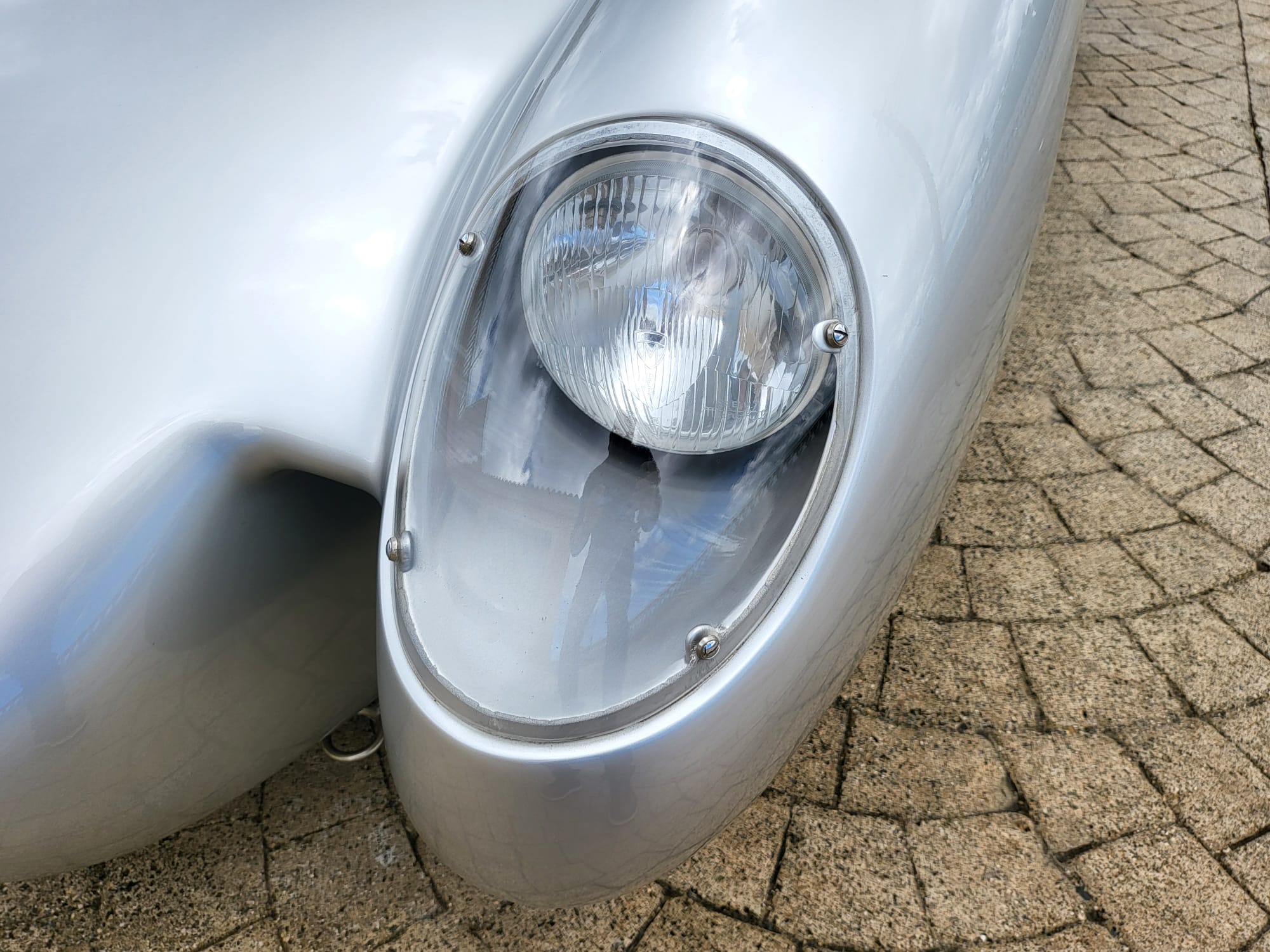
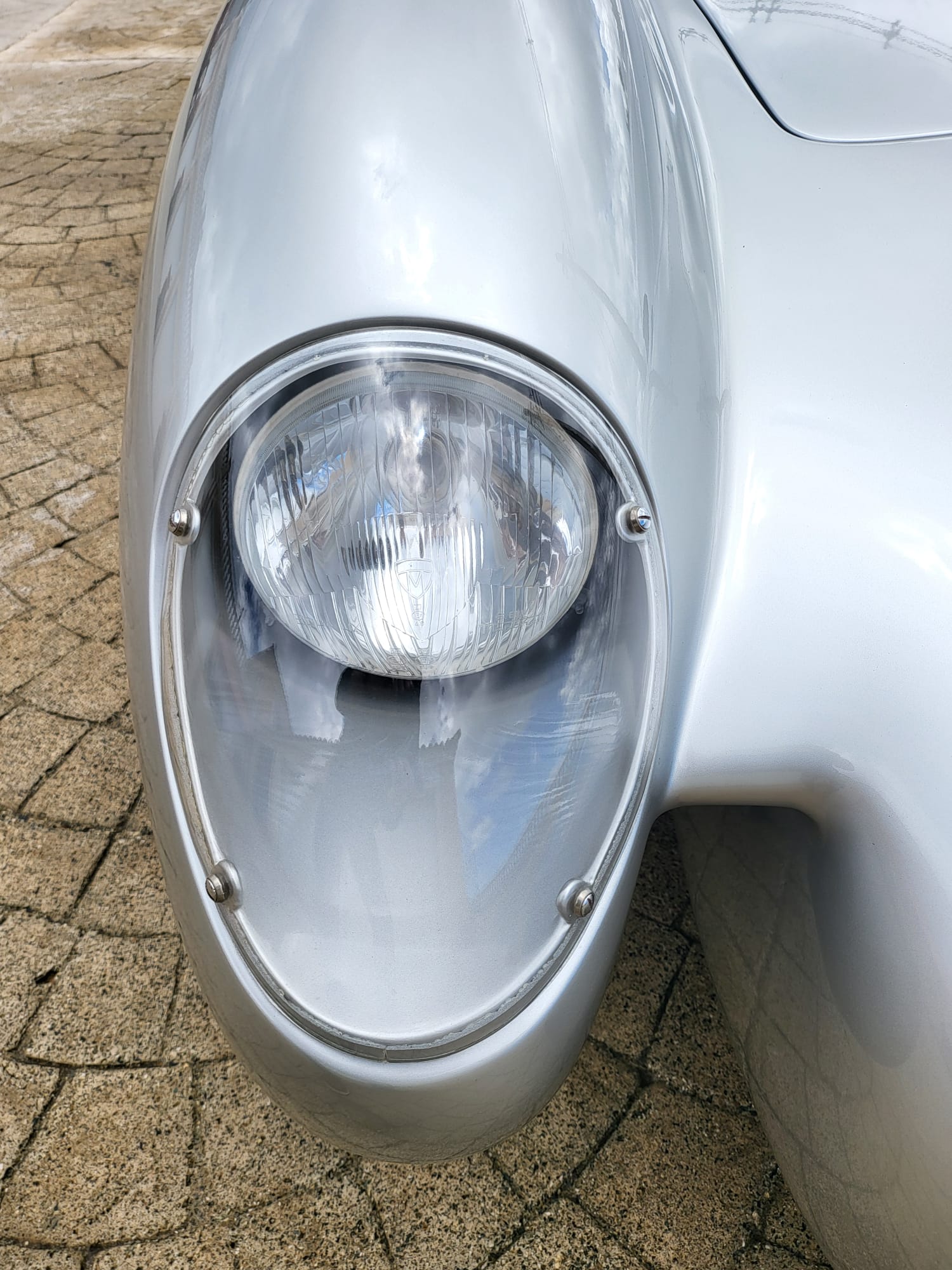
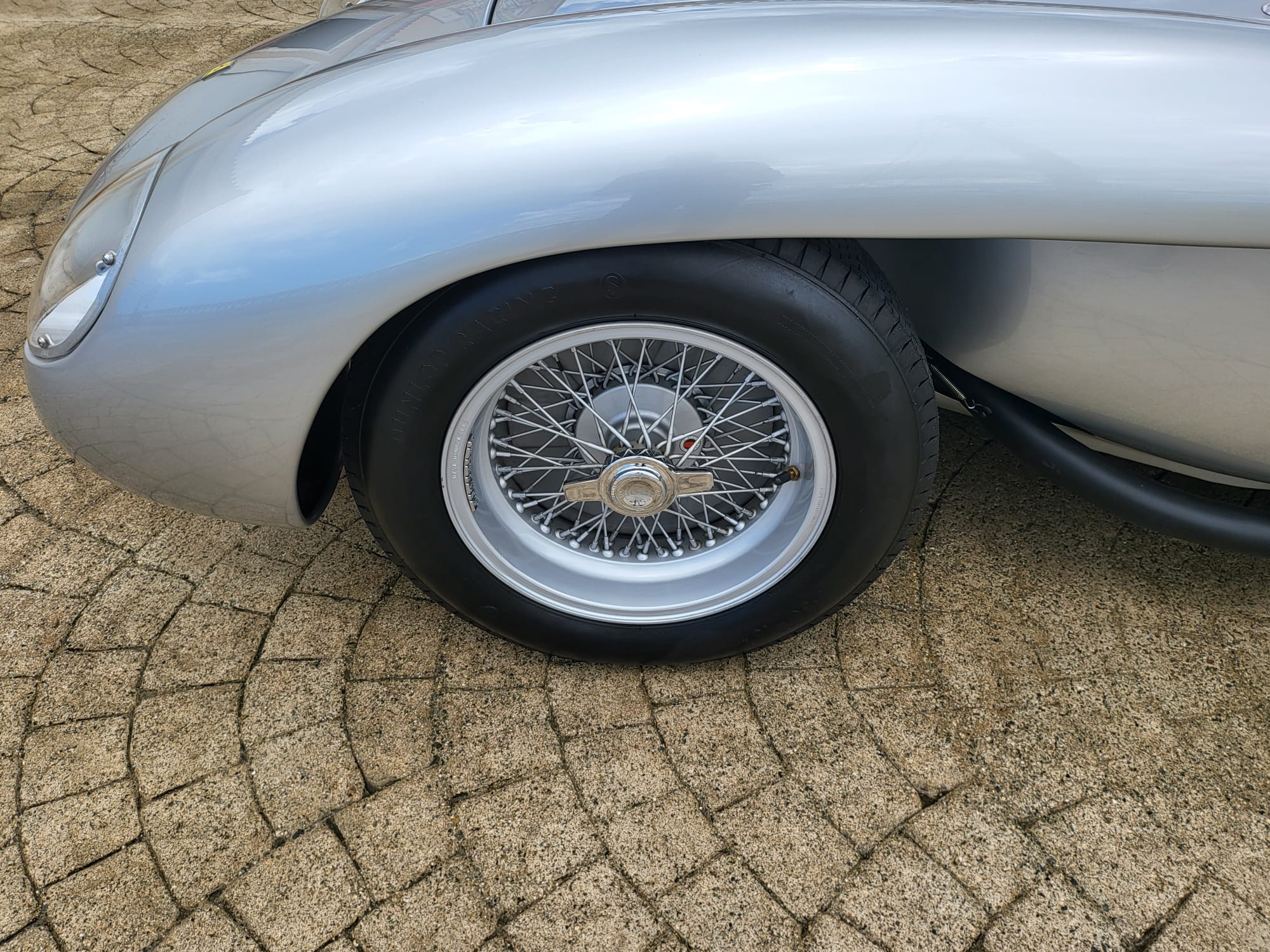
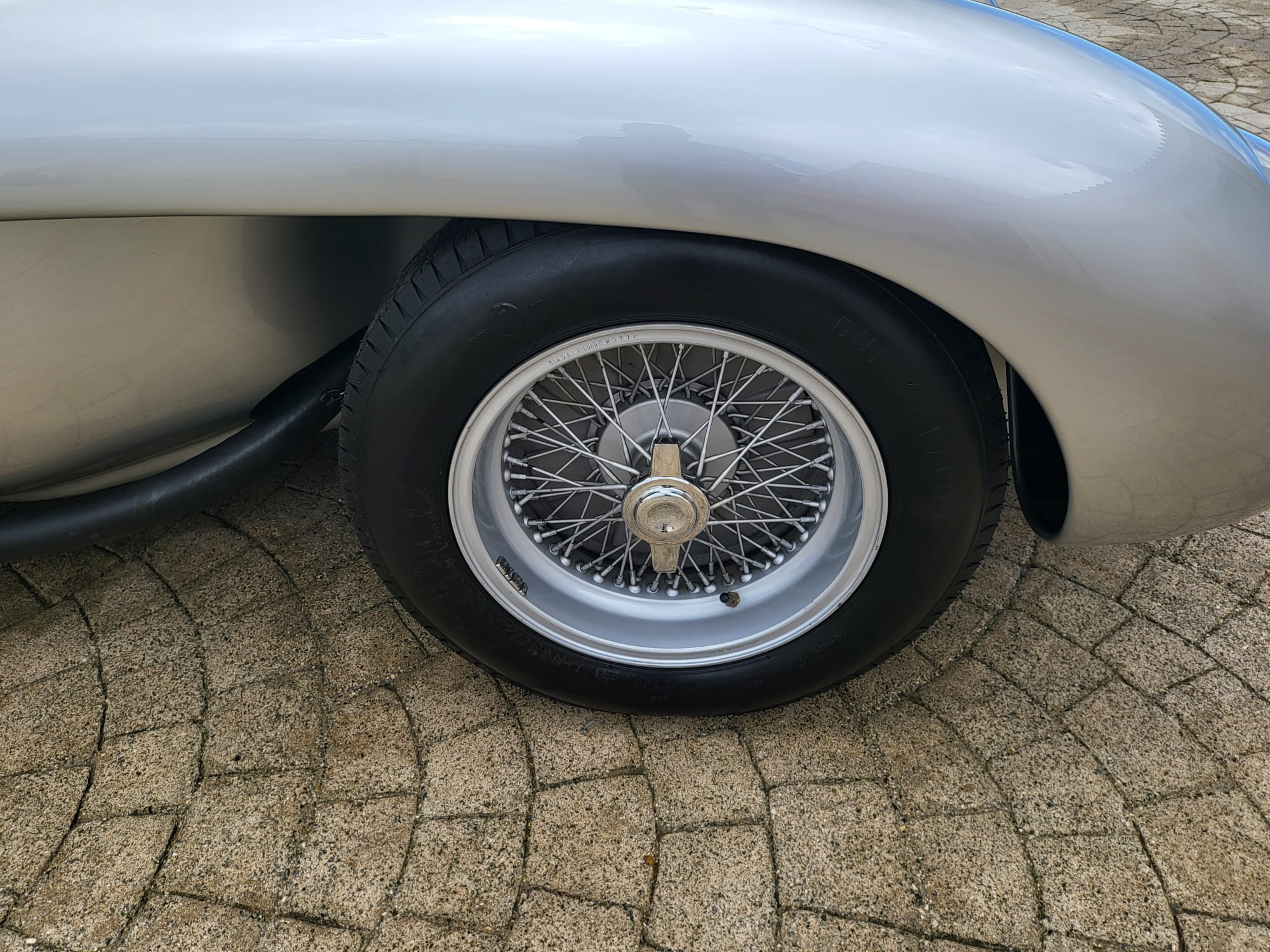
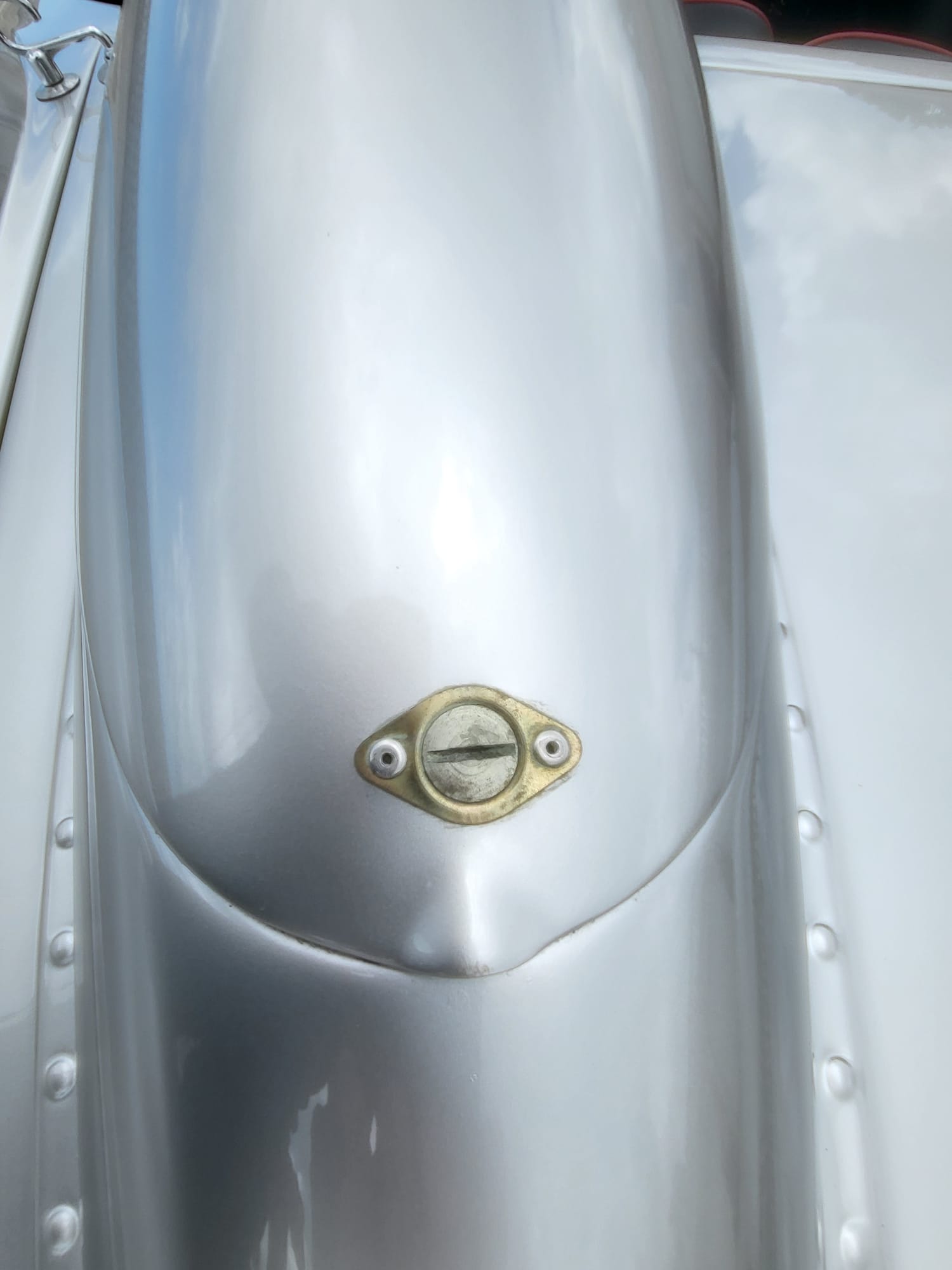
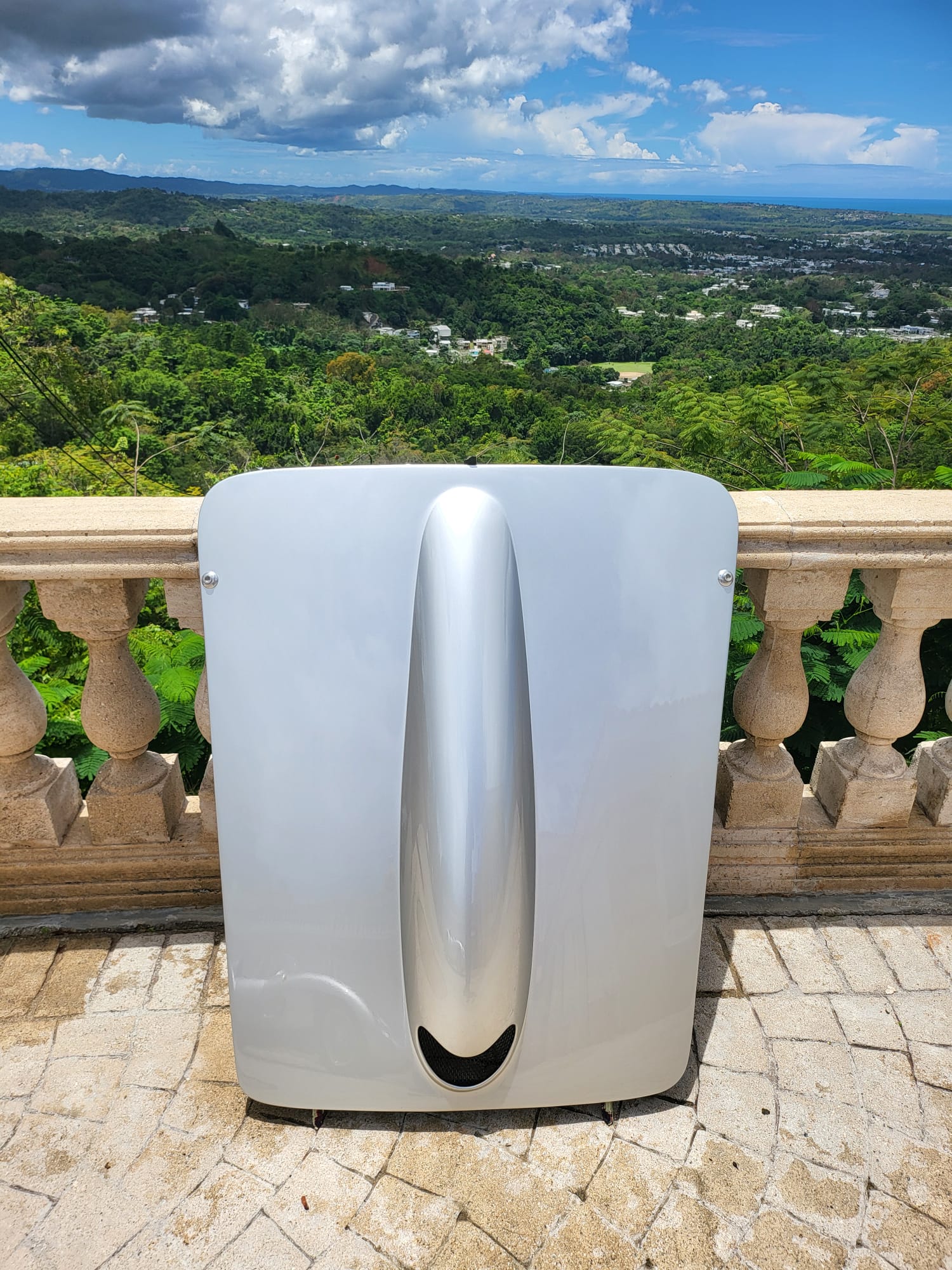
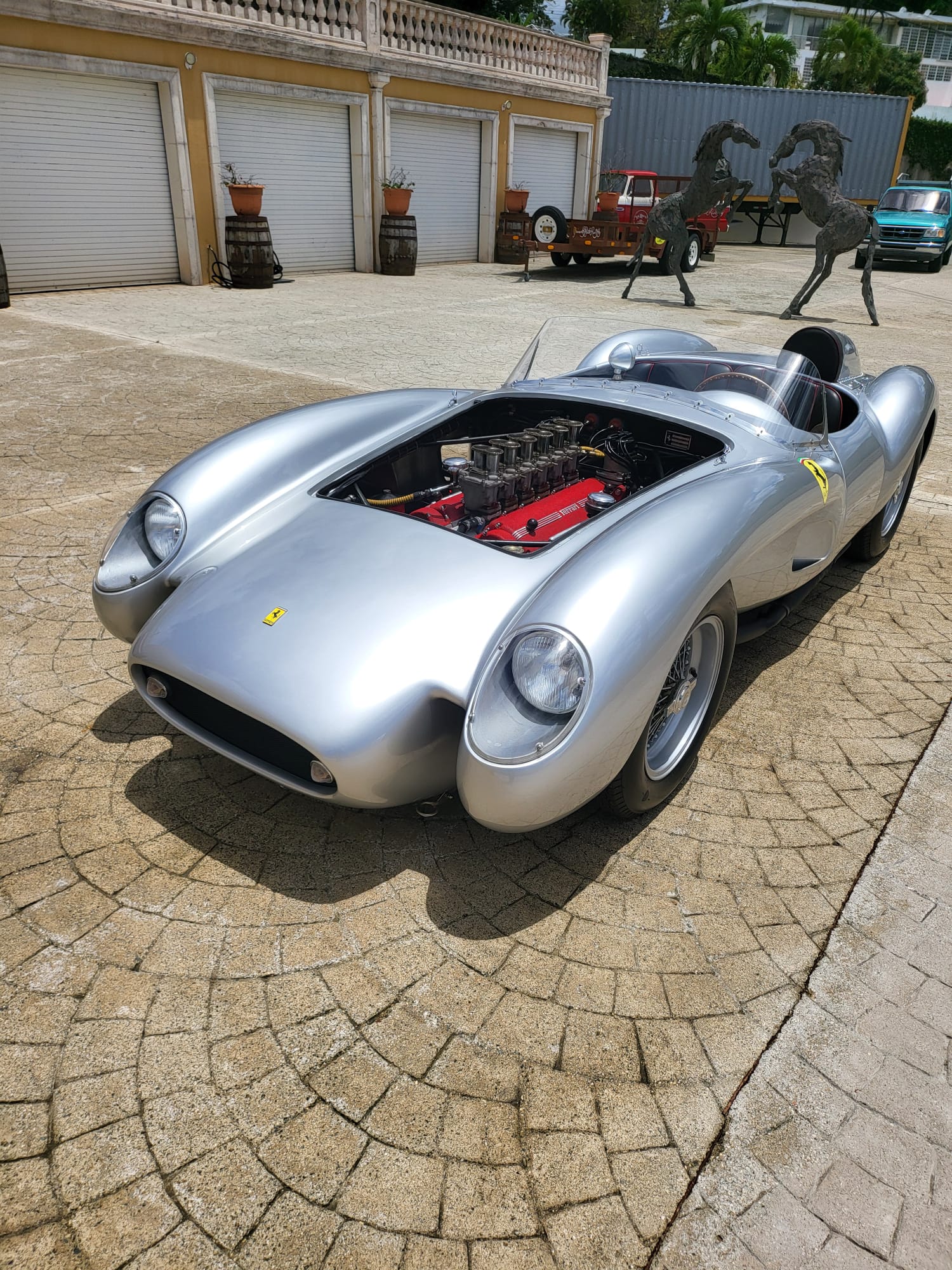
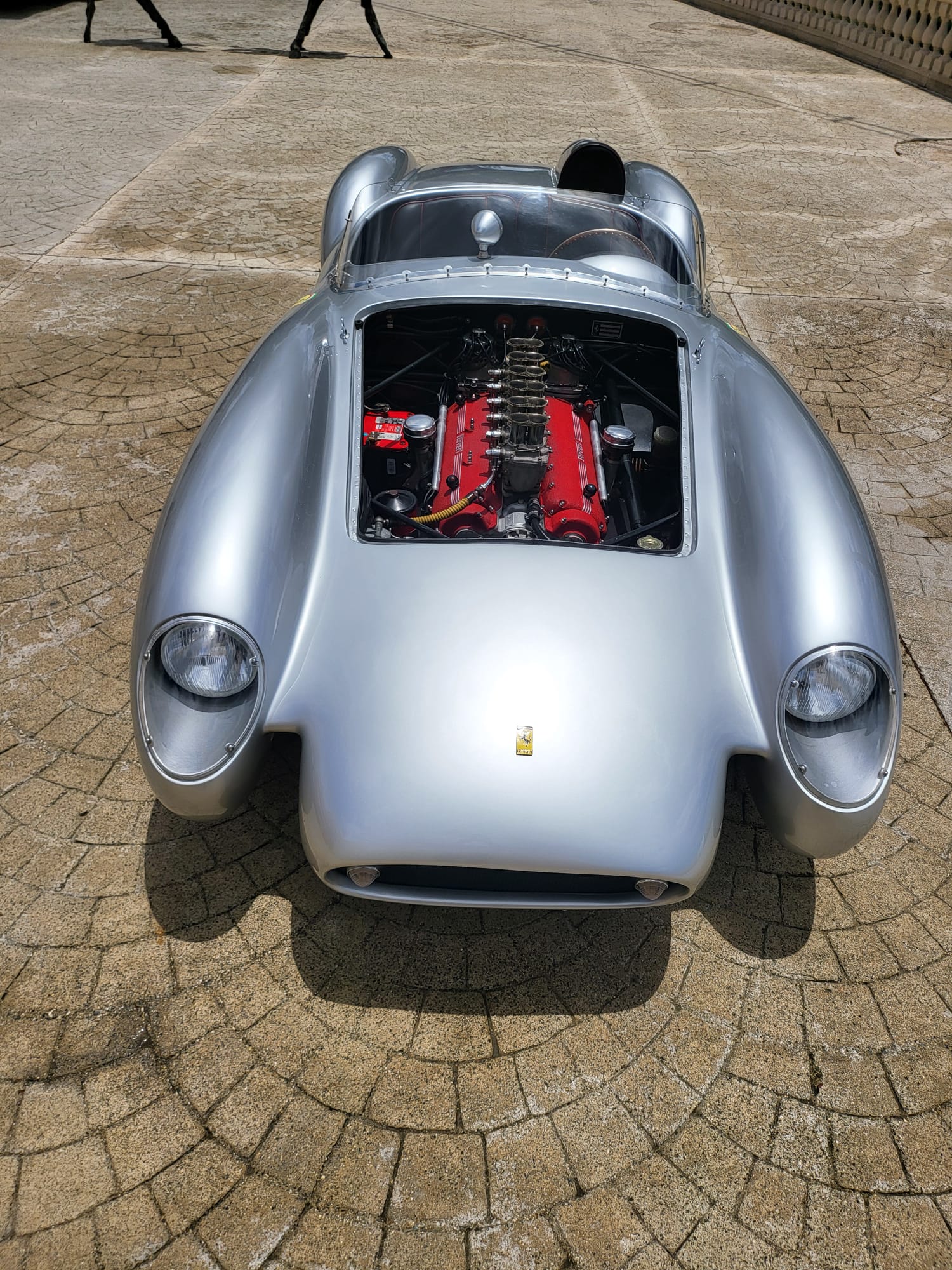
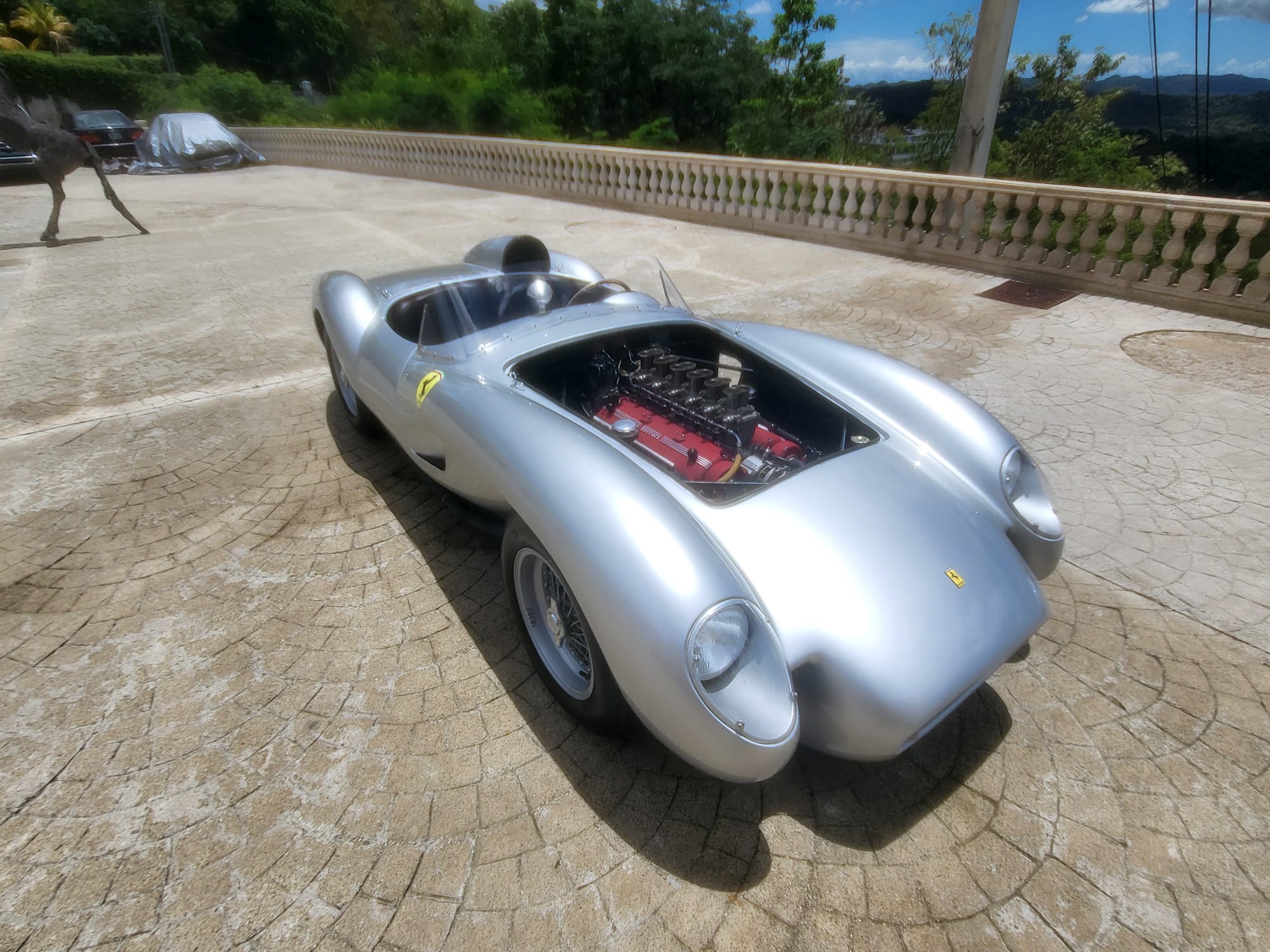
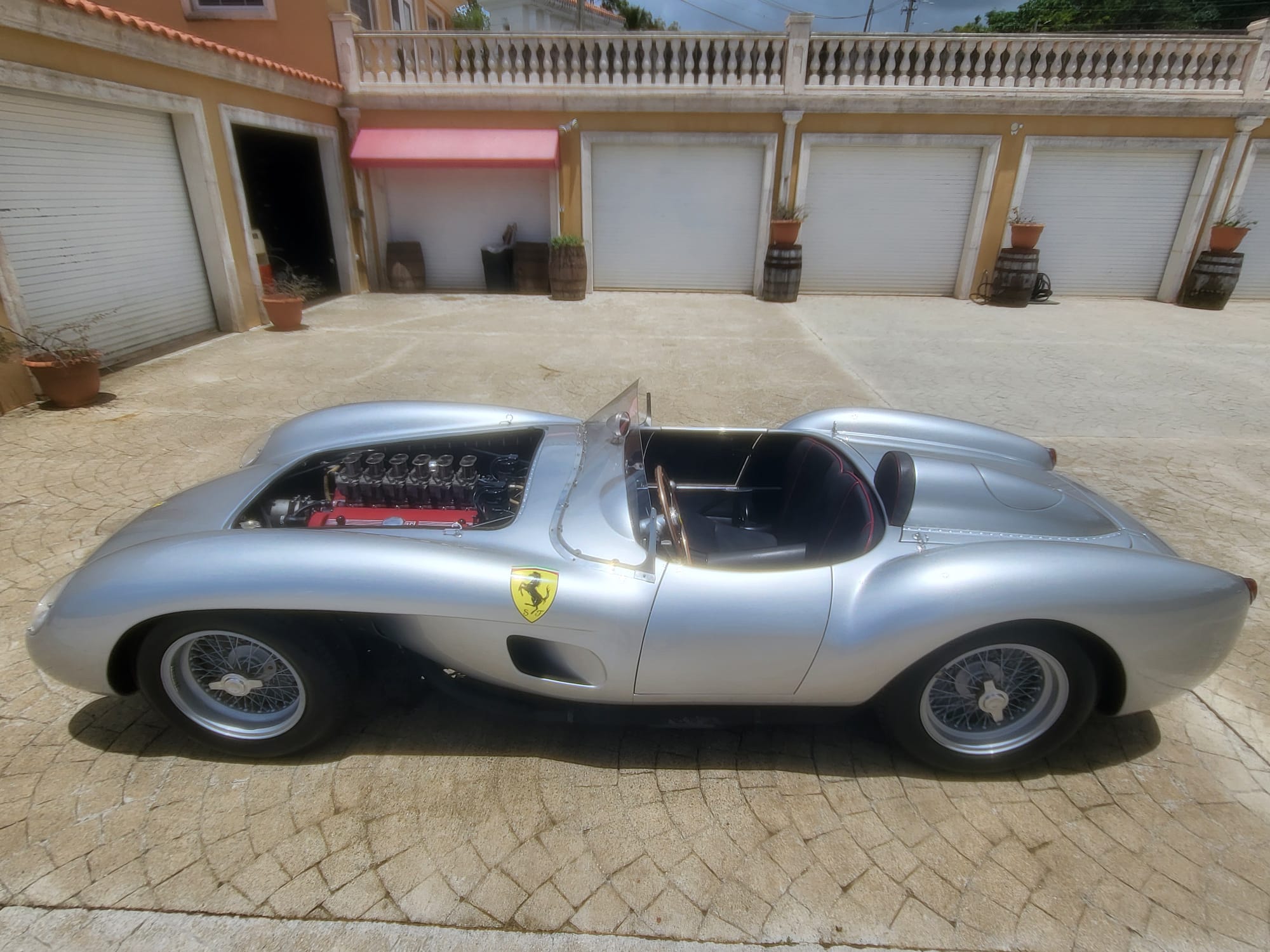
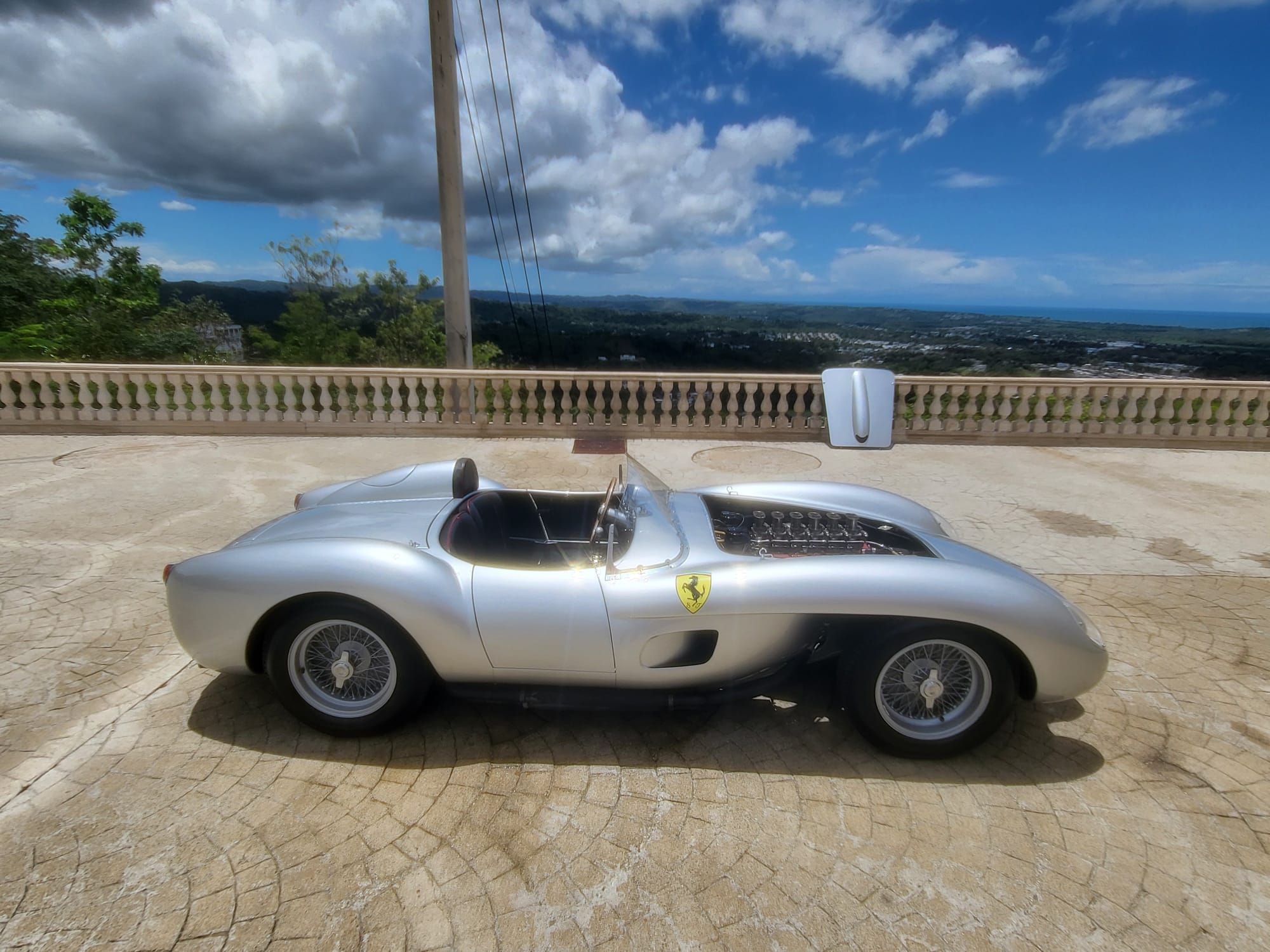
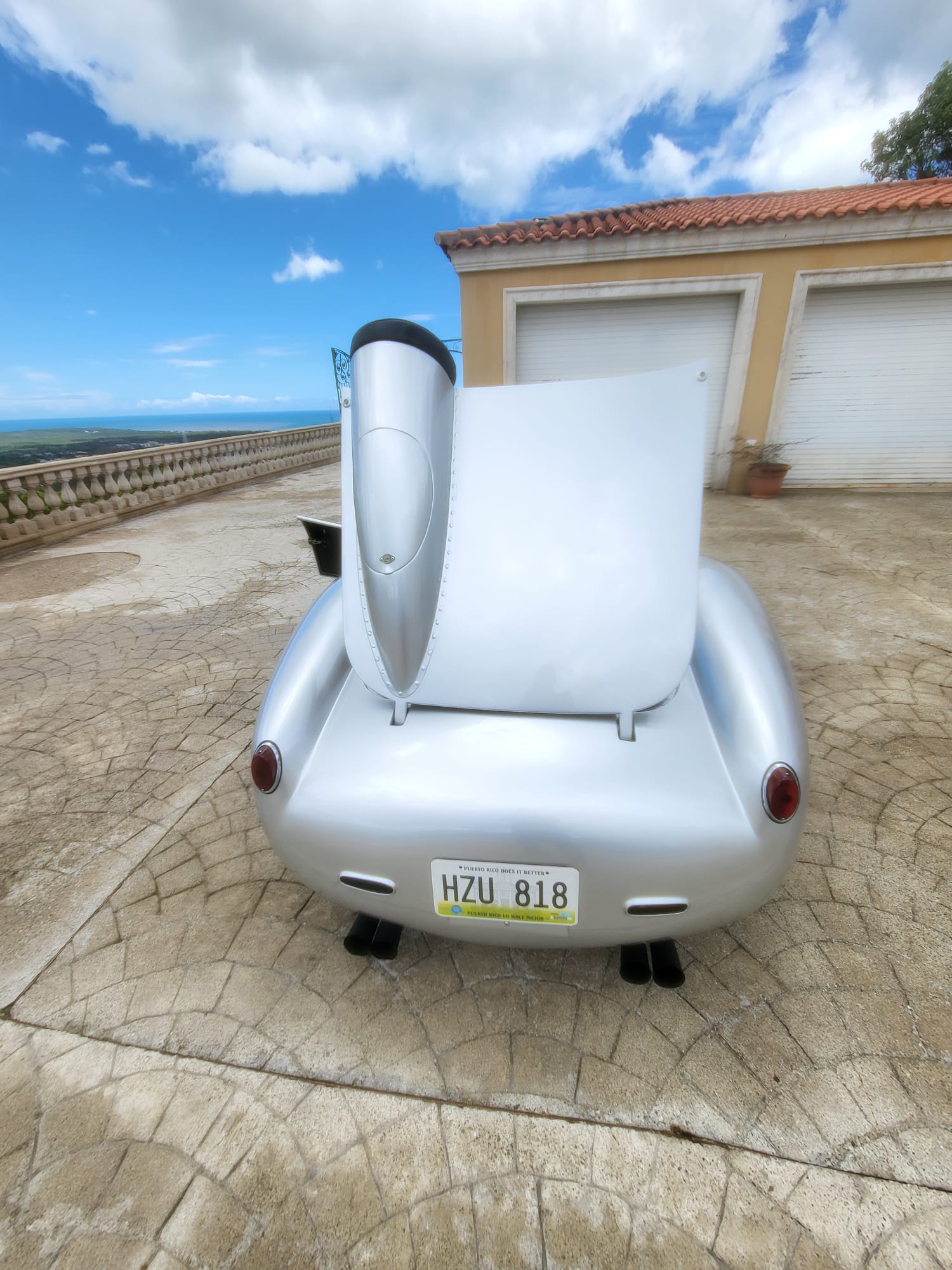
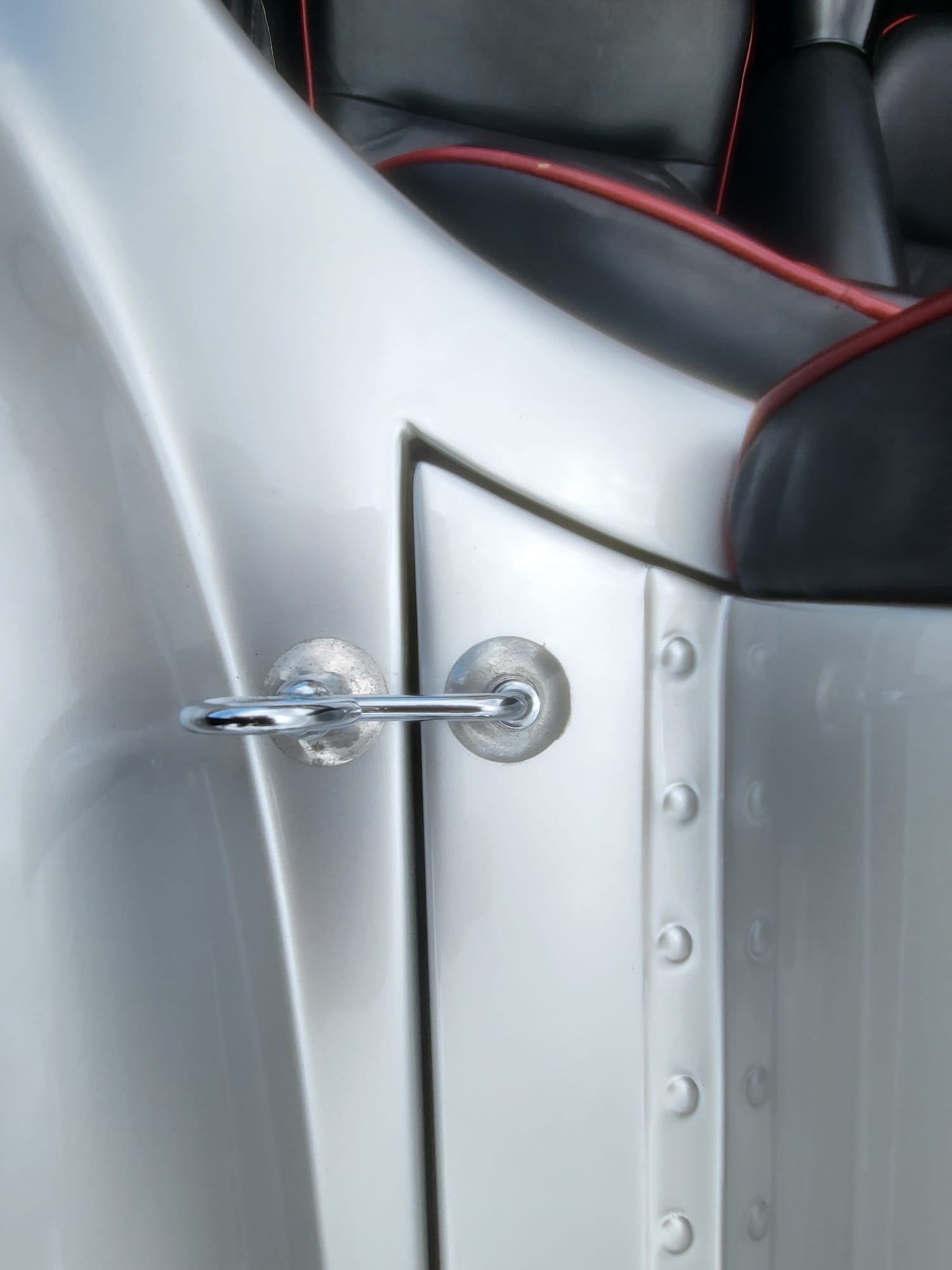
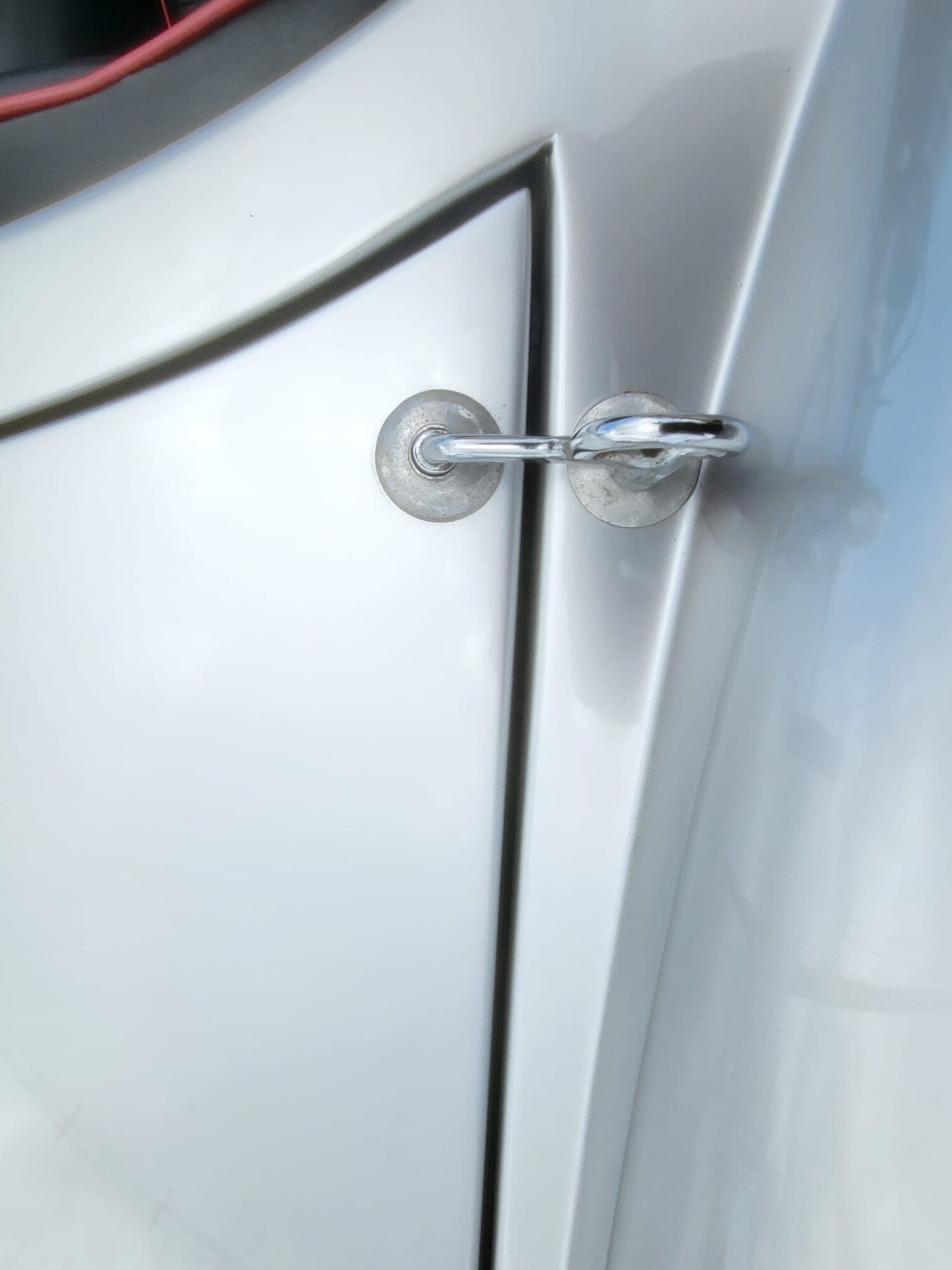
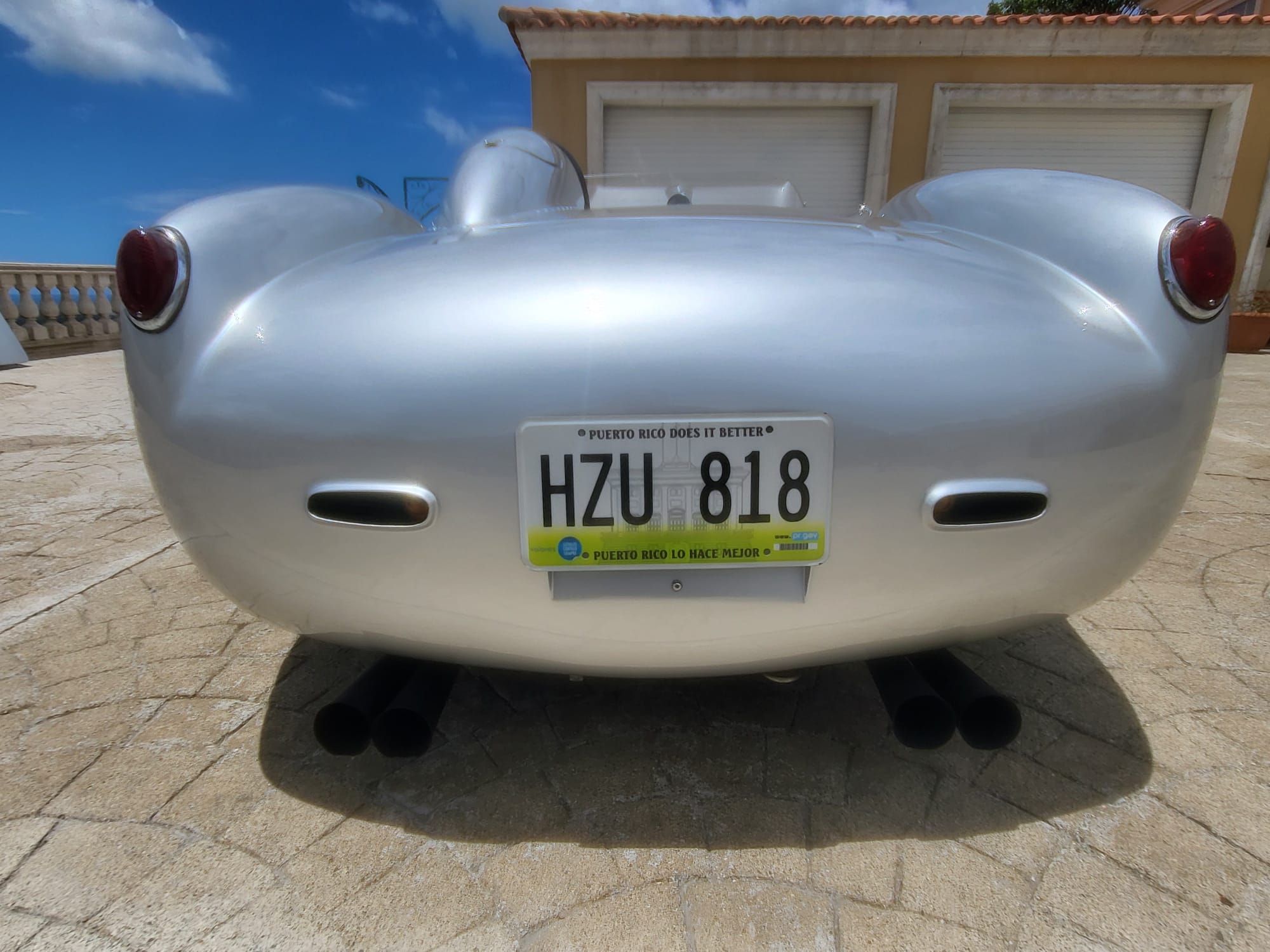
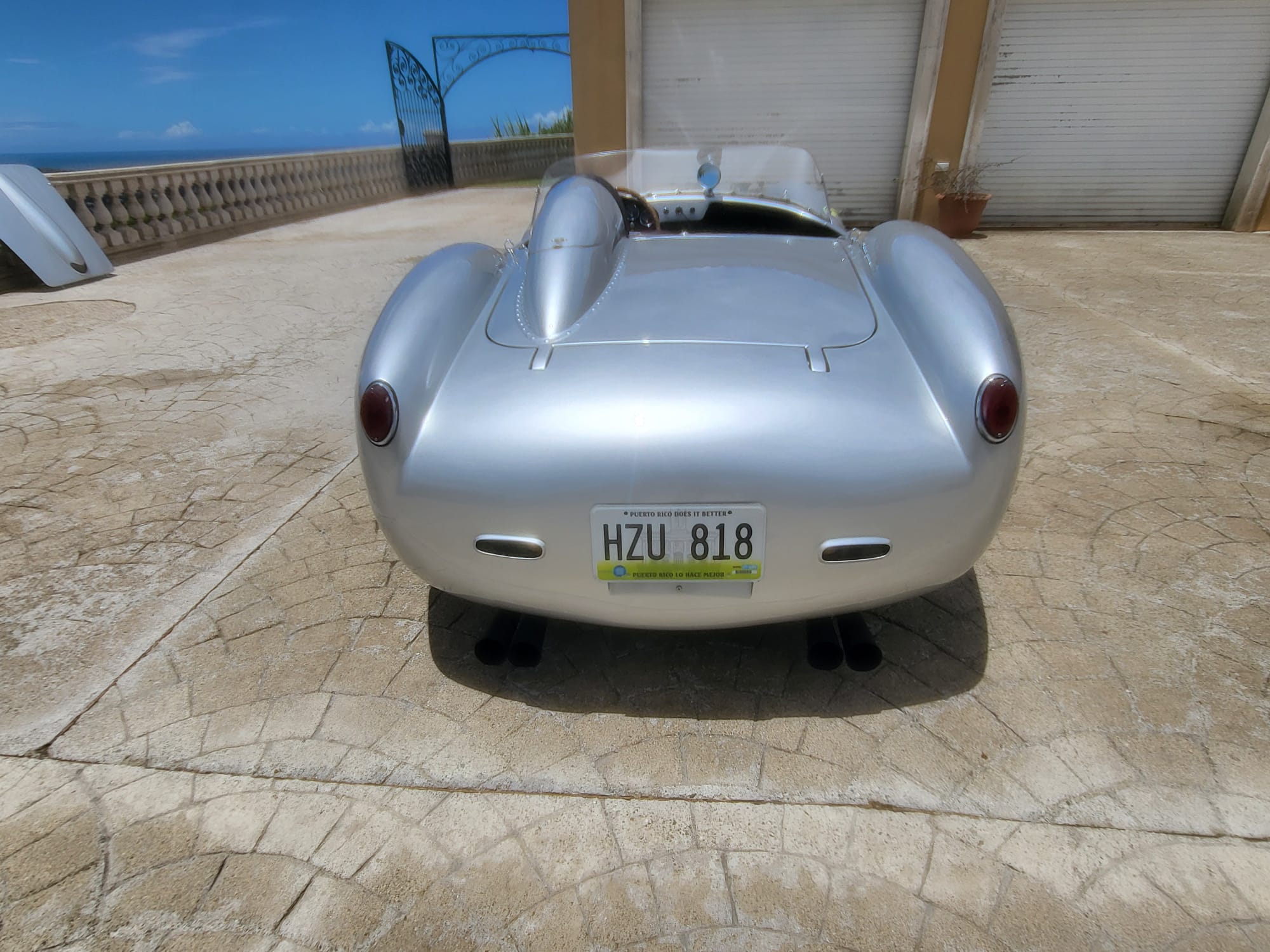
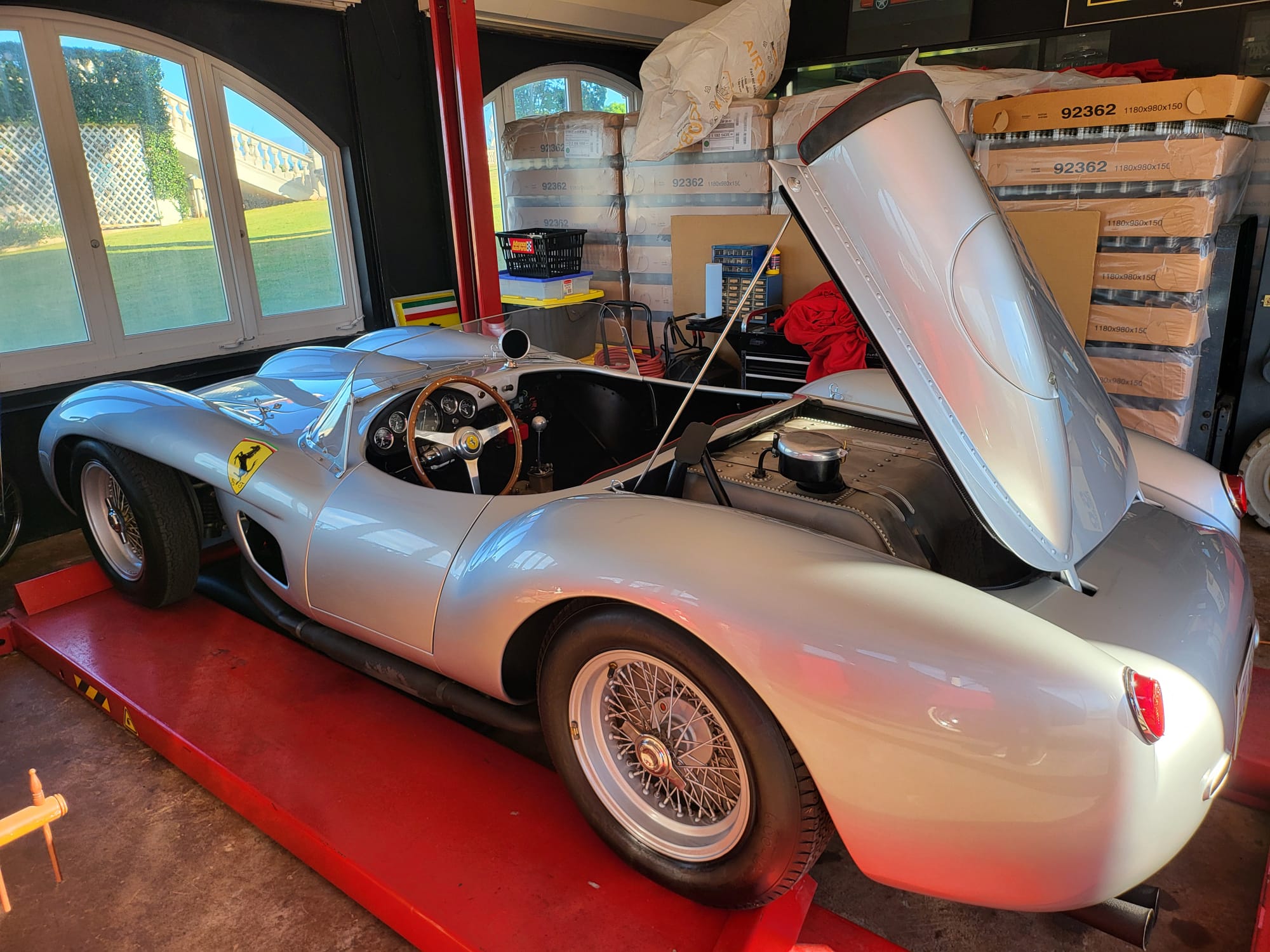
The attention to the smallest detail is impressive. Giordanengo constructed this car on a purpose-built 80 mm tubular steel chassis (smaller and lighter than the production cars’ 90 mm chassis tubes), dimensioned and laid out to duplicate the architecture and dimensions of the original Scaglietti-built cars. The bodywork is hand-formed in aluminum, and the quality of the work is apparent from the first walk-around. The pontoon fenders sweep back from the correct cutaway nose and nacelle-style fenders contoured to channel airflow to the brakes. The covered headlights fit and flow beautifully into the front fenders. The hood carries the proper mesh-backed intake scoop with the chromed hold-downs fitted to each rear corner. The full-width Plexiglas windscreen is correctly proportioned, and the windscreen’s aluminum support strip is identical to the original and riveted in place. The voluptuous round-section tail is paired with ruby tail lamps and twin horizontal air vents that allow air trapped under the car to escape. The headrest flows into the elegant body lines and also features an access door for refueling. The side exhaust duplicates the original, following the lower body lines with quad exhaust outlets exiting out the back. The Borrani wire wheels are fitted with correct two-eared knockoff hubs and Dunlop Racing tires.
COCKPIT
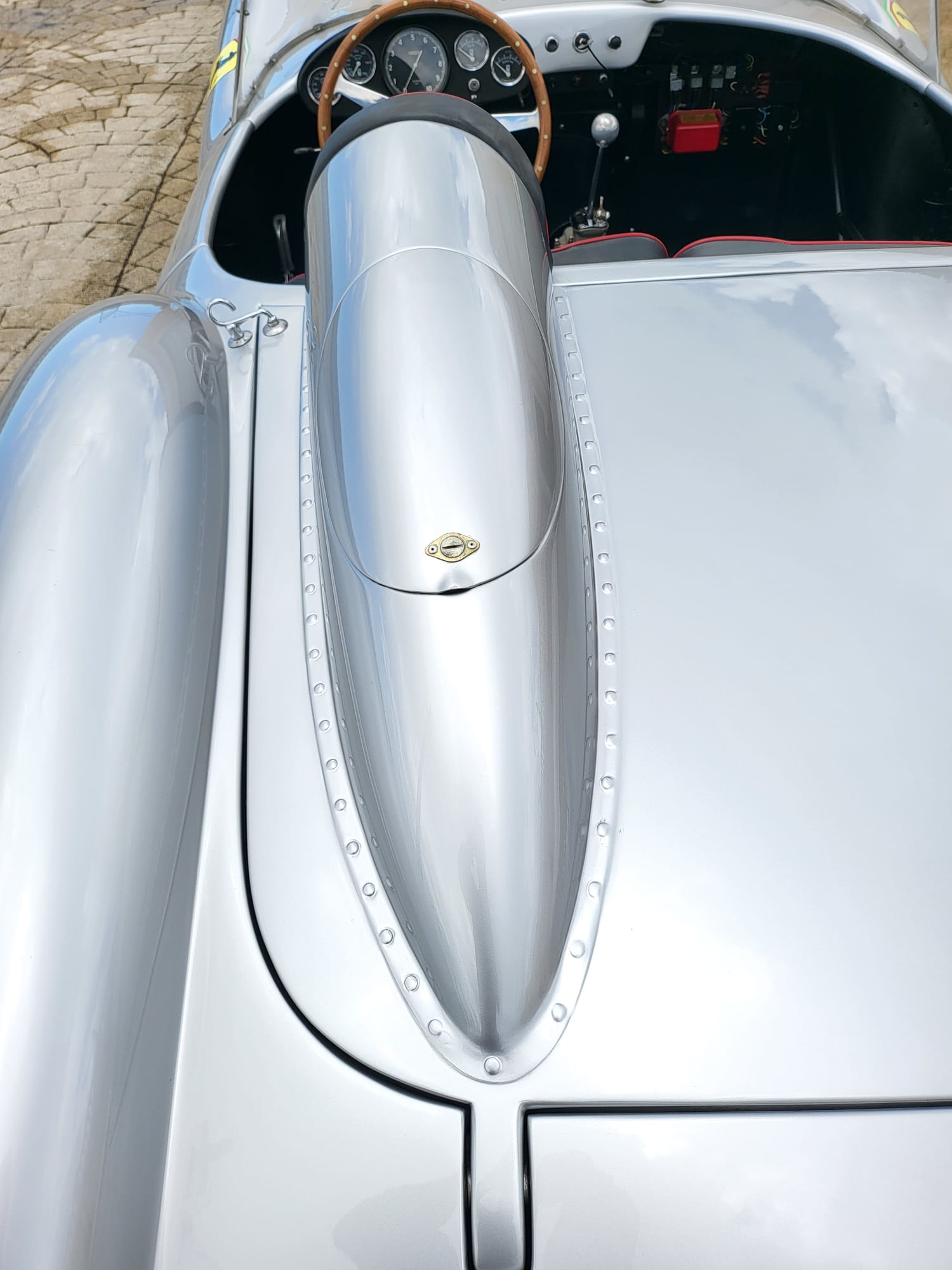
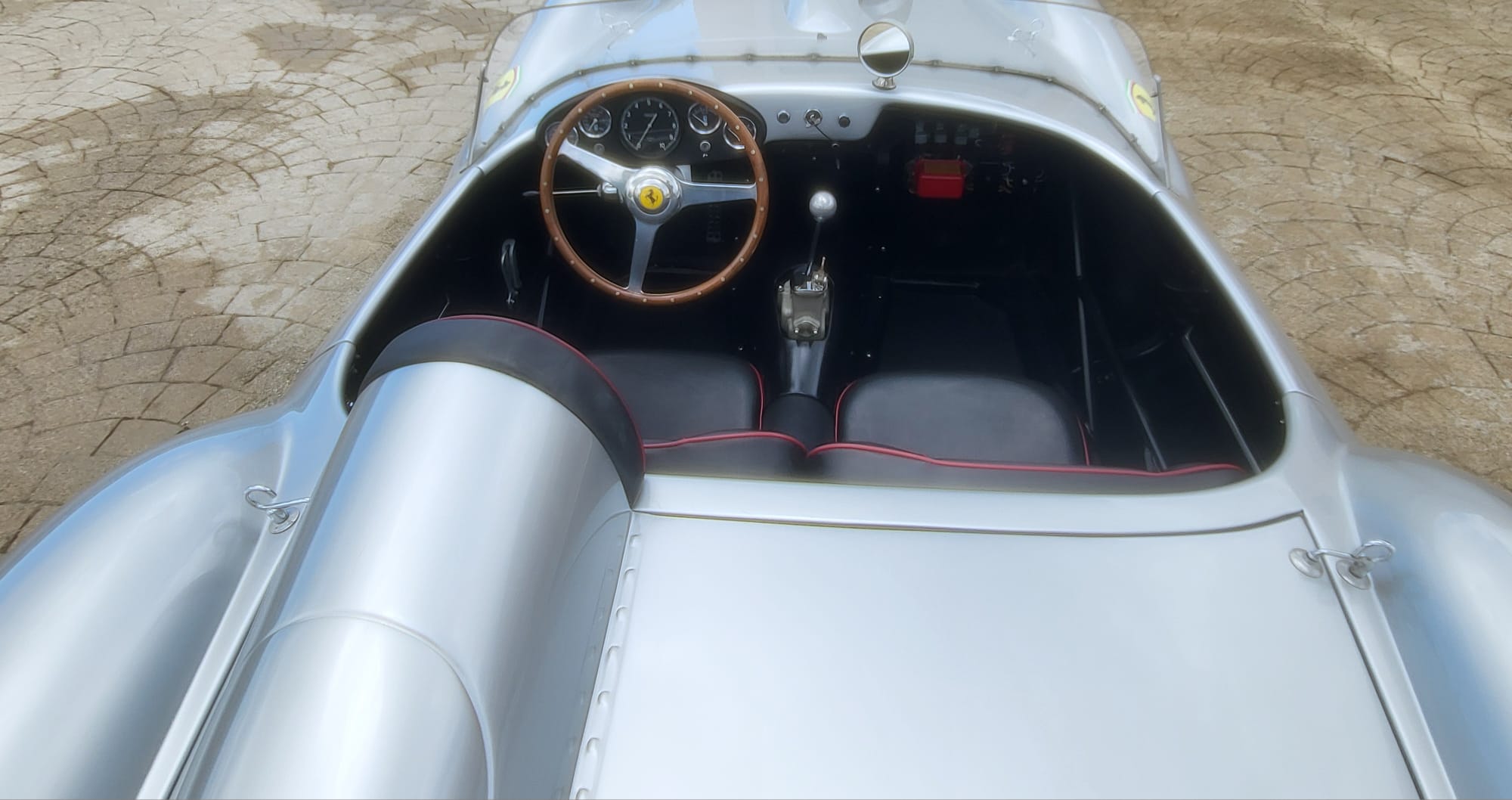
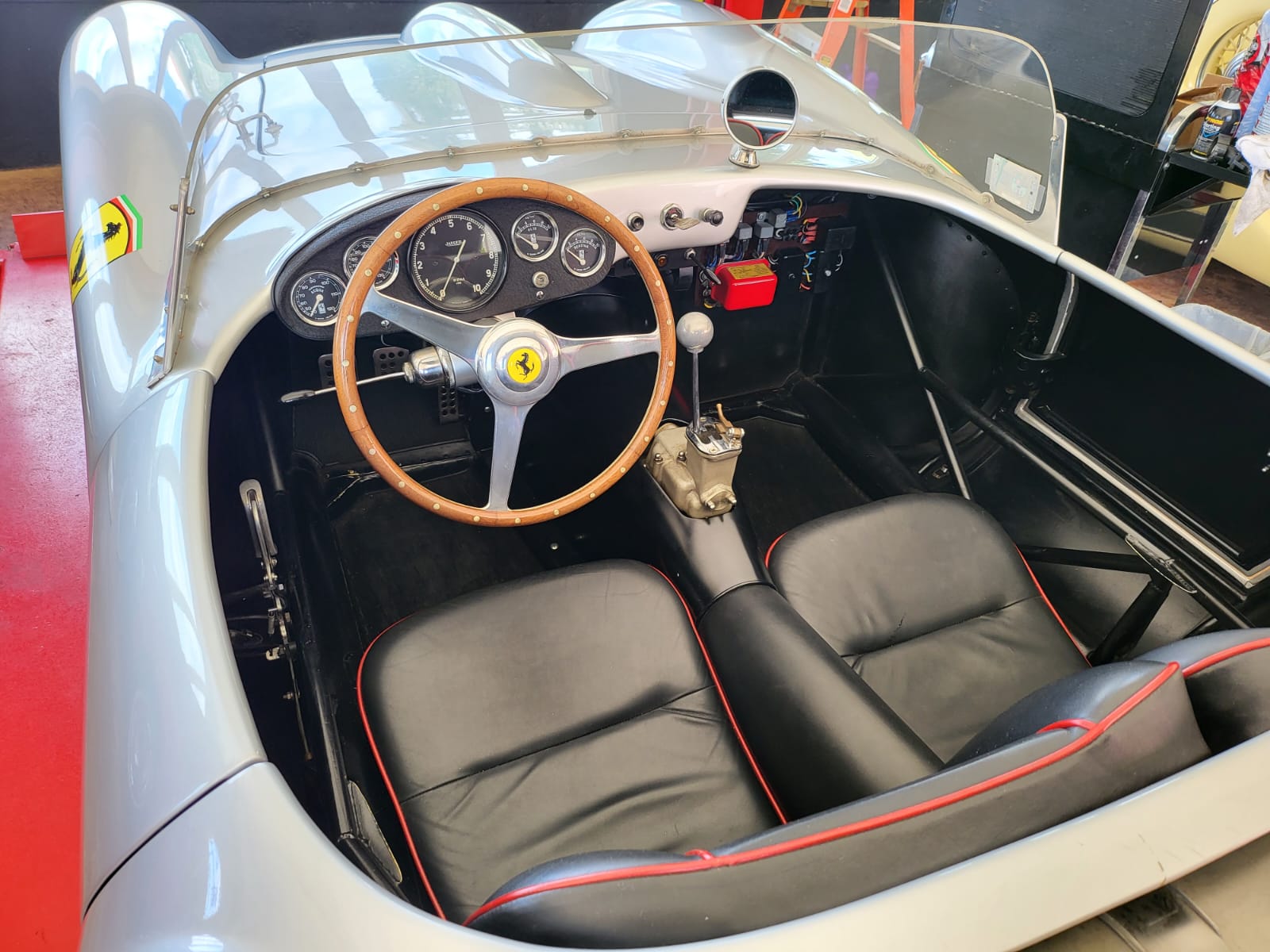
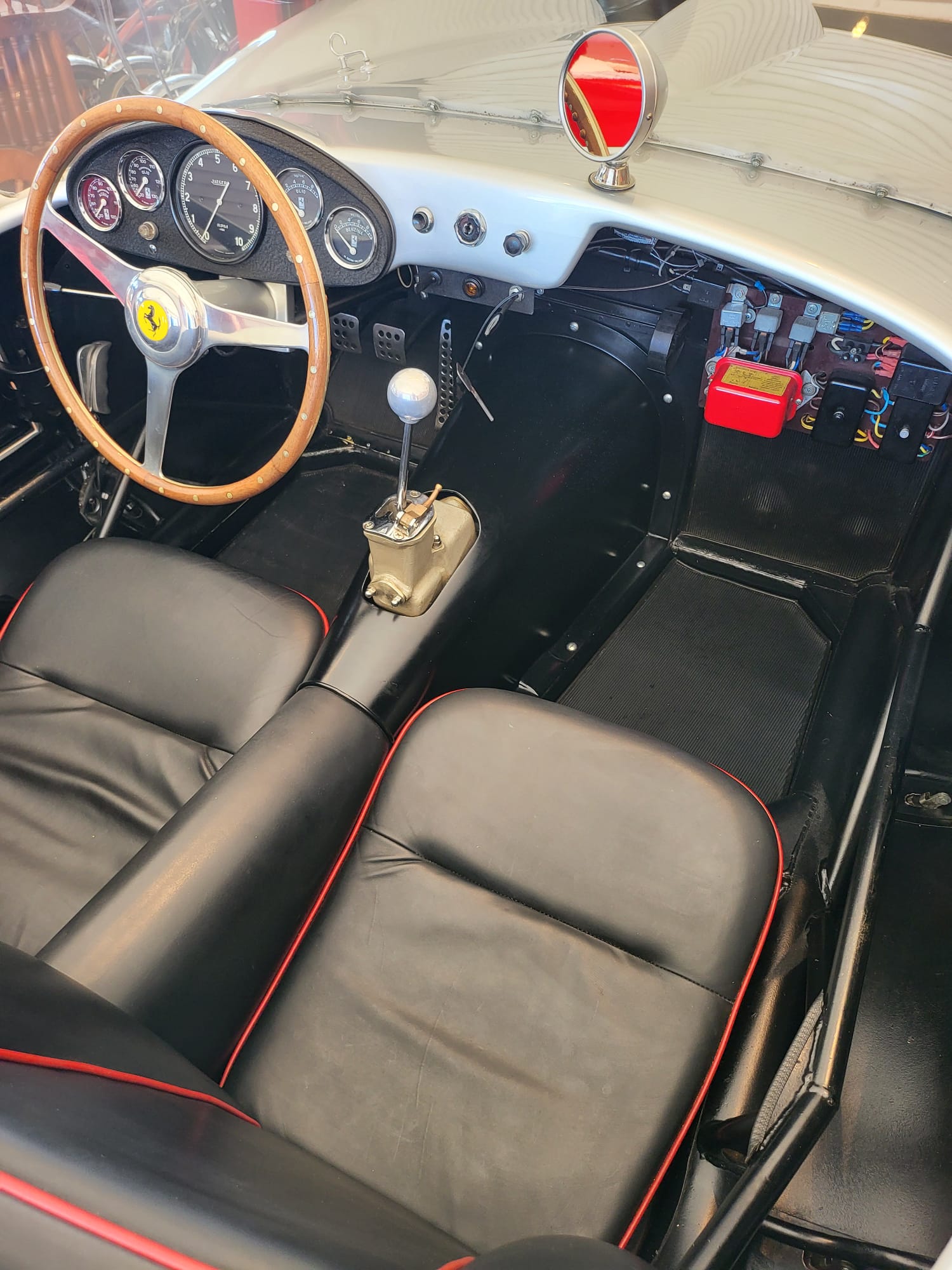
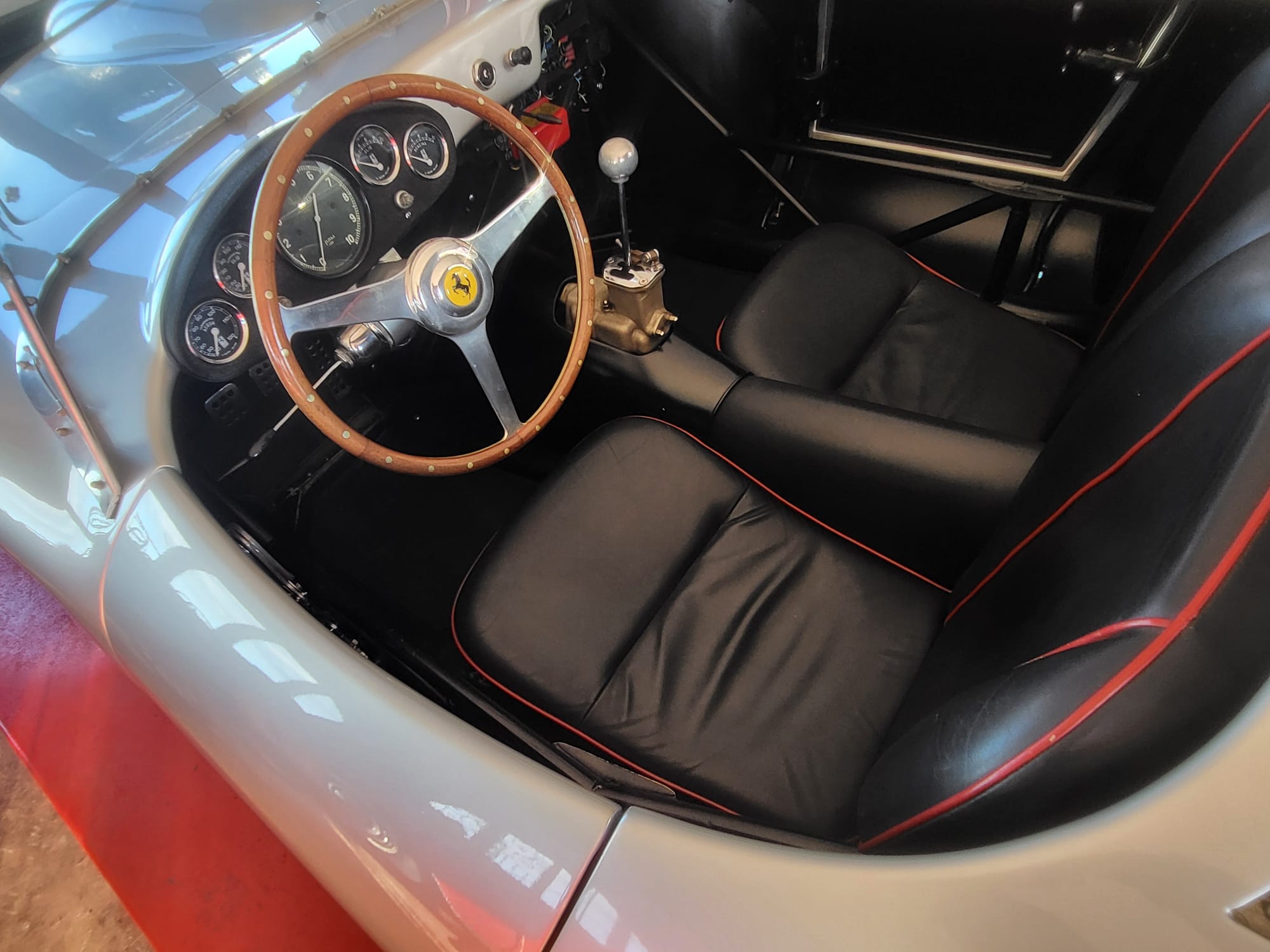
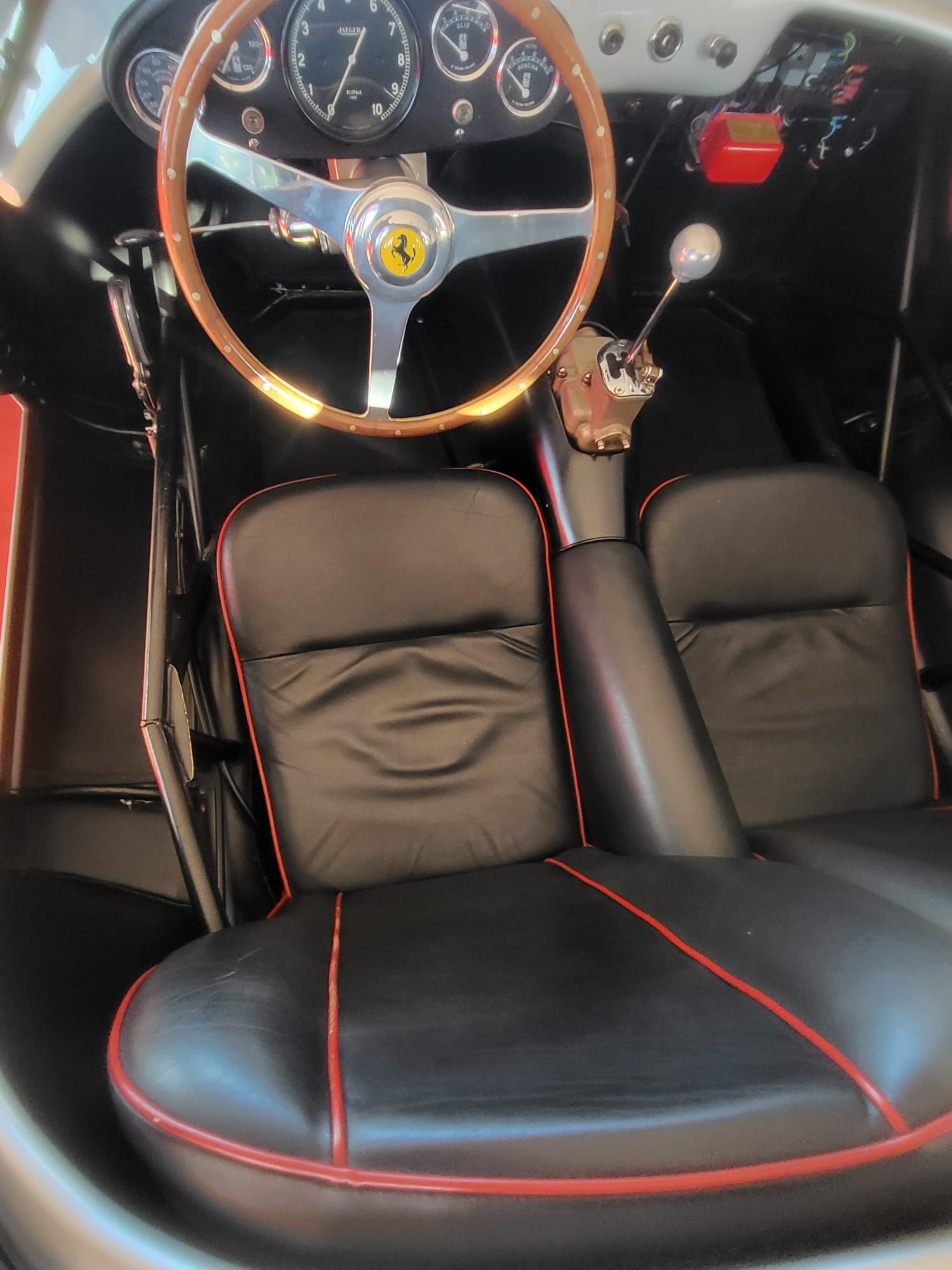
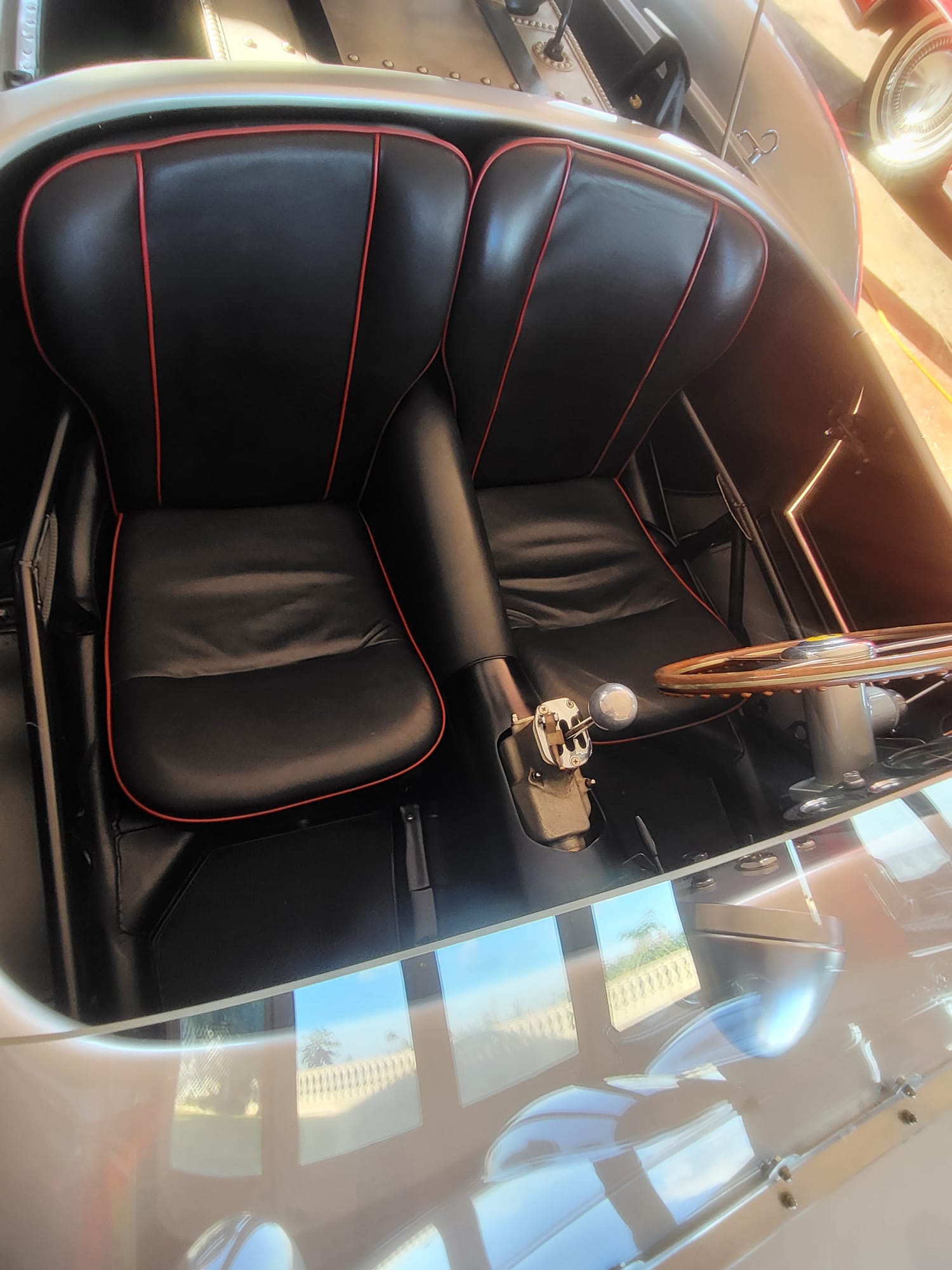
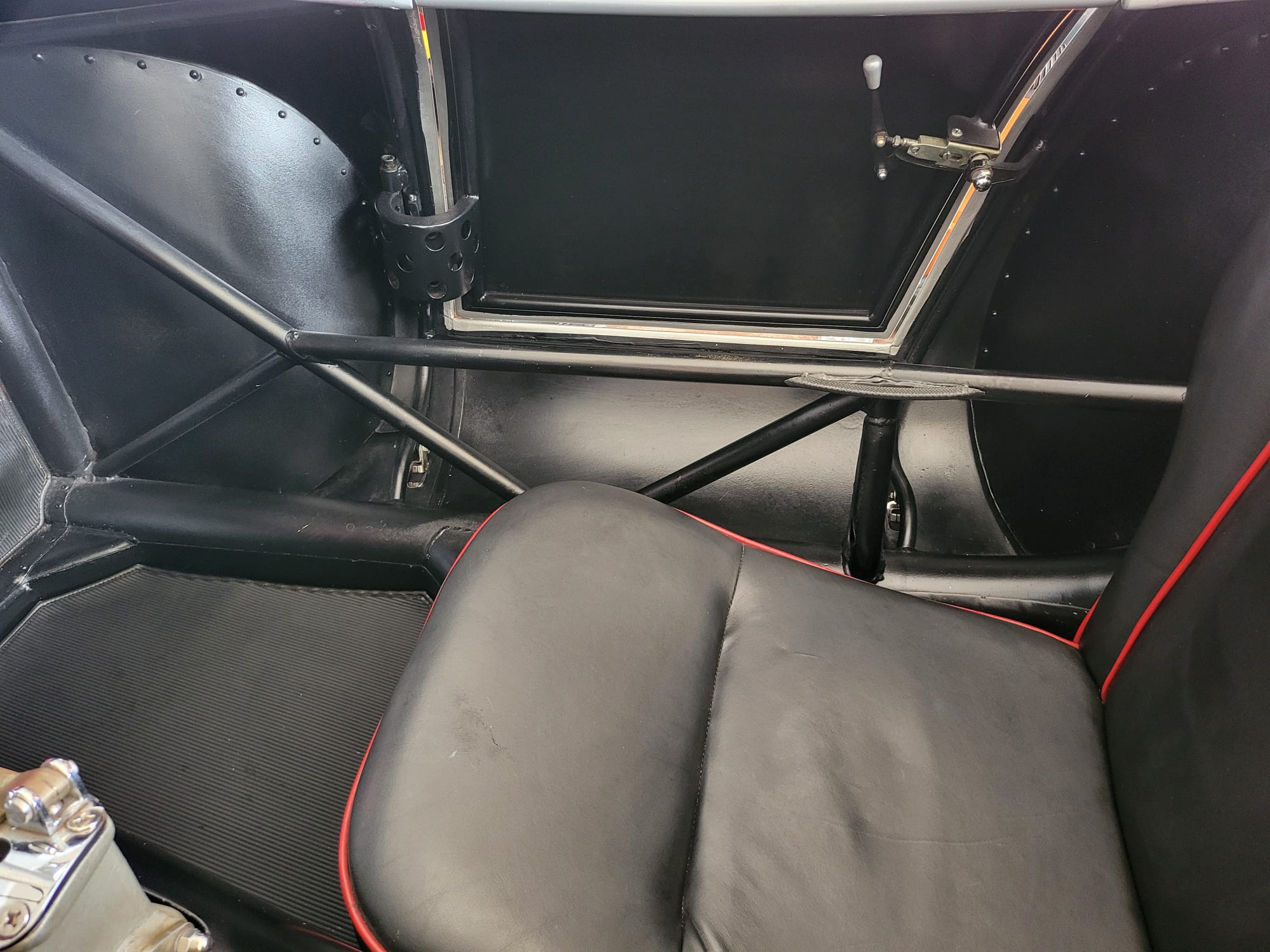
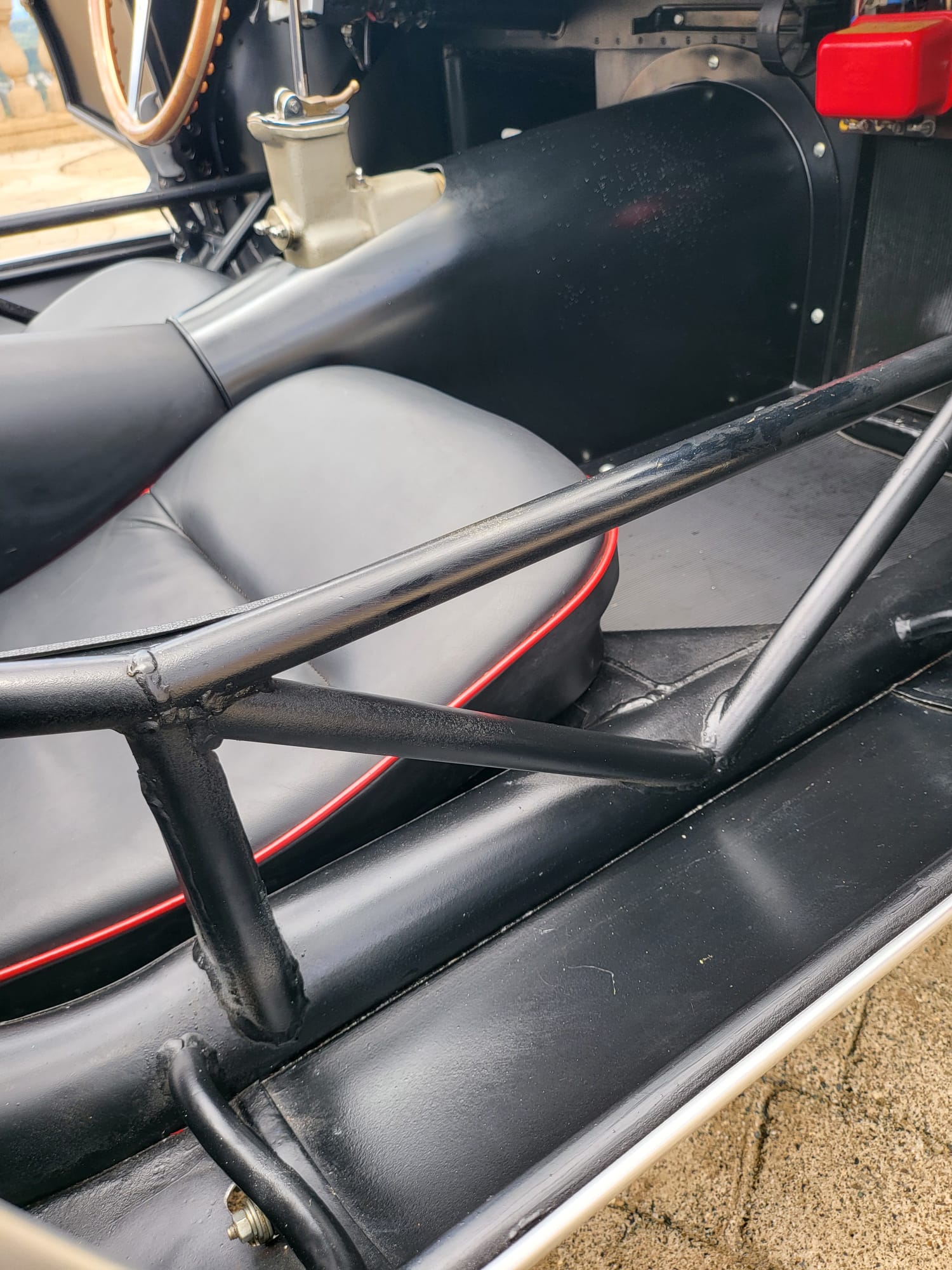
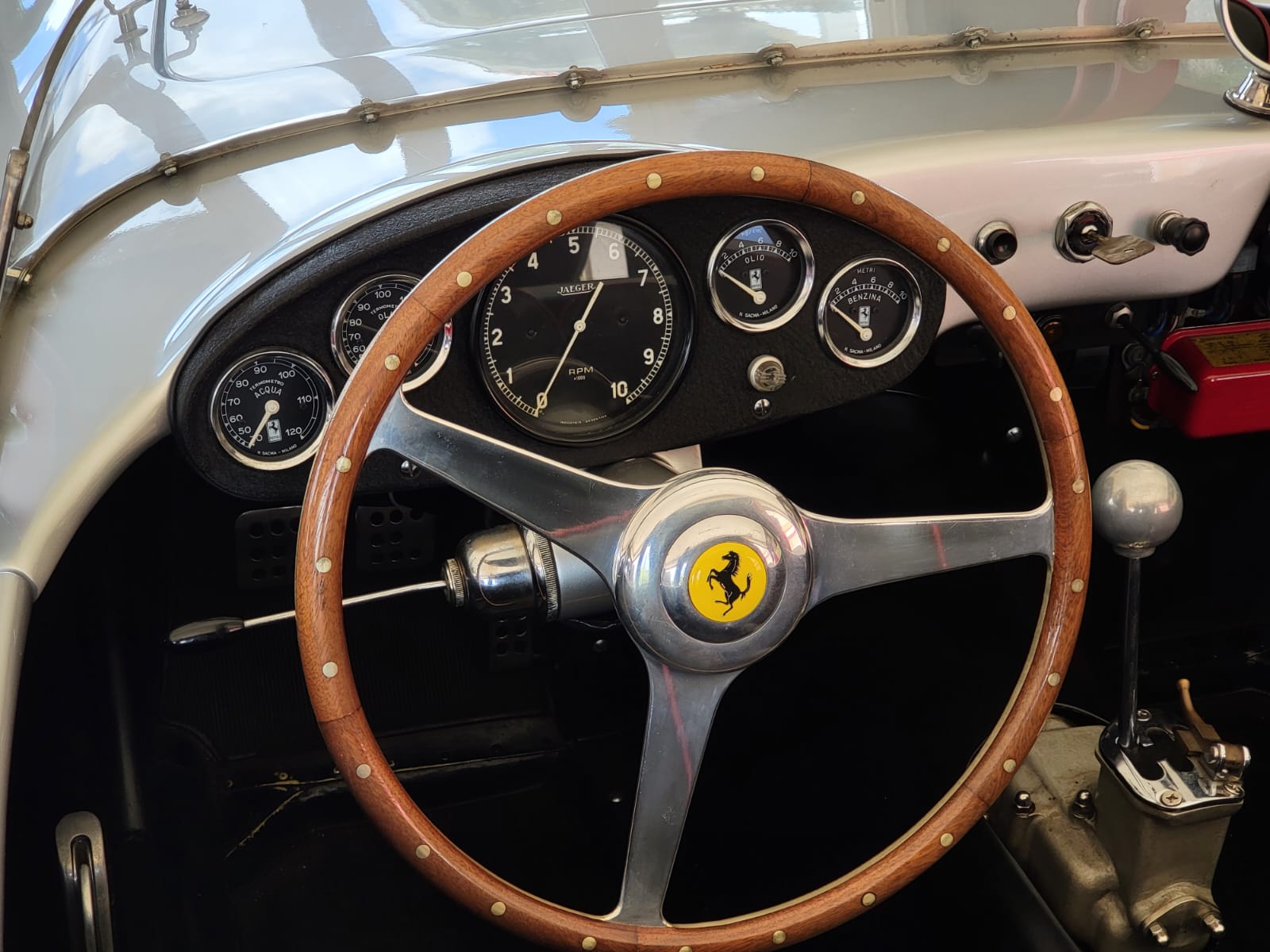
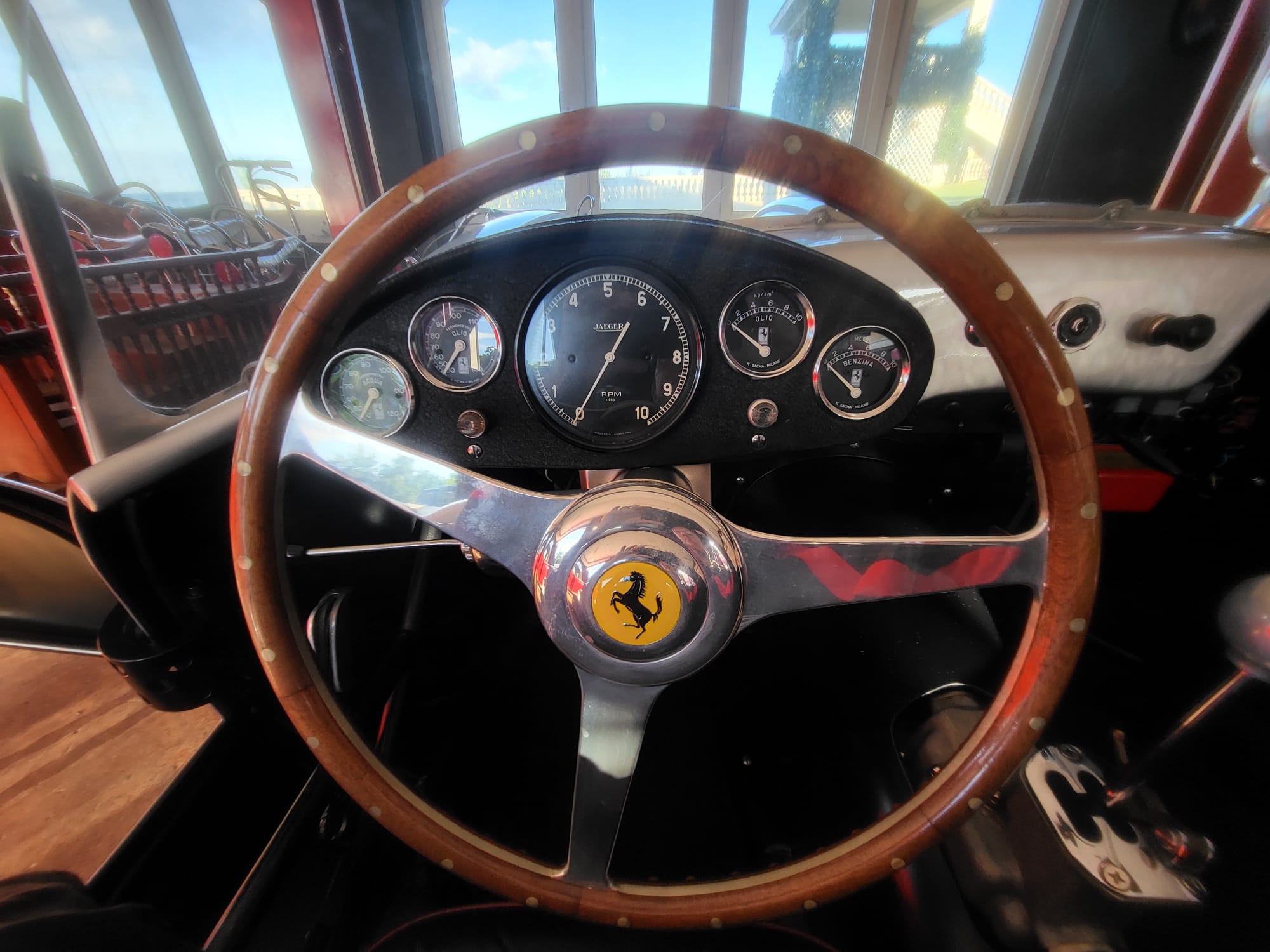
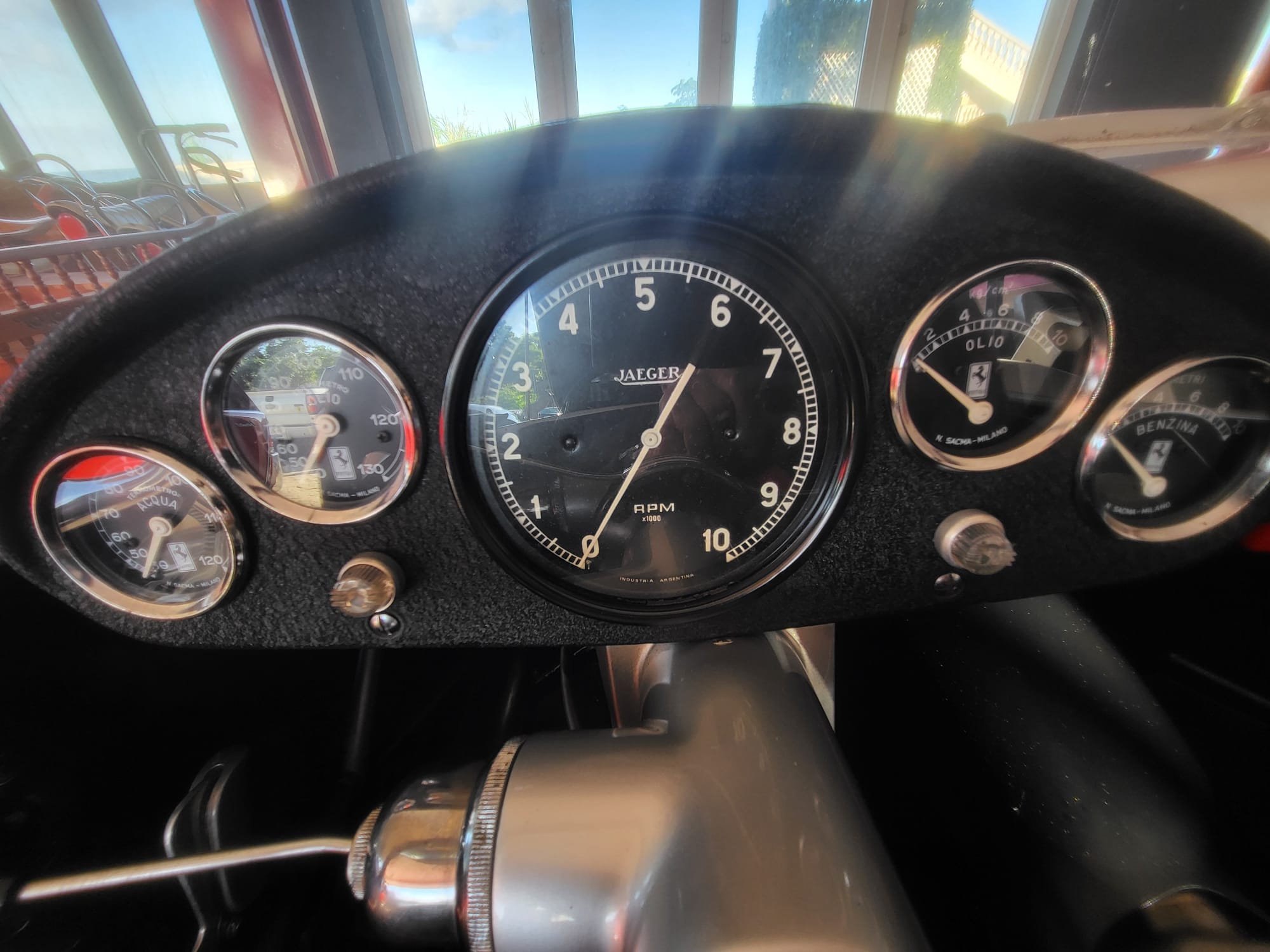
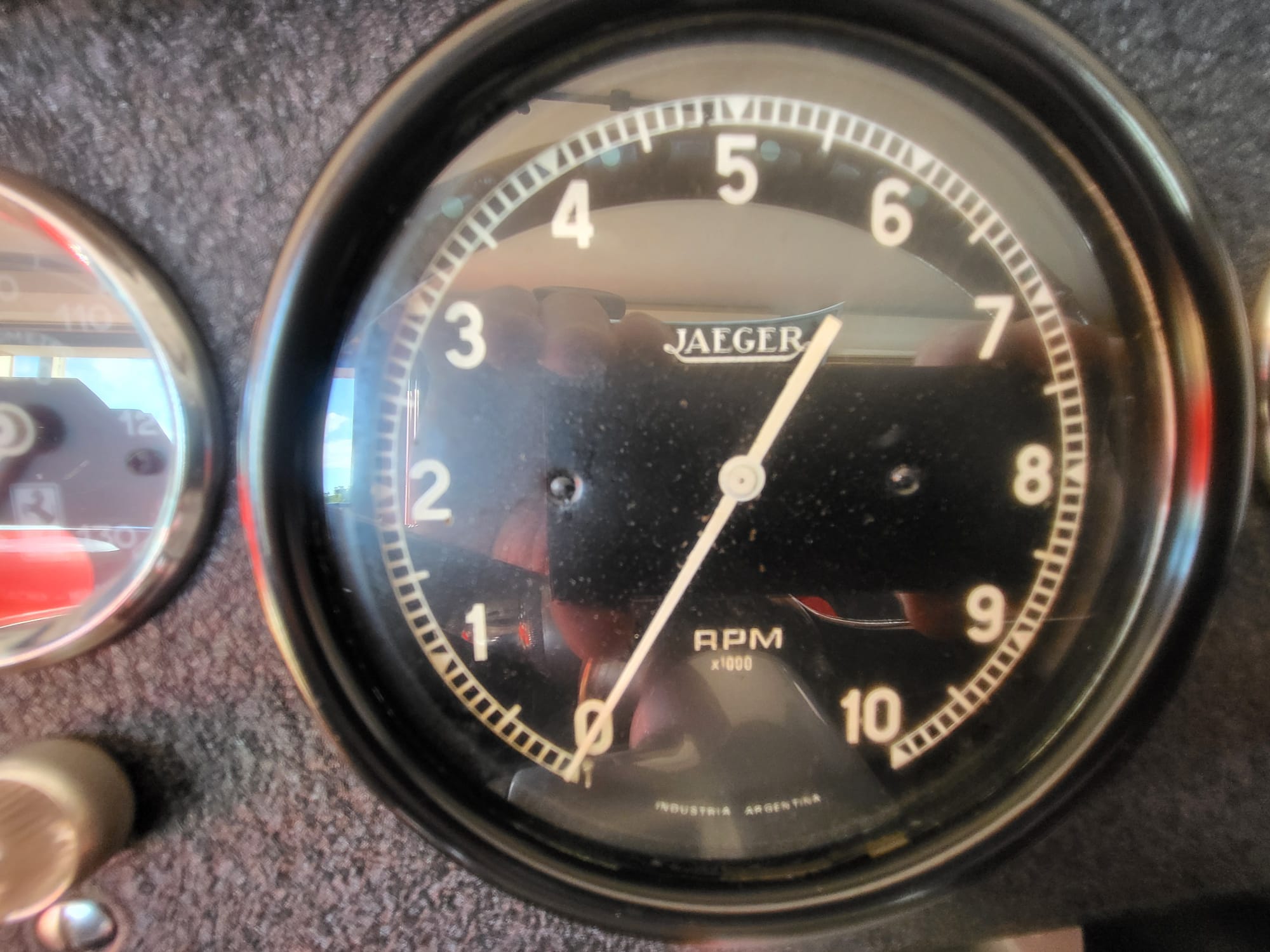
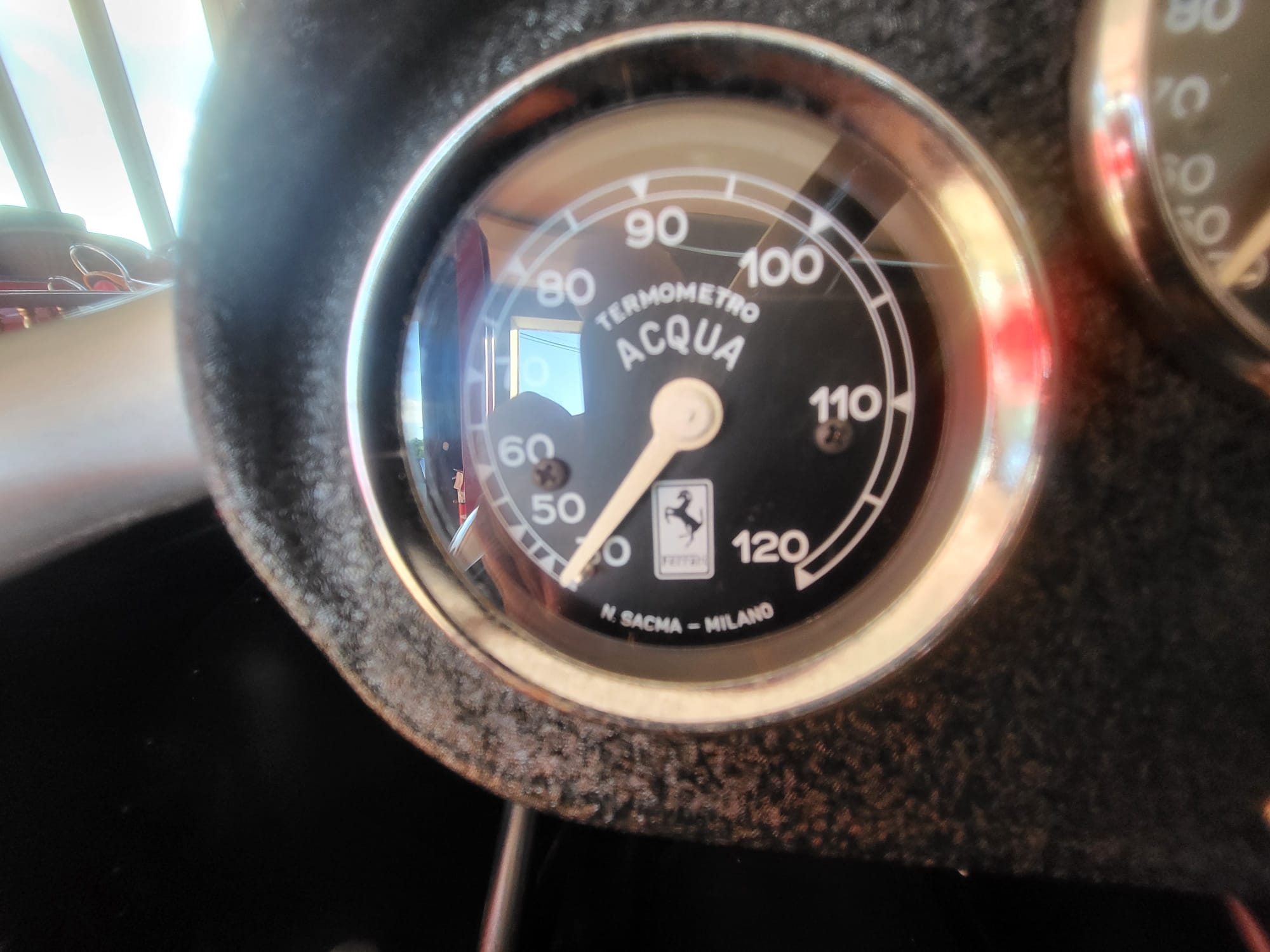
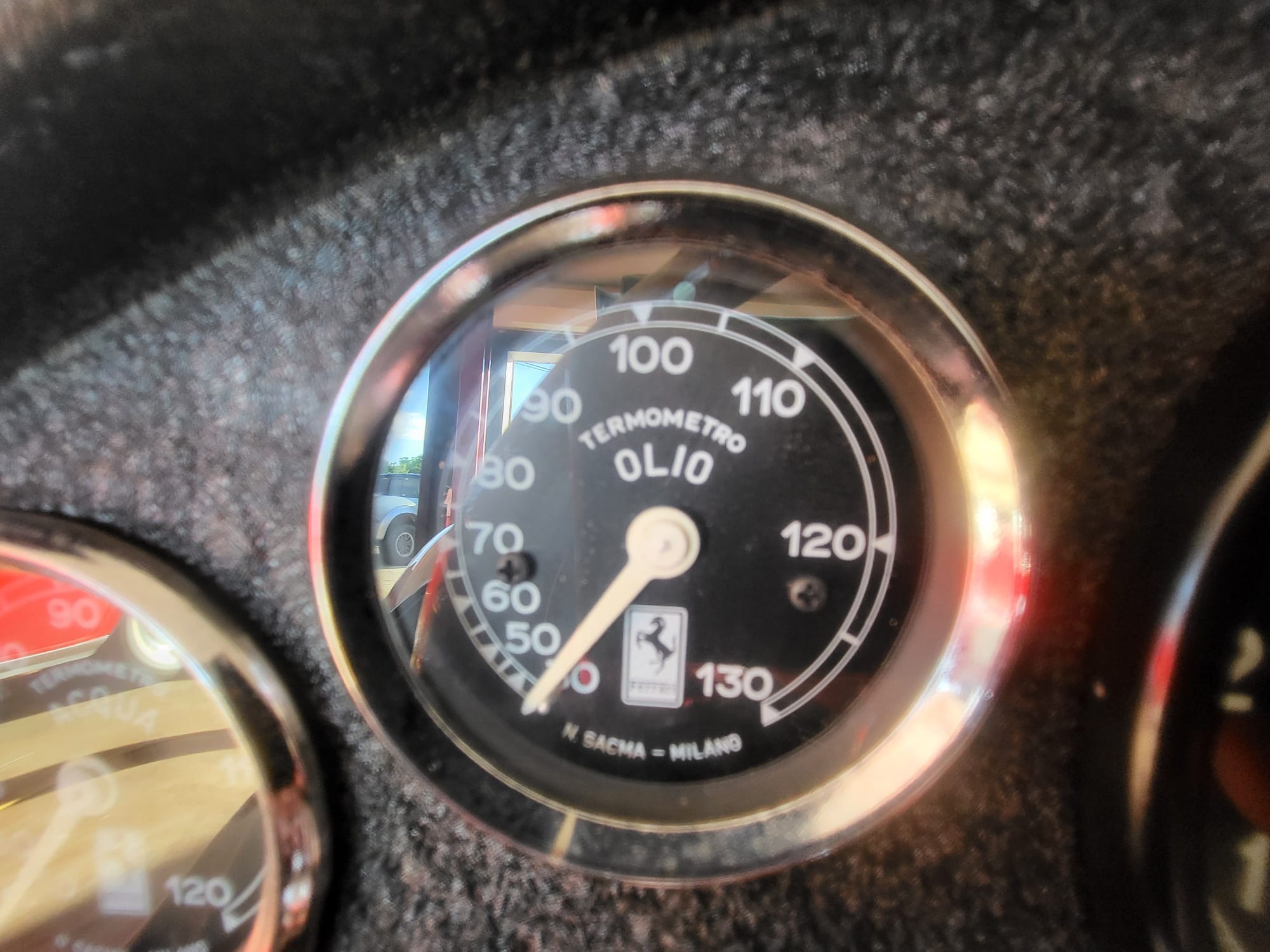
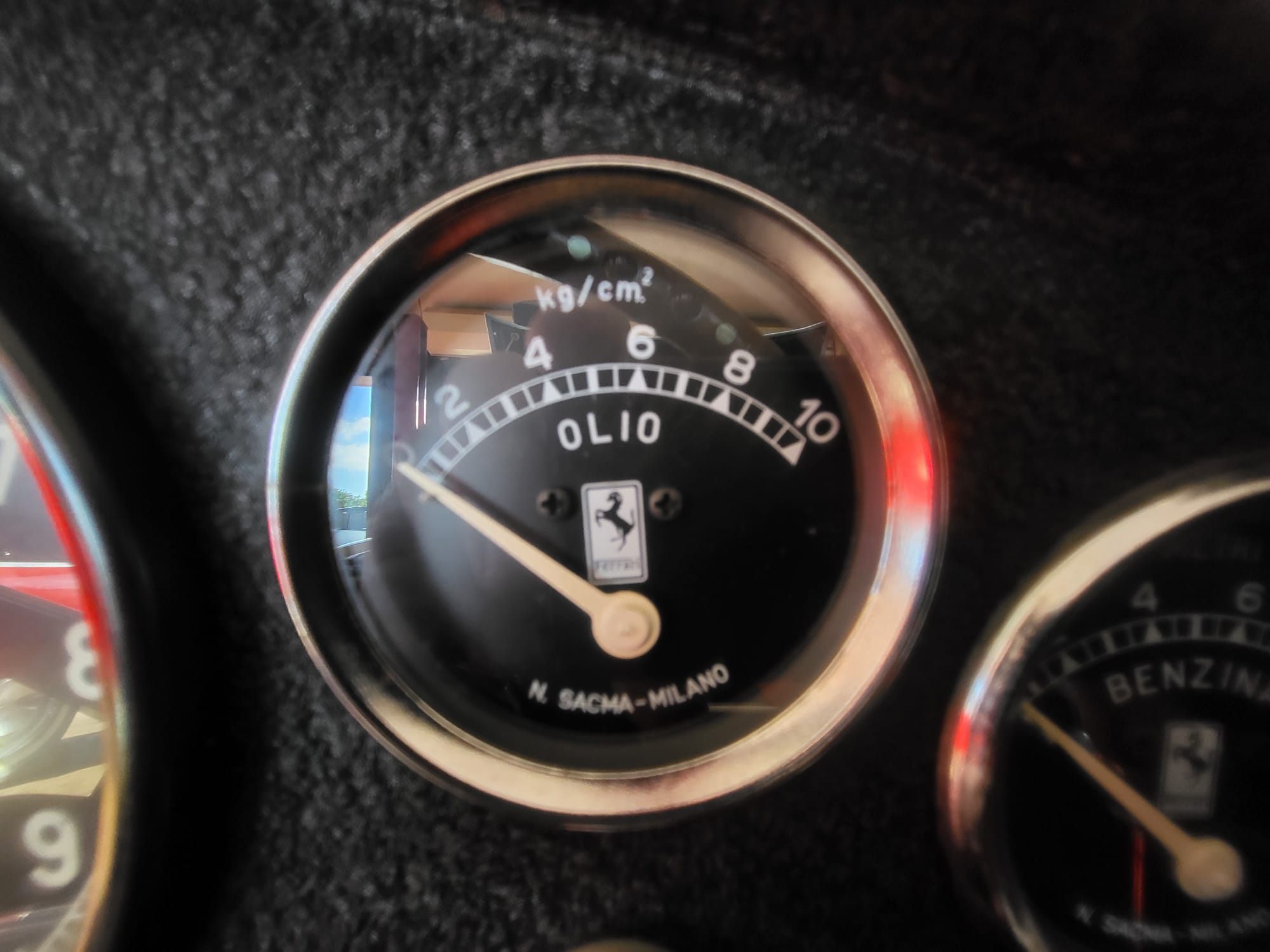
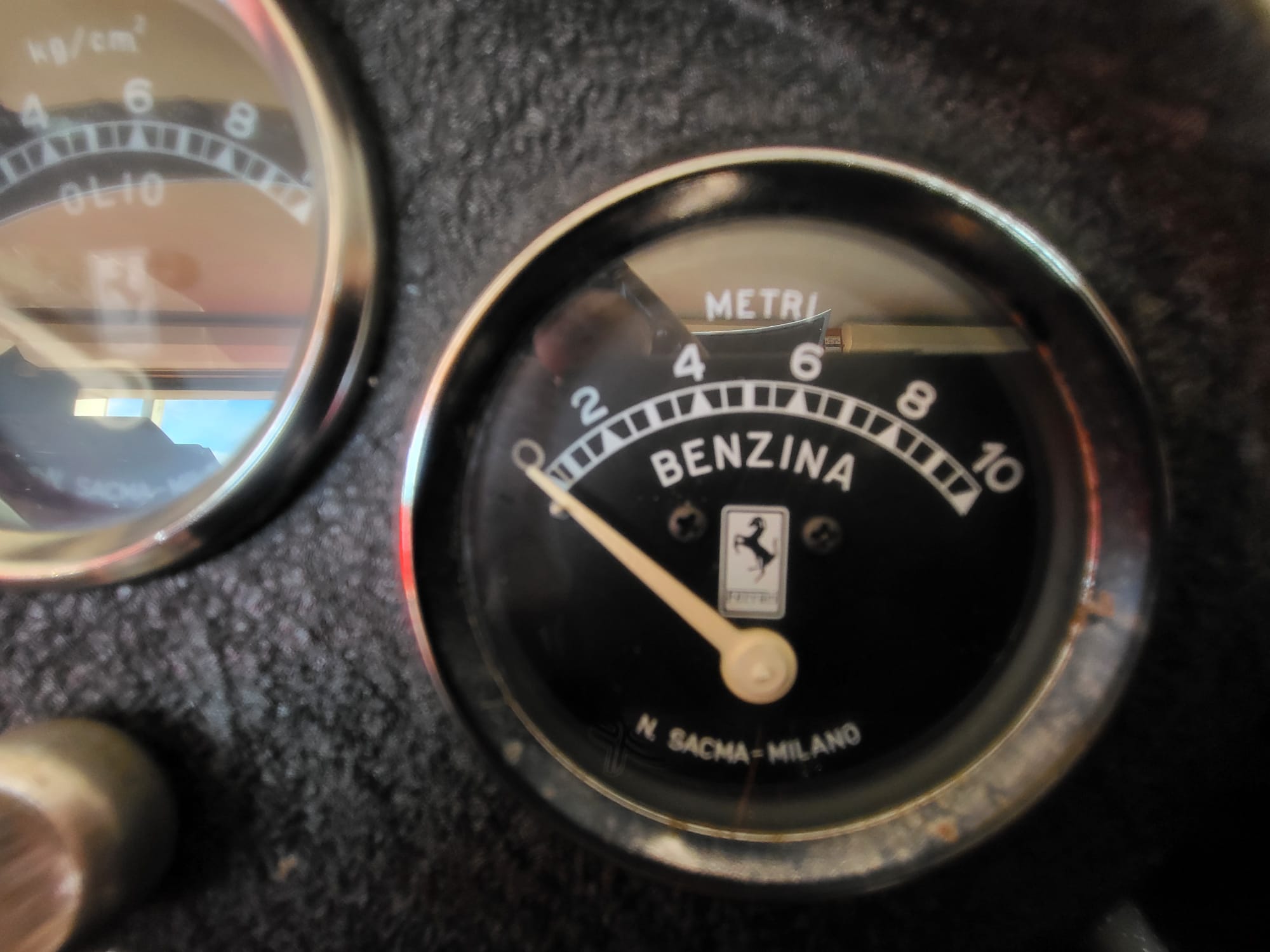
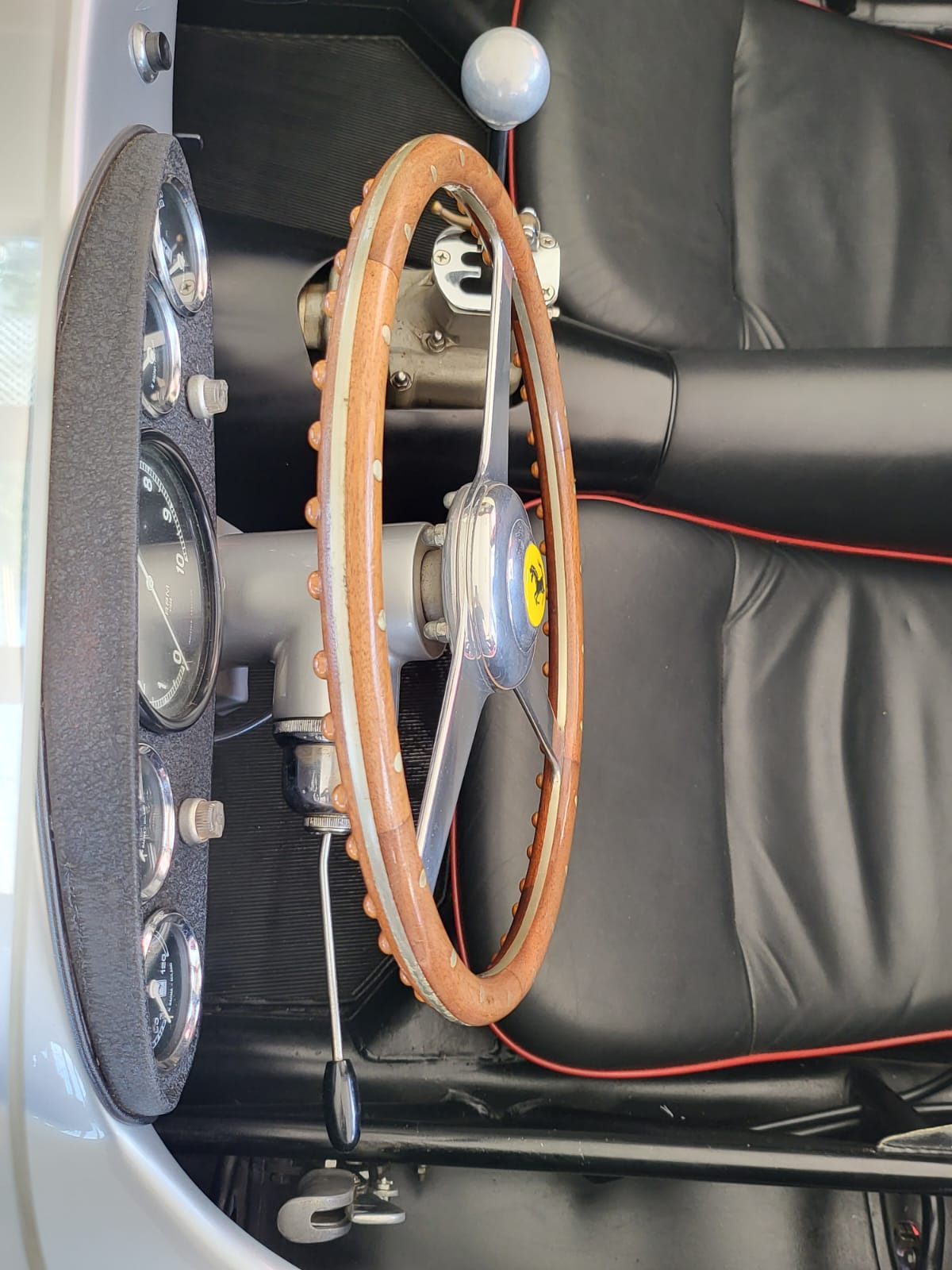
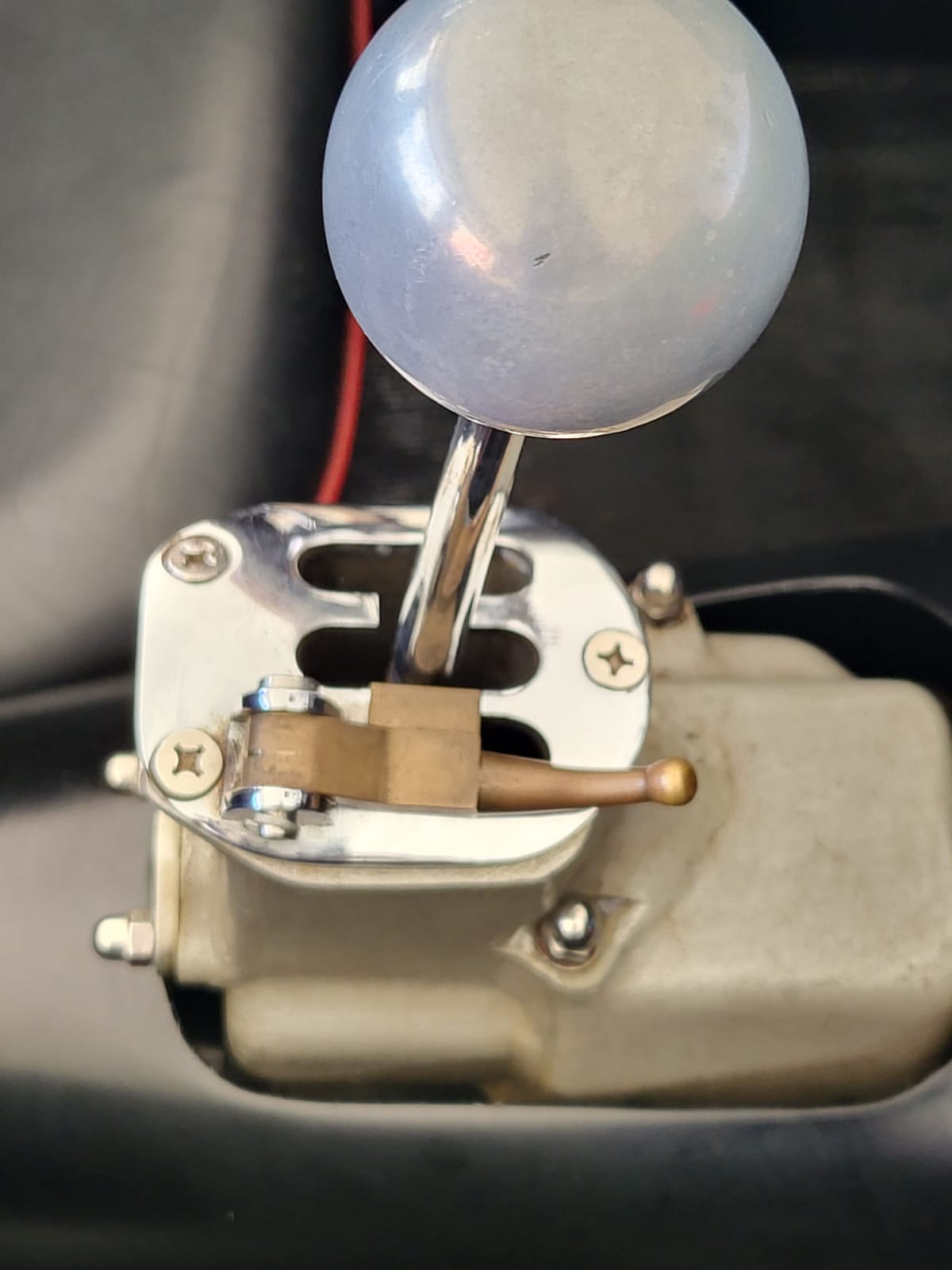
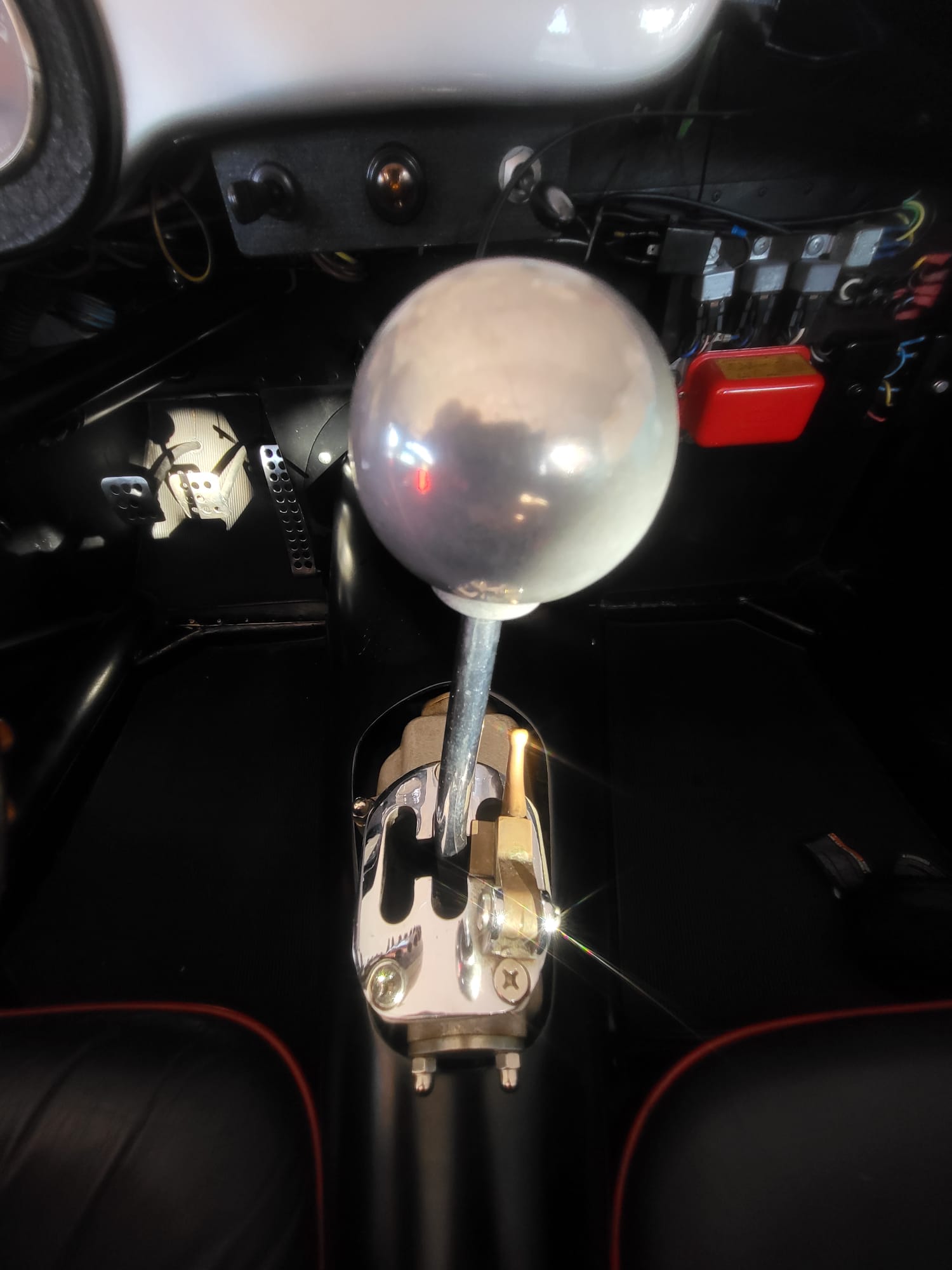
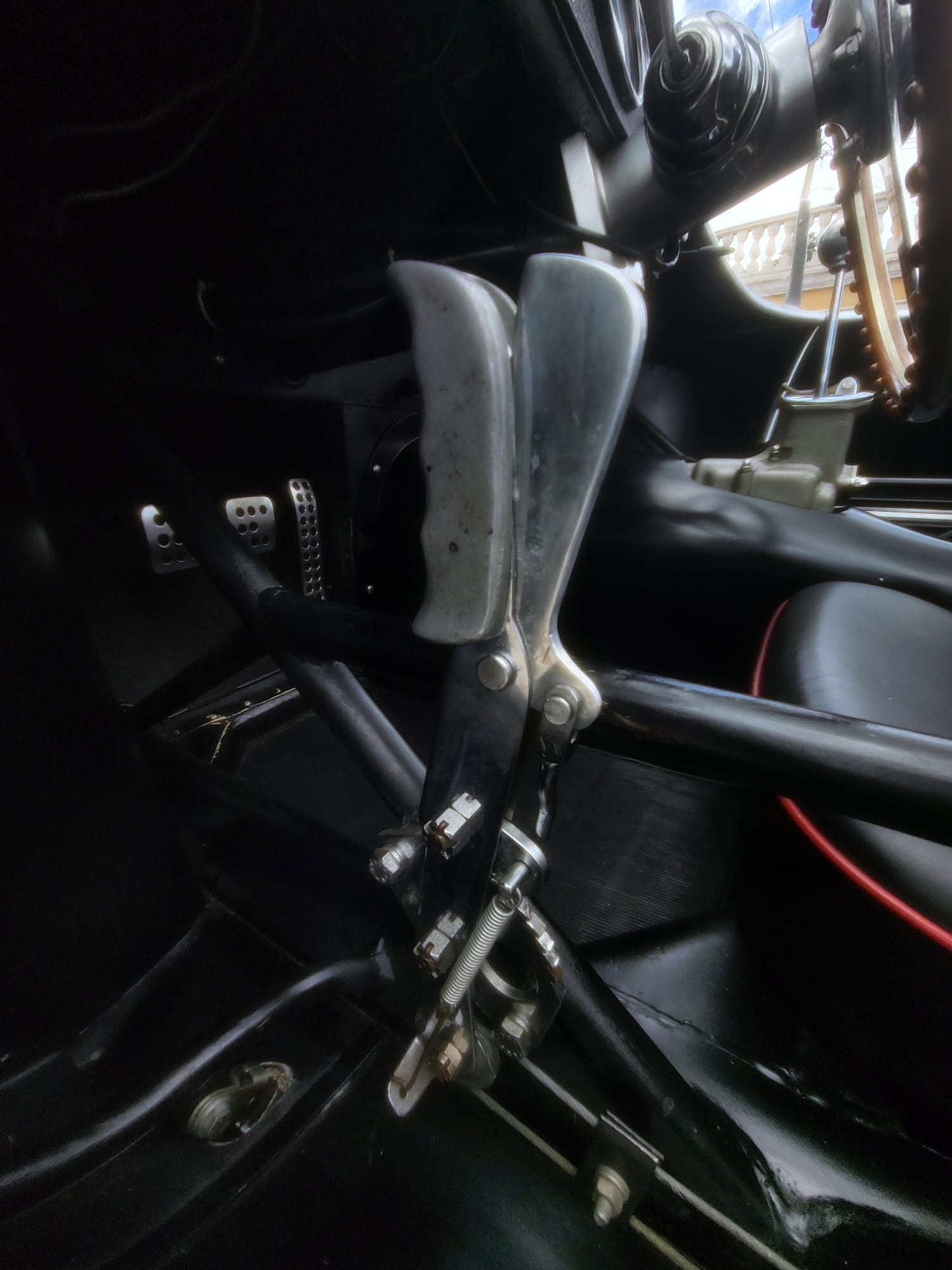
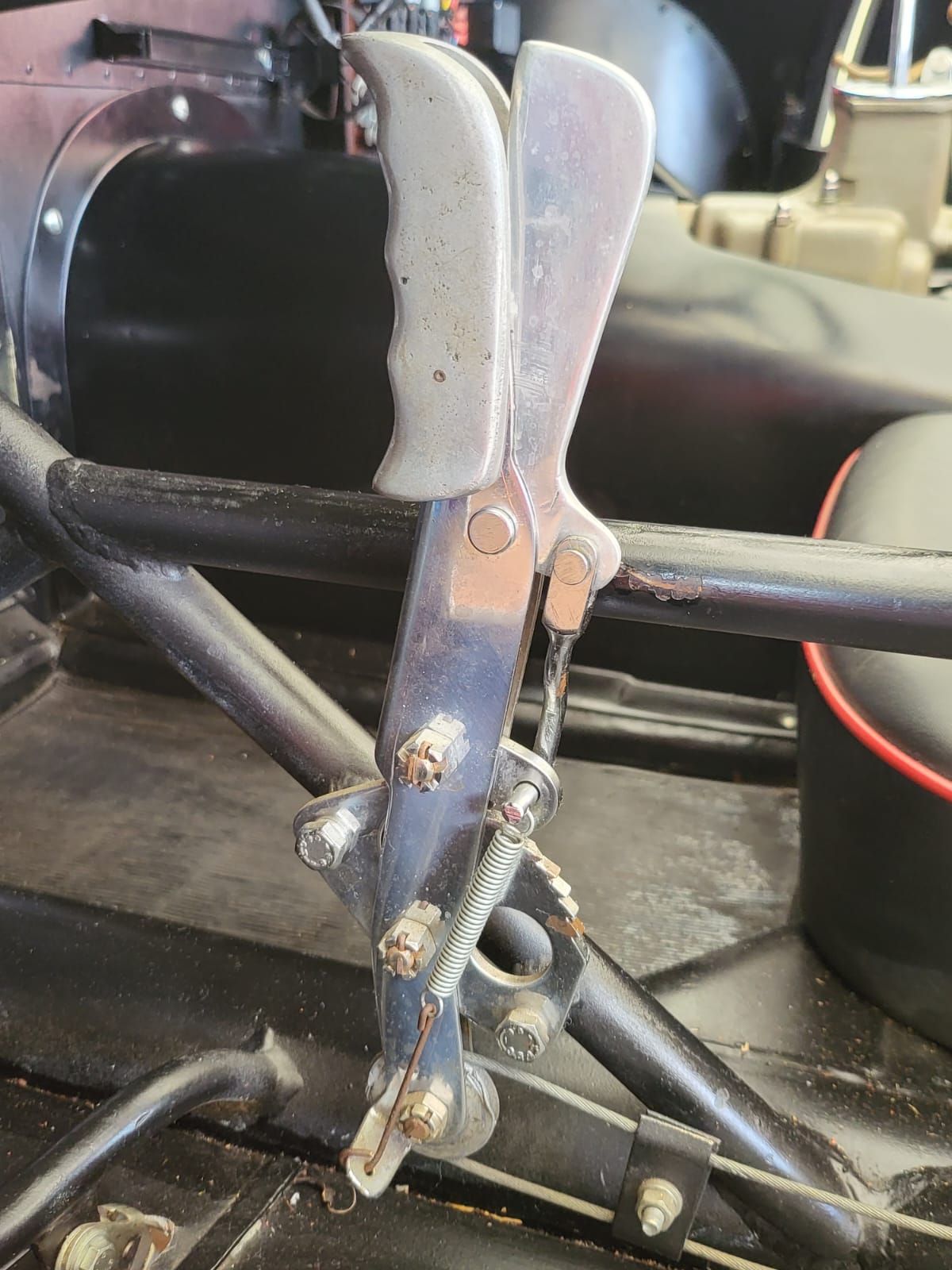
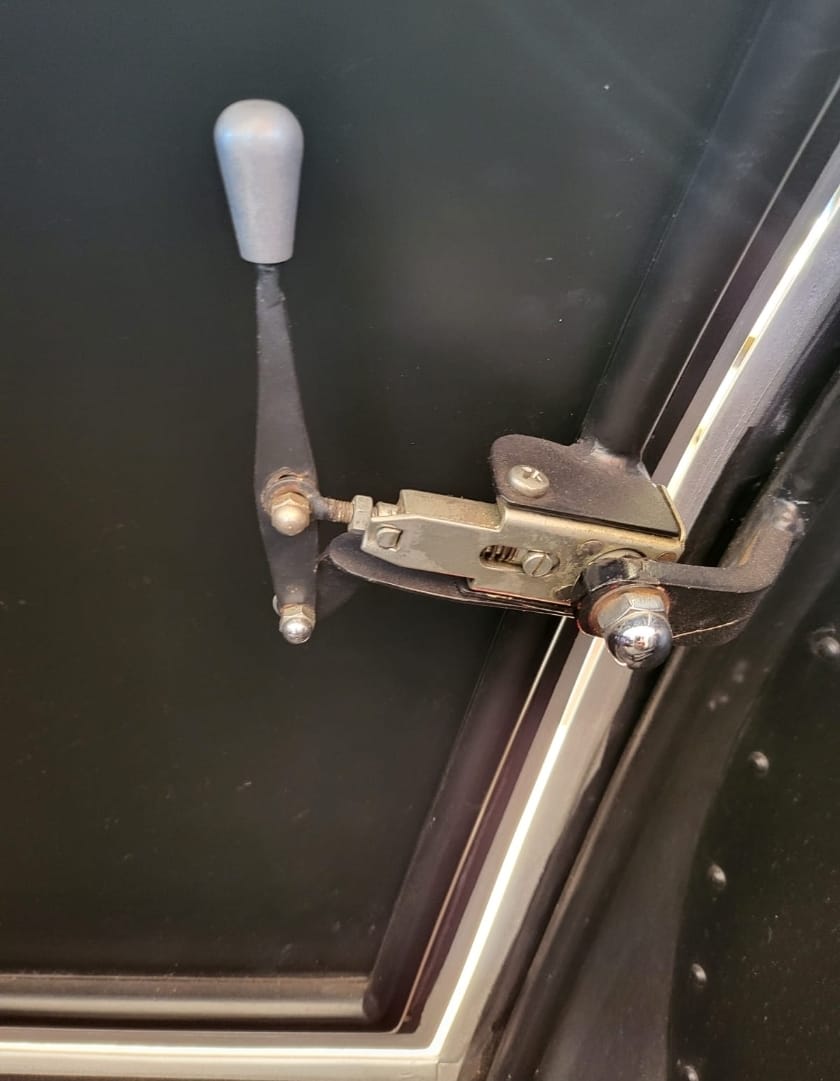
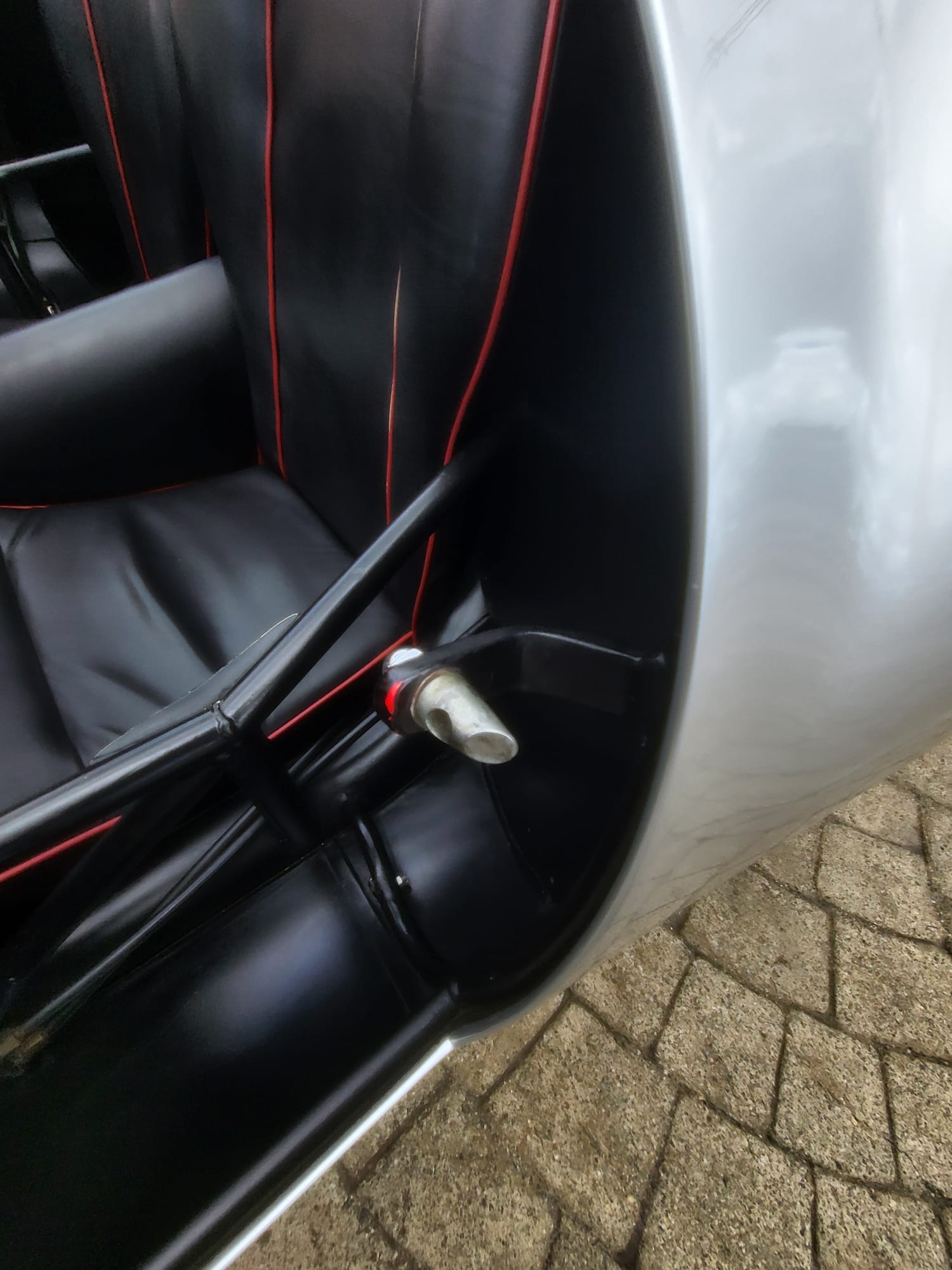
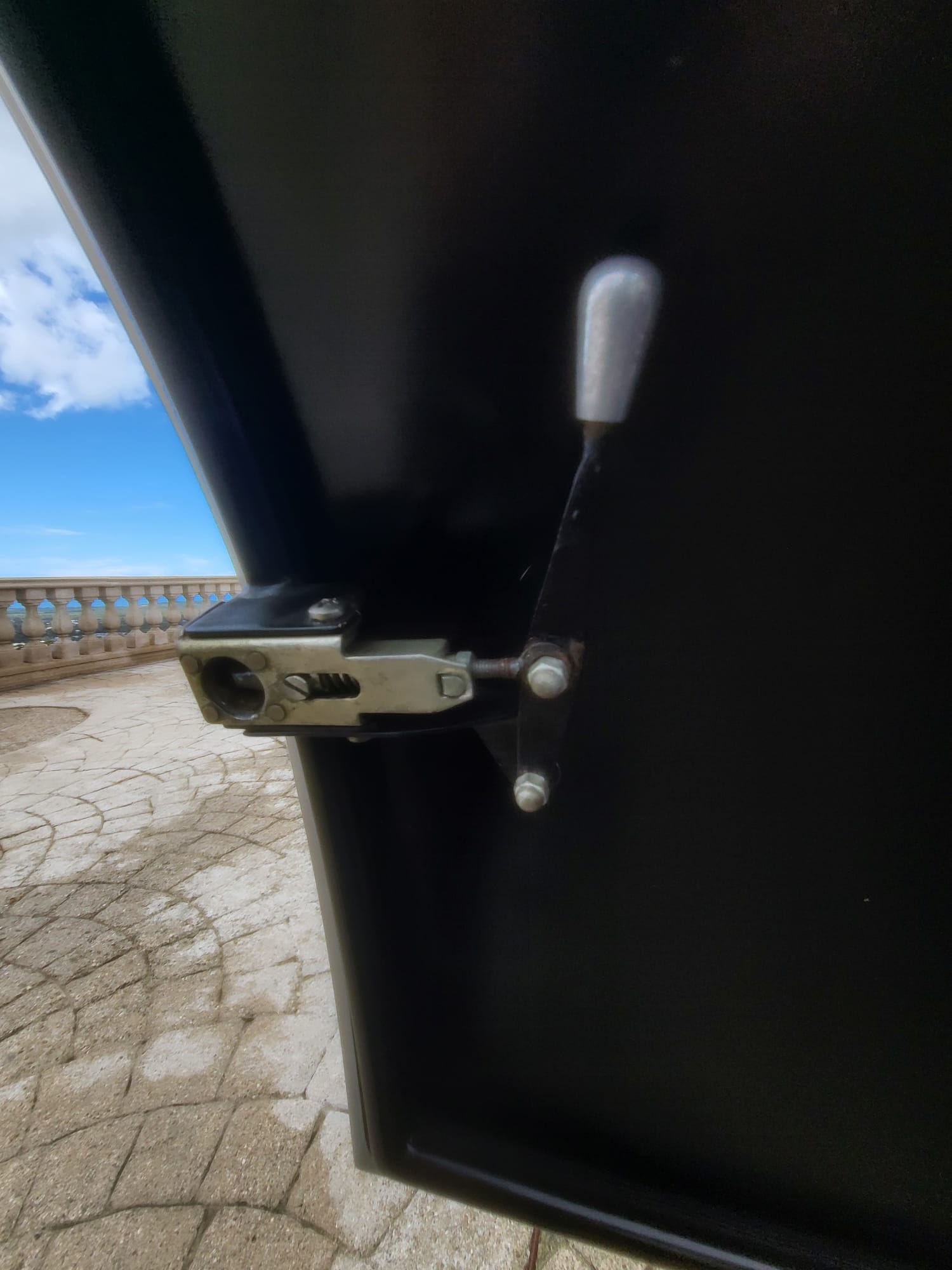
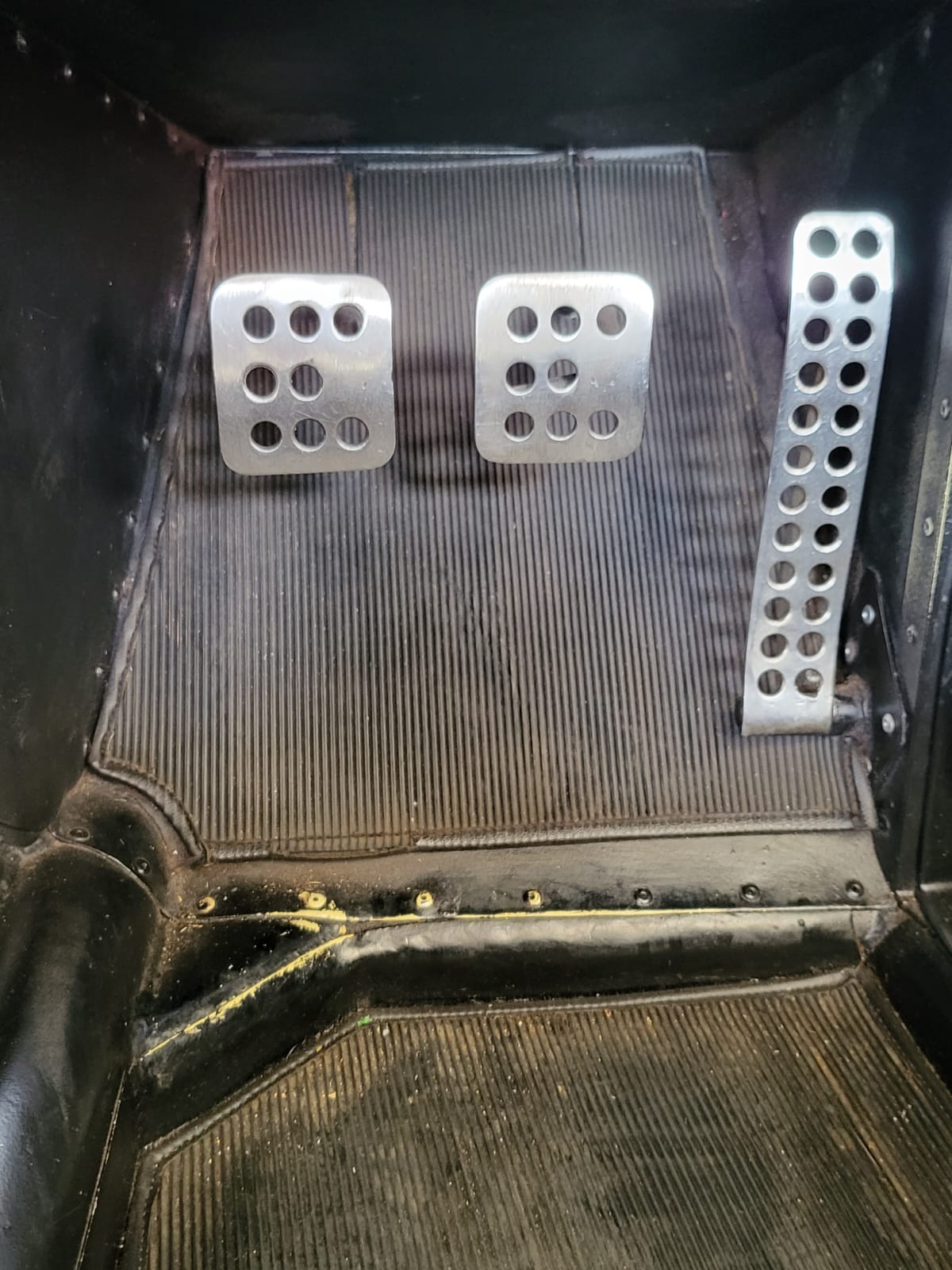
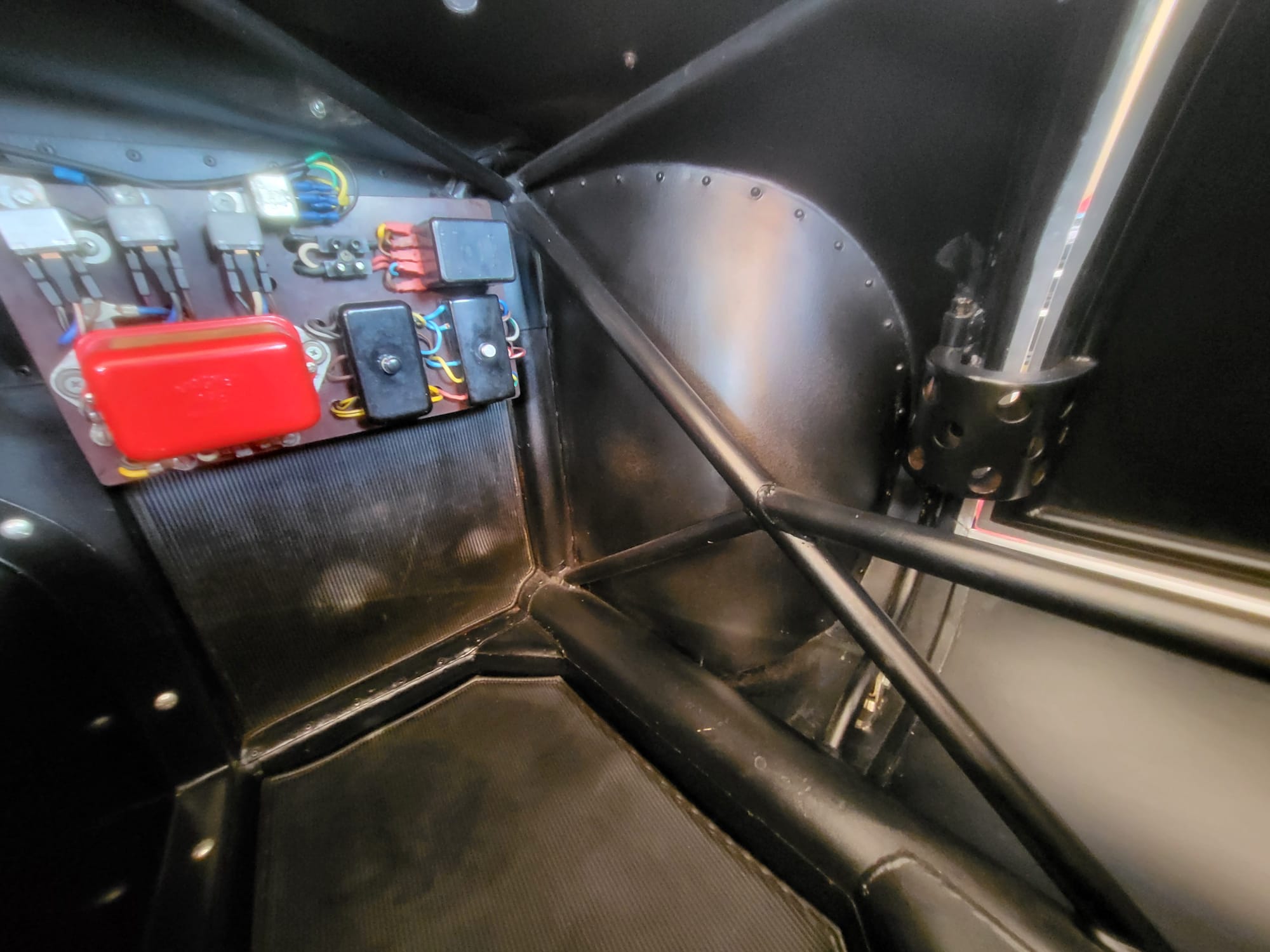
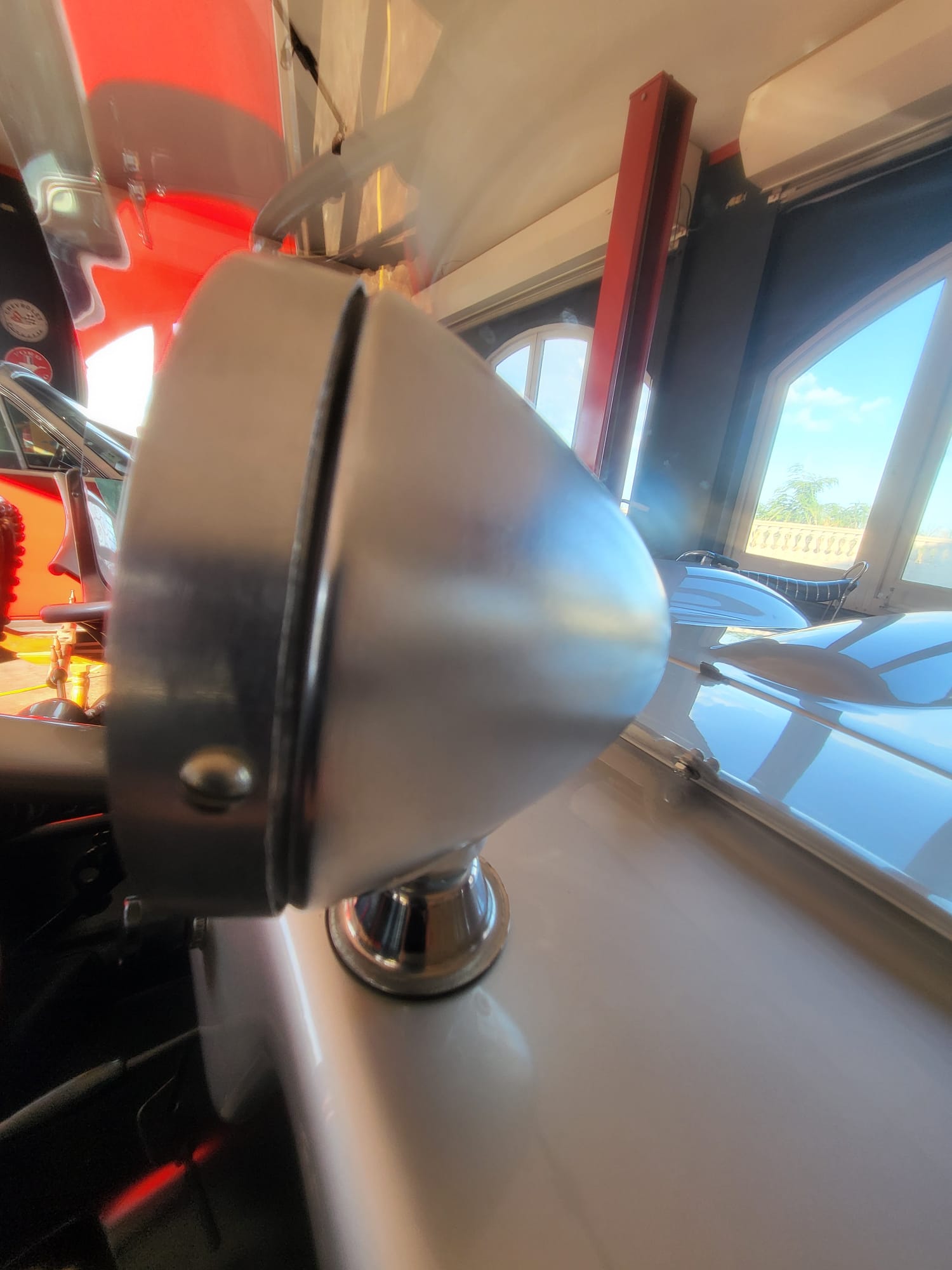
Moving to the interior, the left-hand-drive cockpit is sparse in the manner of a period competition car — which is to say, exactly as it should be. The (optimistic) 10,000 rpm Jaeger tachometer is a duplicate of the original, while the supporting SACMA-MILANO water temperature, oil temperature, oil pressure, and fuel level gauges are also perfect duplicates of the originals. The wood-rimmed steering wheel and light switch are period-correct, facing a simple black-finished dash. The fuse and relay board in the passenger’s footwell is both easily accessible and correct to the original. The shifter, the shifter housing, and the reverse lockout are also perfect duplicates. The twin black leather seats, edged in attractive red leather piping, are firm yet comfortable. Secondary frame tubing on both sides of the cockpit stiffens the chassis while providing side protection in (Heaven forbid) an accident. The bullet-style rearview mirror is a period-correct duplicate. The simple but efficient door-opening handle, the emergency brake handle, and the drilled clutch, brake, and gas pedals are also perfect duplicates of the originals. The overall presentation is of a user-friendly cockpit, perfect for a multi-state tour or a short run to your local Cars & Coffee, built to be used — not admired from behind a rope — which is entirely the point of a car like this.
MECHANICALS
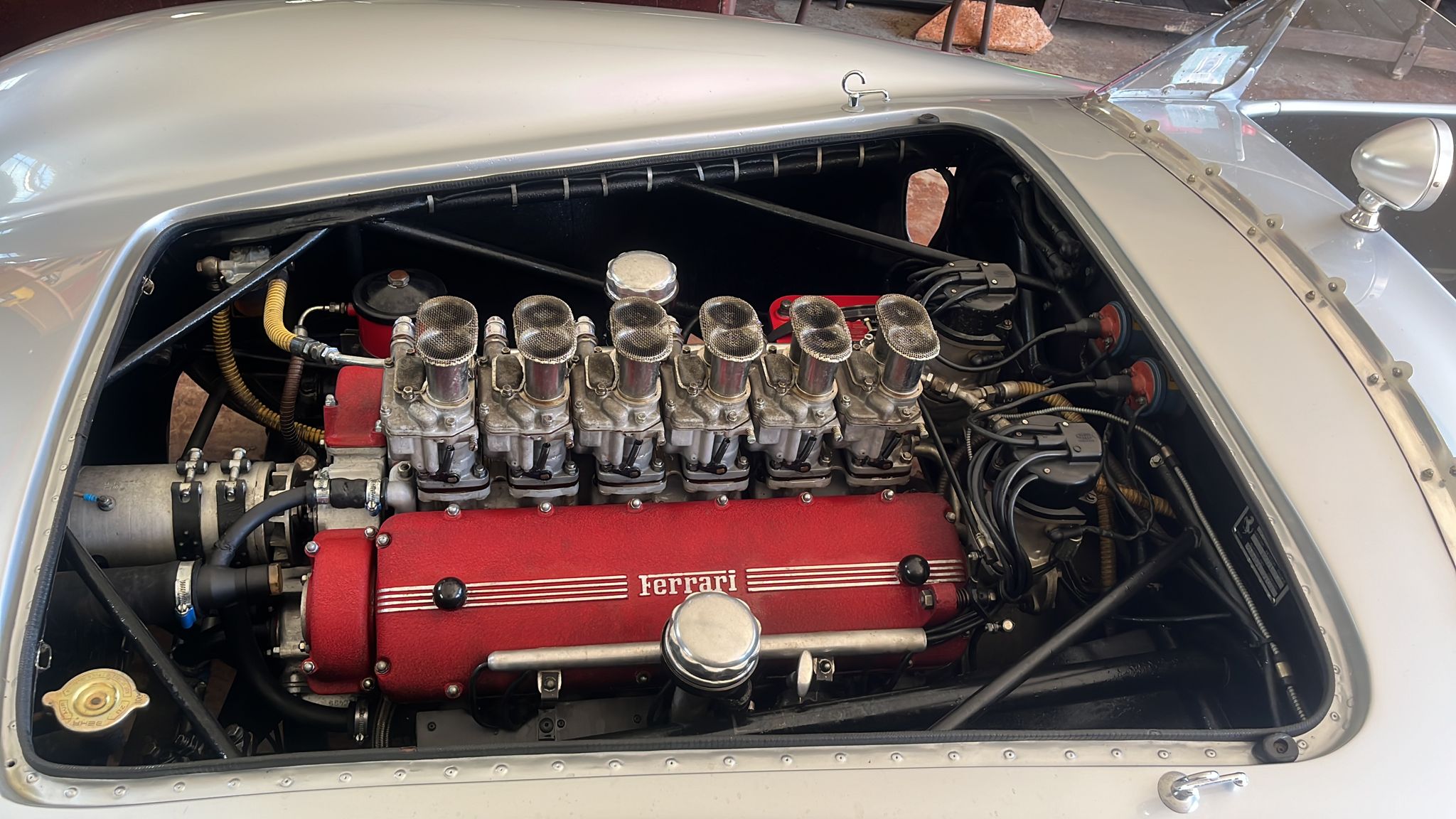
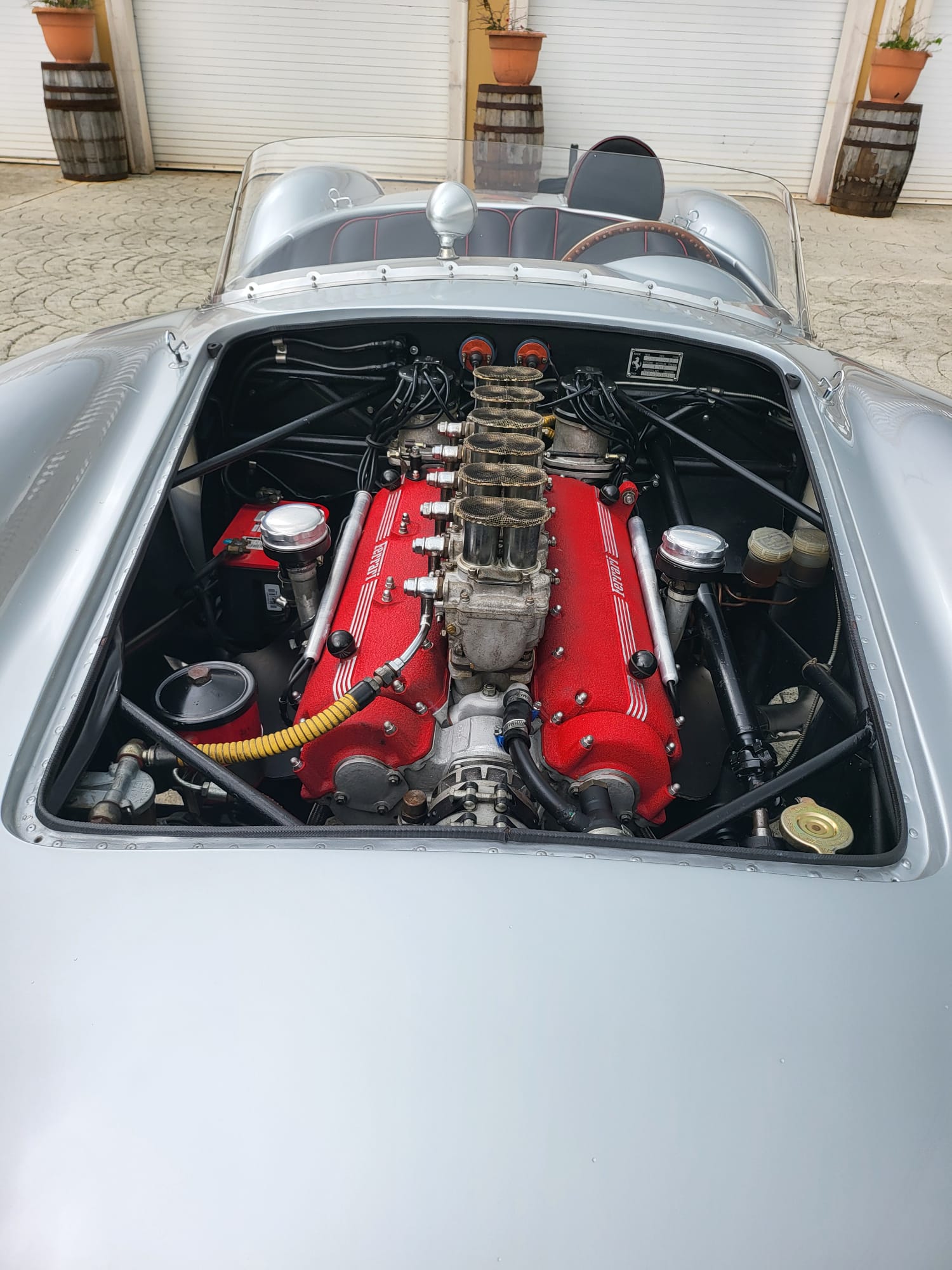
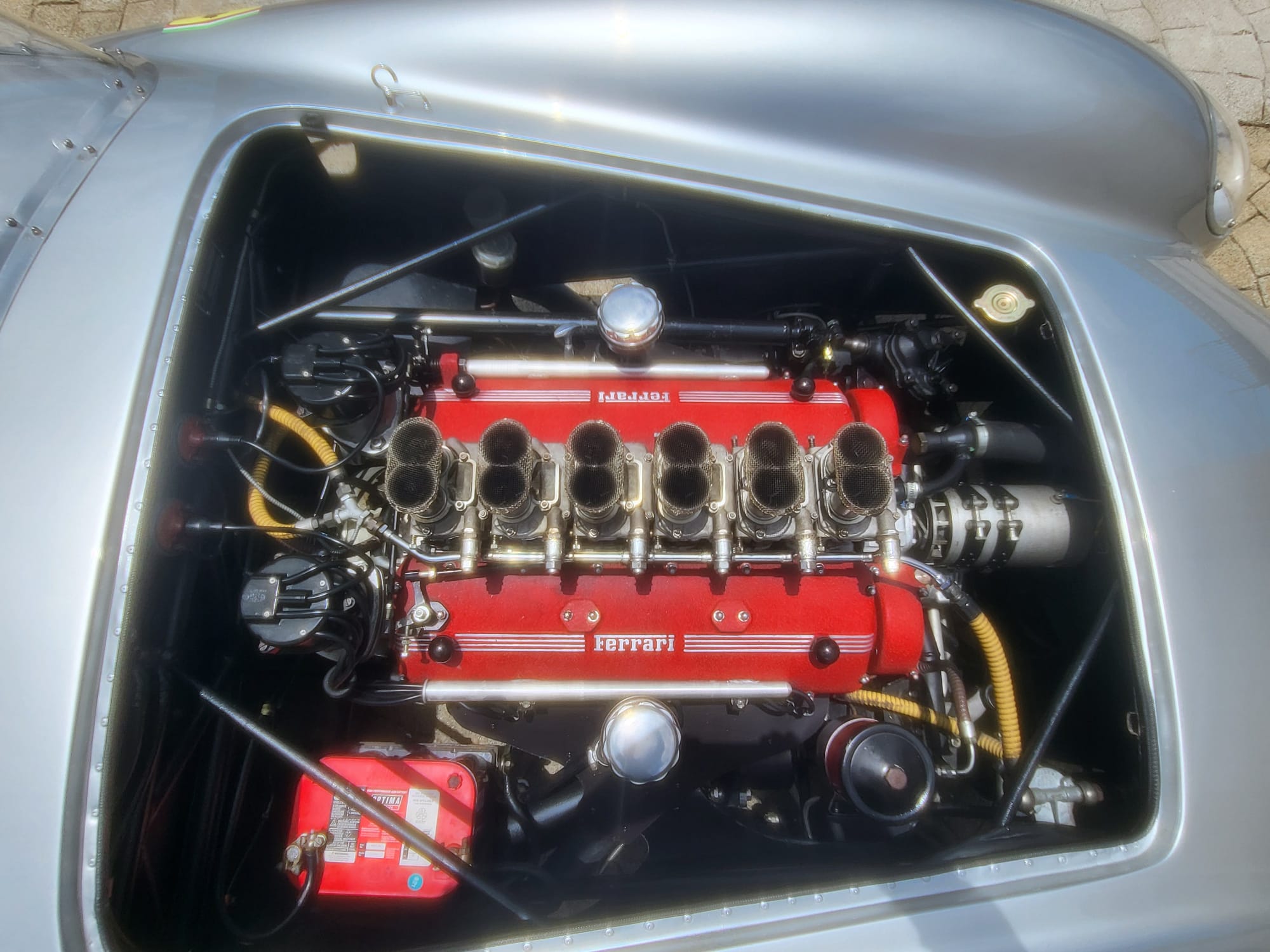
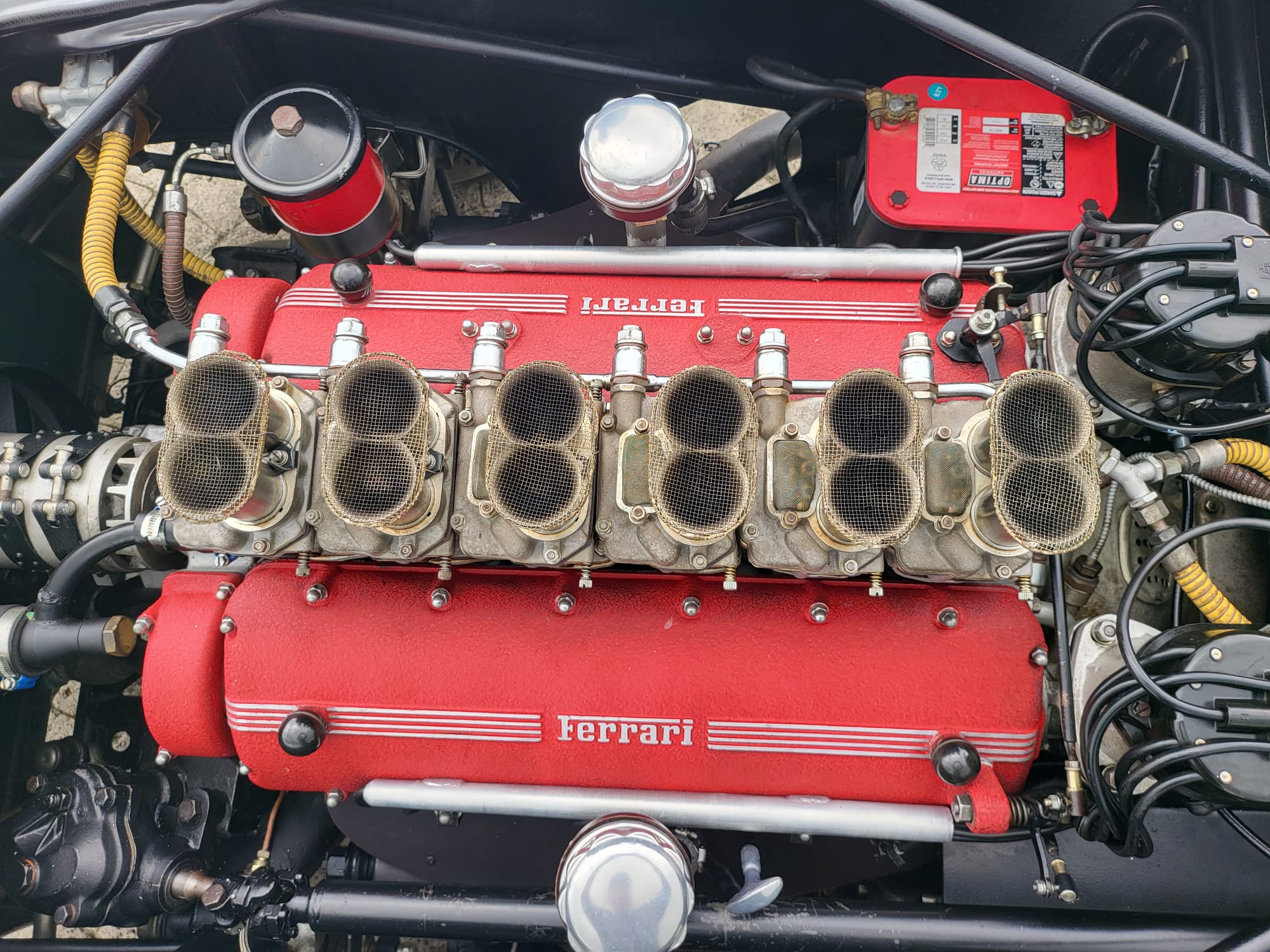
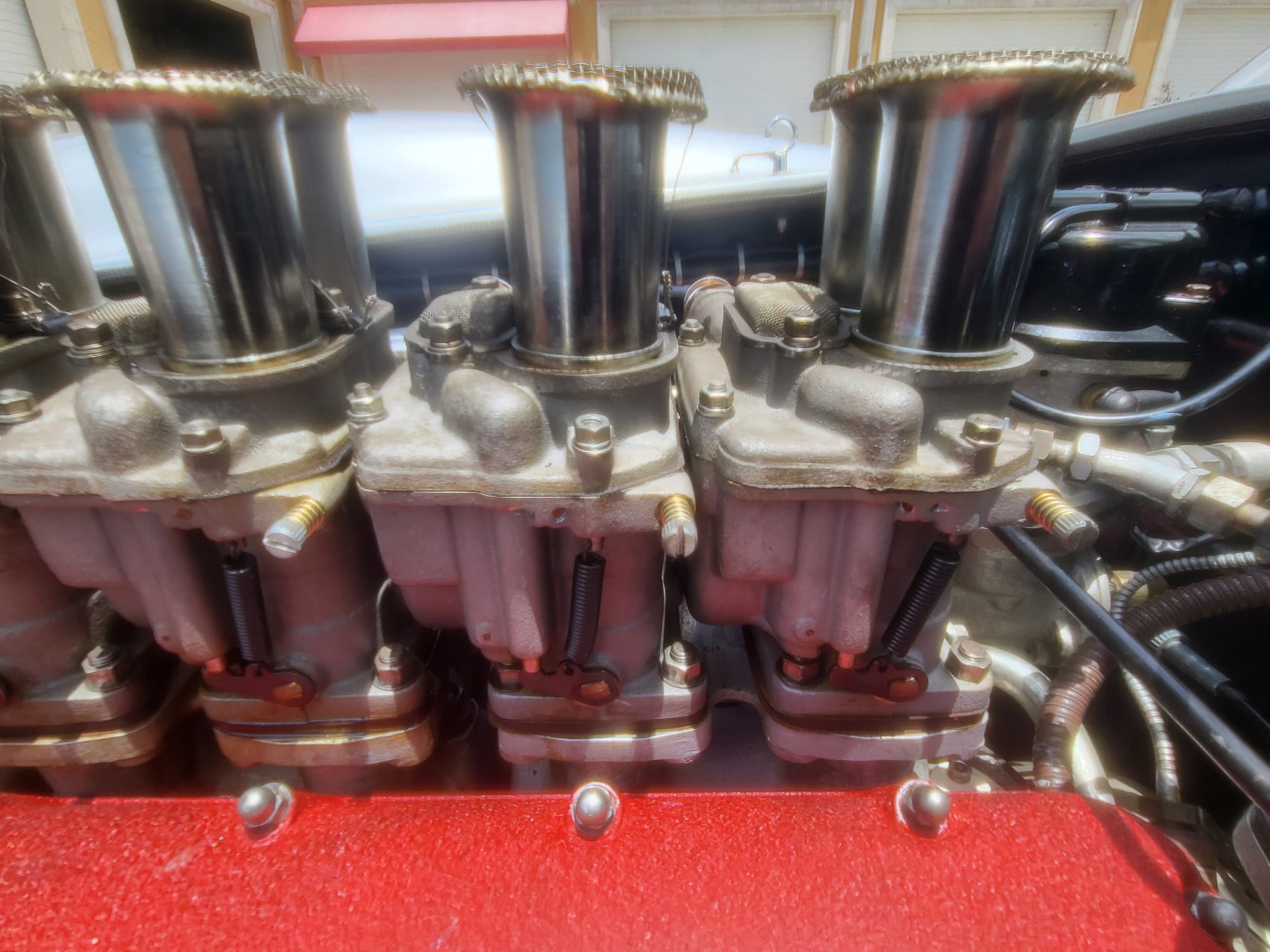
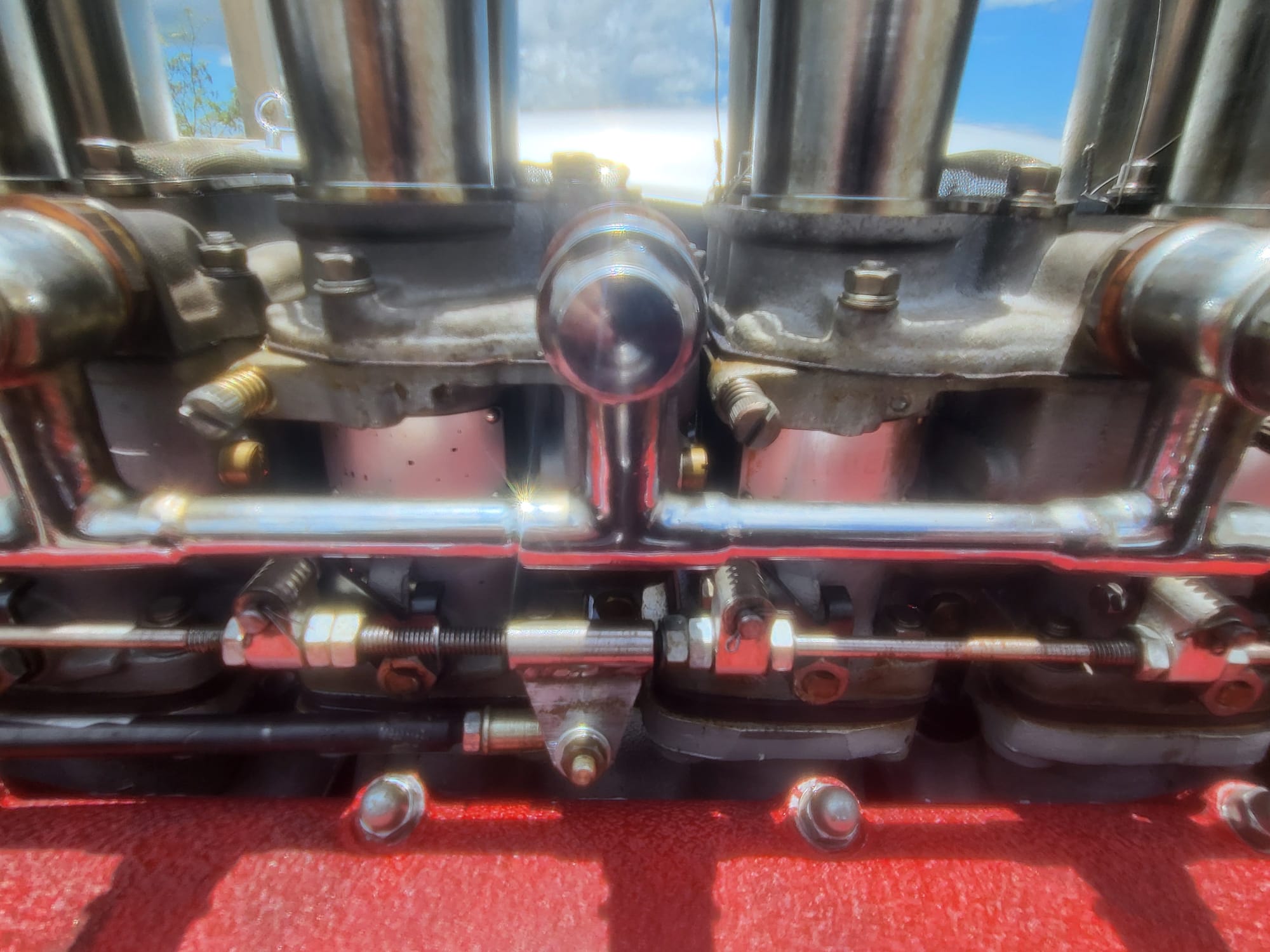
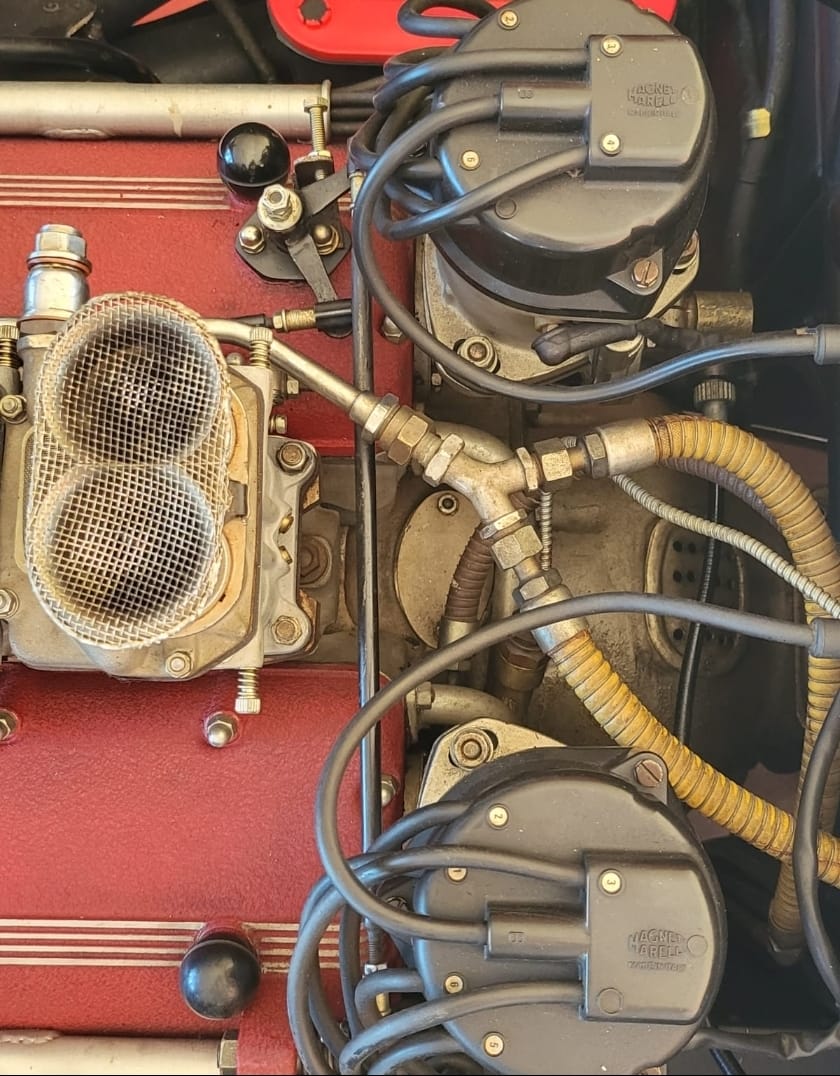
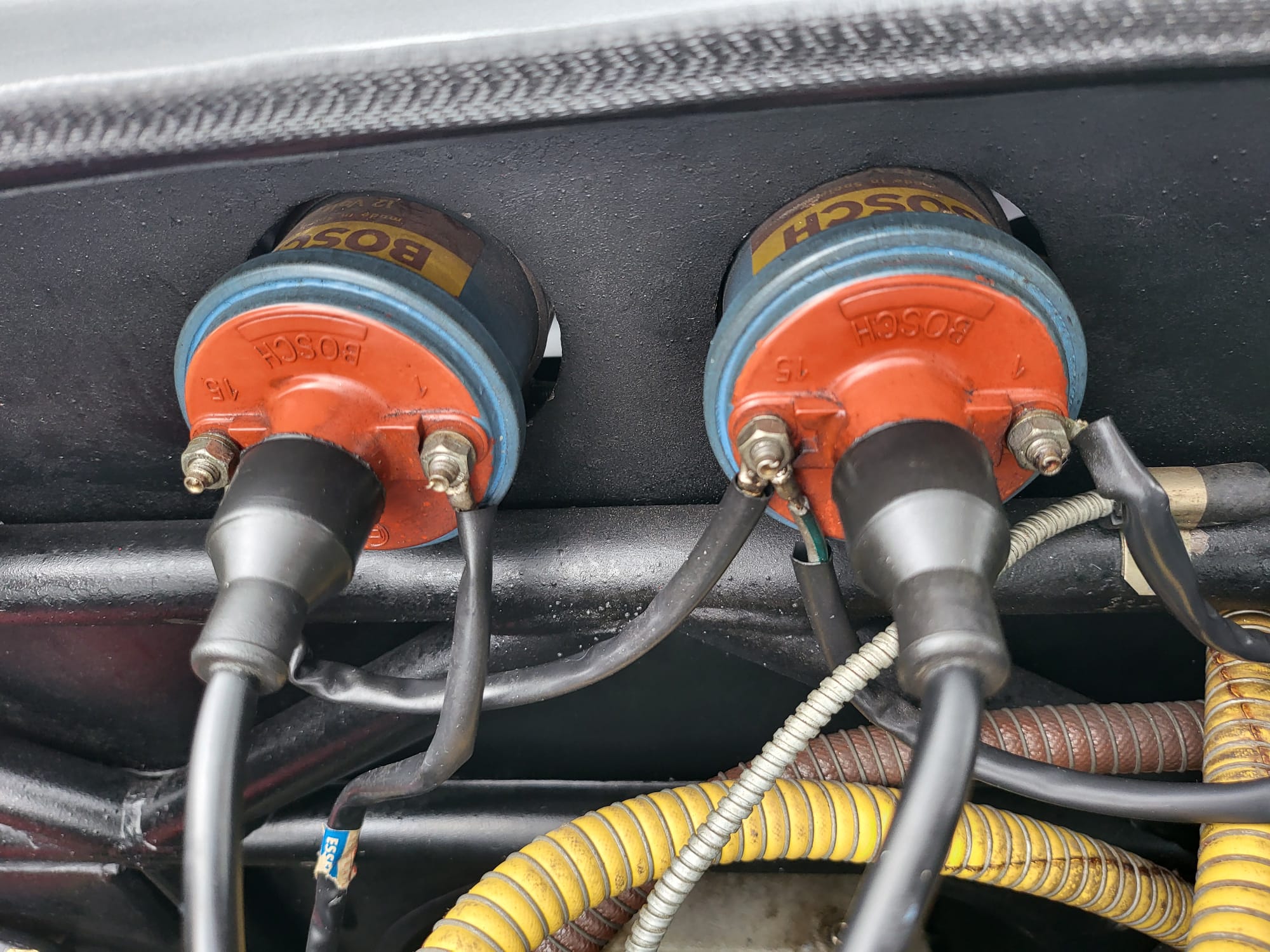
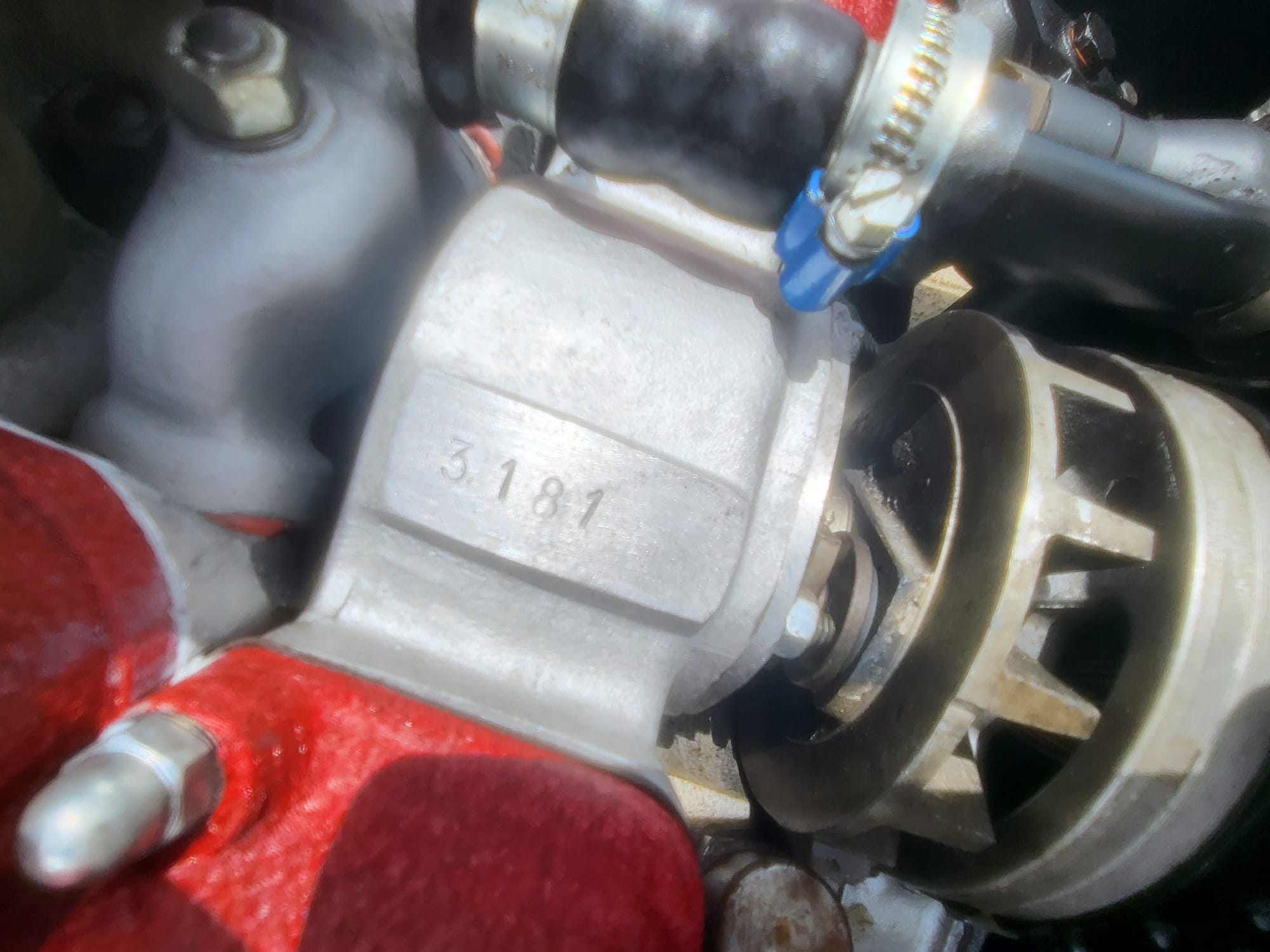
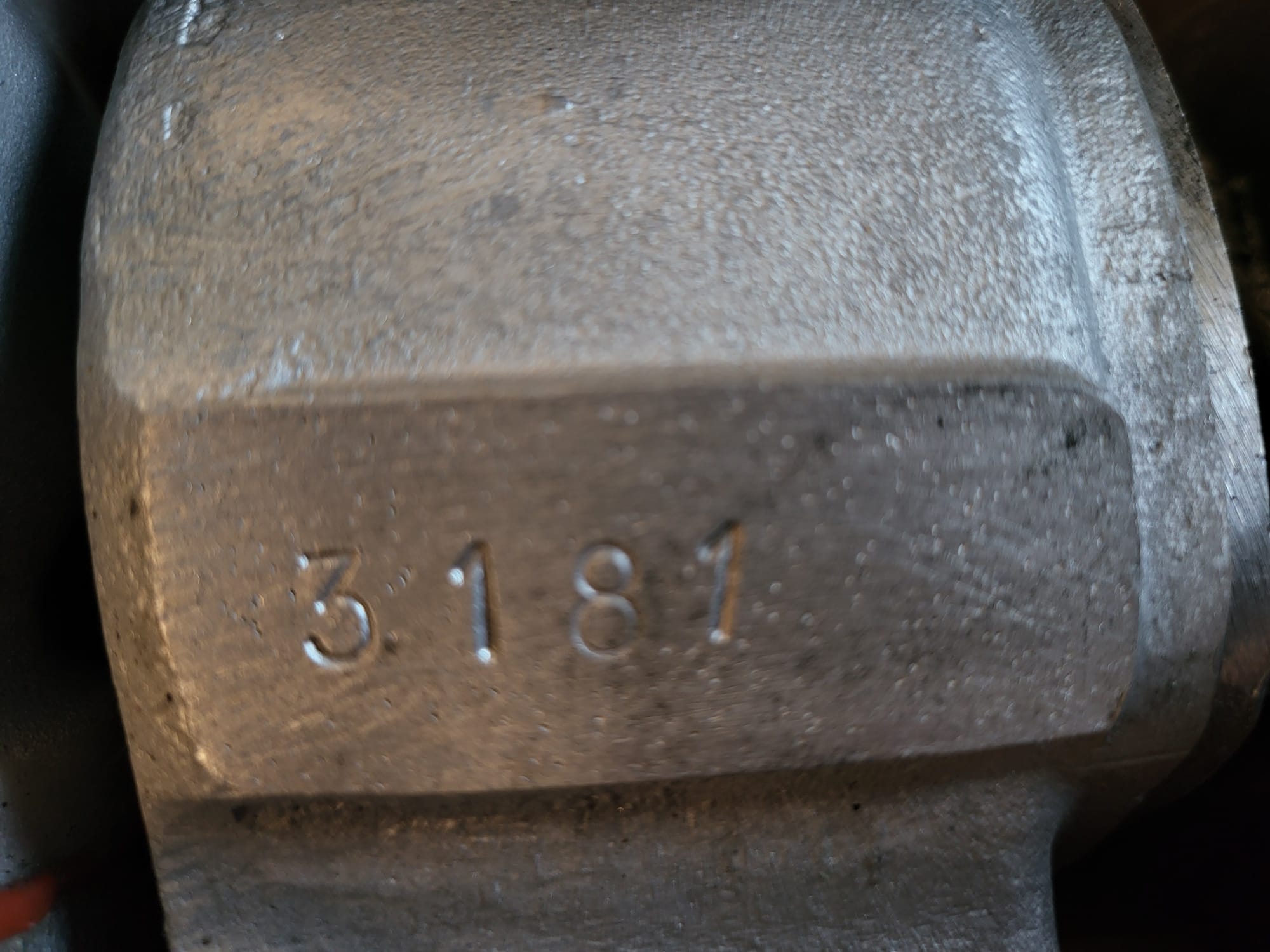
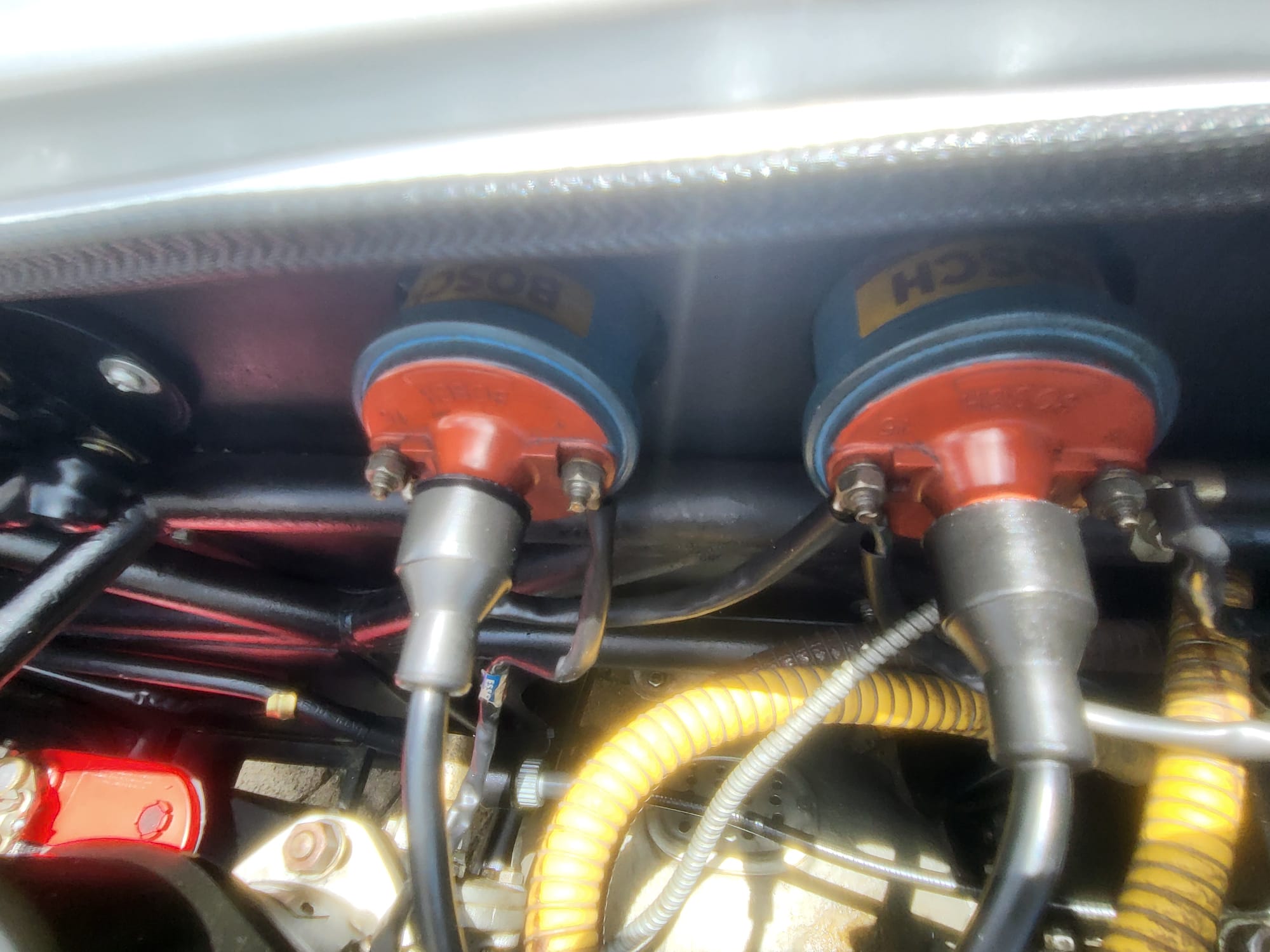
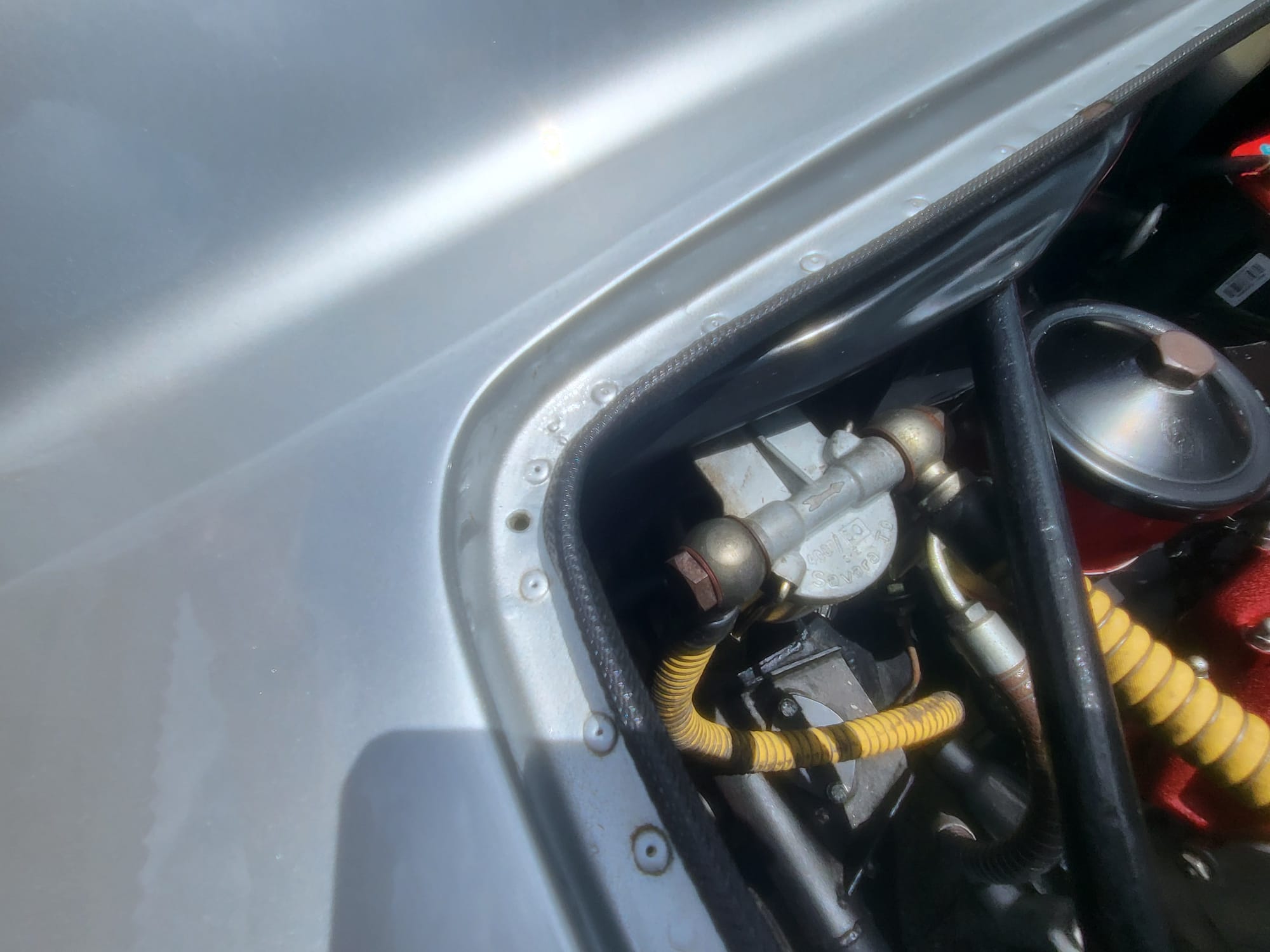
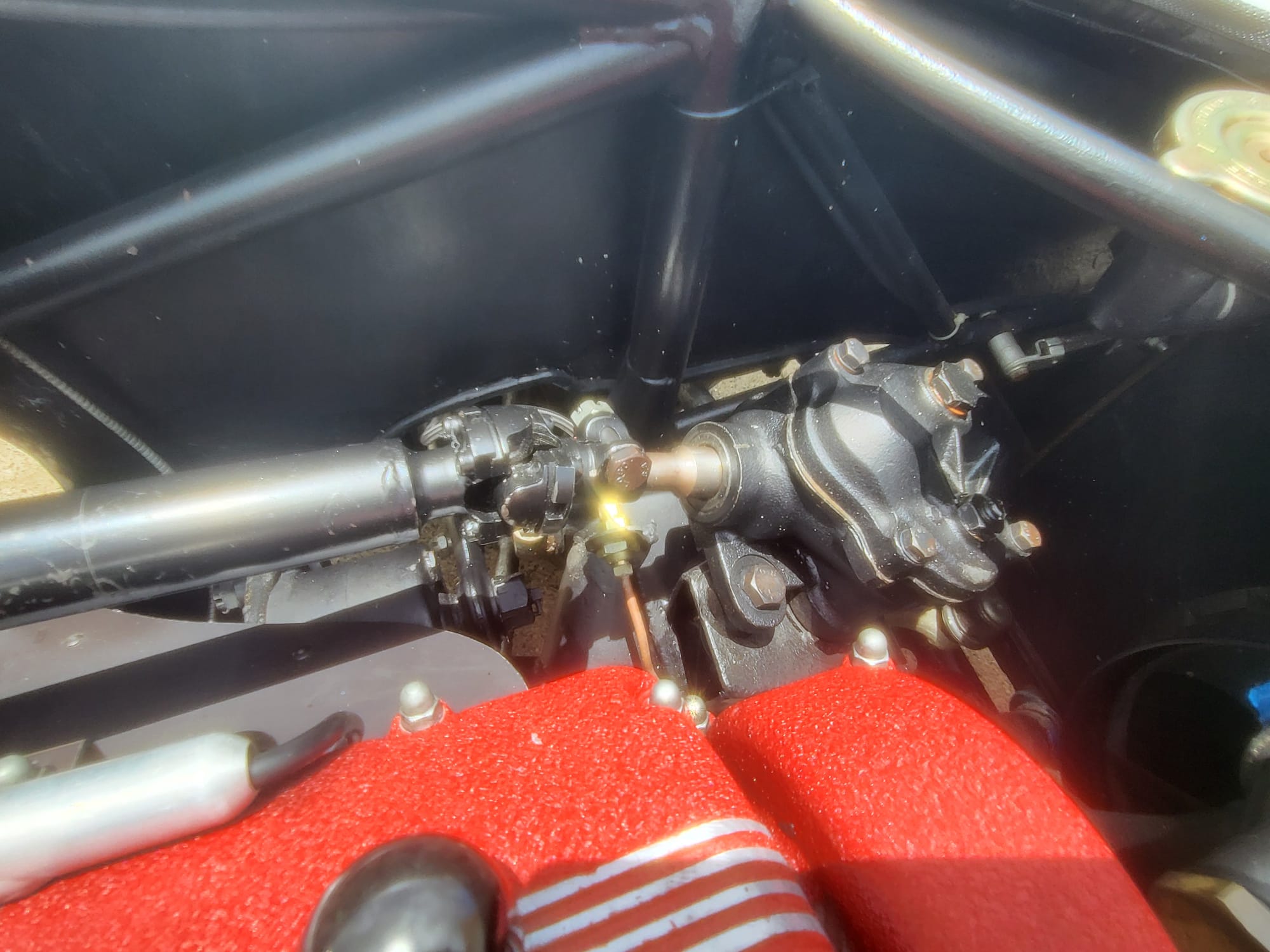
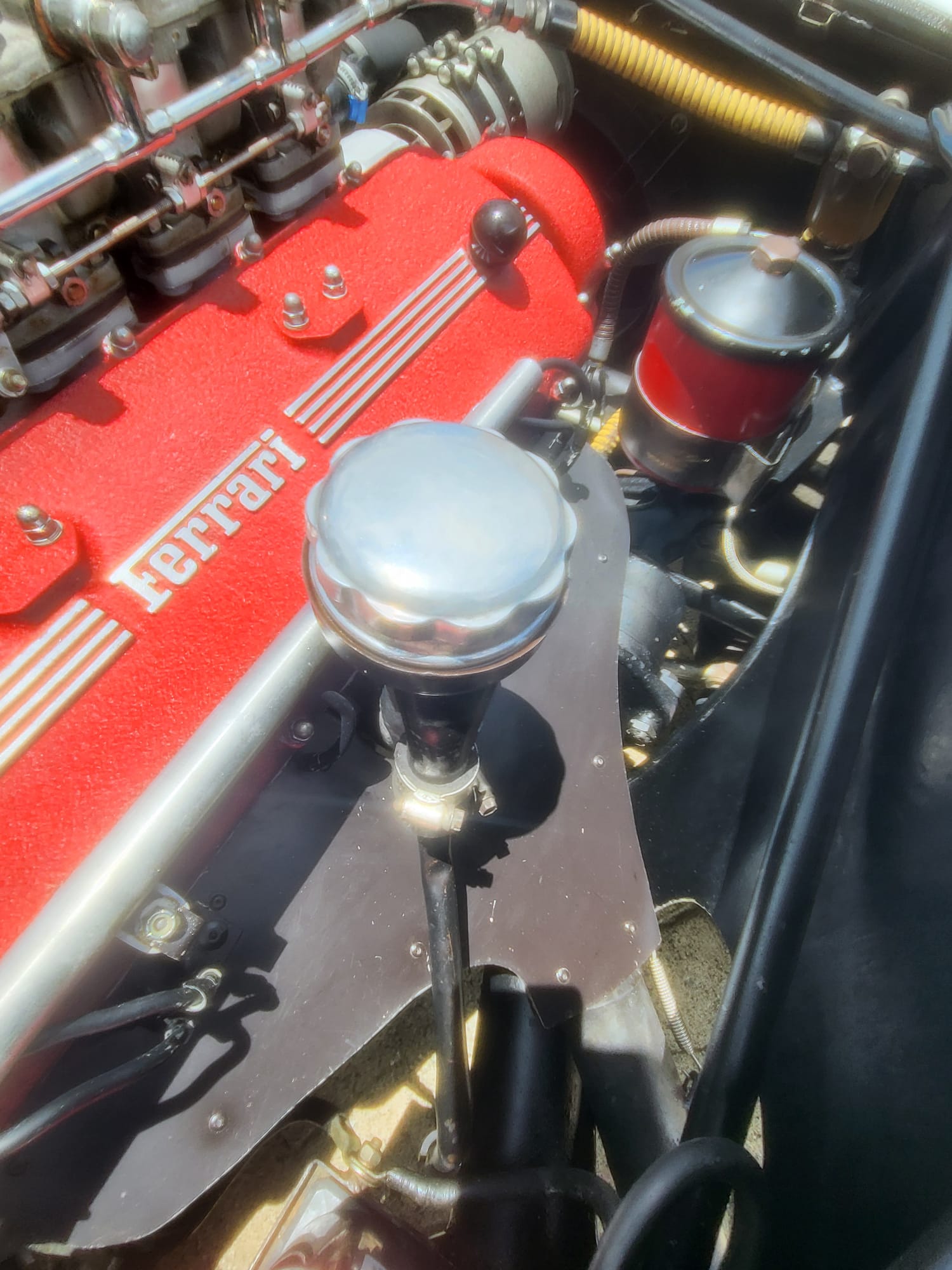
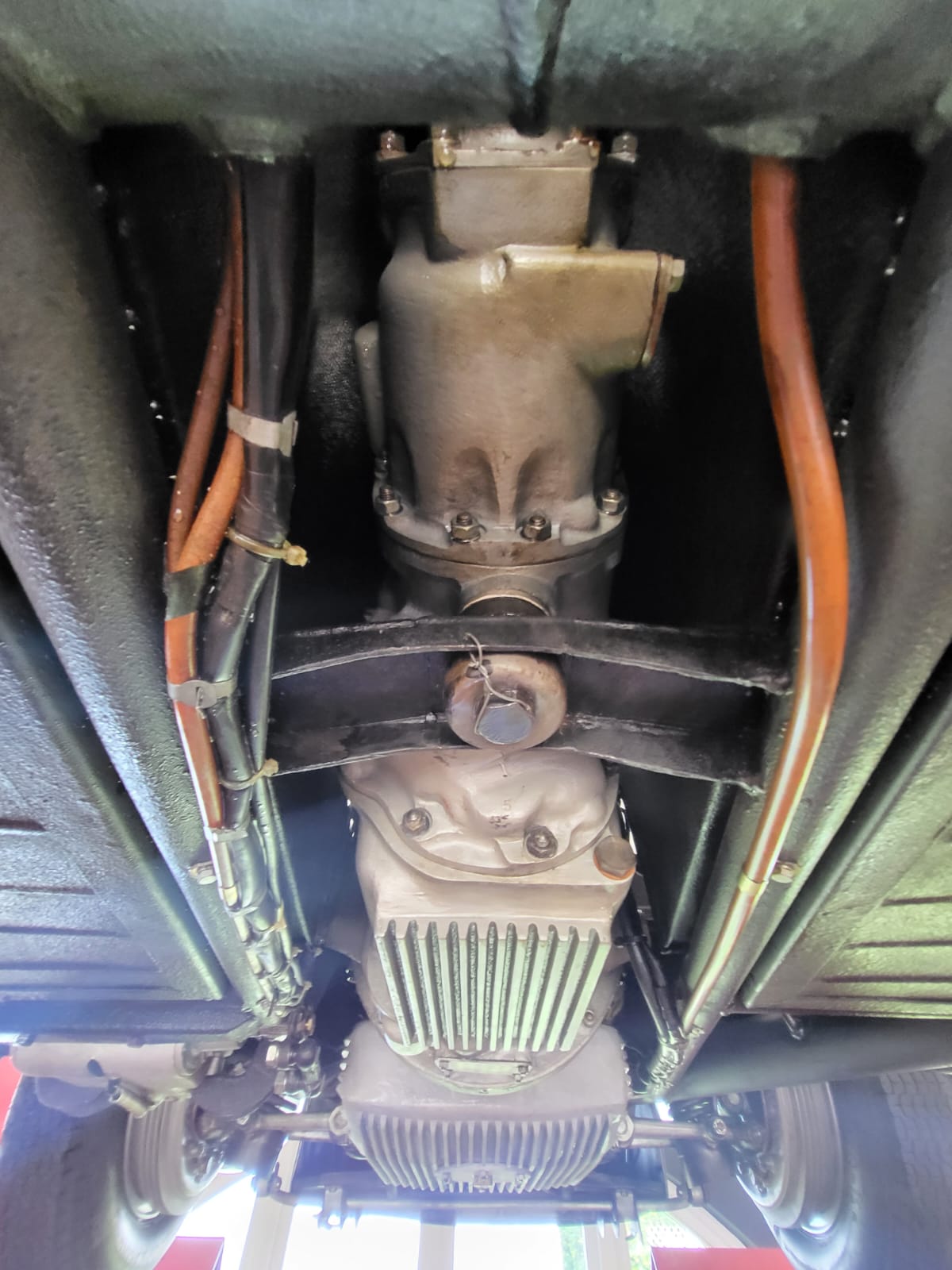
The Ferrari 3.0-liter Colombo V12 engine #3181 and matching front cover #3181 are the correct powerplant for the 250 series, configured to Testa Rossa specification. Six dual-barrel Weber 38 DCN carburetors are topped by twelve individual chromed velocity stacks with mesh screens, and the red-painted cam covers — the “red heads” from which the car takes its name — crown an engine bay that is visually spectacular and mechanically correct. Impressive attention to detail and originality is shown in the correct Marelli DB2 front-mounted generator; the Bosch coils; the dual Magneti Marelli distributors with their aluminum plug-wire tubes; the period-correct remote oil filter; the original fuel filter; and the correct yellow-wound fuel lines. The engine bay is framed with the correct tubular bracing at all four upper corners of the hood opening. A modern electric fan and housing are fitted to keep her cool in traffic. Output is quoted at approximately 300 horsepower at 7,200 rpm, consistent with the original cars’ factory rating. The V12 is backed by an easy-shifting duplicate alloy ribbed-case four-speed manual gearbox. The engine bay is clean and well-organized, the carburetor installation correct in number and specification, and the overall mechanical presentation is among the more convincing aspects of this car.
FUEL TANK AND FILLER
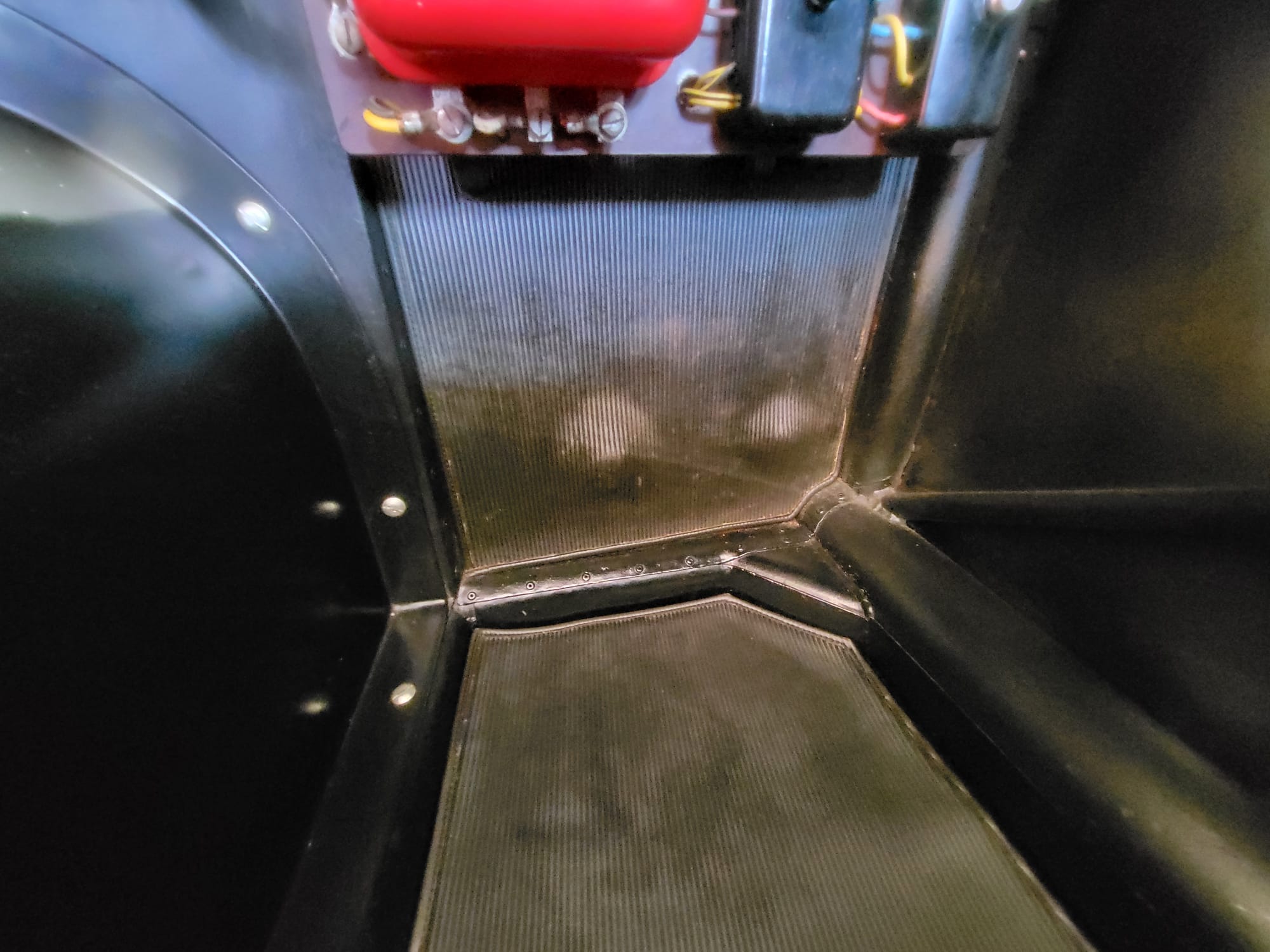
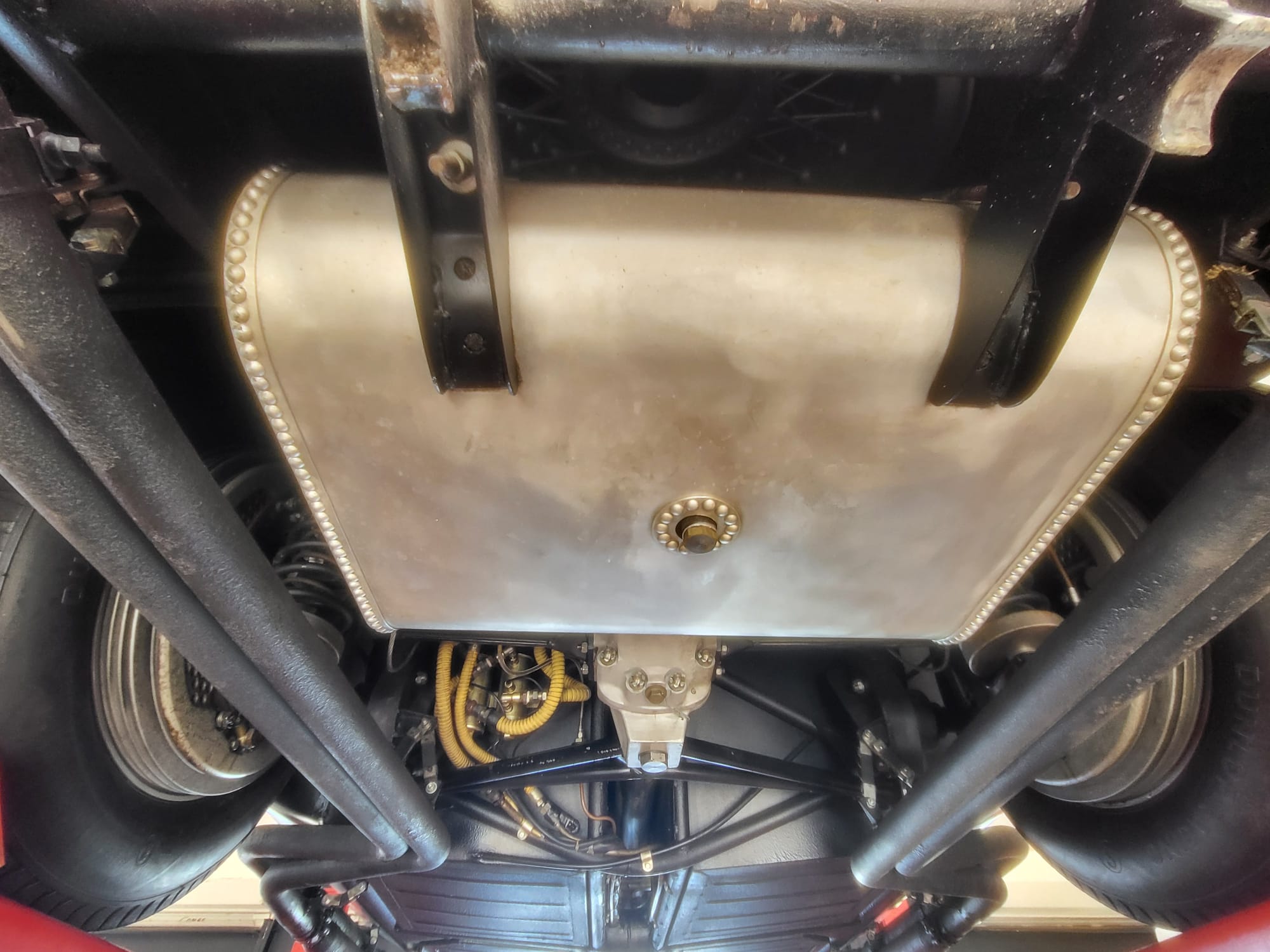
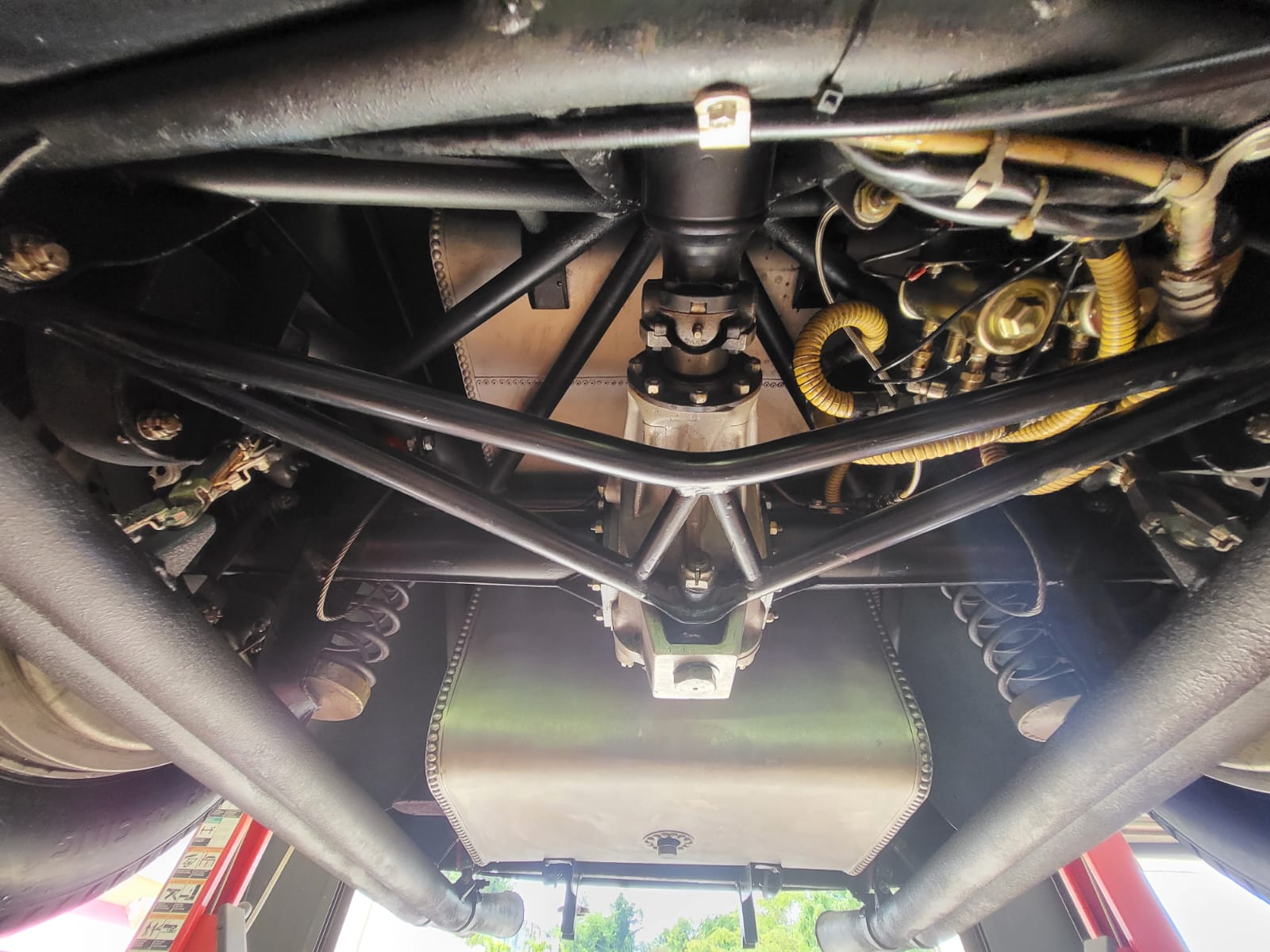
The rear, or trunk area, is almost completely filled with a beautifully crafted yet huge 140-liter (37-gallon) alloy riveted fuel tank, as used in period for endurance racing, with a large-mouthed quick filler and quick-release fuel cap accessible for filling through the small door in the headrest. The 140-liter tank is baffled to prevent fuel sloshing, and the baffling also offers a layer of safety from fire should there be an accident. The tank is secured by two wrap-around straps, leaving only a tight fit for the spare wheel and tire behind the fuel tank.
CHASSIS, BRAKES AND SUSPENSION
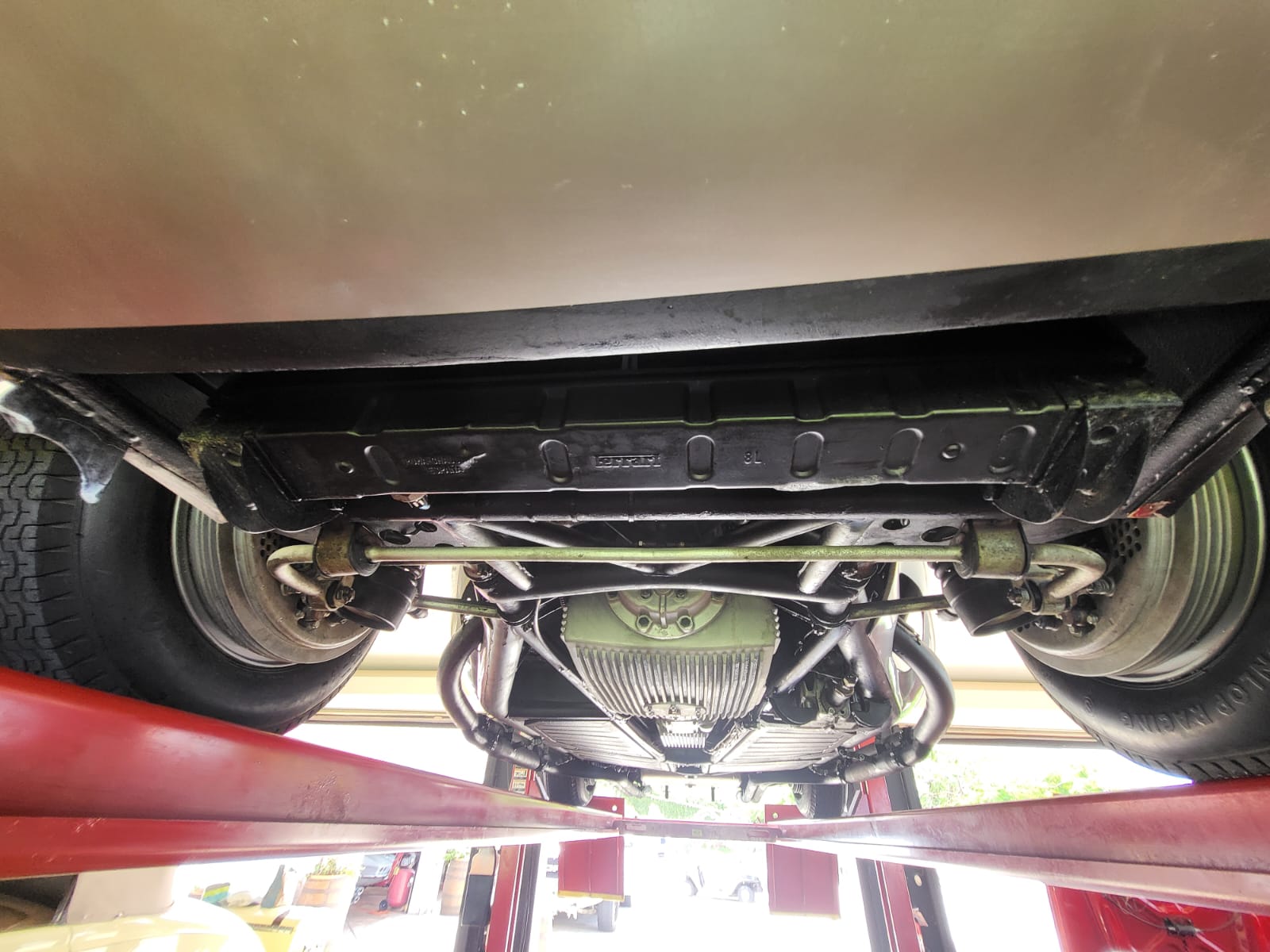
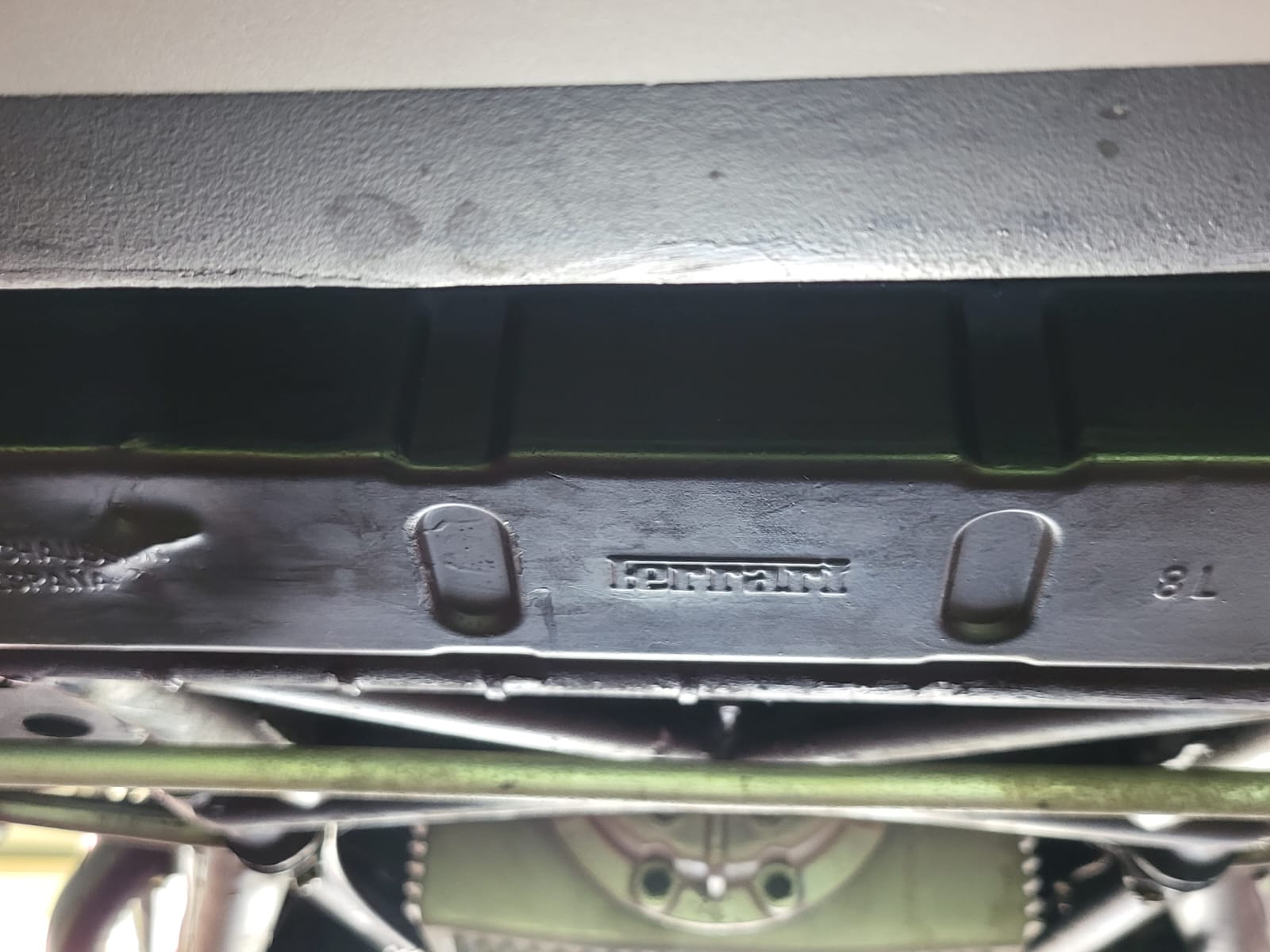
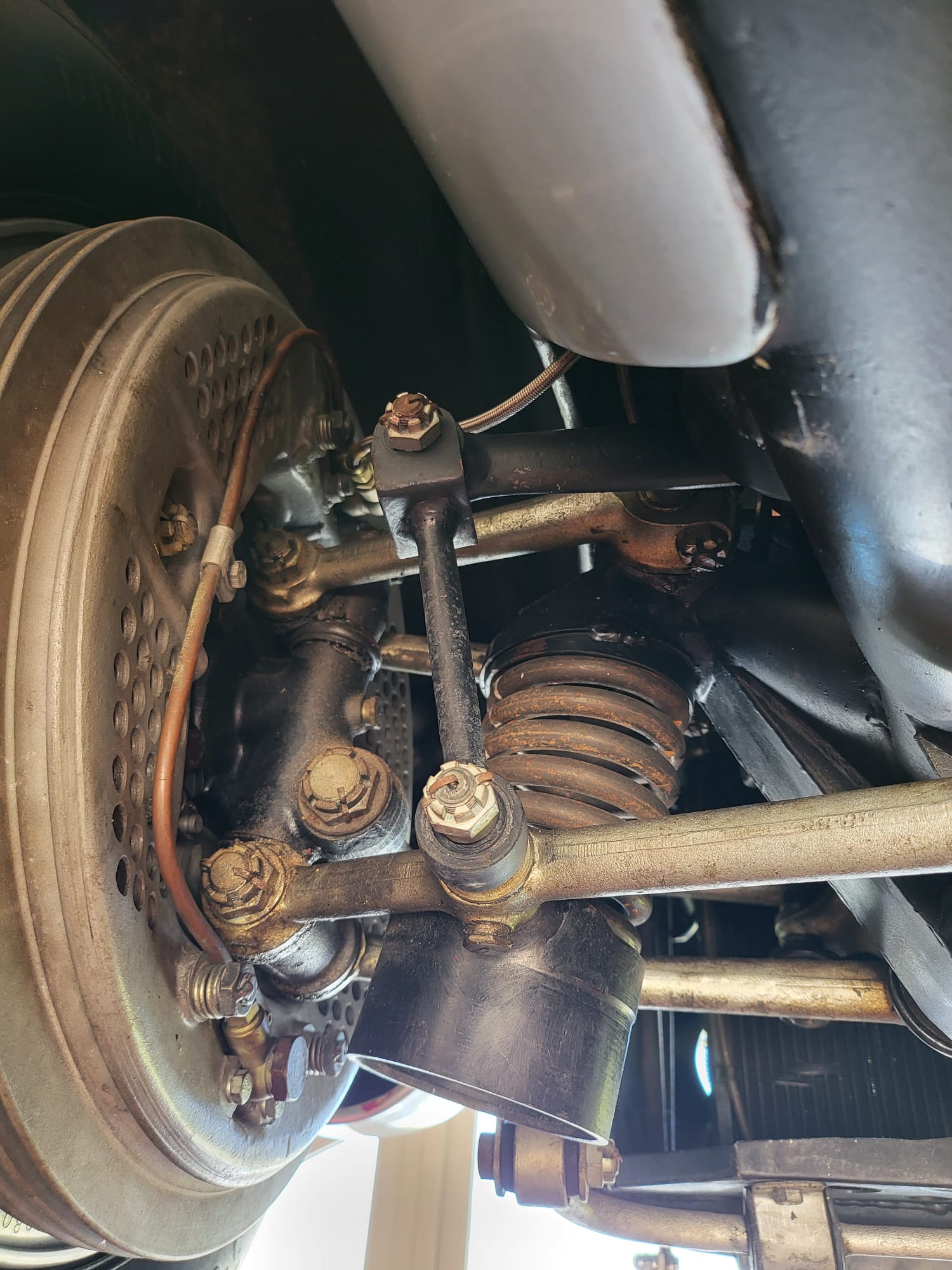
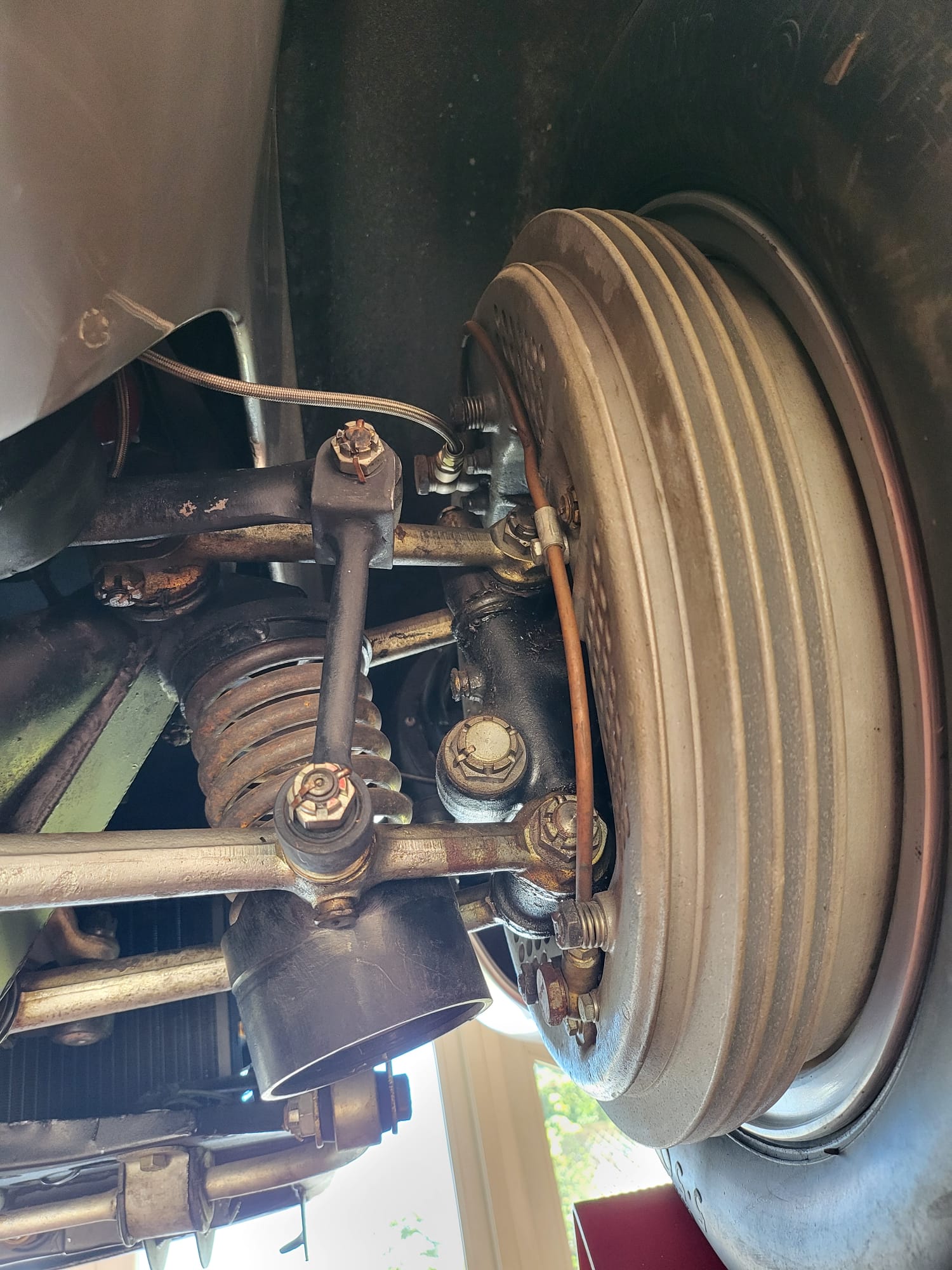
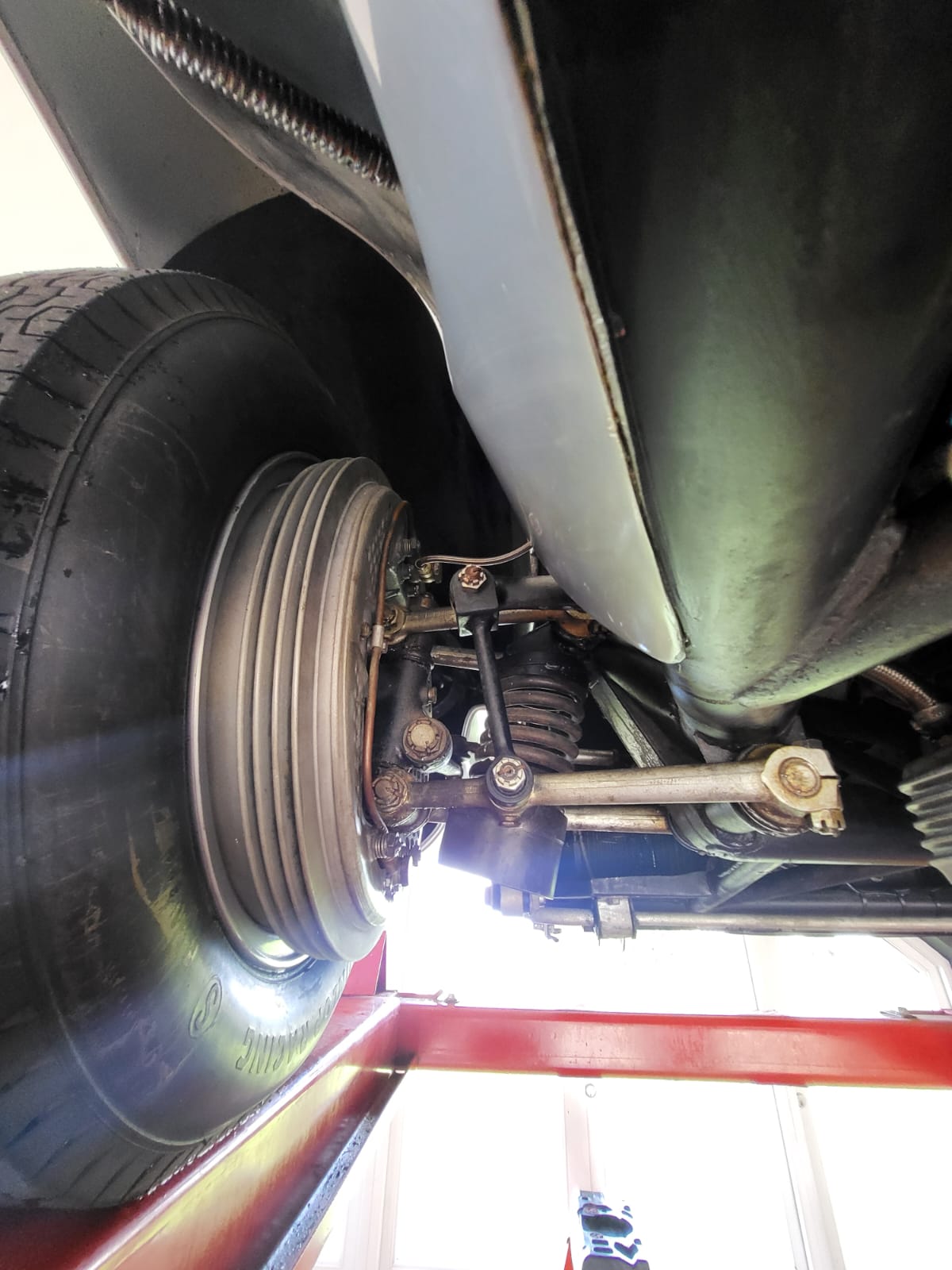
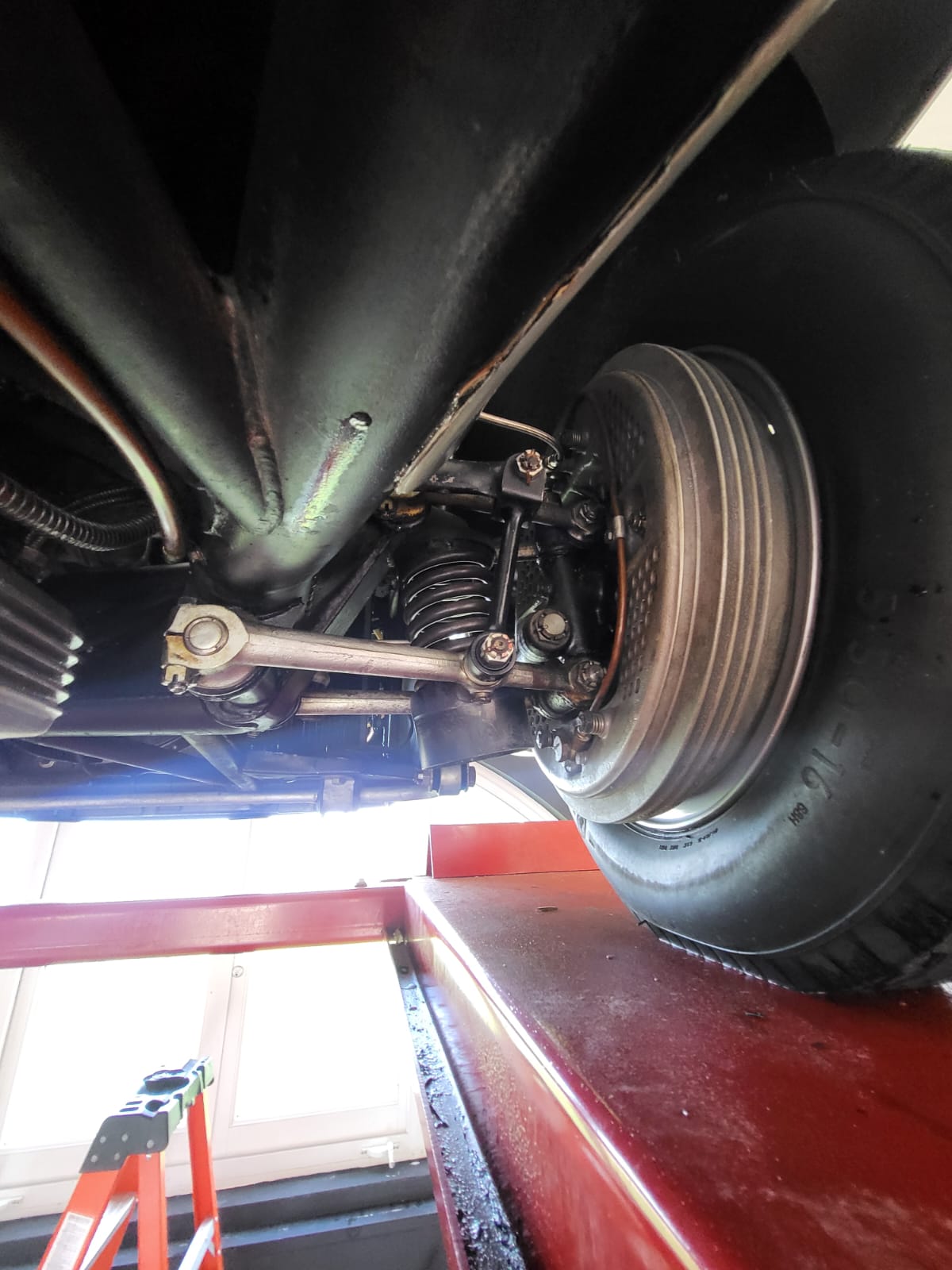
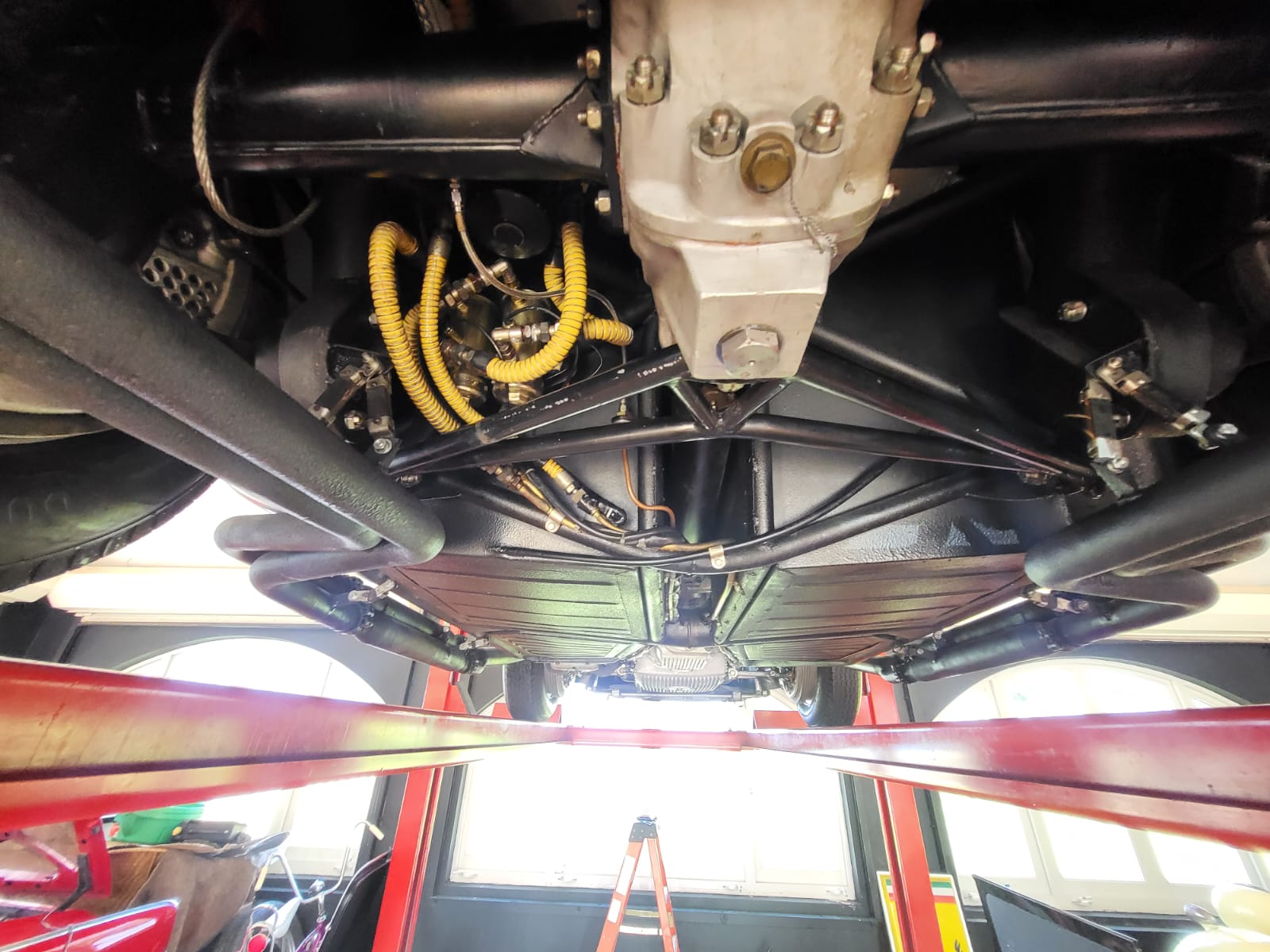
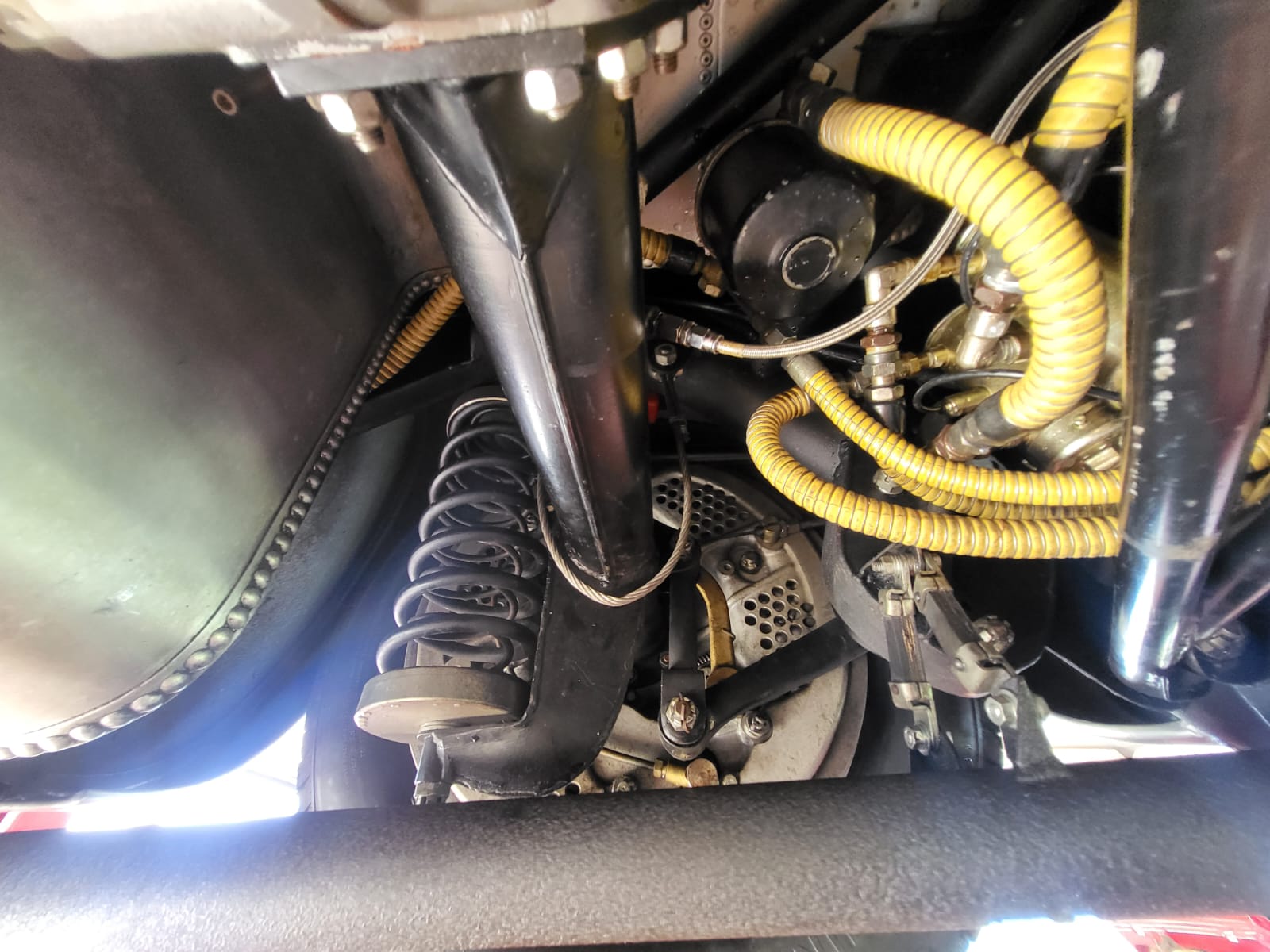
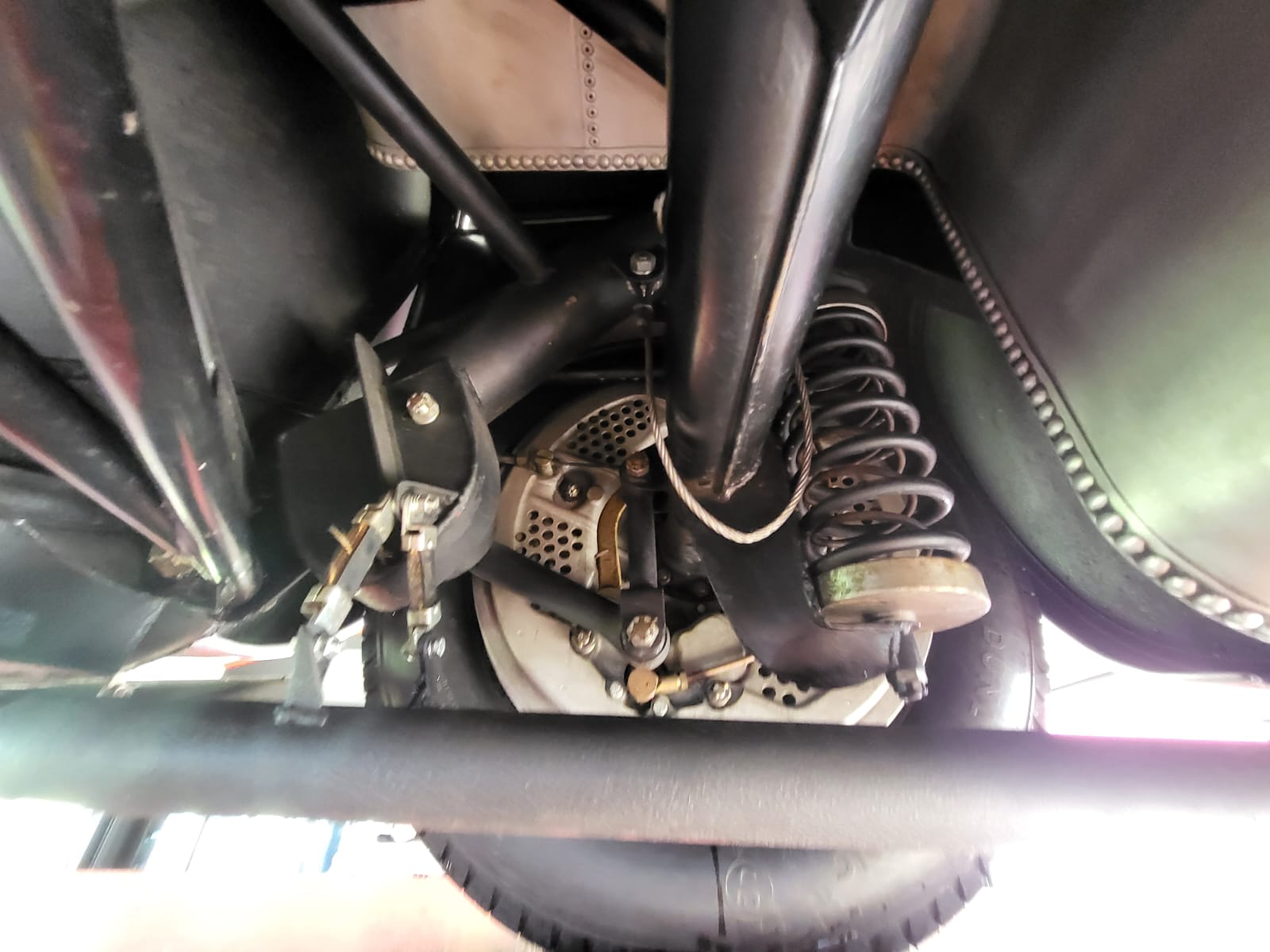
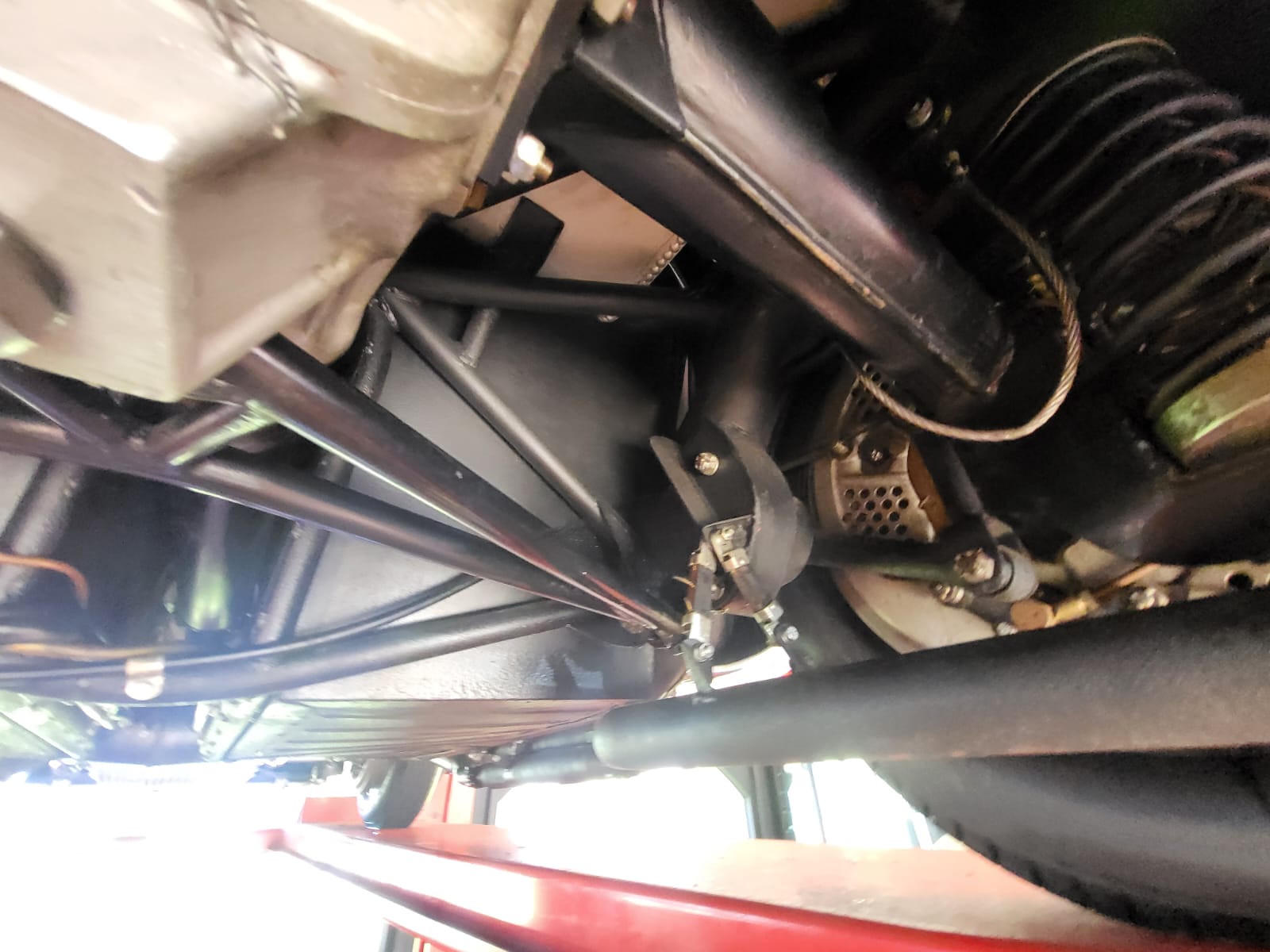
Giordanengo constructed 250 Testa Rossa Tribute s/n 3181 on a purpose-built 80 mm tubular steel chassis (smaller and lighter than the production cars’ 90 mm chassis tubes), dimensioned and laid out to duplicate the architecture and dimensions of the original chassis built in Modena by Vaccari & Bosi and then bodied by Scaglietti, located just down the road from Vaccari & Bosi. Again, the attention to detail and originality is very impressive. The front suspension features faithful duplicates of Ferrari’s Tipo 508 C/548 finned front drum brakes with bucket-mounted front springs dampened by correct Houdaille lever-arm shocks, connected by a rubber-mounted sway bar. The live-axle rear suspension features an alloy center section and is located by a unique triangulated variation of a sliding-pillar system that centers the rear axle under hard cornering, an improvement on the earlier De Dion rear suspension used in the 500 Mondials and 750 Monzas. Limiting straps help control rear axle movement. The rear brakes feature faithful duplicates of Ferrari’s Tipo 508 C/481 finned drum brakes with bucket-mounted rear springs dampened by correct Houdaille lever-arm shocks. The front wheels are Borrani 16 x 5 Record 3112 fitted with period-correct 5.50-16 front Dunlop Racing tires. The rear wheels are 16 x 5 Record 3320 fitted with period-correct 6.00-16 rear Dunlop Racing tires.
OWNERSHIP HISTORY
When first built, 250 Testa Rossa Tribute s/n 3181 was finished in Ferrari red and was one of a group of seven Ferraris owned by Pierre Fandel of Bitburg, Germany. Among those seven cars were 250 Testa Rossa Tribute s/n 3181 and a companion 250 GTO recreation, both built by Giordanengo. In March 1998, all seven Ferraris were sold by Pierre Fandel to Ferrari dealer Axel Urban. On 05–08 April 2001, 250 Testa Rossa Tribute s/n 3181 was shown at Techno Classica, Essen, Germany, on French plates 234 ASR 92. S/n 3181 was next shown on 30–31 July 2001 at the Modena Motorsport Festival, still in red/black on the same French plates 234 ASR 92. Only a month later, on 01 Aug. 2001, s/n 3181 was on display at the Wolf/Viesmann Ferrari Challenge, Nürburgring, in red/black. On 04–07 April 2002, s/n 3181 was again shown at the Techno Classica on the stand of Huberti Automobile, Düsseldorf, for Modena Motorsport. In 2004, Ferrari 250 Testa Rossa Tribute s/n 3181 was sold and repainted from red to silver by Uwe Meissner’s well-known Modena Motorsport in Langenfeld, Germany, before being shipped to her new owner in Puerto Rico.
250 Testa Rossa Tribute s/n 3181 has had only one owner since 2004, for twenty-two years, and has had only a single public appearance — as the centerpiece attraction at San Juan’s Gran Feria de Autos Antiguos de Puerto Rico in 2017 — before being returned to the owner’s garage. Today, 250 Testa Rossa Tribute s/n 3181 is in road-ready condition, as seen in the various videos on our site. Because Puerto Rico is what is politely called an “unincorporated territory of the United States under the designation of commonwealth,” there is no import duty to the mainland, and shipping in a 20′ container is easy. The Giordanengo name carries genuine currency in the world of Ferrari recreations — his cars are not commodities, and this example reflects his craft at a high level. The donor chassis carries a fully documented history spanning fifty-plus years, the Modena Motorsport refurbishment was carried out by one of Germany’s most respected Ferrari specialists, and the car has been properly stored and covered negligible miles in the past two decades.
THE OFFERING
For a buyer who wants the full sensory experience of a Pontoon-Fendered 250 Testa Rossa — the sound of a twelve-cylinder engine breathing through six Weber carburetors at seven thousand rpm, the feel of an aluminum-bodied car on a mountain road, the spectacle of arriving at any concours, Cars & Coffee meet, or invitational in something that stops every conversation in the paddock — this Giordanengo-built 250 Testa Rossa Tribute is a genuinely serious proposition. There are very few examples of this type that combine this quality of craftsmanship, this mechanical specification, this completeness of documented donor history, and this condition. We welcome any inspection. Priced right at $895,950 or best offer.